
 Pregledaj u prostoru
 Pošalji
 Podeli
 Detalji o delu
 Vodič
Vodič

 Preuzmi
 Slični predmeti
 Rendgenski snimak
 Automatska prezentacija
 Pitanja i odgovori
 Statistika
Romans of the Decadence

- 466.0 x 773.0 cm


 Pročitaj više
Giclee štampa / Umetnički otisak
Giclée štampa ili print na platnu muzejskog kvaliteta uz brzu izradu i raznovrsne opcije završne obrade. ( Kupite ručno oslikano delo Pređi na digitalnu sliku)




P118B дин10

P118H дин10

P118W дин10

P438Z дин10

P508JH дин12

P508YH дин12

P805H дин10

P805Z дин10

P919BZ дин10

P919G дин10

P919XJ дин10

P959ZH дин10

P968JZ дин12

W106C дин8

W218G дин10

W218JH дин8

W218Y дин10

W307PJ дин10

W316G дин10

W316PJ дин8

W316Y дин10

W398PJ дин8

W4111J дин10

W500HY дин15

W500JH дин15

W692G дин12

W849H дин8

W940BG дин15

W953PJ дин8




Izaberite jednu od naših unapred definisanih veličina koje odgovaraju originalnim proporcijama umetničkog dela.

Unesite željenu širinu i visinu kako bi se štampa uklopila u vaš ram ili zid. Štampu je moguće samo iseći, ali nikada povećati iznad dimenzija originalne slike, stoga format sa drugačijim proporcijama uzrokuje gubitak dela slike. Pre početka štampe, poslaćemo vam digitalni prikaz radi potvrde. Slika prikazana na ovoj stranici ne predstavlja stvarni isrez — to pokazuje samo digitalni prikaz.
Dostava širom sveta () za 2 nedelje umesto uobičajenih 4/5 nedelja. (8 новембар)

Besplatna ekspresna dostava širom sveta

Visokokvalitetno laneno platno

Potpuno osiguranje transporta

Garancija povraćaja carine i uvoznih dažbina

Garancija vernosti boja

Politika povraćaja u roku od 100 dana (samo u slučaju nedostataka)

Garancija povrata 100% novca

Popust na više proizvoda
 Opcija sa staklom dostupna je samo za dimenzije manje od 110 cm

Romans of the Decadence
Giclee štampa / Umetnički otisak
Dimenzije reprodukcije
-


Ukupna cena
дин 8485
A Monumental Vision of Antiquity
In the hallowed, quiet corridors of the Musée d'Orsay, there exists a window into a world of fading glory, captured through the masterful lens of Thomas Couture. His 1847 masterpiece, Romans in Their Decadence, is far more than a mere historical tableau; it is a visceral exploration of an empire in its twilight. This colossal oil on canvas, measuring an imposing 466 x 773 cm, stands as an arresting testament to the artistic fervor of the mid-nineteenth century—a period grappling with shifting intellectual currents and a profound yearning for a return to classical ideals. The painting presents a lavish gathering of figures within an opulent architectural setting, where the grandeur of ancient Rome meets the inevitable shadow of moral and societal erosion.
The composition pulsates with a restless dynamism, capturing a crowded scene that feels almost like a tableau vivant—a staged event designed to overwhelm the senses. As the viewer’s eye wanders through the dense arrangement of bodies, one encounters a symphony of movement: figures dancing, conversing, reclining, and observing in a state of luxurious excess. At the heart of this chaotic splendor, a statue of Venus stands prominently on a pedestal, framed by majestic Corinthian columns. This central icon serves as a silent witness to the surrounding revelry, embodying the very beauty and passion that the era's decadence sought to consume.
The Intersection of Neoclassicism and Romantic Emotion
Couture’s technical prowess lies in his ability to bridge two seemingly opposing worlds: the disciplined precision of Neoclassicism and the emotive turbulence of Romanticism. The architectural details—the meticulously rendered stone, the geometric stability of the arches, and the idealized forms of the figures—speak to a deep respect for classical tradition. Yet, this structural rigidity is infused with a Romantic soul through dramatic lighting and deeply expressive faces. A strong, theatrical light source illuminates the central area, casting long, heavy shadows that enhance the sense of depth and volume, creating an atmosphere that is simultaneously magnificent and haunting.
<The color palette further reinforces this emotional duality. Dominated by warm, earthy tones—rich browns, deep reds, and shimmering golds—the painting evokes a sense of heat, passion, and material wealth. These are sharply contrasted against cooler blues and whites found in the architectural elements and flowing drapery, providing a visual tension that mirrors the societal tension within the subject matter itself. Through layered brushwork and a sophisticated use of texture, Couture breathes life into fabric, skin, and stone, making the decadence feel tangibly present.
A Legacy for the Discerning Collector
For the art lover, the collector, or the interior designer, Romans in Their Decadence offers more than just historical interest; it provides a profound emotional resonance. It is a piece that commands attention, making it an ideal centerpiece for spaces that celebrate drama, history, and classical elegance. Whether placed in a grand salon or a sophisticated study, a high-quality reproduction of this work brings with it the weight of history and the spirit of rebellion that defined Couture’s career.
Owning a piece inspired by this masterpiece allows one to inhabit the tension between strength and decay, beauty and excess. It serves as a constant reminder of the cyclical nature of empires and the enduring power of art to capture the fleeting moments of human history. For those seeking to infuse their surroundings with a sense of monumental scale and narrative depth, Couture’s vision remains an unparalleled source of inspiration.
Pitanja i odgovori
Na koji način se nacionalni poreklom povezuje sa Academic Art dela "Romans of the Decadence"?
Delo u stilu Academic Art, "Romans of the Decadence", delo je umetnika rođenog u Француска.
Koja je paleta boja korišćena u delu „Romans of the Decadence”, autor Тома Кутур?
Paleta dela „Romans of the Decadence”, autor Тома Кутур opisana je kao Earthy, što predstavlja sažet prikaz boja ovog umetničkog dela.
Gde se "Romans of the Decadence" nalazi u okviru opusa umetnika Тома Кутур?
„Romans of the Decadence“ pripada Academic Art periodu stvaralaštka umetnika Тома Кутур, čije su upečatljive teme obuhvatale raphael's influence, classical ideals, roman decadence critique", 19th-century moral anxieties, romanticism's dramatic flair, couture's historical narratives, teaching & artistic legacy, exploring societal decline".
Biografija umetnika
Устанак у Атељеу: Живот и наслеђе Тома Кутура
Рођен 1815. године у Санлију, Француска, Томас Ктур је постао кључна фигура која је повезивала романтизам и реализам – сликар који се усудио да изазове академску конвенцију, истовремено савладавајући њене технике. Његов рани живот обележило је пресељење у Париз са породицом, где је прво студирао на École des Arts et Métiers, а затим се окренуо престижној École des Beaux-Arts. Међутим, Кутуров пут није био лак; наилазио је на понављана одбијања у такмичењу за Prix de Rome, признање које би му обезбедило жељено боравком у Академији Француске у Риму. Уместо да прихвати пораз, ови неуспеси су подстакли њедово уверење да је сам систем установан неисправан, што га је натерало да крене својим уметничким путем и на крају успостави независан атеље – уточиште за оне који траже алтернативу традиционалној настави.Пад Царстава и Нова Уметничка Визија
Кутуров пробој дошао је са *Римом током Декаденције* (1847), монументалним делом које је изазвало и похвале и контроверзе на Париском салону. Ова слика није била само историјска репрезентација; то је био оштар друштвени коментар, инспирисан сатиричним списима Јувенала, који је приказивао морални распад и раскошни вишак у римском друштву. Сцена пулсира осећањем неограничене развратности, фигуре обучене у луксузну тканину усред класичних руина – намерна контрастност која је требала да одрази перципирану декаденцију савременог француског друштва под Другом Републиком. Кутурова мајсторска употреба тоналних контраста, запошљавајући богате тамне нијансе упркос изузетно светлим акцентима, додатно је интензивирала драматичан ефекат и симболички значај композиције. Успех слике учврстио је његов углед као водећег уметника и успоставио га као снажну силу у уметничком свету. Било је то више од техничке вештине; била је то смела изјава о стању саме цивилизације.Учитељ Титана: Формирање Будућих Генерација
Поред сопствених уметничких достигнућа, Кутуров је значајно утицао на своју улогу едукатора. Отворио је свој атеље за различиту групу амбициозних уметника, одбацујући ригидне оквире École des Beaux-Arts и неговајући атмосферу експериментисања и критичког размишљања. Међу његовим најпознатијим ученицима били су имена која ће постати синоним за модерну уметност: Едуар Мане, чији је револуционарни приступ сликању дуговао Кутуровом нагласку на тоналним вредностима и експресивном раду четком; Анри Фантен-Латур, познат по својим мртвим природама и портретима колега уметника; Пјер Пувис де Шаван, пионир симболизма; и Џон Ла Фарж, иноватор у витражима. Кутурове методе наставе биле су неконвенционалне, подстицајући ученике да развијају своје индивидуалне гласове док их заснивају на основама цртања и композиције. Заступао је „брзо сликање”, предвиђајући технике које су касније прихватили импресионисти, и истицао важност директног посматрања из живота.Каснији Години и Трајни Утицај
Године 1860., разочаран париском уметничком сценом, Ктур се повукао у свој родни град Санлис, где је наставио да предаје и слика. Кодификовао је своју уметничку филозофију у *Méthode et entretiens d'atelier* (Метод и интервјуи из радионице), објављену 1867. године – трактат који је нудио радикални критички приступ академској догми и заговарао интуитивнији и експресивнији приступ стварању уметности. Ово дело, касније преведено на енглески као *Разговори о методама уметности*, пружило је непроцењиве увиде у његове педагошке принципе и уметничке уверења. Иако је током своје каријере наилазио на критику због изазивања утврђених норми, Кутуров утицај на развој модерне уметности је неоспоран. Неговао је генерацију уметника који су се усудили да прекину са конвенцијама, отварајући пут радикалној иновацији која ће дефинисати касни 19. и рани 20. век. Његово наслеђе траје не само кроз његове задивљујуће слике, већ и кроз трајан утицај који је имао на неке од најважнијих фигура у историји уметности.
Тома Кутур
1815 - 1879 , Француска
Osnovne informacije
- Artistic Movement Or Style: Romantizam i Realizam
- Artists Or Movements Influenced By This Artist:
- Édouard Manet
- Henri Fantin-Latour
- Artists Who Influenced This Artist:
- Antoine-Jean Gros
- Paul Delaroche
- Date Of Birth: 21. decembar 1815.
- Date Of Death: 30. mart 1879.
- Full Name: Thomas Couture
- Nationality: Francuski
- Notable Artworks:
- Rimljani u dekadenciji
- Duelo nakon maskenbala
- Place Of Birth: Senlis, Francuska
Povezani članci
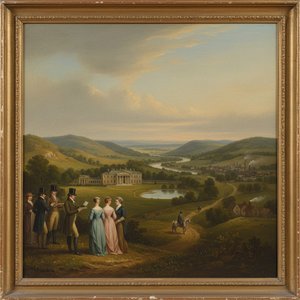
Thomas Barker of Bath: Landscape Painting & Societal Reflection in Early 19th-Century England
Explore the life & work of Thomas Barker of Bath, a key figure in 19th-century English Romanticism. Discover his Parisian success, iconic paintings like 'The Bride of Death', and lasting artistic legacy. Learn more at OriginalUniqueArt.

19th Century Masterpieces: 10 Paintings That Defined an Era | OriginalUniqueArt
Journey through 19th century art with OriginalUniqueArt! Explore 10 iconic paintings – from Monet & Renoir to Courbet – and discover the stories behind Romanticism, Realism & Impressionism. Find museum-quality reproductions for your home decor. Explore the full collection online!

Academic Art: Tradition, Technique & the Pursuit of Ideal Form in the 19th Century
Explore the world of Academic Art! Discover its history, key artists like Ingres & Bouguereau, defining techniques, and lasting influence on 19th-century painting. Learn about the Salon system and its legacy.
Academic Realism's Finest: 10 Masterpieces for Art Lovers & Home Decor
Explore 10 defining Academic Realism masterpieces by Bouguereau, Gérôme & Cabanel. Discover the stories behind these iconic paintings and bring timeless art into your home with museum-quality reproductions from OriginalUniqueArt.com. Explore the full collection online!
Academic Art: Tradition, Technique & the Rise of Modernism
Explore the rich history of Academic Art – its techniques, key masters like Bouguereau & Ingres, and influence on 19th-century painting. Discover this enduring tradition.


