
 Pregledaj u prostoru
 Podeli
 Podeli
 Detalji
 Vodič
Vodič

 Preuzmi sliku
 Slični predmeti
 Rendgenski snimak
 Automatska prezentacija
 Statistika
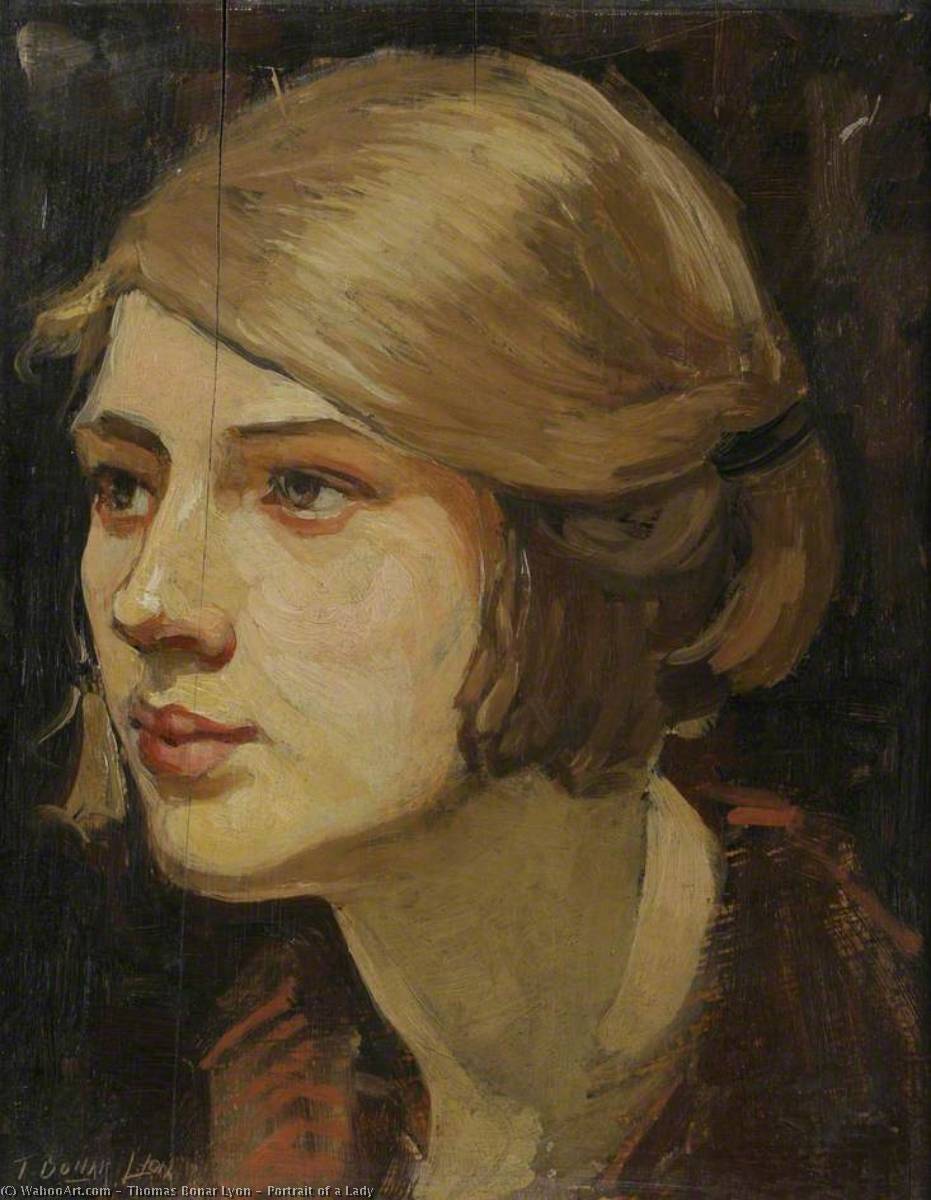
Portrait of a Lady
 24.0 x 19.0 cm
 Pročitaj više
Ručno rađena uljana reprodukcija
Ručno oslikano uljanim bojama na platnu u dimenzijama i okviru po vašem izboru, izrađeno po porudžbini od strane naših umetnika. ( Pređi na prodaju štampanih primeraka Pređi na prodaju digitalnih slika)




































Izaberite jednu od naših unapred definisanih veličina koje odgovaraju originalnim proporcijama umetničkog dela.

Možete uneti sopstvene dimenzije kako biste prilagodili umetničko delo određenom okviru ili prostoru. Ako odabrana veličina ne odgovara proporcijama originala, slika će biti isečena ili proširena dodatnim elementima koji se ručno oslikavaju. Digitalni prikaz će vam biti poslat na odobrenje pre početka proizvodnje.
Imajte na umu da pregled na ekranu ne odražava stvarno prisecanje ili proširenje. Samo mockup će precizno prikazati konačnu kompoziciju.
Iako su dostupne prilagođene veličine, preporučujemo da izaberete dimenziju iz unapred definisane liste kako biste sačuvali originalne proporcije.
Nakon narudžbine, tim OriginalUniqueArt.com će klijentu putem e-pošte poslati uputstva i dostaviti prikaz predloženog rešenja
Svetska isporuka () za 3/4 nedelje umesto uobičajenih 5 nedelja. (25 септембар). Bez kompromisa po pitanju kvaliteta.

Besplatna ekspresna dostava širom sveta

Visokokvalitetno laneno platno

Sveobuhvatno osiguranje transporta

Garancija povraćaja carine i uvoznih dažbina

Garancija vernosti boja i autentičnosti pri reprodukciji

Politika povraćaja u roku od 100 dana (samo u slučaju nedostataka)

Garancija povrata 100% novca

Popust pri većoj količini
 Opcija sa staklom dostupna je samo za dimenzije manje od 110 cm

Portrait of a Lady
Tehnika izrade reprodukcije
Veličina reprodukcije
-


Ukupna cena
$ 300
Biografija umetnika
The Soul of the Scottish Landscape: The Life and Art of Thomas Bonar Lyon
Born amidst the rugged, mist-shrouded beauty of Tarbert, Loch Fyne, in 1873, Thomas Bonar Lyon was a painter whose very essence seemed woven from the Highland landscape. His life and work represent a profound dialogue between the traditional Scottish landscape tradition and the luminous, fleeting innovations of French Impressionism. To observe a Lyon canvas is to witness more than mere topography; it is to experience a quiet, spiritual communion with the natural world. His journey began in the dramatic scenery of Argyllshire, an environment that instilled in him a lifelong reverence for the interplay of light, water, and earth—a devotion that would eventually define his place in the annals of early 20th-century Scottish art.
Lyon’s formal artistic evolution was shaped by rigorous academic training and a wandering, inquisitive spirit. He first honed his technical prowess at the Glasgow School of Art, studying under the guidance of influential figures such as Joseph Edgar Reynolds. It was from Reynolds that Lyon inherited a penchant for looser brushwork and an acute sensitivity to atmospheric effects, elements that would become the hallmarks of his mature style. Seeking to expand his horizons beyond the borders of Scotland, Lyon traveled through London, France, and Belgium, absorbing the diverse light of the continent. His time in France was particularly transformative; he found himself deeply moved by the coastal scenes of Eugène Boudin, whose mastery of plein air painting—the practice of working directly from nature—provided Lyon with a blueprint for capturing the ephemeral qualities of the sky and sea.
Technique and the Impressionistic Vision
The brilliance of Lyon’s oeuvre lies in his ability to balance meticulous observation with an expressive, almost poetic, use of color. While he possessed the skill to render natural forms with remarkable accuracy, he was never a mere documentarian. Instead, he utilized tonal gradations and vibrant palettes to evoke the emotional weight of a scene. His paintings often capture the shimmering reflections of sunlight dancing upon the surface of Loch Fyne or the soft, muted hues of heather-clad hillsides under a heavy Scottish sky. Through his brush, the landscape becomes a living, breathing entity, capable of conveying both grandeur and a delicate, haunting fragility.
His technical approach was characterized by several key elements:
- Atmospheric Perspective: A masterful use of light and shadow to create depth and a sense of moisture-laden air.
- Impressionistic Brushwork: The adoption of fluid, energetic strokes that prioritize the sensation of movement and light over rigid outlines.
- Tonal Harmony: An expert command of color temperature, blending the cool blues of Scottish waters with the warm, earthy tones of the Highlands.
Legacy and Historical Significance
Throughout a prolific career spanning several decades, Lyon produced an extensive body of work, including over 300 paintings that serve as a visual archive of the Scottish landscape. His dedication to his native regions, particularly Loch Fyne and Ayrshire, has earned him a reputation as one of Scotland's most significant landscape painters of his era. Beyond his technical skill, Lyon’s historical importance lies in his role as a bridge between eras; he successfully integrated the modern, light-focused sensibilities of the French Impressionists into the established traditions of Scottish art.
His influence extended far beyond the canvas through his roles as an educator and a member of prestigious artistic circles. Affiliated with the Royal Scottish Academy, the Royal Glasgow Institute of Fine Arts, and the Glasgow Art Club, he was a central figure in the vibrant Scottish art community. Today, his works remain cherished for their ability to transport the viewer to a bygone era of quiet contemplation, reminding us that the true purpose of an artist is, as Lyon believed, to provide a sense of profound pleasure and connection to the world around us.

thomas bonar lyon
1873 - 1955
Brzi pregled
- Artistic Movement Or Style: Impressionism
- Artists Who Influenced This Artist: ['Duncan Ballantine']
- Date Of Death: 1955
- Full Name: Thomas Bonar Lyon
- Nationality: Scottish
- Notable Artworks:
- Joe Corrie
- Tarbert, Loch Fyne, the Boatyard
- Place Of Birth: Lyon, France