Pređi na štampu
 Pročitaj više







































 Za umetnička dela ili reprodukcije čija je bilo koja strana veća od 105 cm (približno 41 inč), okvir će biti isporučen u obliku rastavljenog seta za sklapanje. Ovaj metod osigurava bezbednu dostavu i sprečava oštećenja tokom transporta.


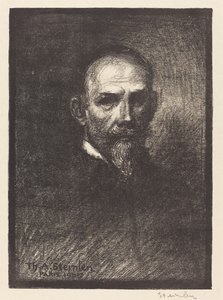
Lion en cage by Théophile Alexandre Steinlen: A Study in Captivity
- Subject Matter: This poignant artwork depicts a lion confined within a cage, a powerful symbol of captivity and loss of freedom. The scene immediately draws the viewer into a contemplation of restriction and vulnerability.
Style and Technique: Echoes of Impressionism and Art Nouveau
- Artistic Style: Steinlen’s “Lion en cage” exemplifies a style reminiscent of late 19th-century European art, drawing influences from both Impressionism and Post-Impressionism. The loose brushwork and emphasis on capturing the overall impression rather than precise detail are hallmarks of this approach. There's also a clear connection to Art Nouveau aesthetics in its decorative quality and flowing lines.
- Technical Execution: The artwork is an oil painting on canvas, evident through the visible brushstrokes that add depth and dimension. Lines are used gesturally, particularly in depicting the lion’s fur and musculature. The cage bars are suggested with broad strokes rather than precise lines, contributing to the overall impressionistic style. A clear light source from the left illuminates the lion's side, creating shadows that emphasize its form and the feeling of enclosure.
Composition and Emotional Impact
- Visual Elements: The composition is relatively simple yet effective. The lion dominates the frame, positioned slightly off-center to create visual interest. The dark, undefined background emphasizes the animal's isolation. Horizontal emphasis is created by the cage bars and the lion’s posture. The color palette—muted browns, grays, and blacks with touches of ochre and beige—contributes significantly to the somber mood.
- Emotional Resonance: "Lion en cage" evokes feelings of sadness, loneliness, and confinement. The lion, traditionally a symbol of strength and power, appears diminished and vulnerable within its cage. This contrast amplifies the emotional impact, prompting reflection on themes of captivity and loss. It can be interpreted as a metaphor for human conditions, resonating with viewers on a deeper level.
Historical Context and Steinlen's Oeuvre
- The Artist: Théophile Alexandre Steinlen (1859-1923) was a Swiss-born French artist renowned for his Art Nouveau posters, cat illustrations, and depictions of Parisian life. He studied at the University of Lausanne before honing his skills in Mulhouse and later finding artistic community in Montmartre, Paris. His work often reflected social commentary and captured the spirit of the Belle Époque.
- Influences and Connections: Steinlen’s style shows influence from artists like Degas, who frequently depicted animals in captivity. The artwork aligns with his broader artistic interests in portraying marginalized figures and exploring themes of urban life and social issues. His lithograph "Les chanteurs des rues," the frontispiece to “Chansons de Montmartre,” demonstrates a similar expressive style.
Pitanja i odgovori
Da li je zakonski dozvoljeno reprodukovati delo „Lion en cage”, autor Teofil Aleksandr Stajnlen koje se nalazi u muzeju Musée Alphonse-georges Poulain?
Delo „Lion en cage”, autor Teofil Aleksandr Stajnlen, koje se čuva u muzeju Musée Alphonse-georges Poulain, nalazi se u u javnom vlasništvu – autorska prava su istekla statusu. Ovaj status određuje da li je dozvoljeno izrada reprodukcija slike.
Da li je „Lion en cage”, autor Teofil Aleksandr Stajnlen svetlo ili tamno umetničko delo?
Zabeležene vrednosti za „Lion en cage”, autor Teofil Aleksandr Stajnlen su: osvetljenost bright, luminansa Gentle Luminance.
Kolika je zasićenost boja u delu „Lion en cage”, autor Teofil Aleksandr Stajnlen?
Boje dela „Lion en cage”, autor Teofil Aleksandr Stajnlen imaju Muted zasićenost. Zasićenost opisuje koliko su boje jarke ili prigušene.
 Pregledaj u prostoru
 Pošalji
 Podeli
 Detalji o delu
 Vodič
Vodič

 Preuzmi
 Slični predmeti
 Rendgenski snimak
 Automatska prezentacija
 Q&A
Q&A Statistika