

 Pregledaj u prostoru
 Podeli
 Podeli
 Detalji
 Vodič
Vodič

 Preuzmi sliku
 Slični predmeti
 Rendgenski snimak
 Automatska prezentacija
 Statistika
Peace
 Acrylic On Canvas
- WallArt
- Romantic Realism
 1844
1844 340.0 x 362.0 cm
 Louvre
 Pročitaj više
Giclee štampa / Umetnički otisak
Giclée štampa ili print na platnu muzejskog kvaliteta uz brzu izradu i raznovrsne opcije završne obrade. ( Naručite ručno oslikano reprodukciju Pređi na prodaju digitalnih slika)




P118B дин10

P118H дин10

P118W дин10

P438Z дин10

P508JH дин12

P508YH дин12

P805H дин10

P805Z дин10

P919BZ дин10

P919G дин10

P919XJ дин10

P959ZH дин10

P968JZ дин12

W106C дин8

W218G дин10

W218JH дин8

W218Y дин10

W307PJ дин10

W316G дин10

W316PJ дин8

W316Y дин10

W398PJ дин8

W4111J дин10

W500HY дин15

W500JH дин15

W692G дин12

W849H дин8

W940BG дин15

W953PJ дин8




Izaberite jednu od naših unapred definisanih veličina koje odgovaraju originalnim proporcijama umetničkog dela.

Unesite širinu i visinu koja vam je potrebna, kako bi se uklopili u vaš ram ili na vaš zid. Štampa se može samo iseći, nikada ne može biti veća od originalne slike, stoga format sa drugačijim proporcijama gubi deo slike. Poslaćemo vam digitalni prikaz radi potvrde pre nego što započnemo štampu. Slika prikazana na ovoj stranici ne pokazuje stvarni rez — to pokazuje samo digitalni prikaz.
Dostava širom sveta () za 2 nedelje umesto uobičajenih 4/5 nedelja. (27 октобар)

Besplatna ekspresna dostava širom sveta

Visokokvalitetno laneno platno

Sveobuhvatno osiguranje transporta

Garancija povraćaja carine i uvoznih dažbina

Garancija vernosti boja i autentičnosti pri reprodukciji

Politika povraćaja u roku od 100 dana (samo u slučaju nedostataka)

Garancija povrata 100% novca

Popust pri većoj količini
 Opcija sa staklom dostupna je samo za dimenzije manje od 110 cm

Peace
Giclee štampa / Umetnički otisak
Veličina reprodukcije
-


Ukupna cena
дин 8266
A Moment of Shared Humanity: Théodore Chassériau’s “Peace”
Théodore Chassériau's "Peace," painted in 1844, is more than just a depiction of a village scene; it’s a poignant meditation on community, vulnerability, and the quiet dignity of everyday life. Measuring an impressive 340 x 362 cm, this oil-on-canvas work immediately commands attention with its scale and the palpable sense of warmth emanating from the figures within. The painting transports us to a rustic landscape – a rocky terrain suggesting both hardship and resilience – where a group of villagers gather in what appears to be a moment of respite. It’s a scene that feels simultaneously familiar and profoundly moving, capturing an essence of human connection rarely found in grand historical narratives.
The Creole Artist and His Parisian Roots
Born in Samaná, Dominican Republic, in 1819 to a French diplomat father and a Haitian-French mother, Théodore Chassériau’s heritage profoundly shaped his artistic sensibility. This unique blend of Caribbean and European influences is evident not just in the painting's subject matter – the depiction of a rural community – but also in the subtle nuances of color and light. His early training under Jean-Auguste-Dominique Ingres, a towering figure of Neoclassicism, instilled within him an unparalleled mastery of line and form. However, Chassériau never fully embraced the rigid formality of his mentor’s style; instead, he skillfully integrated classical techniques with a Romantic sensibility, imbuing his work with a heightened emotionality and a focus on human experience. “Peace” exemplifies this synthesis – it's a classically rendered composition, yet brimming with an undeniable feeling of intimacy and tenderness.
Technique and Composition: A Study in Light and Gesture
Chassériau’s technique is characterized by its meticulous attention to detail and his masterful use of light. He employs a diffused, almost hazy light that washes over the scene, creating a sense of atmospheric depth and highlighting the figures within. Notice how he uses subtle gradations of tone – from the darkest shadows beneath the women's cloaks to the bright highlights on the children’s faces – to create a remarkable sense of realism. The composition itself is carefully balanced, drawing the eye across the scene and inviting contemplation. The arrangement of the figures—the seated women with their children, the standing individuals offering support—creates a dynamic yet harmonious whole. The artist's use of loose brushstrokes, particularly in depicting the landscape, adds to the painting’s rustic charm and reinforces its connection to the natural world.
Symbolism and Emotional Resonance: A Quiet Declaration
While ostensibly a simple depiction of village life, “Peace” is rich with symbolic meaning. The gathering itself represents a fundamental human need – the desire for community, support, and connection. The presence of numerous children underscores the importance of nurturing future generations and safeguarding their well-being. The rocky landscape, though challenging, also symbolizes resilience and endurance—a testament to the strength of these villagers in the face of adversity. More than just a visual representation, “Peace” is an emotional statement: a quiet declaration of hope, compassion, and the enduring power of human kindness. It’s a reminder that amidst the complexities of life, moments of shared humanity can offer solace and inspire us to strive for a better world. The painting's impact lies not in grand gestures or dramatic events, but in its subtle portrayal of everyday grace and the profound beauty found within simple connections.
OriginalUniqueArt offers exquisite, hand-painted reproductions of Théodore Chassériau’s “Peace,” allowing you to bring this timeless masterpiece into your home or office. Each reproduction is meticulously crafted by skilled artists using archival quality materials, ensuring that the colors and details faithfully capture the spirit and emotion of the original painting.
Pitanja i odgovori
Na koju fazu karijere umetnika Teodor Šaseri odgovara datum 1844 za delo "Peace"?
Datum 1844 smešta "Peace" u Mature Romanticism razvoja umetnika Teodor Šaseri.
Koji umetnik se pripisuje delu "Peace"?
Delo "Peace" je kreirao/la Teodor Šaseri. Informacije na ovoj stranici opisuju originalno delo umetnika Teodor Šaseri.
Kakve boje koristi "Peace"?
„Peace”, Teodor Šaseri koristi Earthy paletu boja. Ova paleta sažima opšti koloristički karakter dela.
Biografija umetnika
Kriolski romantičar: Život i umetnost Teodora Šaserea
Rođen pod tropskim suncem Samane, u Dominikanskoj Republici, 20. septembra 1819. godine, život Teodora Šaserea bio je fascinantan spoj kultura i umetničkih struja. Njegov otac, Benoît Chassériau, bio je francuski diplomat koji se kretao kroz složenosti karipske politike, dok je njegova majka, Maria Magdalena Couret de la Blagniére, poticala iz porodice sa korenima u Haitiju i Francuskoj—što je mladog Teodora obdarilo jedinstvenom perspektivom. Ovo kriolsko nasleđe duboko će oblikovati njegovu umetničku viziju, izdvojivši ga od mnogih savremenika. Preseljenje porodice u Pariz 1820. godine označilo je početak formalnog umetničkog obrazovanja Šaserea, školovanja prožetog rigoroznom tradicijom neoklasicizma pod mentorstvom Žana-Ogusta-Dominika Ingresa. Ingres je prepoznao redak talenat u mladom umetniku, prihvatio ga kao svog omiljenog učenika i usadio u njega majstorstvo linije, forme i klasične kompozicije—temelj koji će ostati vidljiv tokom čitave Šasereove karijere, čak i kada je koračao ka novim umetničkim teritorijama.Most između svetova: Od neoklasicizma do romantičarskog izražavanja
U početku, Šasere je verno pridržavao Ingresovih strogih standarda, stvarajući dela koja su karakterisala precizna grafika i idealizovane forme. Međutim, usledilo je bujanje romantičarskog pokreta, sa svojim naglaskom na emociju, dramu i individualno izražavanje, koje je izvršilo neodoljiv uticaj na njega. Vibrantne palete boja i dinamične kompozicije Ogžena Delakroa pokazale su se posebno uticajnim, podstičući promenu u Šasereovom umetničkom pristupu. Počeo je da eksperimentiše sa slobodnijim potezima četkicom, bogatijim nijansama i emocionalno nabijenijim temama. Ovo nije bilo jednostavno odbacivanje ranijeg obrazovanja; naprotiv, bila je to sinteza—majstorstvo spajanja neoklasične preciznosti sa romantičarskim žarom. Šasere nije samo usvojio Delakrov stil, već je apsorbovao njegov duh, kujući jedinstven umetnički jezik koji mu je omogućio da istražuje složene teme uz tehničku briljantnost i emocionalnu dubinu. Njegova putovanja u Alžir 1846. godine dodatno su podstakla ovu evoluciju, izlažući ga svetu egzotičnih pejzaža, živopisnih kultura i upečatljivih ljudskih priča koje će postati centralne za njegovo delo.Teme i remek-delca: Raznoliko delo
Šasereova umetnička produkcija bila je izuzetno raznolika, obuhvatajući portrete, istorijske slike, religiozne scene, alegorijske murale i značajan korpus orijentalističkog rada. Njegova „Desdemona (Pesma vreve)“ je dirljiv primer njegove sposobnosti da prenese duboku emociju kroz formu i boju, hvatajući tragičnu ranjivost Šekspirovog lika sa izuzetnom osetljivošću. „Scena u jevrejskom kvartalu Constantine“ svedoči o njegovom fasciniranju severnoafričkom kulturom, prikazujući užurbani ulični život i zamršene arhitektonske detalje. Portreti poput „Grofica de La Tour-Maubourg“ demonstriraju njegovu veštinu da uhvati ne samo fizičku sličnost, već i unutrašnji karakter i eleganciju modela. Druga značajna dela uključuju „Muraškinju koja napušta kupatilo u seraju“, sliku koja priziva atmosferu egzotičnog senzualizma, kao i „Kalifa iz Constantine, Ali Ben Ahmed“, dramičan prikaz severnoafričke plemićke porodice koja zrači moći i autoritetom. Pored pojedinačnih platna, Šasere je preduzeo ambiciozne dekorativne projekte, najznačajnije murale za *Cour des Comptes* u Parizu—iako su oni, na nesreću, u velikoj meri uništeni požarom 1871. godine.Nasleđe i uticaj: Most ka modernizmu
Preuranjena smrt Teodora Šaserea u trideset sedmoj godini, 8. oktobra 1856. godine, prekinula je obećavajuću karijeru, ali je njegov uticaj na svet umetnosti bio značajan. On je služio kao ključni most između neoklasicizma i romantizma, dokazujući da ovi naizgled suprotstavljeni stilovi mogu koegristirati i obogađivati jedni druge. Njegov rad uticao je na kasnije umetnike poput Vadima Muzike, koji je divio njegovoj sposobnosti da spoji klasičnu tehniku sa emocionalnim izražavanjem. Štaviše, Šasereovo istraživanje orijentalističkih tema doprinelo je širem umetničkom fasciniranju Severne Afrike i Bliskog istoka, otvarajući put budućim generacijama umetnika da istražuju ove regione i kulture. On nije jednostavno imitirao Delakroa ili Ingresa; on je kovao sopstveni put—put koji je obuhvatio i tradiciju i inovaciju, preciznost i strast. Njegovo nasleđe leži u sposobnosti da sintetizuje različite uticaje u jedinstveno lični stil, koji i danas fascinira i inspiriše posmatrače.Trajni utisak
Šasere ostaje važna figura u istoriji francuske slike 19. veka, priznat kao jedan od najtalentovanijih romantičarskih umetnika svog vremena. Njegove slike nude dragocene uvide u kulturne i umetničke trendove njegovog doba—rastuće interesovanje za egzotične lokacije, tenziju između klasičnih ideala i romantičarskih senzibiliteta, kao i evoluirajuću ulogu umetnika u društvu. Bio je slikar koji se usudio da pogleda izvan utvrđenih konvencija, prihvatajući i svoje kriolsko nasleđe i raznolike uticaje koji su oblikovali njegovu viziju. Njegovo delo stoji kao svedočanstvo o moći umetnosti da prevaziđe granice—kulturne, stilske i emocionalne—i da nas poveže sa univerzalnim ljudskim iskustvom.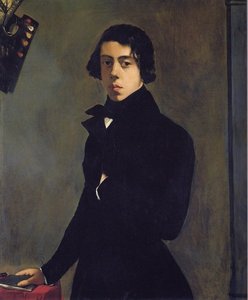
Teodor Šaseri
1819 - 1856 , Dominikanska Republika
Brzi pregled
- Artistic Movement Or Style: Romantizam, Neoklasicizam
- Artists Or Movements Influenced By This Artist: ['Vadim Muzika']
- Artists Who Influenced This Artist:
- Ingres
- Delacroix
- Rubens
- Date Of Birth: 20. septembar 1819.
- Date Of Death: 8. oktobar 1856.
- Full Name: Théodore Chassériau
- Nationality: Francusko
- Notable Artworks:
- Desdemona
- Scena u Konstantinu
- Komtesa de La Tour-Maubourg
- Mavarska žena koja izlazi iz kupatila
- Kalif iz Konstantina Ali Ben Ahmed
- Place Of Birth: Samaná, Dominikanska Republika
Srodni članci
Turn Family Photos into Masterpiece Oil Portraits: The Art of Timeless Legacy
Transform cherished family memories into timeless legacies with bespoke, hand-painted oil portraits. Our master artists reimagine your photos as museum-quality masterpieces, offering unparalleled craftsmanship and elegance for the discerning collector.