
 Pregledaj u prostoru
 Pošalji
 Podeli
 Detalji o delu

 Преузми
 Slični predmeti
 Rendgenski snimak
 Slajdovi
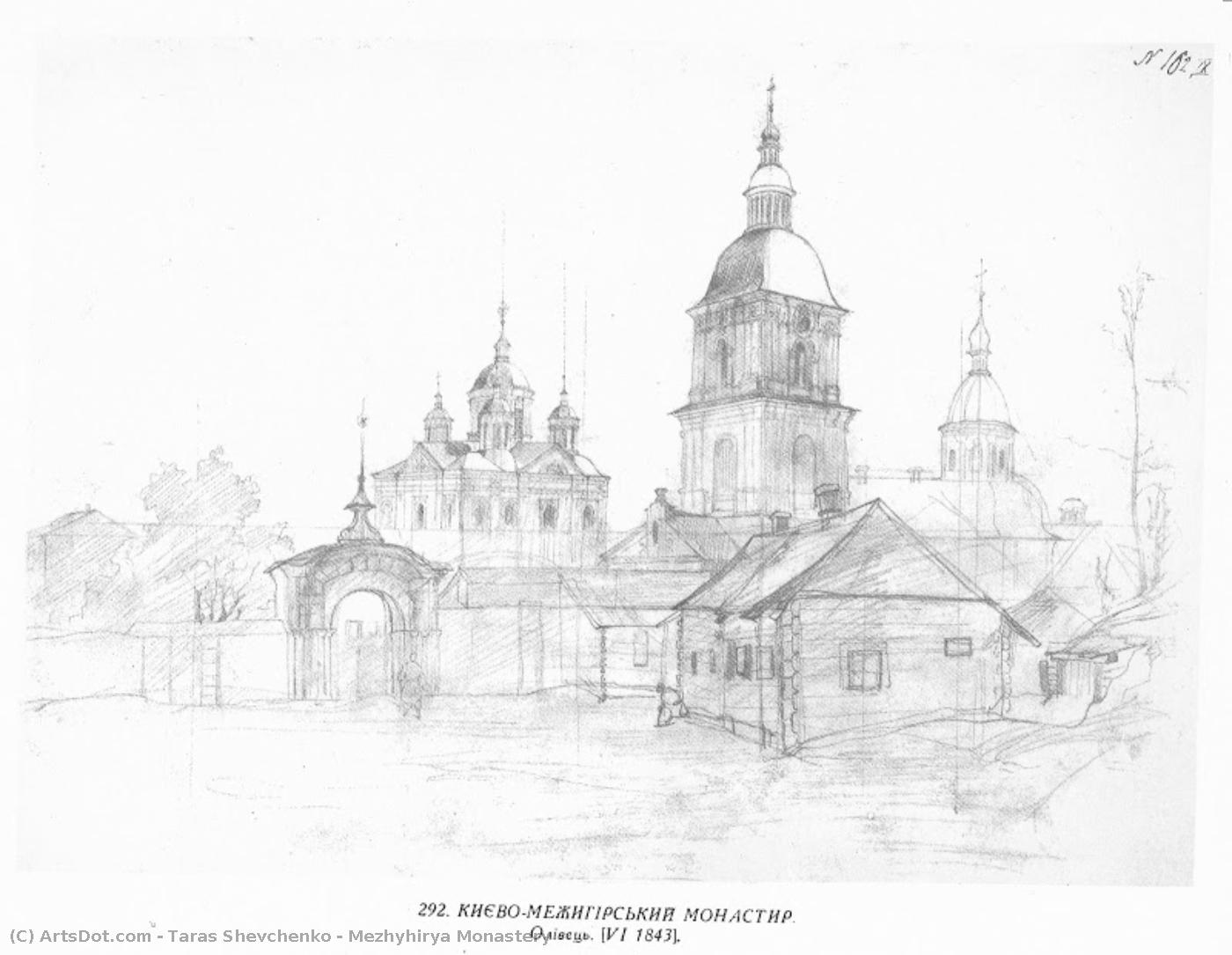
Mezhyhirya Monastery


 Pročitaj više
Ručno rađena uljana reprodukcija
Ručno oslikano uljanim bojama na platnu u dimenzijama i okviru po vašem izboru, izrađeno po porudžbini od strane naših umetnika. ( Kupi print Kupi digitalnu sliku)




































Izaberite jednu od naših unapred definisanih veličina koje odgovaraju originalnim proporcijama umetničkog dela.

Можете унети сопствене димензије како бисте прилагодили дело одређеном оквиру или простору. Ако одабрана величина не одговара пропорцијама оригинала, слика ће бити исечена или проширена додатним елементима који се ручно насликавају. Дигитални prikaz ће вам бити послат на одобрење пре почетка производње.
Имајте на уму да преглед на екрану не одражава стварно исецање или проширење. Само приказ (mockup) ће тачно приказати коначну композицију.
Иако су доступне прилагођене величине, препоручујемо да одаберете димензију из дефинисане листе како бисте сачували оригиналне пропорције.
Nakon narudžbine, tim OriginalUniqueArt.com će klijentu putem e-pošte poslati uputstva i dostaviti prikaz predloženog rešenja
Isporuka širom sveta () za 3/4 nedelje umesto uobičajenih 5 nedelja. (15 август). Bez kompromisa po pitanju kvaliteta.

Besplatna ekspresna dostava širom sveta

Visokokvalitetno laneno platno

Kompletno osiguranje transporta

Garancija povraćaja carine i uvoznih dažbina

Garancija vernosti boja

Politika povrata u roku od 60 dana (samo u slučaju nedostataka)

Garancija povrata novca od 100%

Popust pri grupnoj kupovini
 Opcija sa staklom dostupna je samo za dimenzije manje od 110 cm

Mezhyhirya Monastery
Tehnika reprodukcije
Dimenzije reprodukcije
-


Konačna cena
$ 300
Biografija umetnika
A Life Etched in Poetry and Paint: The World of Taras Shevchenko
Taras Hryhorovych Shevchenko, a name synonymous with Ukrainian identity and resilience, was more than just an artist or a poet—he was the embodiment of a nation’s yearning for freedom. Born into serfdom in 1814 in the humble village of Moryntsi, Ukraine, his early life was steeped in hardship, yet illuminated by an innate artistic talent that would ultimately transcend his circumstances and ignite a cultural awakening. The weight of oppression bore down on young Taras; he lost his mother at seven and his father eight years later, experiences that indelibly marked his sensibility and fueled the poignant social commentary woven throughout his life’s work. His initial exposure to art came through apprenticeships with local icon painters, laying the foundation for a technical skill that would blossom under formal training. This early period wasn't merely about mastering technique; it was an immersion into Ukrainian folklore, religious imagery, and the visual language of his people—elements that would become cornerstones of his artistic expression.From Serfdom to St. Petersburg: The Flowering of a Genius
Shevchenko’s path took a pivotal turn when he was sent to Kyiv for education, first at the Grammar School and then the Theological Seminary. However, these institutions proved ill-suited to his artistic spirit. Fate intervened through the patronage of several individuals who recognized his exceptional talent. This led to his liberation from serfdom in 1838—a watershed moment achieved through a lottery where the prize was a portrait by Karl Bryullov. This freedom unlocked access to the prestigious Imperial Academy of Arts in St. Petersburg, where he studied under Karl Brück. Here, Shevchenko wasn’t simply absorbing artistic techniques; he was engaging with the broader European art scene, encountering Romanticism and Realism, styles that would subtly influence his own developing aesthetic. His work began to blend traditional Ukrainian themes with a modern sensibility, foreshadowing the unique voice he would soon project through both brushstrokes and verse. During this period, he honed his skills in painting, etching, and drawing, demonstrating a remarkable versatility that set him apart.The Poet of Ukraine: *Kobzar* and the Voice of a Nation
While Shevchenko excelled as an artist, it was through poetry that he truly captured the soul of Ukraine. The publication of *Kobzar* in 1840 marked a turning point not only in his career but also in Ukrainian literature itself. This collection wasn’t merely a compilation of poems; it was a declaration of national identity, a lament for past injustices, and a call for future liberation. The verses resonated deeply with the Ukrainian peasantry, articulating their struggles under serfdom and igniting a sense of collective consciousness. *Kobzar* became a symbol of resistance and hope, circulating widely despite censorship attempts by the Tsarist regime. Beyond *Kobzar*, Shevchenko’s artistic output continued to reflect his deep connection to Ukraine—paintings depicting rural life, historical events, and portraits that captured the spirit of his people. Works like “Architectural project of private house. Main facade” and "Cathedral of the Annunciation in Nizhny Novgorod" demonstrate a range beyond purely nationalistic themes, showcasing his architectural interests and technical skill. His monochrome illustration, “The Death of Bohdan Khmelnytsky,” stands as a powerful example of his mastery of realism and etching, depicting a pivotal moment in Ukrainian history with profound emotional depth.Exile, Resilience, and Enduring Legacy
Shevchenko’s outspoken criticism of the Tsarist regime and involvement with the Petrashevsky Circle—a group advocating for political reform—led to his arrest in 1847 and a decade-long exile to Central Asia. This period was marked by immense hardship; he was forbidden from writing or painting, subjected to harsh conditions, and constantly monitored. Yet, even in the face of such oppression, Shevchenko’s spirit remained unbroken. He continued to sketch secretly, documenting his surroundings and preserving his artistic vision. His exile became a symbol of Ukrainian suffering under Russian rule, further solidifying his status as a national hero. Upon his premature release due to failing health, he returned to St. Petersburg only to succumb to illness in 1861 at the age of 47. His death was mourned throughout Ukraine and beyond. Today, Taras Shevchenko is revered as a foundational figure in Ukrainian literature and art. Numerous museums and memorials—including the Taras Shevchenko National Museum in Kyiv and the Tereshchenko Museum—are dedicated to preserving his legacy. His works continue to inspire generations of artists, writers, and activists, ensuring that his voice—a voice forged in hardship and fueled by a deep love for Ukraine—will resonate for centuries to come. The recent creation of a Taras Shevchenko AI chatbot is a testament to the enduring power of his ideas and the ongoing commitment to sharing his work with new audiences.
Taras Hryhorovych Shevchenko
1814 - 1861 , Ukraine
Osnovne informacije
- Artistic Movement Or Style: Romanticism
- Artists Or Movements Influenced By This Artist:
- Ukrainian literature
- Modern Ukrainian language
- Artists Who Influenced This Artist: ['Karl Brück']
- Date Of Birth: March 9, 1814
- Date Of Death: March 10, 1861
- Full Name: Taras Hryhorovych Shevchenko
- Nationality: Ukrainian
- Notable Artworks:
- The Death of Bohdan Khmelnytsky
- Architectural project...
- Cathedral of the Annunciation
- Place Of Birth: Moryntsi, Ukraine

