

 Pregledaj u prostoru
 Podeli
 Podeli
 Detalji
 Vodič
Vodič

 Preuzmi sliku
 Slični predmeti
 Rendgenski snimak
 Automatska prezentacija
 Statistika
Modèle réduit d


 Pročitaj više
Ručno rađena uljana reprodukcija
Ručno oslikano uljanim bojama na platnu u dimenzijama i okviru po vašem izboru, izrađeno po porudžbini od strane naših umetnika. ( Pređi na prodaju štampanih primeraka Pređi na prodaju digitalnih slika)




































Izaberite jednu od naših unapred definisanih veličina koje odgovaraju originalnim proporcijama umetničkog dela.

Unesite širinu i visinu koja vam je potrebna, kako bi se uklopili u vaš ram ili zid. Pošto je ovo ručno oslikano delo, umetnik može naslikati malo više prostora oko slike ili malo skratiti ivice za dimenzije drugačijeg oblika — izbor je na vama. Pre početka rada, poslaćemo vam digitalni prikaz radi potvrde. Slika prikazana na ovoj stranici ne predstavlja konačan rezultat — samo digitalni prikaz pokazuje stvarnu sliku.
Nakon narudžbine, tim OriginalUniqueArt.com će klijentu putem e-pošte poslati uputstva i dostaviti prikaz predloženog rešenja
Svetska isporuka () za 3/4 nedelje umesto uobičajenih 5 nedelja. (24 октобар). Bez kompromisa po pitanju kvaliteta.

Besplatna ekspresna dostava širom sveta

Visokokvalitetno laneno platno

Sveobuhvatno osiguranje transporta

Garancija povraćaja carine i uvoznih dažbina

Garancija vernosti boja i autentičnosti pri reprodukciji

Politika povraćaja u roku od 100 dana (samo u slučaju nedostataka)

Garancija povrata 100% novca

Popust pri većoj količini
 Opcija sa staklom dostupna je samo za dimenzije manje od 110 cm

Modèle réduit d
Tehnika izrade reprodukcije
Veličina reprodukcije
-


Ukupna cena
дин 30929
Biografija umetnika
Sylvain Charles Valée: Architect of Artillery, Pioneer of Mobility
Born in Bienne, France, in 1773, Sylvain-Charles Valée’s life was inextricably linked to the evolution of French artillery. Initially an artillery officer within the Republican army during the tumultuous years of the French Revolution, he quickly rose through the ranks, demonstrating a keen intellect and a strategic vision that would ultimately reshape how cannons were deployed and maintained. His legacy isn't found in grand paintings or sculptures, but rather in the tangible improvements he brought to the heart of military technology – the artillery train. Valée’s story is one of relentless innovation, driven by a desire to transform a cumbersome and inefficient system into a mobile, adaptable force capable of dominating the battlefield.
Valée's early career was marked by service during critical periods in French history. He participated in campaigns under both the Directory and the Empire, gaining invaluable experience in siege warfare and field artillery. Notably, his involvement in the Rhine campaign of 1799-1800, culminating in the decisive battle at Hohenlinden, showcased his tactical acumen and ability to coordinate artillery fire effectively. He served Napoleon I with distinction, rising through the ranks during the Napoleonic Wars, becoming a key figure in the Grande Armée’s artillery operations – from the battles of Ulm and Austerlitz to the swift victories at Jena. This period solidified his understanding of battlefield dynamics and highlighted the need for a more streamlined and mobile artillery system.
The Birth of the Valée System
Following Napoleon's fall, Valée remained committed to improving French military capabilities. He recognized that the existing artillery system – largely based on the Gribeauval system established during the Seven Years’ War – was outdated and hindered by a lack of standardization and mobility. The cumbersome carriages, inconsistent gun sizes, and complex maintenance procedures significantly slowed down the deployment and effectiveness of artillery batteries. Valée embarked on a systematic overhaul, dedicating himself to developing what would become known as the “Valée System” between 1825 and 1831.
The core principles of the Valée system revolved around simplification and mobility. Crucially, Valée standardized limbers – the wheeled carriages used to transport artillery – reducing their number from multiple types to just two. This dramatically reduced logistical complexity. He also implemented a uniform wheel size, allowing for faster movement across varied terrain. Perhaps most significantly, he redesigned the ammunition chests to allow cannoniers (artillery crew members) to sit on them during transportation, eliminating the need for separate limbers and enabling the entire battery to move at the pace of the infantry or cavalry – a revolutionary concept at the time. Furthermore, Valée focused on improving the guns themselves, aiming for lighter designs with increased range, though these improvements were incremental.
Impact and Legacy
The Valée system was officially adopted by the French Army in 1828 and quickly proved its worth in a series of significant military engagements. It played a vital role in the capture of Algiers in 1830, demonstrating the system’s enhanced mobility on foreign soil. Its effectiveness continued to be evident during the Fall of Constantine in 1837, showcasing its ability to rapidly deploy and deliver devastating firepower. The system was also deployed during the Crimean War (1853-1856), highlighting its adaptability across diverse environments.
A key component of the Valée system was the obusier de 15 cm Valée , a 6-inch howitzer that became a symbol of French artillery innovation. This piece, along with other guns within the system, represented a significant advancement in artillery technology and tactical deployment. While technological advancements eventually rendered the Valée system obsolete – particularly with the introduction of shell-firing cannons – its impact on military logistics and battlefield mobility was profound. It fundamentally altered how artillery was organized, transported, and utilized, laying the groundwork for future developments in artillery design and tactics.
A Marshal’s Recognition
Sylvain-Charles Valée's contributions to French military history were ultimately recognized with the highest honors. In 1837, he was promoted to a Marshal of France, a testament to his distinguished service and strategic leadership. This elevation underscored the profound impact he had on the nation’s military capabilities. He continued to serve in various advisory roles within the French government until his death in Paris in 1846, leaving behind a legacy as a brilliant artillery officer and a pioneer of modern military logistics.
His influence extends beyond the battlefield; a miniature cannon model created in 1828 by Valée himself is now housed at OriginalUniqueArt.com, offering a tangible connection to this pivotal figure in French military history. Exploring his life and work through reproductions like this provides valuable insight into an era of transformative change within the world of warfare.

Sylvain Charles Valée
1773 - 1846 , France
Brzi pregled
- Full Name: Sylvain-Charles Valée
- Nationality: French
- Date Of Birth: 1773
- Date Of Death: 1846
- Place Of Birth: Bienne, France
- Notable Artworks: ['Obusier de 15 cm Valée']
- Artistic Movement Or Style: Military Artillery
- Artists Who Influenced This Artist: ['Gribeauval']
- Artists Or Movements Influenced By This Artist: ['Valée System']
Srodni članci
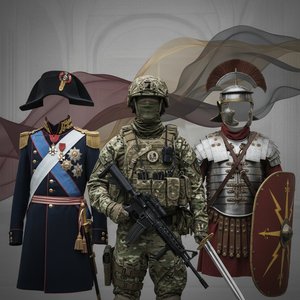
Beyond the Fabric: Decoding Identity, Authority, and Symbolism in the Art of Military Uniforms
Explore the profound symbolism of military uniforms in art history. From Victorian portraits to realistic lithographs, discover how artists capture power, identity, and historical legacy through the intricate details of martial regalia and command.

Simon Vouet: A Baroque Master's Journey from Italian Influence to French Classicism
Explore the life & art of Simon Vouet, a pivotal French Baroque painter who introduced Italian styles to France. Discover his masterpieces and lasting influence on 17th-century art.
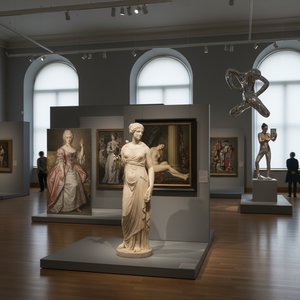
The Allure of the Pose: Representations of 'Model' Through Art History
Explore the fascinating history of the 'art model' through centuries of painting! Discover academic techniques, social contexts & the evolving role of models in art. OriginalUniqueArt offers custom reproductions and expert consultation.
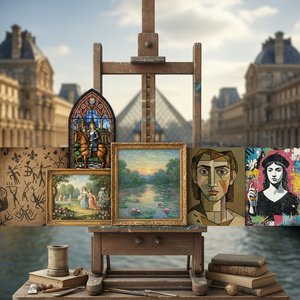
The Enduring Legacy of French Art: Movements, Masters & Cultural Impact
Explore the rich history of French art, from the Salon to Impressionism & beyond. Discover iconic masters, key movements, and expert guidance for collecting timeless masterpieces. OriginalUniqueArt.
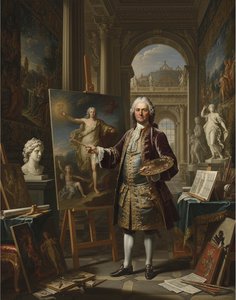
Charles Le Brun: Master of French Baroque Classicism & His Enduring Legacy
Explore the life & art of Charles Le Brun, master of French Baroque Classicism. Discover his royal commissions, influence on Versailles, and enduring legacy through detailed analysis & stunning artworks.