
 Pregledaj u prostoru
 Pošalji
 Podeli
 Detalji o delu

 Преузми
 Slični predmeti
 Rendgenski snimak
 Slajdovi
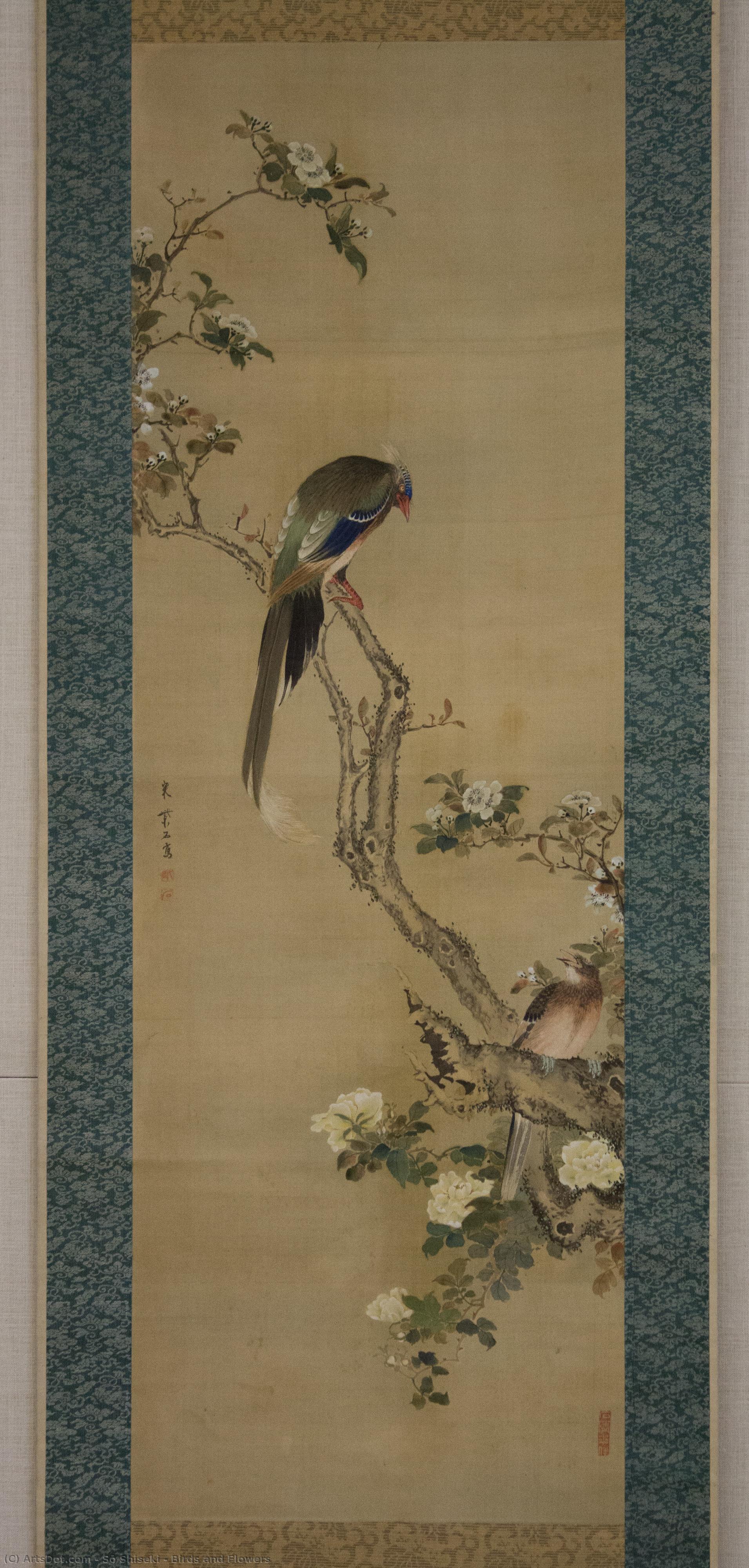
Birds and Flowers
 701
701 104.0cm x 35.0cm
 Pročitaj više
Giclee štampa / Umetnički otisak
Giclée štampa ili print na platnu muzejskog kvaliteta uz brzu proizvodnju i fleksibilne opcije završne obrade. ( Kupi ručno naslikanu sliku Kupi digitalnu sliku)




































Izaberite jednu od naših unapred definisanih veličina koje odgovaraju originalnim proporcijama umetničkog dela.

Možete uneti sopstvene dimenzije kako biste umetničko delo prilagodili specifičnom okviru ili prostoru. Ako odabrani format ne odgovara proporcijama originalne slike, mi ćemo ili iscrtati deo dela ili proširiti sliku pomoću ogledane ivice ili jednobojnog popunjavanja. Digitalni prikaz će vam biti poslat na odobrenje pre početka proizvodnje.
Imajte na umu da pregled na ekranu ne odražava stvarno iscrtavanje ili proširivanje. Samo će prikaz (mockup) precizno pokazati finalnu kompoziciju.
Iako su prilagođene dimenzije dostupne, preporučujemo da odaberete dimenziju sa unapred definisane liste kako biste očuvali originalne proporcije.
Dostava širom sveta () za 2 nedelje umesto uobičajenih 4/5 nedelja. (19 август)

Besplatna ekspresna dostava širom sveta

Visokokvalitetno laneno platno

Kompletno osiguranje transporta

Garancija povraćaja carine i uvoznih dažbina

Garancija vernosti boja

Politika povrata u roku od 60 dana (samo u slučaju nedostataka)

Garancija povrata novca od 100%

Popust pri grupnoj kupovini
 Opcija sa staklom dostupna je samo za dimenzije manje od 110 cm

Birds and Flowers
Giclee štampa / Umetnički otisak
Dimenzije reprodukcije
-


Konačna cena
$ 80
Opis predmeta
Introduction to Japanese Art and Paper
Japanese art covers a wide range of styles and media, including ancient pottery, sculpture, ink painting and calligraphy on silk and paper, ukiyo-e paintings and woodblock prints, ceramics, origami, bonsai, and more recently manga. One of the most important aspects of Japanese art is the use of paper, which has been shaped to create various items such as manila file folders and envelopes (View more).The Ukiyo-e Art Movement and the Nanga School
Ukiyo-e is a genre of Japanese art that flourished from the 17th through 19th centuries. It is renowned for its woodblock prints and paintings depicting various subjects such as female beauties, kabuki actors, sumo wrestlers, historical scenes, folk tales, travel landscapes, flora, fauna, and erotica (View more). The Nanga School, also known as the Southern School of painting, is a Japanese art movement that emerged during the Edo period (1603-1868) and was heavily influenced by Chinese literati painting and calligraphy.Sō Shiseki: A Leading Painter of the Nagasaki School
Sō Shiseki, a leading painter of the Nagasaki school, went to Nagasaki to study with Song Ziyuan, a Chinese artist who taught painting in that port city. Sō also studied with another Chinese painter, Shen Nanpin (Shen Quan, 1682–1758), who established the Nagasaki school, characterized by brightly colored, realistic images of birds and flowers, in the early 1730s. After returning to Edo (modern Tokyo), Sō Shiseki fostered the Nagasaki school there, teaching a blend of Chinese and Western realism; this style, adopted by his many followers, came to define the Nagasaki school (View painting).Birds and Flowers: A Masterpiece of Realism and Beauty
Birds and Flowers is a handmade oil painting reproduction available at OriginalUniqueArt.com. This masterpiece showcases Sō Shiseki's unique style, which combines Chinese and Western realism to create a stunning image of birds and flowers. The bright colors and realistic details make this painting a must-have for any art lover (View painting).Conclusion
Sō Shiseki's Birds and Flowers is a masterpiece of the Nagasaki school, showcasing the artist's unique blend of Chinese and Western realism. This handmade oil painting reproduction is available at OriginalUniqueArt.com, where you can find a wide range of artworks made with Japanese paper (View more). Whether you are an artist, a collector, or simply someone who appreciates the beauty of paper, there is much to discover in the world of Japanese paper art.Biografija umetnika
Song Ziyan (Sō Shigan): Bridging East and West in the Nagasaki School
Born in Tokyo, Japan, in 1715 – though his artistic identity was firmly rooted in China – Song Ziyan, also known as Sō Shigan, stands as a pivotal figure in the evolution of Japanese art during the Edo period. His life’s work represents a fascinating confluence of Chinese and Western influences, ultimately shaping the trajectory of the Nagasaki school and leaving an enduring legacy on Japanese painting. He wasn't simply a painter; he was a teacher, a mentor, and a conduit for artistic exchange between two vastly different cultures.
Ziyan’s early years were spent in Nagasaki, a vital port city that served as Japan’s primary link to the outside world during this era. This strategic location exposed him to European art and ideas, particularly through Jesuit missionaries who brought with them prints and paintings from Europe. This exposure proved crucial, subtly influencing his approach to detail and realism – a departure from traditional Chinese painting styles which often prioritized atmospheric perspective and suggestive brushwork over meticulous representation. He studied under a master painter in Nagasaki, absorbing the fundamentals of technique before embarking on his own distinctive path.
The Art of Bird-and-Flower Painting
Ziyan’s artistic style is most readily recognized through his exquisite bird-and-flower paintings. These works are characterized by an extraordinary level of detail and a remarkable ability to capture the essence of nature. He masterfully combined Chinese techniques with elements borrowed from Western observation, creating a synthesis that was uniquely his own. His approach involved a deliberate layering of brushstrokes: broad, calligraphic strokes for the outlines of branches, trees, and rocks – reminiscent of Chinese landscape painting – juxtaposed with delicate washes of ink and vibrant colors to depict flower petals and leaves. Perhaps most strikingly, he employed incredibly fine brushwork to render the intricate details of feathers and blossoms, achieving a level of realism rarely seen in Japanese art at the time.
This meticulous approach wasn’t merely decorative; it reflected a growing interest in scientific observation and botanical accuracy, mirroring the trends emerging from European manuals and treatises. His paintings are not simply beautiful images; they represent a careful study of nature, meticulously documented through brush and ink. The influence of these botanical studies is evident in his ability to portray even the most minute details with astonishing precision.
Influence and Students
Ziyan’s impact extended far beyond his own creations. He played a crucial role in shaping the Nagasaki school of painting, and more importantly, he mentored Sō Shiseki, a student who would become one of Japan's most celebrated bird-and-flower painters. Shiseki, adopting the name Sō Shigan as an homage to his master, carried forward Ziyan’s techniques and refined them further, establishing himself as a leading figure in the Nagasaki school. His own works, such as “Bird Among Camellias in Snow,” demonstrate a clear lineage from Ziyan's meticulous style.
Beyond his direct students, Ziyan cultivated relationships with prominent scholars of the *rangaku* (Dutch learning) movement – particularly Hiraga Gennai and Sugita Genpaku. These intellectuals were instrumental in introducing Western scientific knowledge to Japan, including observations about botany and natural history. Ziyan’s engagement with these figures suggests a genuine interest in incorporating Western perspectives into his artistic practice, further blurring the boundaries between Chinese and Japanese aesthetics.
Notable Works and Legacy
Several of Ziyan's paintings stand as testaments to his skill and artistry. “Gray Starling on Sacred Bamboo” is one such example – a stunning hand-made oil painting reproduction available at https://OriginalUniqueArt.com, showcasing the meticulous detail and vibrant colors that defined his style. Other notable works include "Bird Among Camellias in Snow," which exemplifies his ability to capture both the beauty of nature and the subtle nuances of light and shadow. His influence can be seen throughout the Nagasaki school, and his paintings continue to be studied and admired for their technical mastery and artistic vision.
Song Ziyan’s legacy is not simply as a painter; he was a bridge between cultures, a pioneer who helped introduce Western artistic principles to Japan while retaining a deep respect for traditional Chinese aesthetics. His work remains a vital part of the Japanese art historical canon, offering a unique and compelling glimpse into a pivotal period of cultural exchange.

song ziyan
1715 - 1786 , Japan
Osnovne informacije
- Artistic Movement Or Style: Bird-flower painting, Nanpin School
- Artists Or Movements Influenced By This Artist: ['Sō Shiseki']
- Artists Who Influenced This Artist: ['Sō Shiseki']
- Date Of Birth: Tokyo, Japan (1715)
- Date Of Death: 1786
- Full Name: Song Ziyan (Sō Shigan)
- Nationality: Chinese
- Notable Artworks:
- Gray Starling on Sacred Bamboo
- Bird among camellias in snow
- Place Of Birth: Tokyo, Japan

