
 Pregledaj u prostoru
 Pošalji
 Podeli
 Detalji o delu

 Преузми
 Slični predmeti
 Rendgenski snimak
 Slajdovi
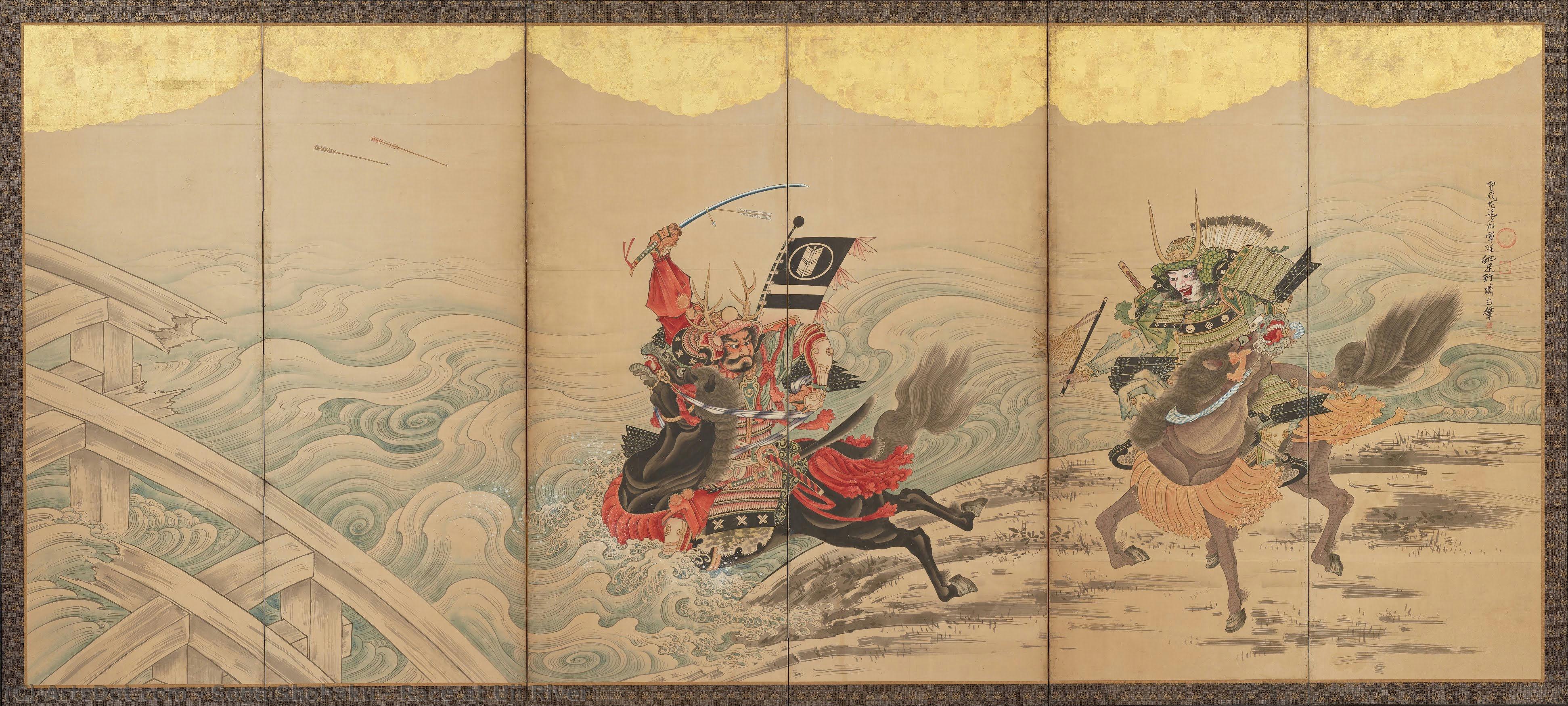
Race at Uji River


 Pročitaj više
Ručno rađena uljana reprodukcija
Ručno oslikano uljanim bojama na platnu u dimenzijama i okviru po vašem izboru, izrađeno po porudžbini od strane naših umetnika. ( Kupi print Kupi digitalnu sliku)




P118B $10

P118H $10

P118W $10

P438Z $10

P508JH $12

P508YH $12

P805H $10

P805Z $10

P919BZ $10

P919G $10

P919XJ $10

P959ZH $10

P968JZ $12

W106C $8

W218G $10

W218JH $8

W218Y $10

W307PJ $10

W316G $10

W316PJ $8

W316Y $10

W398PJ $8

W4111J $10

W500HY $15

W500JH $15

W692G $12

W849H $8

W940BG $15

W953PJ $8




Izaberite jednu od naših unapred definisanih veličina koje odgovaraju originalnim proporcijama umetničkog dela.

Можете унети сопствене димензије како бисте прилагодили дело одређеном оквиру или простору. Ако одабрана величина не одговара пропорцијама оригинала, слика ће бити исечена или проширена додатним елементима који се ручно насликавају. Дигитални prikaz ће вам бити послат на одобрење пре почетка производње.
Имајте на уму да преглед на екрану не одражава стварно исецање или проширење. Само приказ (mockup) ће тачно приказати коначну композицију.
Иако су доступне прилагођене величине, препоручујемо да одаберете димензију из дефинисане листе како бисте сачували оригиналне пропорције.
Nakon narudžbine, tim OriginalUniqueArt.com će klijentu putem e-pošte poslati uputstva i dostaviti prikaz predloženog rešenja
Isporuka širom sveta () za 3/4 nedelje umesto uobičajenih 5 nedelja. (20 август). Bez kompromisa po pitanju kvaliteta.

Besplatna ekspresna dostava širom sveta

Visokokvalitetno laneno platno

Kompletno osiguranje transporta

Garancija povraćaja carine i uvoznih dažbina

Garancija vernosti boja

Politika povrata u roku od 60 dana (samo u slučaju nedostataka)

Garancija povrata novca od 100%

Popust pri grupnoj kupovini
 Opcija sa staklom dostupna je samo za dimenzije manje od 110 cm

Race at Uji River
Tehnika reprodukcije
Dimenzije reprodukcije
-


Konačna cena
$ 300
Opis umetničkog dela
A Masterpiece of Motion and Deception
In the swirling, turbulent currents of the Uji River, a moment of profound historical drama is frozen in time through the eccentric genius of Soga Shōhaku. This rare polychromatic screen serves as a breathtaking window into the 14th-century war epic, The Tale of the Heike, capturing a high-stakes race that is as much about psychological warfare as it is about physical prowess. As the viewer’s eye traverses the churning waters, they are thrust into the heart of a legendary competition between the warriors Kagesue and Takatsuna. The scene is thick with tension; the destruction of the bridge has turned the river into a treacherous obstacle, transforming a simple crossing into a desperate struggle for honor and glory.
The brilliance of Shōhaku lies in his ability to weave narrative complexity into a single, dynamic composition. While the surface of the painting depicts the frantic energy of riders navigating the riverbank, there is a deeper, more sinister layer of storytelling at play. The artist masterfully illustrates the moment of betrayal: Takatsuna, draped in green, employs a cunning trick to unseat his rival, Kagesue. Through subtle shifts in posture and the placement of figures, Shōhaku guides us through this deceptive maneuver, making the viewer an accomplice to the trickery. It is a work that demands close inspection, rewarding those who look past the splashing water to find the quiet, calculating malice beneath the surface.
The Grotesque Beauty of the Eccentric Style
Soga Shōhaku was a true iconoclast of the Edo period, an artist who looked backward to the Muromachi style to forge a path that was entirely his own. This particular work is a pinnacle of his "pictorial grotesquerie," a term used to describe his fascination with the distorted, the exaggerated, and the uncanny. Unlike the polished, serene aesthetics favored by many of his contemporaries, Shōhaku embraced a rugged, almost unsettling energy. This is most strikingly realized in the depiction of Takatsuna’s horse, Ikezumi, whose fangs are rendered with a terrifying, predatory detail that suggests the animal itself is part of the unfolding chaos.
The technique employed in this polychromatic screen is nothing short of extraordinary. The use of color is vibrant yet controlled, providing a rich texture to the horses' coats and the flowing garments of the riders. Shōhaku’s brushwork possesses a rhythmic vitality; one can almost feel the spray of the river and the thundering hooves against the earth. For the collector or interior designer, this piece offers more than just visual beauty; it provides a profound sense of movement and character. The contrast between the pale, mask-like face of Takatsuna and the wild, untamed elements of the landscape creates a psychological depth that makes the artwork feel alive, making it an unforgettable centerpiece for any sophisticated collection.
An Eternal Legacy for the Discerning Collector
Owning a reproduction of such a significant historical work allows one to bring the spirit of Japanese legend into a modern living space. The Race at Uji River is not merely a depiction of a battle; it is an exploration of human nature—the duality of bravery and deceit, the chaos of war, and the triumph of wit. Its presence in a room commands attention, acting as a conversation piece that bridges the gap between 18th-century Japanese artistry and contemporary aesthetic appreciation.
For those seeking to curate an environment filled with narrative depth and historical resonance, this artwork offers unparalleled inspiration. The dramatic interplay of light, color, and motion provides a focal point that can anchor a room, whether paired with minimalist modern decor or more traditional, classical furnishings. To display this piece is to celebrate the enduring power of the "eccentric" spirit—a reminder that true art lies in the courage to defy convention and capture the beautiful, the strange, and the unforgettable.
Biografija umetnika
life and artistic style
soga shōhaku, a japanese painter from the edo period (1730-1781), defied conventions with his unique brush style, reminiscent of the muromachi period, which was already 150 years out of vogue by the time of his birth. this distinctive approach set him apart from his contemporaries.notable works and their significance
* race at uji river (harvard art museums, cambridge, united states): this polychromatic screen, depicting a famous episode from the 14th-century war epic "the tale of the heike," showcases shōhaku's pictorial grotesquerie. it is a rare example of his work in full color. * the immortal li tieguai (128 x 28 cm, paper): this piece illustrates the story of one of the eight chinese immortals, li tieguai, and demonstrates shōhaku's ability to convey complex narratives through his art.artistic influences and legacy
* shōhaku's preference for the muromachi period's brush style reflects an aesthetic that was already passé by the time of his birth. this choice not only distinguishes him from his contemporaries but also highlights his unique artistic vision. * his monstrous depictions of prominent figures were extremely unusual compared to other painters of his time, further solidifying his position as an unconventional artist.explore more at OriginalUniqueArt
- discover soga shōhaku's works in the artist profile on OriginalUniqueArt.
- learn more about japanese art movements, including the bunjinga art movement, which influenced shōhaku's style.
- view other notable artists from the edo period in OriginalUniqueArt's extensive collection, including mori ransai.
conclusion
soga shōhaku's unorthodox approach to japanese painting during the edo period has left an indelible mark on art history. his unique style, characterized by monstrous depictions and a preference for outdated aesthetics, continues to fascinate art lovers today. explore his works and those of other influential artists at OriginalUniqueArt, the virtual museum for art aficionados. references:- soga shōhaku - artist profile, OriginalUniqueArt
- the bunjinga art movement, OriginalUniqueArt
- mori ransai - artist profile, OriginalUniqueArt
- ito jakuchu, known for his unique use of vegetables and plants in his art.
- kano einō, a prominent member of the preeminent kano family workshop.
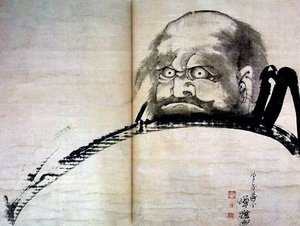
soga shohaku
1730 - 1781 , Japan
Osnovne informacije
- Artistic Movement Or Style: Muromachi Style
- Artists Or Movements Influenced By This Artist: ['Bunjinga']
- Artists Who Influenced This Artist: ['Takada Keiho']
- Date Of Birth: Kyoto, Japan (1730)
- Full Name: Soga Shōhaku
- Nationality: Japanese
- Notable Artworks:
- Race at Uji River
- The Immortal Li Tieguai
- Place Of Birth: Kyoto
Povezani članci

Katsushika Hokusai: 25 Remek-dela Japanskog Umetnika za Vaš Dom | OriginalUniqueArt
Uronite u svet Katsushike Hokusaija! Otkrijte 25 remek-dela japanskog umetnika, uključujući čuveni 'Veliki talas'. Ukiyo-e štampe, pejzaži i istorija iza svakog dela. Pronađite inspiraciju za dekor enterijera i kupite reprodukcije slika vrhunskog kvaliteta na OriginalUniqueArt.com.
The Noble Steed on Canvas: A Historical & Artistic Exploration of Horse Painting Across Cultures
Explore the rich history of horse painting! Discover masterpieces from Stubbs to Munnings & learn about symbolism, techniques & artists. Find museum-quality reproductions at OriginalUniqueArt.

The Equine Muse: A Historical & Artistic Exploration of Horses in Painting
Explore the captivating history of horses in painting! Discover Renaissance masterpieces, Baroque grandeur & expert insights for collecting equestrian art. Learn about symbolism, techniques & lasting value with OriginalUniqueArt.
The Noble Steed: A Historical and Artistic Exploration of Horses in Fine Art
Explore the rich history of horses in fine art! From ancient depictions to Renaissance masterpieces & beyond, discover iconic artworks and artists. Learn about symbolism, techniques, and find museum-quality reproductions at OriginalUniqueArt.
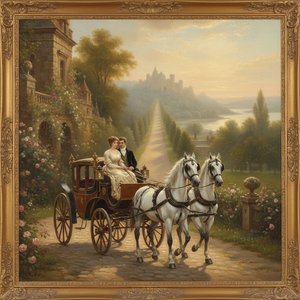
Timeless Elegance: A Visual Journey Through the Romance of Horse Carriage Artworks
Embark on a visual journey through the romantic world of horse carriage art. Discover the mastery of equestrian oil paintings, from Impressionist textures to classical realism, and learn how to bring timeless elegance into your home with museum-quality reproductions.

