

 Pregledaj u prostoru
 Podeli
 Podeli
 Detalji
 Vodič
Vodič

 Preuzmi sliku
 Slični predmeti
 Rendgenski snimak
 Automatska prezentacija
 Statistika
Thomas Hamilton (1784–1858), RSA
 Oil On Canvas
- WallArt
- 19th-century British Portraiture
 76.0 x 63.0 cm
 Royal Scottish Academy of Art - Architecture
 Pročitaj više
Kupite digitalnu sliku visoke rezolucije i poboljšanog kvaliteta, koja je znatno superiornija od onoga što vidite u online prikazu.
Svaka datoteka je pedantno pripremljena od strane naših stručnjaka koristeći napredne alate i profesionalnu ručnu retušu. Osiguravamo da svaka slika ima izuzetnu oštrinu, preciznu reprodukciju boja i fine detalje.
Konačna datoteka se dostavlja putem e-pošte u roku od 72 sata, optimizovana za neposrednu upotrebu u profesionalnim, izdavačkim i štamparskim okruženjima. To je isti kvalitet kojem veruju vrhunski studiji dizajna, izdavači i galerije.
Digitalna slika
Preuzmite datoteku visoke rezolucije za ličnu upotrebu, štampanje i kreativne projekte. ( Pređi na prodaju štampanih primeraka Naručite ručno oslikano reprodukciju)
Uključeno uz svaku porudžbinu digitalne slike
Ekspertska digitalna isporuka, zagarantovana
Kada odaberete OriginalUniqueArt.com, ne dobijate samo sliku – vi primate profesionalno unapređeno digitalno umetničko delo, izrađeno sa najvećom preciznošću i uz garanciju zadovoljstva. Evo svega što automatski dolazi uz vašu porudžbinu:

Brza dostava putem e-pošte
Vaša digitalna slika visoke rezolucije biće vam poslata putem e-pošte u roku od 72 sata od poručivanja – spremna za trenutnu upotrebu.

Digitalna datoteka unapređena veštačkom inteligencijom
Vaše umetničko delo je profesionalno optimizovano primenom naprednih AI alata i ručne obrade, čime se osiguravaju maksimalni detalji, oštrina i preciznost boja.

Besplatna doživotna ponovna isporuka
Slučajno ste obrisali ili izgubili svoju datoteku? Ne brinite – poslaćemo vam je ponovo u bilo kom trenutku, potpuno besplatno.

Bez troškova uvoza – zauvek
Uživajte u svojim umetničkim delima trenutno, bez carine, akciza ili troškova dostave – digitalni download je uvek bez poreza.

Garancija preciznosti boja
Uz pomoć profesionalnih alata i upravljanja bojama, osiguravamo da vaša digitalna slika što vernije odražava originalne boje.

Garancija zadovoljstva u roku od 100 dana
Ako niste zadovoljni svojom digitalnom slikom, izvršićemo reviziju ili ćemo vam vratiti 100% novca u roku od 100 dana – bez ikakvih pitanja.

100% garancija povrata novca
Niste zadovoljni? Dobijte puni povraćaj novca u roku od 100 dana od prijema digitalne datoteke – bez suvišnih pitanja.

Popusti na velike porudžbine
Kupite 3 slike, uštedite 10% - Kupite 5 slika, uštedite 15% - Kupite 10+ slika, uštedite 20%. Odlično za kreativne projekte, galerije i agencije.
Thomas Hamilton (1784–1858), RSA – A Portrait of Dignified Authority
Sir William Nicholson’s “Thomas Hamilton (1784–1858), RSA” is more than a mere likeness; it's a carefully constructed tableau of 19th-century British identity, imbued with the quiet strength and measured intellect of its subject. Painted in 1863, this three-quarter portrait captures Thomas Hamilton, a prominent figure in Scottish society – a judge, advocate, and respected member of the Royal Society of Edinburgh – presenting an image of established authority and understated elegance. Nicholson’s masterful handling of light, shadow, and texture elevates the painting beyond a simple representation, transforming it into a compelling study of character and social standing.
The composition immediately draws the eye to Hamilton's face, rendered with remarkable sensitivity. Nicholson skillfully employs subtle gradations of tone – from the warm flesh tones of his neck and hands to the darker hues of his hair and clothing – creating a sense of depth and volume that breathes life into the portrait. The arrangement is deliberately formal, echoing the conventions of official portraits of the era, yet infused with a touch of intimacy through the direct gaze exchanged with the viewer. The slightly off-center positioning subtly directs attention to Hamilton’s face while simultaneously providing context for his social role.
A Palette of Restraint and Distinction
Nicholson's color palette is deliberately restrained, dominated by deep browns, grays, and blacks – a hallmark of the mid-19th century British artistic tradition. These somber tones are expertly contrasted with the warmer hues of Hamilton’s skin and clothing, creating a visual harmony that speaks to both his status and his inherent dignity. The crisp white collar provides a striking focal point, acting as a beacon against the darker background and emphasizing the formality of the occasion. The careful layering of paint—evident in the smooth transitions between tones—demonstrates Nicholson’s refined technique and commitment to realism.
The use of lines is equally deliberate. Sharp outlines define Hamilton's features, clothing, and hair, lending a sense of structure and clarity to the composition. However, these lines are softened through subtle blending and shading, preventing the portrait from feeling overly rigid or artificial. The waistcoat’s structured form contrasts with the softer curves of his face and neck, creating an interesting interplay between order and organic form.
Historical Context and Artistic Influences
“Thomas Hamilton (1784–1858), RSA” is firmly rooted in the artistic conventions of Victorian Britain. Nicholson’s work reflects a broader trend towards realism and psychological depth, moving away from the idealized representations of earlier eras. The portrait draws inspiration from the works of Sir Joshua Reynolds, whose emphasis on capturing likeness and conveying character profoundly influenced Nicholson's approach. Furthermore, the painting aligns with the Royal Scottish Academy’s commitment to portraying prominent figures in Scottish society – a tradition that celebrated both individual achievement and national identity.
Interestingly, this portrait emerged during a period of significant social and political change in Britain. The Industrial Revolution was transforming the country's economy and society, leading to new forms of wealth and power. Hamilton’s position as a judge and advocate reflects the growing importance of law and order in this rapidly changing world. The painting can be interpreted as a visual testament to the enduring values of tradition, integrity, and social responsibility.
Symbolism and Emotional Resonance
While outwardly formal, “Thomas Hamilton (1784–1858), RSA” subtly conveys a sense of quiet confidence and intellectual depth. Hamilton’s composed expression – his direct gaze and slightly raised eyebrows – suggests both intelligence and authority. The portrait speaks to the dignity of his position and the weight of responsibility he carried as a judge and advocate. The painting's subdued palette and carefully controlled composition contribute to its overall sense of gravitas, inviting viewers to contemplate the complexities of Hamilton’s character and the broader social context in which he lived.
Ultimately, Nicholson’s portrait is not merely a depiction of a man; it’s an exploration of identity, status, and the enduring values of Victorian Britain. A high-quality reproduction captures this essence beautifully, offering a timeless glimpse into a pivotal moment in Scottish history and artistic achievement.
Biografija umetnika
Rani Život i Umetnički Početci
Sir Vilijam Nuzam Prajor Nikolson, rođen u Newark-on-Trentu 1872. godine, израстао је у средини која је спојила индустријску практичност са естетичком осетљивошћу. Његов отац, успешан инжењер и конзервативни посланик, усадио му је осећај дисциплине, док га је мајчина породица повезивала са традицијама Оксфордшира. Од раног узраста, Николсон је показивао дар за уметност, негујван часовима код Вилијама Каблија, локалног сликара који је и сам трагао за својим коренима у раду Сира Џошуе Рејнолдса. Ово рани контакт поставио је темеље каријери која ће обухватити различите медијуме и стилове. Кратка стажирања у уметничкој школи Хуберта фон Херкомера била су пресудна, не само за усавршавање његових вештина, већ и за упознавање са Мејбел Прајд, која ће постати његова супруга и незаменљива сарадница. Управо кроз Мејбел је Николсон упознао њеног брата, Џејмса Прајда, партнерство које ће ускоро револуционисати свет графичког дизајна.Бегерстафси и Револуција у Постерском Уметништву
Сарадња Вилијама Николсона и Џејмса Прајда, позната као “J. & W. Beggarstaff,” обележила је преломну тачку у британској визуелној култури. Оdbacujući преовладећу орнаментну естетику викторијанских постера, прихватили су смелу једноставност карактерисану изражајним силуетама, равним површинама боје и намерним одбацивањем традитивне перспективе. Њихови дизајни нису били само рекламе; они су били изјаве – моћни, графички композиције које су заробљивале машту јавности. Постери за продукције као што је “Дон Кихот” и публикације попут “Harper’s Magazine” постали су одмах препознатљиви, утичући на генерацију уметника и дизајнера. Ово раздобље није било само о комерцијалној уметности; радило се о редефинисању визуелне комуникације саме по себи. Рад Бегерстафса изазвао је конвенције, отварајући пут модерном графичком дизајну и успоставивши Николсонову репутацију као иноватора. Њихов утицај одјекује далеко ван оквира постера, утичући на илустрацију, па чак и сликање са његовим акцентом на јакој форми и намерној композицији.Од Дрвореза до Портрета: Развој Стилова
Након распада партнерства Бегерстафс, Николсон је кренуо у период стилске екстраваганције. Упутио се ка дрворезу и дрвеногравури, техникама које су му омогућиле да додатно прочисти своју мајсторску вештину линије и форме. Подстакнут угледним Џејмсом Макнил Вислером, прихватио је ове методе, производећи сложене и евокативне штампе које су демонстрирале његову растућу уметничку зрелост. Ова дела показала су изванредну способност да захвате суштину уз минималне детаље – квалитет који ће постати обележје његовог стила. Истовремено, Николсон је започео да се етаблира као портретиста, добијајући поруџбине од истакнутих личности те епохе. Његови портрети нису били само ликови; они су били проницљиве студије карактера, откривајући унутрашње животе својих субјеката кроз суптилне нијансе израза и позе. Радови попут *Госпођа у крзну, Госпођа П.* оличавају ову вештину, заробљавајући не само физички изглед, већ и осећај личности и друштвеног статуса.Природа мртве природе, Пејзажи и Трајан Заоставштина
У каснијим фазама своје каријере, Николсон се све више фокусирао на сликарство природе мртве природе и пејзажа. Његове природа мртве природе, као што је *Посуда из Лоустофта*, слављење су изузетне пажње посвећене детаљима, хармоничних палета боја и тихег осећаја интимности. Унео је обичне предмете у поетичан квалитет, уздижући их изван саме репрезентације да би постали симболи лепоте и контемплације. Његови пејзажи, често приказујући сцене са његових путовања у Шпанију и Италију, откривају осетљивост на светлост и атмосферу, заробљавајући суштину места уз изузетну вештину. Током свог живота, Николсон је остао свестрани уметник, стално експериментишући са новим техникама и приступима. Аутор је дечјих књига, дизајнирао за позориште и наставио да производи штампе уз своја сликања. Утицај Сира Вилијама Николсона протеже се ван његовог пролифичног рада; инспирисао је генерације уметника посвећеношћу занатству, иноваторским духом и способношћу да пронађе лепоту у обичном. Његов рад остаје сведочанство моћи уметности да осветли људско искуство и трансформише нашу перцепцију света око нас. *Преминуо је 1949.* године, остављајући за собом богато уметничко наслеђе које наставља да одушевљава и инспирише данас.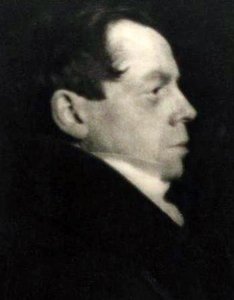
Vilijam Nikolson
1872 - 1949 , Ujedinjeno Kraljevstvo
Osnovne informacije
- Artistic Movement Or Style: Stil života, portret
- Artists Or Movements Influenced By This Artist: Moderni grafički dizajn
- Artists Who Influenced This Artist:
- James Pryde
- Whistler
- Date Of Birth: 5. februar 1872.
- Date Of Death: 16. maj 1949.
- Full Name: Sir William Newzam Prior Nicholson
- Nationality: Britanski
- Notable Artworks:
- Gospođa u krznu
- Posuda iz Lowestofta
- Plaza de toros, Malaga
- Place Of Birth (City And Country): Newark, Ujedinjeno Kraljevstvo