

 Pregledaj u prostoru
 Podeli
 Podeli
 Detalji
 Vodič
Vodič

 Preuzmi sliku
 Slični predmeti
 Rendgenski snimak
 Automatska prezentacija
 Statistika
The Hundred Jugs
 Acrylic On Canvas
- WallArt
 1916
1916- 19th Century
 123.0 x 154.0 cm
 Walker Art Gallery
 Pročitaj više
Giclee štampa / Umetnički otisak
Giclée štampa ili print na platnu muzejskog kvaliteta uz brzu izradu i raznovrsne opcije završne obrade. ( Naručite ručno oslikano reprodukciju Pređi na prodaju digitalnih slika)




P118B дин10

P118H дин10

P118W дин10

P438Z дин10

P508JH дин12

P508YH дин12

P805H дин10

P805Z дин10

P919BZ дин10

P919G дин10

P919XJ дин10

P959ZH дин10

P968JZ дин12

W106C дин8

W218G дин10

W218JH дин8

W218Y дин10

W307PJ дин10

W316G дин10

W316PJ дин8

W316Y дин10

W398PJ дин8

W4111J дин10

W500HY дин15

W500JH дин15

W692G дин12

W849H дин8

W940BG дин15

W953PJ дин8




Izaberite jednu od naših unapred definisanih veličina koje odgovaraju originalnim proporcijama umetničkog dela.

Unesite širinu i visinu koja vam je potrebna, kako bi se uklopili u vaš ram ili na vaš zid. Štampa se može samo iseći, nikada ne može biti veća od originalne slike, stoga format sa drugačijim proporcijama gubi deo slike. Poslaćemo vam digitalni prikaz radi potvrde pre nego što započnemo štampu. Slika prikazana na ovoj stranici ne pokazuje stvarni rez — to pokazuje samo digitalni prikaz.
Dostava širom sveta () za 2 nedelje umesto uobičajenih 4/5 nedelja. (26 октобар)

Besplatna ekspresna dostava širom sveta

Visokokvalitetno laneno platno

Sveobuhvatno osiguranje transporta

Garancija povraćaja carine i uvoznih dažbina

Garancija vernosti boja i autentičnosti pri reprodukciji

Politika povraćaja u roku od 100 dana (samo u slučaju nedostataka)

Garancija povrata 100% novca

Popust pri većoj količini
 Opcija sa staklom dostupna je samo za dimenzije manje od 110 cm

The Hundred Jugs
Giclee štampa / Umetnički otisak
Veličina reprodukcije
-


Ukupna cena
дин 8249
A Symphony of Ceramics: William Nicholson’s “The Hundred Jugs”
William Nicholson's "The Hundred Jugs," painted in 1916 during the tumultuous years of World War I, is far more than a simple arrangement of pottery. It’s a carefully constructed tableau brimming with quiet observation, subtle tension, and a poignant exploration of domesticity amidst the backdrop of national upheaval. The painting, now residing in the Walker Art Gallery in Liverpool, immediately draws the eye into a densely packed room – not a grand hall, but rather a humble space, hinting at a comfortable, if slightly cluttered, existence. Nicholson masterfully employs a muted palette of browns, ochres, and greys, creating an atmosphere of subdued warmth that contrasts subtly with the inherent chaos of the scene.
The sheer volume of jugs is immediately arresting – a seemingly endless collection of earthenware, stoneware, china, and glass vessels in varying sizes and shapes. They aren’t arranged with any discernible order; instead, they tumble over each other, creating a sense of overflowing abundance. This isn't the idealized still life of earlier periods, where objects were meticulously posed for aesthetic perfection. Here, Nicholson embraces a more spontaneous approach, capturing the everyday reality of a household filled with possessions – a reflection of the era’s burgeoning interest in the ordinary and the vernacular.
The Beggarstaff Legacy and Artistic Innovation
To fully appreciate “The Hundred Jugs,” it's crucial to understand Nicholson’s artistic background. He was a key figure in the Beggarstaff partnership, alongside his brother-in-law James Pryde, renowned for their groundbreaking poster designs and illustrations. The Beggarstaff style – characterized by its bold lines, dynamic compositions, and often satirical or humorous subject matter – represented a significant departure from traditional illustration. Nicholson’s influence on this movement is evident in the painting's energetic arrangement and slightly off-kilter perspective.
However, “The Hundred Jugs” transcends the Beggarstaff aesthetic. While retaining some of their dynamism, it demonstrates a deeper engagement with color and texture. Nicholson’s use of tone—the subtle variations in hue and value—is particularly noteworthy. He eschews bright colors in favor of muted tones that create a sense of depth and atmosphere. This tonal approach, as he himself described, is “quality in common between colours,” prioritizing the overall harmony of the composition over precise representation.
Symbolism and Emotional Resonance
The painting’s symbolism is layered and open to interpretation. The abundance of jugs can be seen as a metaphor for domesticity, prosperity, or even the anxieties associated with wartime shortages. The cat perched atop a stack of jugs, greedily lapping up milk from a spilled vessel, adds a touch of playful irony – a moment of levity amidst a period of profound uncertainty. This small detail hints at the human desire for comfort and pleasure in the face of adversity.
Furthermore, the painting’s creation during World War I imbues it with a poignant emotional resonance. Nicholson's son, Ben, later recalled that his father’s still-life paintings stemmed from “a very simple, direct painterly approach,” rooted in the beauty of everyday objects like these jugs – a grounding force amidst the horrors of war. The painting serves as a testament to the enduring power of art to capture and convey human experience, even in times of great upheaval.
A Timeless Masterpiece for Collectors and Designers
"The Hundred Jugs" remains a captivating work of art, offering a glimpse into the domestic life of early 20th-century Britain. Its masterful composition, evocative use of color, and subtle symbolism make it a timeless masterpiece. Reproductions of this painting are highly sought after by collectors and interior designers alike, who appreciate its ability to add warmth, character, and a touch of understated elegance to any space. It’s a piece that invites contemplation, sparking conversations about art, life, and the enduring beauty found in the ordinary.
Pitanja i odgovori
Koja upotreba i prostor se preporučuju za „The Hundred Jugs”, Vilijam Nikolson?
„The Hundred Jugs“ je predloženo za Statement, a preporučeni prostor je Living Room.
Da li je Vilijam Nikolson, autor dela "The Hundred Jugs", poznat/a i pod drugim imenima?
Vilijam Nikolson je poznat/a i pod imenom William Nicholson, W. Nicholson, Sir Vilijam Nuzam Prajor Nikolson.
Koja su tehnika i dimenzije dela „The Hundred Jugs”, Vilijam Nikolson?
Delo "The Hundred Jugs" je izrađeno u tehnici Acrylic On Canvas i u svom izvornom obliku ima dimenzije 123 x 154 cm.
Biografija umetnika
Rani Život i Umetnički Početci
Sir Vilijam Nuzam Prajor Nikolson, rođen u Newark-on-Trentu 1872. godine, израстао је у средини која је спојила индустријску практичност са естетичком осетљивошћу. Његов отац, успешан инжењер и конзервативни посланик, усадио му је осећај дисциплине, док га је мајчина породица повезивала са традицијама Оксфордшира. Од раног узраста, Николсон је показивао дар за уметност, негујван часовима код Вилијама Каблија, локалног сликара који је и сам трагао за својим коренима у раду Сира Џошуе Рејнолдса. Ово рани контакт поставио је темеље каријери која ће обухватити различите медијуме и стилове. Кратка стажирања у уметничкој школи Хуберта фон Херкомера била су пресудна, не само за усавршавање његових вештина, већ и за упознавање са Мејбел Прајд, која ће постати његова супруга и незаменљива сарадница. Управо кроз Мејбел је Николсон упознао њеног брата, Џејмса Прајда, партнерство које ће ускоро револуционисати свет графичког дизајна.Бегерстафси и Револуција у Постерском Уметништву
Сарадња Вилијама Николсона и Џејмса Прајда, позната као “J. & W. Beggarstaff,” обележила је преломну тачку у британској визуелној култури. Оdbacujući преовладећу орнаментну естетику викторијанских постера, прихватили су смелу једноставност карактерисану изражајним силуетама, равним површинама боје и намерним одбацивањем традитивне перспективе. Њихови дизајни нису били само рекламе; они су били изјаве – моћни, графички композиције које су заробљивале машту јавности. Постери за продукције као што је “Дон Кихот” и публикације попут “Harper’s Magazine” постали су одмах препознатљиви, утичући на генерацију уметника и дизајнера. Ово раздобље није било само о комерцијалној уметности; радило се о редефинисању визуелне комуникације саме по себи. Рад Бегерстафса изазвао је конвенције, отварајући пут модерном графичком дизајну и успоставивши Николсонову репутацију као иноватора. Њихов утицај одјекује далеко ван оквира постера, утичући на илустрацију, па чак и сликање са његовим акцентом на јакој форми и намерној композицији.Од Дрвореза до Портрета: Развој Стилова
Након распада партнерства Бегерстафс, Николсон је кренуо у период стилске екстраваганције. Упутио се ка дрворезу и дрвеногравури, техникама које су му омогућиле да додатно прочисти своју мајсторску вештину линије и форме. Подстакнут угледним Џејмсом Макнил Вислером, прихватио је ове методе, производећи сложене и евокативне штампе које су демонстрирале његову растућу уметничку зрелост. Ова дела показала су изванредну способност да захвате суштину уз минималне детаље – квалитет који ће постати обележје његовог стила. Истовремено, Николсон је започео да се етаблира као портретиста, добијајући поруџбине од истакнутих личности те епохе. Његови портрети нису били само ликови; они су били проницљиве студије карактера, откривајући унутрашње животе својих субјеката кроз суптилне нијансе израза и позе. Радови попут *Госпођа у крзну, Госпођа П.* оличавају ову вештину, заробљавајући не само физички изглед, већ и осећај личности и друштвеног статуса.Природа мртве природе, Пејзажи и Трајан Заоставштина
У каснијим фазама своје каријере, Николсон се све више фокусирао на сликарство природе мртве природе и пејзажа. Његове природа мртве природе, као што је *Посуда из Лоустофта*, слављење су изузетне пажње посвећене детаљима, хармоничних палета боја и тихег осећаја интимности. Унео је обичне предмете у поетичан квалитет, уздижући их изван саме репрезентације да би постали симболи лепоте и контемплације. Његови пејзажи, често приказујући сцене са његових путовања у Шпанију и Италију, откривају осетљивост на светлост и атмосферу, заробљавајући суштину места уз изузетну вештину. Током свог живота, Николсон је остао свестрани уметник, стално експериментишући са новим техникама и приступима. Аутор је дечјих књига, дизајнирао за позориште и наставио да производи штампе уз своја сликања. Утицај Сира Вилијама Николсона протеже се ван његовог пролифичног рада; инспирисао је генерације уметника посвећеношћу занатству, иноваторским духом и способношћу да пронађе лепоту у обичном. Његов рад остаје сведочанство моћи уметности да осветли људско искуство и трансформише нашу перцепцију света око нас. *Преминуо је 1949.* године, остављајући за собом богато уметничко наслеђе које наставља да одушевљава и инспирише данас.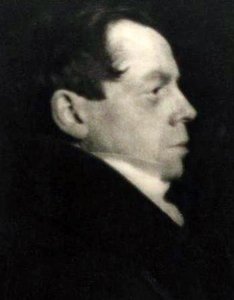
Vilijam Nikolson
1872 - 1949 , Ujedinjeno Kraljevstvo
Brzi pregled
- Artistic Movement Or Style: Stil života, portret
- Artists Or Movements Influenced By This Artist: Moderni grafički dizajn
- Artists Who Influenced This Artist:
- James Pryde
- Whistler
- Date Of Birth: 5. februar 1872.
- Date Of Death: 16. maj 1949.
- Full Name: Sir William Newzam Prior Nicholson
- Nationality: Britanski
- Notable Artworks:
- Gospođa u krznu
- Posuda iz Lowestofta
- Plaza de toros, Malaga
- Place Of Birth (City And Country): Newark, Ujedinjeno Kraljevstvo
Srodni članci
William Michael Harnett: Still Life, Realism & the American Pursuit of Materiality
Explore the captivating still lifes of William Michael Harnett, a master of American realism and trompe l'oeil painting. Discover his technique, legacy & the cultural context behind his iconic works.

Silent Narratives: Exploring the Enduring Appeal of Still Life Painting Across Centuries
Explore the rich history of still life painting with OriginalUniqueArt. Discover Dutch Masters, decode vanitas symbolism & learn about collecting timeless art. Expert insights and museum-quality reproductions.
Clyfford Still's Abstract Expressionism: A Study of Color, Form & the Existential Landscape
Explore the profound world of Clyfford Still's Abstract Expressionism with OriginalUniqueArt. Discover his unique style, existential themes & investment potential. Expert analysis for discerning collectors.
Sir William Nicholson: A Study in Post-Impressionist Portraiture & Decorative Modernism
Explore the life & work of Sir William Nicholson, a pivotal British Post-Impressionist painter. Discover his striking portraits, innovative woodcuts, and lasting influence on early 20th-century art. Expert insights for collectors.
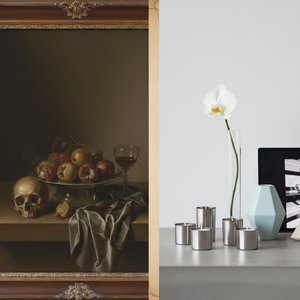
The Enduring Appeal of Still Life: A Historical & Contemporary Exploration
Explore the rich history & symbolism of still life painting with OriginalUniqueArt. Discover masterpieces from the Dutch Golden Age, learn about vanitas art, and find expert guidance for collecting timeless artworks.
