
 Pregledaj u prostoru
 Pošalji
 Podeli
 Detalji o delu
 Vodič
Vodič

 Preuzmi
 Slični predmeti
 Rendgenski snimak
 Automatska prezentacija
 Q&A
Q&A Statistika
Head of a Boy

- 43.0 x 33.0 cm


 Pročitaj više
Giclee štampa / Umetnički otisak
Giclée štampa ili print na platnu muzejskog kvaliteta uz brzu izradu i raznovrsne opcije završne obrade. ( Kupite ručno oslikano delo Pređi na digitalnu sliku)




P118B дин10

P118H дин10

P118W дин10

P438Z дин10

P508JH дин12

P508YH дин12

P805H дин10

P805Z дин10

P919BZ дин10

P919G дин10

P919XJ дин10

P959ZH дин10

P968JZ дин12

W106C дин8

W218G дин10

W218JH дин8

W218Y дин10

W307PJ дин10

W316G дин10

W316PJ дин8

W316Y дин10

W398PJ дин8

W4111J дин10

W500HY дин15

W500JH дин15

W692G дин12

W849H дин8

W940BG дин15

W953PJ дин8




Izaberite jednu od naših unapred definisanih veličina koje odgovaraju originalnim proporcijama umetničkog dela.

Unesite željenu širinu i visinu kako bi se štampa uklopila u vaš ram ili zid. Štampu je moguće samo iseći, ali nikada povećati iznad dimenzija originalne slike, stoga format sa drugačijim proporcijama uzrokuje gubitak dela slike. Pre početka štampe, poslaćemo vam digitalni prikaz radi potvrde. Slika prikazana na ovoj stranici ne predstavlja stvarni isrez — to pokazuje samo digitalni prikaz.
Dostava širom sveta () za 2 nedelje umesto uobičajenih 4/5 nedelja. (1 новембар)

Besplatna ekspresna dostava širom sveta

Visokokvalitetno laneno platno

Potpuno osiguranje transporta

Garancija povraćaja carine i uvoznih dažbina

Garancija vernosti boja

Politika povraćaja u roku od 100 dana (samo u slučaju nedostataka)

Garancija povrata 100% novca

Popust na više proizvoda
 Opcija sa staklom dostupna je samo za dimenzije manje od 110 cm

Head of a Boy
Giclee štampa / Umetnički otisak
Dimenzije reprodukcije
-


Ukupna cena
дин 8334
A Portrait of Innocence: Sir Thomas Lawrence’s “Head of a Boy”
Sir Thomas Lawrence's "Head of a Boy," a captivating oil painting rendered in the delicate brushstrokes characteristic of the Regency era, is more than just a portrait; it’s a poignant meditation on youth, contemplation, and the subtle beauty of fleeting moments. Completed around 1820, this intimate piece offers a glimpse into the world of aristocratic England, capturing not merely a likeness but an essence – a quiet serenity that speaks volumes despite its restrained composition.
The subject himself is a young boy, his features rendered with remarkable sensitivity and detail. Dark, tightly curled hair frames a face flushed with youthful vitality, punctuated by rosy cheeks that hint at both innocence and a nascent awareness of the world around him. Lawrence’s masterful use of light – soft, diffused, and almost ethereal – washes over the boy's countenance, highlighting his features without overwhelming them. The lighting creates a gentle glow, suggesting an inner peace and a contemplative mood. The background, hazy and atmospheric, is deliberately indistinct, drawing all attention to the central figure and reinforcing the sense of intimacy.
A Window into Regency Portraiture
Sir Thomas Lawrence was arguably the most prominent portrait painter of his time, becoming President of the Royal Academy in 1820 – a testament to his influence and artistic skill. His style during this period is often described as Romantic Realism; he skillfully blended meticulous observation with an emotional depth that resonated deeply with his patrons. Unlike earlier, more formal portraits, Lawrence’s subjects were frequently depicted in relaxed poses, engaging in everyday activities or lost in thought. This shift reflected the changing social landscape of Regency England, where a greater emphasis was placed on individual expression and personal connection.
Lawrence's work was deeply intertwined with the political and cultural currents of his era. He served as court painter to George IV, capturing the grandeur and extravagance of the royal court while also subtly reflecting the social anxieties and aspirations of the time. His portraits were not merely representations of individuals; they were carefully constructed narratives that conveyed status, wealth, and social standing – all within a framework of refined elegance.
The Language of Impasto
Examining the painting’s technique reveals a fascinating interplay of observation and artistic license. Lawrence employs a rich impasto technique, layering paint thickly to create a textured surface that is both visually arresting and remarkably tactile. Notice particularly the rendering of the hair – each strand meticulously defined with short, deliberate brushstrokes that capture its unruly texture. Similarly, the skin tones are built up in layers of color, creating a sense of depth and luminosity. This technique not only adds visual interest but also contributes to the painting’s overall emotional impact, conveying a feeling of warmth and vitality.
The loose, expressive lines that define the boy's features further enhance the painting’s Romantic sensibility. Lawrence eschews rigid formality in favor of a more fluid, intuitive approach, allowing his brushstrokes to guide the composition and imbue it with a sense of spontaneity. This deliberate looseness contrasts beautifully with the meticulous detail evident in the rendering of the hair and facial features, creating a dynamic tension that is both captivating and profoundly moving.
Symbolism and Emotional Resonance
While seemingly simple on the surface, “Head of a Boy” is rich in symbolic meaning. The boy’s contemplative gaze invites us to contemplate his inner world – his hopes, dreams, and perhaps even anxieties. His quiet stillness suggests a sense of introspection and self-awareness, qualities that were increasingly valued during the Romantic era. The hazy background serves as a metaphor for the unknown future, hinting at the challenges and uncertainties that lie ahead.
Ultimately, “Head of a Boy” is a timeless portrait – a testament to Lawrence’s artistic skill and his ability to capture the essence of human experience. It's a piece that invites viewers to pause, reflect, and connect with the quiet beauty of youth and the enduring power of contemplation.
Pitanja i odgovori
Mogu li da pregledam „Head of a Boy”, autor Ser Tomas Lorens pre naručivanja?
Da biste pregledali reprodukciju dela „Head of a Boy”, autor Ser Tomas Lorens, otvorite stranicu Pregled u prostoru za to umetničko delo.
U kojoj fazi stvaralaštva umetnika Ser Tomas Lorens se nalazi delo "Head of a Boy"?
U okviru karijere umetnika Ser Tomas Lorens, delo "Head of a Boy" pripada periodu Mature Period, što omogućava poređenje sa drugim radovima ovog autora.
Da li je „Head of a Boy”, autor Ser Tomas Lorens slika, crtež ili grafika?
U katalogu je delo „Head of a Boy”, autor Ser Tomas Lorens klasifikovano kao WallArt. Ova kategorija pomaže u pronalaženju sličnih radova.
Biografija umetnika
Почетак Пута: Бристол, Бат и Рани Таленти
Рођен у прометном лучком граду Бристолу 1769. године, сер Томас Лоренс се појавио као надарени таленат, чудо дете чији су уметнички дарови цветали невероватном брзином. Ране године обележило је номадско постојање, пратећи авантуре његовог оца, власника гостионе, кроз Девизес и коначно Бат. У друштвеној атмосфери тих гостионица млади Лоренс је први пут очарао публику, не само рецитујући поезију већ и скицирајући изузетно прецизне портрете – вештина стечена без формалне обуке, подстакнута урођеном способношћу и оштрим посматрањем. Чак и тада је било јасно да није реч о обичној младости; издржавао је породицу својим пастелним портретима док је још био у Бату, демонстрирајући предузетнички дух поред свог уметничког талента. Тадашња самосталност је неговала самопоуздање које ће карактерисати целу његову каријеру, чак и док се кретао кроз сложени свет аристократског покровитељства.Успон у Свет Портрета
Прелазак у Лондон са непуних осамнаест година означио је прави успон Лоренса. Брзо се усталио као портретиста уљаним бојама, обезбедивши своју прву краљевску наруџбину – портрет краљице Шарлоте 1789. године – и тако се пробио у срце лондонског друштва. Није било реч само о техничкој вештини; Лоренс је поседовао необичну способност да зароби не само лик, већ и *карактер*, уграђујући своје субjekte у прилагодљиво и проницљиво присуство. Постао је мајстор у заробљавању гламура и софистицираности регенси ере, сликајући племиће, краљевску породицу и познате личности са виртуозном обрадом боје која је подсећала на сера Џошуа Рејнолдса, кога је веома ценио. Лоренсов избор за повезаног, а затим пуноправног члана Краљевске академије 1791. и 1794. године учврстио је његов положај у утврђеном уметничком свету. Наследио је Рејнолдса као краљевог сликара 1792. године, улога која је даље потврдила његов статус и пружила приступ највишим ешелонима власти. Његов стил, иако суптилно развијан током времена, остао је доследно елегантан и рафиниран, дајући приоритет грациозним позама, богатим бојама и прецизном пажњом на детаље.Покровитељство, Престиж и Вотелоова сала
Покровитељство принца регента (касније краља Џорџа IV) се показало кључним у Лоренсовој каријери. Тај однос је довео до једног од његових најамбициозних подустава: наруџбине за портрете савезничких лидера за Вотелоову салу у Виндзорском дворцу. Ова монументална дела, намењена обележавању пораза Наполеона, показала су не само Лоренсову техничку вештину, већ и његову способност да се носи са композицијама великих размера и зароби тежину међународних личности. Пројекат му је донео широк углед и додатно унапредио његов углед широм Европе. 1815. године, витезован је, што је сведочило о његовим уметничким достигнућима и служби круни. Касније је постао председник Краљевске академије 1820. године, позицију коју је држао до своје смрти. Његов ангажман се протезао даље од сликања; Лоренс је одиграо кључну улогу у оснивању Националне галерије и обезбеђивању Марблса из Елгина за Велику Британију, демонстрирајући посвећеност очувању и промоцији британске уметности и културе.Наслеђе Ублажено Комплексношћу
Упркос успеху, Лоренсов живот није био без компликација. Током већег дела каријере мучио се са финансијским тешкоћама, често оптерећен дуговима упркос зарађивању значајних сума од својих наруџбини. Његов лични живот обележиле су бурне везе, посебно са Сали и Маријом Сидонс, кћерима прослављене глумице Саре Сидонс. Те везе, иако пружајући инспирацију, донеле су и сломљено срце и скандал. Штавише, Лоренсови модели су одражавали друштвени пејзаж његовог времена – укључујући и робовласнике и аболиционисте – оштар подсетник на моралну двосмисленост својествену регенси друштву. Његов углед је мало опао током викторијанске ере, како су укуси прешли ка морално дидактичкој уметности, али је од тада делимично обновљен, препознајући га као мајстора портрета и кључну фигуру у британској уметничкој историји. *Његов рад остаје славан по елеганцији, техничком сјају и способности да зароби суштину својих субjekata*, нудећи очаравајући увид у свет регенси Енглеске.Утицаји и Трајан Утицај
Лоренсов уметнички развој је дубоко био под утицајем сера Џошуа Рејнолдса, чији је нагласак на заробљавању карактера и употреби флуидне четке резонантне са младим уметником. Вредно је проучавао цртеже старих мајстора, посебно Микеланђела и Рафаела, апсорбујући њихову анатомску прецизност и композиционе вештине. Укорењен у традицији, Лоренсов рад је такође одражавао нове романтичне сензибилитете свог времена, прихватајући гламур и емоционални интензитет. Његов утицај се може видети у делима каснијих портретиста који су покушали да опонашају његов стил и заробе дух ере. **Иако се суочио са личним борбама и падом популарности током викторијанског периода**, наслеђе сер Томаса Лоренса траје као једног од највећих и најупечатљивијих портретиста Велике Британије, сведочећи о његовом таленту, шарму и трајном доприносу свету уметности.
Ser Tomas Lorens
1769 - 1830 , Уједињено Краљевство
Osnovne informacije
- Artistic Movement Or Style: Regentsko slikarstvo portreta
- Artists Or Movements Influenced By This Artist: ['Romantizam']
- Artists Who Influenced This Artist: ['Ser Jošua Rejnolds']
- Date Of Birth: 13. april 1769.
- Date Of Death: 7. januar 1830.
- Full Name: Ser Tomas Lorens
- Nationality: Britanski
- Notable Artworks:
- Kraljica Šarlota
- Portreti iz Waterlooa
- Autoportret
- Place Of Birth: Bristol, Ujedinjeno Kraljevstvo
Povezani članci

Romantic Realism's Finest: 10 Masterpieces for Your Home | OriginalUniqueArt
Explore 10 defining masterpieces of Romantic Realism! Discover Courbet, Millet & Daumier's powerful paintings—capturing emotion and social realities. Find museum-quality reproductions for your home at OriginalUniqueArt.com.

Sir Thomas Lawrence: Portraiture, Power & Regency Society's Aesthetics
Explore the captivating world of Sir Thomas Lawrence, Regency England's premier portraitist. Discover his artistic techniques, powerful representations of society, and enduring legacy. Expert insights for discerning art collectors.
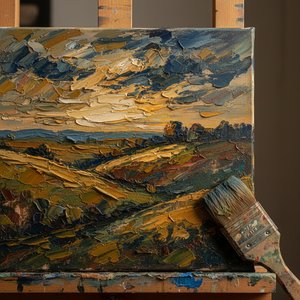
The Timeless Beauty of Oil on Canvas: A Masterclass in Texture, Impasto, and Artistic Mastery
Discover the profound allure of oil on canvas. Explore the mastery of impasto textures, the science of pigment longevity, and expert guides to selecting museum-quality reproductions that elevate your collection with timeless elegance and tactile depth.

The Enduring Legacy of Oil on Canvas: Technique, History & Aesthetic Impact
Explore the rich history & techniques of oil painting – from Renaissance masters to Impressionism. Discover pigments, layering methods, and why this timeless medium endures. Expert insights for artists & art enthusiasts.

The Timeless Charm of Oil on Board: Reimagining Texture and Light through the Impressionist Lens
Discover the profound intimacy of oil on panel. Explore how Impressionist masters used rigid supports to capture light, texture, and impasto depth through exquisite, handmade oil reproductions for discerning collectors.