 Pregledaj u prostoru
 Pošalji
 Podeli
 Detalji o delu
 Vodič
Vodič

 Preuzmi
 Slični predmeti
 Rendgenski snimak
 Automatska prezentacija
 Pitanja i odgovori
 Statistika
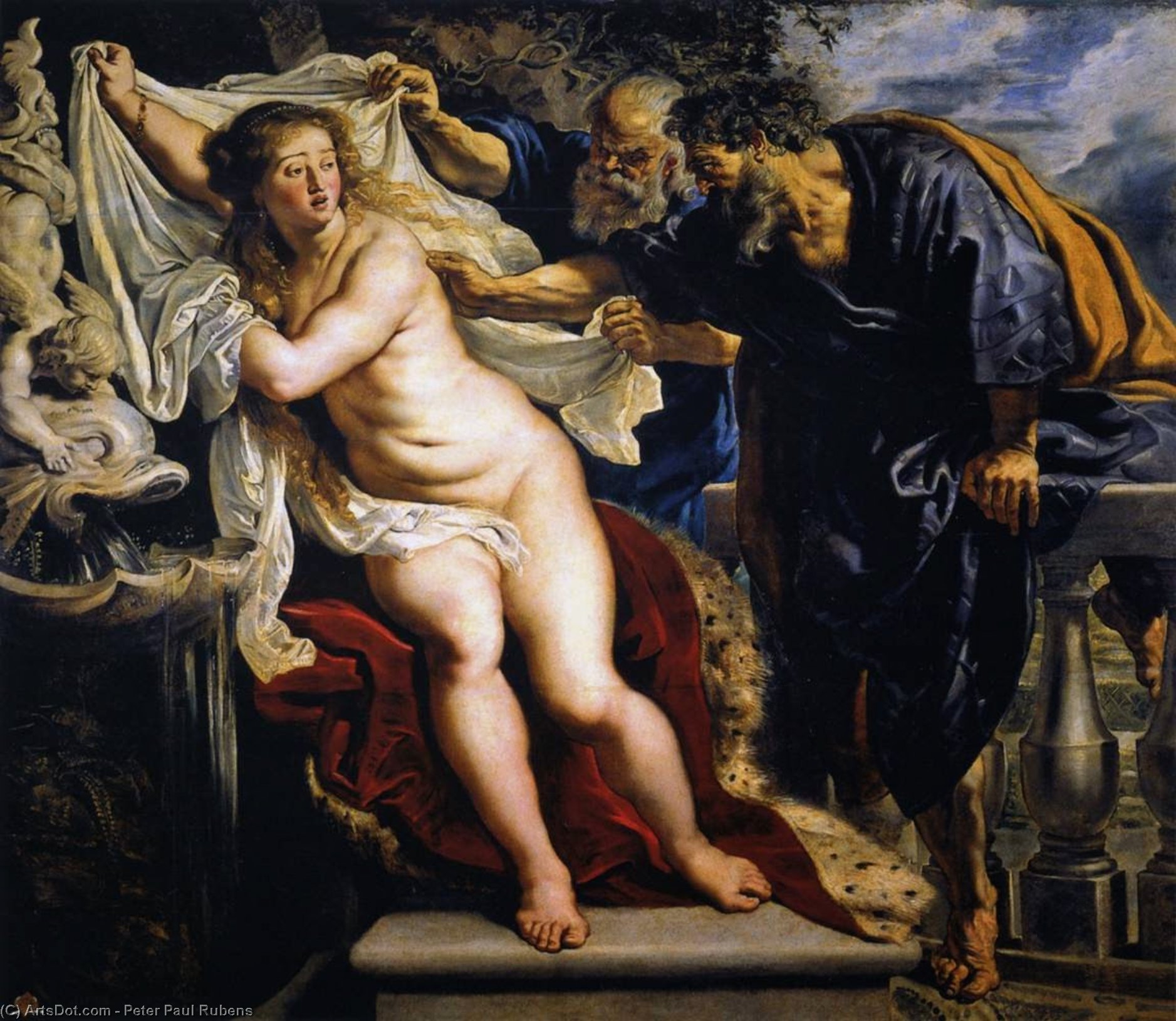
Susanna and the Elders

- 198.0 x 218.0 cm


 Pročitaj više
Giclee štampa / Umetnički otisak
Giclée štampa ili print na platnu muzejskog kvaliteta uz brzu izradu i raznovrsne opcije završne obrade. ( Kupite ručno oslikano delo Pređi na digitalnu sliku)




P118B дин10

P118H дин10

P118W дин10

P438Z дин10

P508JH дин12

P508YH дин12

P805H дин10

P805Z дин10

P919BZ дин10

P919G дин10

P919XJ дин10

P959ZH дин10

P968JZ дин12

W106C дин8

W218G дин10

W218JH дин8

W218Y дин10

W307PJ дин10

W316G дин10

W316PJ дин8

W316Y дин10

W398PJ дин8

W4111J дин10

W500HY дин15

W500JH дин15

W692G дин12

W849H дин8

W940BG дин15

W953PJ дин8




Izaberite jednu od naših unapred definisanih veličina koje odgovaraju originalnim proporcijama umetničkog dela.

Unesite željenu širinu i visinu kako bi se štampa uklopila u vaš ram ili zid. Štampu je moguće samo iseći, ali nikada povećati iznad dimenzija originalne slike, stoga format sa drugačijim proporcijama uzrokuje gubitak dela slike. Pre početka štampe, poslaćemo vam digitalni prikaz radi potvrde. Slika prikazana na ovoj stranici ne predstavlja stvarni isrez — to pokazuje samo digitalni prikaz.
Dostava širom sveta () za 2 nedelje umesto uobičajenih 4/5 nedelja. (9 новембар)

Besplatna ekspresna dostava širom sveta

Visokokvalitetno laneno platno

Potpuno osiguranje transporta

Garancija povraćaja carine i uvoznih dažbina

Garancija vernosti boja

Politika povraćaja u roku od 100 dana (samo u slučaju nedostataka)

Garancija povrata 100% novca

Popust na više proizvoda
 Opcija sa staklom dostupna je samo za dimenzije manje od 110 cm

Susanna and the Elders
Giclee štampa / Umetnički otisak
Dimenzije reprodukcije
-


Ukupna cena
дин 8485
The Dramatic Narrative of Susanna and the Elders
Peter Paul Rubens’ “Susanna and the Elders,” painted in 1610, isn't merely a biblical scene; it’s a visceral exploration of female vulnerability, male desire, and the precarious nature of reputation. This monumental oil on canvas, measuring nearly two meters high, pulsates with an energy born from Rubens’ mastery of Baroque dynamism. The painting depicts a pivotal moment from the Book of Daniel – Susanna, falsely accused of adultery by two corrupt elders, is being undressed while a third man watches in complicity. Yet, it's far more than a straightforward retelling; Rubens transforms this ancient story into a potent allegory about power, deception, and the resilience of the innocent.
Rubens’ genius lies not just in his technical skill – the rich, almost jewel-toned palette, the meticulous rendering of fabrics, and the incredibly lifelike depiction of the figures – but also in his ability to infuse the scene with a palpable sense of drama. He employs a masterful use of *chiaroscuro*, dramatically contrasting light and shadow, creating an atmosphere of intense tension and suspense. The strong directional lighting highlights Susanna’s face, emphasizing her fear and resistance, while plunging the surrounding figures into deeper darkness, suggesting hidden motives and sinister intentions. This interplay of light and shadow isn't simply aesthetic; it actively shapes our perception of the scene, drawing us into Susanna’s experience.
Compositional Mastery: Asymmetry and Movement
The composition itself is a carefully orchestrated display of Baroque principles. Rubens deliberately avoids symmetry, opting instead for an asymmetrical arrangement that fuels the sense of unease. The figures are not arranged in a static, balanced manner; rather, they flow and intertwine, creating a dynamic visual rhythm. The triangular formation – Susanna at the center, flanked by the two elders and the watchful observer – is both visually compelling and psychologically significant, drawing our eye to the central drama while simultaneously highlighting the surrounding threats.
Notice the strategic placement of details: the chair near the bottom left corner, a subtle invitation to observe; the vase at the top right, a symbol of abundance and perhaps, the deceptive allure of wealth and status. Even the two birds soaring in the upper corners contribute to the overall sense of movement and heightened emotion – they represent freedom and innocence juxtaposed against the constraints imposed by the situation.
Influences and Symbolism
Rubens’ work is deeply rooted in the artistic currents of his time, most notably the influence of Caravaggio. Like Caravaggio, Rubens employed dramatic lighting to heighten emotional impact, but he expanded upon this technique with a richer color palette and a more expansive composition. The stark contrasts between light and dark, reminiscent of Caravaggio's *tenebrism*, amplify the sense of drama and underscore the moral conflict at the heart of the scene.
Beyond Caravaggio, Rubens drew inspiration from Michelangelo, particularly in his depiction of the human form – Susanna’s body is rendered with a sensual awareness that reflects both her vulnerability and her inherent beauty. The painting also carries symbolic weight: Susanna represents virtue and innocence, while the elders embody corruption and deceit. The act of undressing symbolizes the stripping away of dignity and honor, highlighting the devastating consequences of false accusations.
A Masterpiece of Baroque Emotion
"Susanna and the Elders" is more than just a historical painting; it’s a profound meditation on human nature – on the dangers of unchecked power, the importance of truth, and the strength of the human spirit. Rubens' ability to capture such intense emotion and dramatic movement makes this work a cornerstone of Baroque art. It remains a powerful and unsettling image, prompting viewers to confront uncomfortable truths about morality, deception, and the enduring struggle between good and evil. For those seeking a stunning reproduction, OriginalUniqueArt offers meticulously hand-painted versions that faithfully recreate Rubens’ original vision, bringing this dramatic masterpiece into your home or office.
Pitanja i odgovori
Da li je delo "Susanna and the Elders" autora Сэр Пјетр Паул Рубенс u javnom vlasništvu i zašto?
Status autorskih prava za delo "Susanna and the Elders" - u javnom vlasništvu – autorska prava su istekla - proizilazi iz godine smrti umetnika, 1640.
U kojoj godini i u okviru kog umetničkog pravca je nastalo delo "Susanna and the Elders"?
Delo "Susanna and the Elders" nastalo je 1610. godine, u okviru pokreta Baroque.
Da li je moguće pogledati "Susanna and the Elders" u proširenoj stvarnosti?
Delo „Susanna and the Elders”, autor Сэр Пјетр Паул Рубенс možete isprobati na svom zidu putem stranice AR prikaz, koristeći proširenu stvarnost na kompatibilnom uređaju.
Biografija umetnika
Sir Peter Paul Rubens: A Baroque Master!
Peter Paul Rubens, a name that resonates with the very essence of Baroque dynamism, was far more than simply a painter. He was a diplomat, a scholar, and a cultural architect who fundamentally reshaped the artistic landscape of 17th-century Europe. Born in Siegen, Germany, in 1577, his early life was marked by displacement—a formative experience that would subtly permeate his later work with an undercurrent of drama and emotional depth. His father, Jan Rubens, a lawyer fleeing religious persecution for his Calvinist beliefs, uprooted the family from their native Antwerp, then under Spanish rule. This initial exile instilled in young Peter Paul a sense of resilience and adaptability, qualities that would serve him well throughout his multifaceted career. Following his father’s death in 1587, the family returned to Antwerp, where he received a humanist education before embarking on his artistic training around 1590, apprenticing under Tobias Verhaecht and Adam van Noort, honing foundational skills in drawing and painting techniques. However, it was his time with Otto van Veen that proved pivotal, exposing him to the rich legacy of Italian Renaissance art—a world he would soon embrace wholeheartedly.The Italian Awakening and Artistic Synthesis
In 1600, Rubens embarked on a transformative journey to Italy, a pilgrimage that irrevocably shaped his artistic vision. For eight years, he immersed himself in the masterpieces of Michelangelo, Raphael, and Titian, absorbing their mastery of form, color, and composition. The influence of these Renaissance giants is readily apparent in his early Italian works, characterized by classical themes and idealized figures. Yet, Rubens didn’t merely imitate; he synthesized these influences with his own innate talent, developing a distinctive style marked by vibrant hues, dynamic compositions, and a sensuous depiction of the human form. He studied anatomy meticulously, resulting in figures that possessed both physical realism and emotional power—robust bodies imbued with life and movement. This period wasn’t solely about artistic development; it was a profound intellectual awakening, fostering a deep appreciation for classical mythology and literature which would become recurring motifs throughout his oeuvre. Upon returning to Antwerp in 1608, Rubens swiftly established himself as the leading artist of his time, receiving a flood of commissions that testified to his burgeoning reputation and solidifying his position at the forefront of Flemish art.A Master of Many Forms: Painting Beyond Boundaries
Rubens’s artistic output was astonishingly diverse and prolific. He didn't confine himself to a single genre; instead, he excelled in history paintings, mythological scenes, portraits, landscapes, and religious works—a testament to his versatility and boundless creativity. His large-scale canvases, often intended for churches, palaces, and public spaces, were breathtaking displays of technical virtuosity and dramatic storytelling. The Descent from the Cross (c. 1616-1617) exemplifies his masterful use of light and shadow to create a scene of profound emotional intensity, drawing viewers into the heart of the narrative. The Raising of the Cross (1610-1611), with its swirling figures and dynamic composition, showcases his ability to convey movement and energy—a hallmark of his Baroque style. Even in seemingly static subjects like The Judgement of Paris (c. 1636), Rubens infused a sense of life and vitality through his vibrant color palette and sensual depiction of the human form. His technique was equally remarkable – a masterful command of oil painting, employing impasto to create texture and depth, alongside delicate glazing techniques to achieve luminous effects. He frequently employed allegorical figures and symbolic imagery, layering narratives with complex meanings that invited contemplation and interpretation.Diplomacy, Legacy, and Enduring Influence
Rubens’s influence extended far beyond the realm of art. His diplomatic skills were highly sought after by the Southern Netherlands (modern-day Belgium), and he undertook numerous missions to England, France, and Spain, negotiating treaties and fostering political alliances—a unique dual role that afforded him a nuanced perspective on European affairs and further enhanced his reputation as a man of intellect and influence. In 1622 he was commissioned by Maria de Medici, where he was quickly forced to hone a new skill set—the political maneuver. Cardinal Richelieu hated him, Maria was unpredictable, and the project eventually fell apart, leaving many works uncompleted. But Rubens still brought home a commission. After the death of his first wife in 1625, Rubens traveled again, this time wielding his skill in painting as a diplomatic tool. He traveled to England to work for King Charles I. In both France and England, Rubens arrived as a painter and left as a confidant of the powerful and dangerous. In his travels he negotiated allegiances for Isabella Clara Eugenia, the governor of the Spanish Netherlands. In exchange, Isabella bestowed knighthood on her loyal painter, and the artist became Sir Peter Paul Rubens. He continued to paint prolifically until his death in Antwerp in 1640, leaving behind a vast legacy that continues to inspire awe and admiration. His impact on subsequent generations of artists is immeasurable; painters like Anthony van Dyck, Jacob Jordaens, and Eugène Delacroix all drew inspiration from his dynamic compositions, vibrant colors, and sensuous figures. Rubens didn’t just define the Baroque style—he elevated painting to a new level of prestige and influence, solidifying Antwerp as a major center of artistic production during the 17th century. He remains, centuries later, a towering figure in the history of art, a testament to the power of human creativity and the enduring allure of Baroque splendor.Key Characteristics of Rubens’s Style
- Dynamic Composition: Rubens' paintings are known for their energetic and dramatic arrangements of figures.
- Vibrant Color Palette: He employed a rich, warm color scheme that brought his canvases to life.
- Sensuous Figures: His depictions of the human form were characterized by fullness, vitality, and often, overt sensuality.
- Masterful Use of Light and Shadow: Rubens skillfully manipulated light and shadow to create depth, drama, and emotional impact.
- Allegorical Symbolism: His works frequently incorporated allegorical figures and symbolic imagery, adding layers of meaning and complexity.

Сэр Пјетр Паул Рубенс
1577 - 1640 , Германија
Osnovne informacije
- Artistic Movement Or Style: Барок
- Artists Who Influenced This Artist:
- Микеланђело
- Рафаел
- Тицијан
- Date Of Birth: 28. јун 1577.
- Date Of Death: 30. мај 1640.
- Full Name: Sir Peter Paul Rubens
- Nationality: Фламањец
- Notable Artworks:
- Десица из Хреста
- Подношље Хреста
- Портрет Изабеле Брант
- Place Of Birth: Сијеген, Германија
Povezani članci

The Dramatic Flourish: Exploring the Baroque Movement's Enduring Legacy in Art History
Explore the dramatic world of Baroque art! Discover iconic artists like Caravaggio & Rubens, defining techniques, and its lasting impact on art history. Expert insights for collectors & enthusiasts at OriginalUniqueArt.

Remek-dela Alte Pinakotek: 25 slika koje definišu renesansu i barok (umetnost, dekoracija doma)
Otkrijte 25 remek-dela Alte Pinakotek u Minhenu! Istražite priče iza slika Leonarda, Rafaela i Rembrandta. Inspiracija za dekoraciju doma & reprodukcije vrhunskog kvaliteta na OriginalUniqueArt.com.

Barok Majstor dela: Top 10 Umjetničkih Remeka za Vaš Dom
Otkrijte 10 remek dela koja su definisala baroknu umetnost! Karavagio, Bernini i više – istražite priče iza ovih ikoničnih slika. Inspiracija za vaš dom? Pogledajte kolekciju na OriginalUniqueArt.com!

25 Remek-dela Kunsthistorisches Museuma: Umetnička Baština Beča za Vas Dom
Uronite u svet 25 remek-dela Kunsthistorisches Museuma u Beču! Otkrijte priče iza Rafaelovih Madona, Rembrandtovih samoportreta i Vermeerove umetnosti. Inspiracija za dekoraciju enterijera & vrhunske reprodukcije slika na OriginalUniqueArt.com.

Embrace the Drama: A Guide to Baroque Dynamism and Chiaroscuro for Sophisticated Modern Interiors
Discover how to transform your home with the dramatic elegance of Baroque art. Learn to master chiaroscuro, integrate bold oil reproductions, and use light and shadow to create a luxurious, high-impact modern interior with expert design guidance.