Pregledaj u prostoru
 Pošalji
 Podeli
 Detalji o delu
 Vodič
Vodič

 Preuzmi
 Slični predmeti
 Rendgenski snimak
 Automatska prezentacija
 Statistika
Меркуриј и Аргус
 Ulje na panelu
- Baroque
 1638
1638 63.0 x 87.0 cm
 Pročitaj više
Ručno rađena uljana reprodukcija
Ručno oslikano uljanim bojama na platnu u dimenzijama i okviru po vašem izboru, izrađeno po porudžbini od strane naših umetnika. ( Pređi na štampu Pređi na digitalnu sliku)




P118B дин10

P118H дин10

P118W дин10

P438Z дин10

P508JH дин12

P508YH дин12

P805H дин10

P805Z дин10

P919BZ дин10

P919G дин10

P919XJ дин10

P959ZH дин10

P968JZ дин12

W106C дин8

W218G дин10

W218JH дин8

W218Y дин10

W307PJ дин10

W316G дин10

W316PJ дин8

W316Y дин10

W398PJ дин8

W4111J дин10

W500HY дин15

W500JH дин15

W692G дин12

W849H дин8

W940BG дин15

W953PJ дин8




Izaberite jednu od naših unapred definisanih veličina koje odgovaraju originalnim proporcijama umetničkog dela.

Unesite potrebnu širinu i visinu kako bi se slika uklopila u vaš ram ili zid. Pošto je ovo ručno oslikano delo, umetnik može za dimenzije drugačijeg oblika naslikati malo više prostora oko slike ili malo skratiti ivice — izbor je na vama. Pre početka rada, poslaćemo vam digitalni prikaz radi potvrde. Slika prikazana na ovoj stranici ne predstavlja konačan rezultat — samo digitalni prikaz pokazuje stvarnu sliku.
Nakon narudžbine, tim OriginalUniqueArt.com će klijentu putem e-pošte poslati uputstva i dostaviti prikaz predloženog rešenja
Svetska isporuka () za 3/4 nedelje umesto uobičajenih 5 nedelja. (27 октобар). Bez kompromisa po pitanju kvaliteta.

Besplatna ekspresna dostava širom sveta

Visokokvalitetno laneno platno

Potpuno osiguranje transporta

Garancija povraćaja carine i uvoznih dažbina

Garancija vernosti boja

Politika povraćaja u roku od 100 dana (samo u slučaju nedostataka)

Garancija povrata 100% novca

Popust na više proizvoda
 Opcija sa staklom dostupna je samo za dimenzije manje od 110 cm

Меркуриј и Аргус
Tehnika reprodukcije
Dimenzije reprodukcije
-


Ukupna cena
дин 30998
Наслов: Меркуриј и Аргус
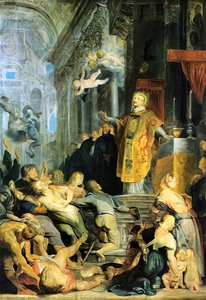
Дела од Питера Паула Рубенса, "Меркуриј и Аргус", није само вазуње; то је живописан, позоришни баци у срце класичне митологије. Креирано у врхунцу Барокне ере – пригрнуто око 1635. и 1638. године – ово дело сазнаје кључну сцену из Овида *Преображђања*, где брз-пешачки божанство Меркуриј се супротставља чудовишном гиганту Аргусу, задуженом да чува сведоцињу Ио. Рубенс не само да приказује причу; она га експлодира на површину вазе са готово превише енергије, користећи своју значајну вештину у боји, покретом и драматичном осветљењу да створи сцену коју прожди и делом и акције и дубоке размишљања.
Сама композиција је пажљиво оркестрована танац фигура. Меркуриј, представљен као млади, спортски човек који излаже сафистан досада, доминира предметином. Њени крили – моћно симбол божанског брзине и комуникације – широк су, подразумевајући његову нешто одмах следећу акцију. Он држи лиру, не само музички инструмент, већ и представљање разума и реторике, указујући на моћ речи да превлада грубу силу. Насупрот њему стоји Аргус, колосалан човек засенен у сенци, са својим стотину очију изведених са узнемирујућим детаљима, еволирајући пажњу и неумољиви покушај. Цела сцена је постављена на позадини древних дрвева и мирне краве – елементе које су тајно подсећале на пашторско порекло Ио-ог мучења и контрасту између природног света и ужасних прилика које је Аргус представљао.
Барокна Сјајанност: Техника и Стилови
Рубенова генијалност није само у његовом предмету, већ и у његовој беспрецедентној техничкој вештини. Извршено у мастилу на табли, "Меркуриј и Аргус" показује диван доказ *чиароскуро*, драматичну игру светлости и сенки која је била обележје барокне уметности. Рубенс савршено користи ову технику да обликује фигуре, стварајући осећај тридимензионалности и привлачећи погледа гледаоца у срце сцене. Напоменете како светлост пада на мускуластан облик Меркурија, истичући његову снагу и одлучност, док истовремено потопљује Аргуса у мрак, појављујући се његово чудовишно природа.
Ваза је карактеризована својом динамичном композицијом – дијагонали прекосварују вазу, стварајући осећај кретања и журбе. Рубенови мастили су слободни и изразни, доприносећи укупном осећају енергије и живописног дела. Он користи технику познату као *импасто*, примењујући дебљи слоеве боје да створи текстуру и визуелну занимљивост. Богате румне и тамне сиве и блистаће злато додатно побољшавају драматичну ефекти вазе, стварајући иммерзивни искушба гледаоца.
Митоско Резонанса: Симболизам и Интерпретација
Иза свог задивљућег приказује митске приче, "Меркуриј и Аргус" је богат симболичним значењем. Меркуриј представља интелигенцију, дипломатију и комуникацију – карактеристике које су неопходне да се превладају препреке и постигну победе. Његова победа над Аргусом симболизује тријумф разума над грубом силом, наредба над хаосом. Посада Ио, у веома великим мери потиснута, говори о темама рањивости, трансформације и божанског заштите. Крава, поновљиви мотив у грчком митологији, често представља плодност и богатаност – можда указујући на враћање Ио-ог статуса после њеног мучења.
Рубенова избор да прикаже ову конкретну сцену из Овида *Преображђања* одражава њену заљубљеност у класичне теме и њихову способност да их обогате дубоким емоционалним дубином. Ваза подстиче гледаоце да размишљају не само о припричи, већ и о њеним ширим последицама у погледу на морал, судбина и човечанство. То је тест Рубенове вештине да претвара древне митове у непроменљиве уметничке дела која наставак резонују са публиком данас.
Довођење Барокне Лепоте Доку
OriginalUniqueArt нуди прецизно изведених, ручно насликаних репродукција "Меркурија и Аргуса" од Питера Паула Рубенса, омогућавајући вам да донесете ову маштовито у свом дому или канцеларији. Наши вешти занатлије репродуцирају бојну сцену, динамичну композицију и издатке са беспрецедентном тачношћу. На располагању су различити размере на канвасу или висококвалитетним архивским папиру, наше репродукције пружају аутентичан представљање ове иконичне радње док чувају њену лепоту за будуће генерације.
За даље истраживање откријте више о животу Питера Паула Рубена и других изузетних дела на OriginalUniqueArt.com. Можете такође да се углубите у везане радове као што су "Селошка забава" или "Масакра невини", како бисте оценили ширину и дубину Рубенове стварачке наслеђа.
Pitanja i odgovori
Koliki je intenzitet boja kod dela „Меркуриј и Аргус”, autor Сэр Пјетр Паул Рубенс?
Intenzitet boja dela "Меркуриј и Аргус" je Živopisno. Intenzitet opisuje koliko boje deluju snažno.
Koji je koloristički identitet dela „Меркуриј и Аргус”, autor Сэр Пјетр Паул Рубенс?
„Меркуриј и Аргус”, autor Сэр Пјетр Паул Рубенс koristi Zemljasti tonovi paletu, pri čemu je Tamno braon (#685944) dominantna boja.
Koja osnovna nijansa prožima „Меркуриј и Аргус”, autor Сэр Пјетр Паул Рубенс?
Dominantna nijansa dela „Меркуриј и Аргус”, autor Сэр Пјетр Паул Рубенс je Od okera do sepije. Ova nijansa predstavlja osnovni ton palete.
Biografija umetnika
Sir Peter Paul Rubens: A Baroque Master!
Peter Paul Rubens, a name that resonates with the very essence of Baroque dynamism, was far more than simply a painter. He was a diplomat, a scholar, and a cultural architect who fundamentally reshaped the artistic landscape of 17th-century Europe. Born in Siegen, Germany, in 1577, his early life was marked by displacement—a formative experience that would subtly permeate his later work with an undercurrent of drama and emotional depth. His father, Jan Rubens, a lawyer fleeing religious persecution for his Calvinist beliefs, uprooted the family from their native Antwerp, then under Spanish rule. This initial exile instilled in young Peter Paul a sense of resilience and adaptability, qualities that would serve him well throughout his multifaceted career. Following his father’s death in 1587, the family returned to Antwerp, where he received a humanist education before embarking on his artistic training around 1590, apprenticing under Tobias Verhaecht and Adam van Noort, honing foundational skills in drawing and painting techniques. However, it was his time with Otto van Veen that proved pivotal, exposing him to the rich legacy of Italian Renaissance art—a world he would soon embrace wholeheartedly.The Italian Awakening and Artistic Synthesis
In 1600, Rubens embarked on a transformative journey to Italy, a pilgrimage that irrevocably shaped his artistic vision. For eight years, he immersed himself in the masterpieces of Michelangelo, Raphael, and Titian, absorbing their mastery of form, color, and composition. The influence of these Renaissance giants is readily apparent in his early Italian works, characterized by classical themes and idealized figures. Yet, Rubens didn’t merely imitate; he synthesized these influences with his own innate talent, developing a distinctive style marked by vibrant hues, dynamic compositions, and a sensuous depiction of the human form. He studied anatomy meticulously, resulting in figures that possessed both physical realism and emotional power—robust bodies imbued with life and movement. This period wasn’t solely about artistic development; it was a profound intellectual awakening, fostering a deep appreciation for classical mythology and literature which would become recurring motifs throughout his oeuvre. Upon returning to Antwerp in 1608, Rubens swiftly established himself as the leading artist of his time, receiving a flood of commissions that testified to his burgeoning reputation and solidifying his position at the forefront of Flemish art.A Master of Many Forms: Painting Beyond Boundaries
Rubens’s artistic output was astonishingly diverse and prolific. He didn't confine himself to a single genre; instead, he excelled in history paintings, mythological scenes, portraits, landscapes, and religious works—a testament to his versatility and boundless creativity. His large-scale canvases, often intended for churches, palaces, and public spaces, were breathtaking displays of technical virtuosity and dramatic storytelling. The Descent from the Cross (c. 1616-1617) exemplifies his masterful use of light and shadow to create a scene of profound emotional intensity, drawing viewers into the heart of the narrative. The Raising of the Cross (1610-1611), with its swirling figures and dynamic composition, showcases his ability to convey movement and energy—a hallmark of his Baroque style. Even in seemingly static subjects like The Judgement of Paris (c. 1636), Rubens infused a sense of life and vitality through his vibrant color palette and sensual depiction of the human form. His technique was equally remarkable – a masterful command of oil painting, employing impasto to create texture and depth, alongside delicate glazing techniques to achieve luminous effects. He frequently employed allegorical figures and symbolic imagery, layering narratives with complex meanings that invited contemplation and interpretation.Diplomacy, Legacy, and Enduring Influence
Rubens’s influence extended far beyond the realm of art. His diplomatic skills were highly sought after by the Southern Netherlands (modern-day Belgium), and he undertook numerous missions to England, France, and Spain, negotiating treaties and fostering political alliances—a unique dual role that afforded him a nuanced perspective on European affairs and further enhanced his reputation as a man of intellect and influence. In 1622 he was commissioned by Maria de Medici, where he was quickly forced to hone a new skill set—the political maneuver. Cardinal Richelieu hated him, Maria was unpredictable, and the project eventually fell apart, leaving many works uncompleted. But Rubens still brought home a commission. After the death of his first wife in 1625, Rubens traveled again, this time wielding his skill in painting as a diplomatic tool. He traveled to England to work for King Charles I. In both France and England, Rubens arrived as a painter and left as a confidant of the powerful and dangerous. In his travels he negotiated allegiances for Isabella Clara Eugenia, the governor of the Spanish Netherlands. In exchange, Isabella bestowed knighthood on her loyal painter, and the artist became Sir Peter Paul Rubens. He continued to paint prolifically until his death in Antwerp in 1640, leaving behind a vast legacy that continues to inspire awe and admiration. His impact on subsequent generations of artists is immeasurable; painters like Anthony van Dyck, Jacob Jordaens, and Eugène Delacroix all drew inspiration from his dynamic compositions, vibrant colors, and sensuous figures. Rubens didn’t just define the Baroque style—he elevated painting to a new level of prestige and influence, solidifying Antwerp as a major center of artistic production during the 17th century. He remains, centuries later, a towering figure in the history of art, a testament to the power of human creativity and the enduring allure of Baroque splendor.Key Characteristics of Rubens’s Style
- Dynamic Composition: Rubens' paintings are known for their energetic and dramatic arrangements of figures.
- Vibrant Color Palette: He employed a rich, warm color scheme that brought his canvases to life.
- Sensuous Figures: His depictions of the human form were characterized by fullness, vitality, and often, overt sensuality.
- Masterful Use of Light and Shadow: Rubens skillfully manipulated light and shadow to create depth, drama, and emotional impact.
- Allegorical Symbolism: His works frequently incorporated allegorical figures and symbolic imagery, adding layers of meaning and complexity.

Сэр Пјетр Паул Рубенс
1577 - 1640 , Германија
Osnovne informacije
- Artistic Movement Or Style: Барок
- Artists Who Influenced This Artist:
- Микеланђело
- Рафаел
- Тицијан
- Date Of Birth: 28. јун 1577.
- Date Of Death: 30. мај 1640.
- Full Name: Sir Peter Paul Rubens
- Nationality: Фламањец
- Notable Artworks:
- Десица из Хреста
- Подношље Хреста
- Портрет Изабеле Брант
- Place Of Birth: Сијеген, Германија
Povezani članci

The Dramatic Flourish: Exploring the Baroque Movement's Enduring Legacy in Art History
Explore the dramatic world of Baroque art! Discover iconic artists like Caravaggio & Rubens, defining techniques, and its lasting impact on art history. Expert insights for collectors & enthusiasts at OriginalUniqueArt.

Peter Paul Rubens: A Baroque Master's Life, Legacy & Enduring Influence
Discover the life & art of Peter Paul Rubens, the most influential artist of the Flemish Baroque tradition. Explore his masterpieces, legacy, and impact on art history with OriginalUniqueArt.

Baroque Classicism: Reconciling Drama & Order in 17th-Century Art
Explore the captivating world of Baroque Classicism! Discover its history, key artists like Caravaggio & Rubens, and defining characteristics. Expert insights & high-quality reproductions at OriginalUniqueArt.

Barok Majstor dela: Top 10 Umjetničkih Remeka za Vaš Dom
Otkrijte 10 remek dela koja su definisala baroknu umetnost! Karavagio, Bernini i više – istražite priče iza ovih ikoničnih slika. Inspiracija za vaš dom? Pogledajte kolekciju na OriginalUniqueArt.com!

Барокна драма: Уношење величине и емоција у савремене ентеријере
Откријте барокну драму и унесите величину у ваш ентеријер! OriginalUniqueArt нуди ручно насликане репродукције, персонализоване портрете и стручне консултације за љубитеље класичне уметности. Потражите савршено дело већ данас!