 Pregledaj u prostoru
 Pošalji
 Podeli
 Detalji o delu
 Vodič
Vodič

 Preuzmi
 Slični predmeti
 Rendgenski snimak
 Automatska prezentacija
 Pitanja i odgovori
 Statistika
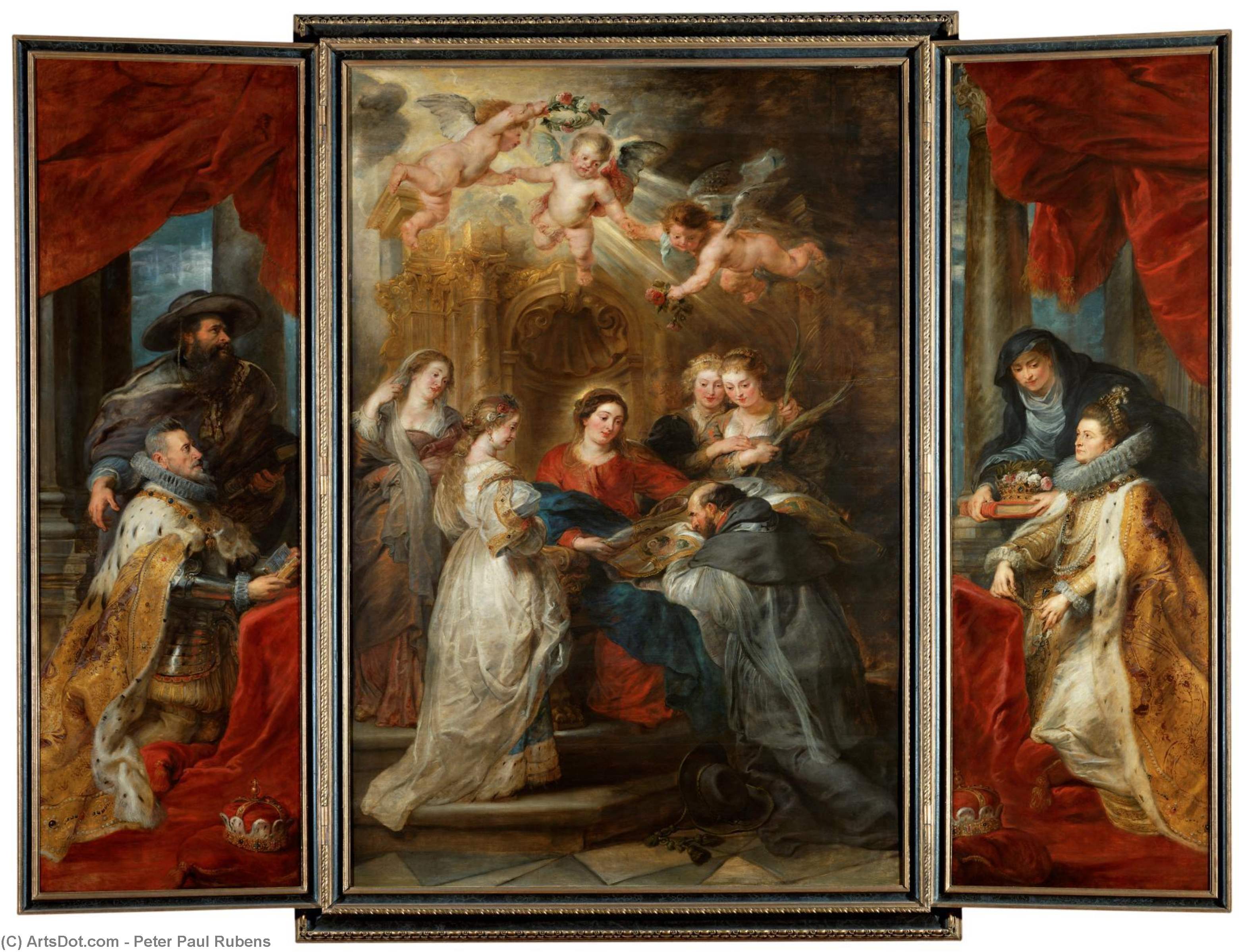
Altar Svetog Ildefonsa


 Pročitaj više
Nabavite datoteku spremnu za štampu koja nudi znatno veći kvalitet od onlajn pregleda. Svaka digitalna slika koju nudimo potiče iz visokorezolucičnog master fajla iz naše baze — obično širine od 5.000 do 15.000 piksela — što vam omogućava štampu u velikom formatu, precizno kadriranje ili bezbrižnu reprodukciju najfinijih detalja.
Nijedan fajl ne napušta naš studio netaknut. Digitalni stručnjak vrši proveru boja u odnosu na originalno delo i koriguje ih po potrebi, a zatim unapređuje jasnoću i detalje pomoću profesionalnih alata za retuširanje — uvek ostajući veran umetnikovim potezima četkice i stilu. Rezultat je slika koja izgleda kao pravo delo, a ne kao sken sa filterom.
Proverite i odobrite pre završetka: naš stručnjak vam šalje sliku putem e-pošte u roku od 72 sata na pregled. Niste zadovoljni? Zatražite poboljšanja ili ispravke, ili tražite povraćaj novca ukoliko kvalitet ne ispunjava vaša očekivanja.
Ovo je kvalitet kojem poverenje ukazuju izdavači, dizajnerski studiji, galerije i štamparije.
Digitalna slika
Preuzmite datoteku visoke rezolucije za ličnu upotrebu, štampanje i kreativne projekte. ( Pređi na štampu Kupite ručno oslikano delo)
Uključeno uz svaku porudžbinu digitalne slike
Profesionalna digitalna isporuka, zagarantovana
Kada odaberete OriginalUniqueArt.com, ne dobijate samo sliku – vi primate profesionalno unapređeno digitalno umetničko delo, izrađeno sa najvećom preciznošću i uz garanciju zadovoljstva. Evo svega što automatski dolazi uz vašu porudžbinu:

Brza dostava putem e-pošte
Vaša digitalna slika visoke rezolucije biće vam poslata putem e-pošte u roku od 72 sata od poručivanja – spremna za trenutnu upotrebu.

Digitalna datoteka unapređena veštačkom inteligencijom
Vaše umetničko delo je profesionalno optimizovano primenom naprednih AI alata i ručne obrade, čime se osiguravaju maksimalni detalji, oštrina i preciznost boja.

Besplatna doživotna ponovna isporuka
Slučajno ste obrisali ili izgubili svoju datoteku? Ne brinite – poslaćemo vam je ponovo u bilo kom trenutku, potpuno besplatno.

Bez troškova uvoza – zauvek
Uživajte u svojim umetničkim delima trenutno, bez carine, akciza ili troškova dostave – digitalni download je uvek bez poreza.

Garancija preciznosti boja
Uz pomoć profesionalnih alata i upravljanja bojama, osiguravamo da vaša digitalna slika što vernije odražava originalne boje.

Garancija zadovoljstva u roku od 100 dana
Ako niste zadovoljni svojom digitalnom slikom, izvršićemo reviziju ili ćemo vam vratiti 100% novca u roku od 100 dana – bez ikakvih pitanja.

100% garancija povrata novca
Niste zadovoljni? Dobijte puni povraćaj novca u roku od 100 dana od prijema digitalne datoteke – bez suvišnih pitanja.

Popusti na velike porudžbine
Kupite 3 slike, uštedite 10% - Kupite 5 slika, uštedite 15% - Kupite 10+ slika, uštedite 20%. Odlično za kreativne projekte, galerije i agencije.
Представљање Алтарa Илдефонса – Мастерска Дело Рубенса
Овај монументални алтар, познат као Алтар Илдефонса, је пример беспрецидентне уметничке моћи Петра Паула Рубенса, иза којег стоји не само велики сликар, већ и дипломата, учењака и културни архитект. Створен 1632. године, овај тriptych (трипанелни алтар) је више од простог религиозног дела; он је симбол вере, моћи и духа епохе барокe. Алтар, настао у самом срцу Европе, представља културни код Шпаније и Италије, а његова снажна композиција и бојна палета захваће вас својом енергијом и велич́ом лепотицом.Техника и Стилови – Барокe у Својим Најбољим Ископљењима
Рубенс, познат по свом неопростивом стилу, умело је комбиновао елементе Каравањa и Леонардо да Винчија. Његова техника *chiaroscuro* – драматична контраста светла и сенке – не само да одушевљује фигуре, већ и да им даје осећај за живот и динамику. Бојна палета је богата, са интензивним тоновима који се мешају у сложеној гармонији. Рубенс није само бојао; он је *излагао* осећања, стварајући утиске моћне емоционалности и страсти. Нагласак на детаљима – од сложених тканина до прецизних личних атрибута светих – показује његову техничку вештину и љубав према савршењу.Историјски Контекст и Симболика – Видење у Срцу Реформације
Алтар Илдефонса настао је у време Counter-Reformation (контрареформе), када су црквене власти желеле да поврате верност народа. Овај алтар, направљен за Цркву Светог Илдефонса у Венецији, служио је као средство да се подстакну осећања према религији и да се уверава становништво у моћ вере. Централна фигура – свети Илдефонс – представља оне који су били вођени вером, а његова посвећеност у комбинацији са божанском фигуром Матушке је симбол наде и спасења. Поред тога, алтар садржи елементе које одражавају политичке и социјалне околности тог времена, укључујући портрете Изабеле Клары Еугеније и Алберта VII, који су били владари Ниже Холнда.Емоционални Утицај и Значиње – Вечна Лепота и Дух Барокe
Алтар Илдефонса је више од само уметничког дела; то је искуство. Његовом посматрањем, посетиоци се гуше у осећању велич́е, моћи и духовне снаге. Рубенсова маштовитост и бојна палета стварају утисак да сте присутни на месту где се небеска и земља срећу. Ово је уметност која говори са нама, подстичући нас да размишљамо о свом месту у свету и о вечним питањима живота и смрти. Овај алтар је трајна референца на барокeн стил и његову моћну емоционалност.Перфектно за Репродукцију и Излагање
Ова висококвалитетна репродукција сачувала је сваку нијансу Рубенсовог оригинала, омогућавајући уметничким ентузијастима да донесу комад барокeнске славе у своје куће или колекције. Без обзира да ли је постављен у велики логовац, светичко место или галеријски окружење, ову уметност ће она увек бити фокус који инспира разговор и поштовање. Њени убедни предмет, техничка врлина и емоционална дубина чине је вредну додатку за оне које запалио уметнички свет и историјске маште.Pitanja i odgovori
Da li "Altar Svetog Ildefonsa" prikazuje snažne kontraste svetla i tame?
Nivo kontrasta dela „Altar Svetog Ildefonsa”, autor Сэр Пјетр Паул Рубенс je Izjava.
O čemu se radi u delu "Altar Svetog Ildefonsa" i kakvu atmosferu odiše?
„Altar Svetog Ildefonsa”, autor Сэр Пјетр Паул Рубенс spaja religious art, baroque altarpiece, divine vision, saint ildefonsus, rubens painting, spanish heritage, triptych artwork sa Dramatično atmosferom.
Kakvu bi atmosferu reprodukcija dela „Altar Svetog Ildefonsa”, autor Сэр Пјетр Паул Рубенс unela u prostoriju?
„Altar Svetog Ildefonsa”, autor Сэр Пјетр Паул Рубенс odiše Dramatično atmosferom i preporučuje se za Dnevna soba. Raspoloženje je ono što umetničko delo unosi u prostor oko sebe.
Biografija umetnika
Sir Peter Paul Rubens: A Baroque Master!
Peter Paul Rubens, a name that resonates with the very essence of Baroque dynamism, was far more than simply a painter. He was a diplomat, a scholar, and a cultural architect who fundamentally reshaped the artistic landscape of 17th-century Europe. Born in Siegen, Germany, in 1577, his early life was marked by displacement—a formative experience that would subtly permeate his later work with an undercurrent of drama and emotional depth. His father, Jan Rubens, a lawyer fleeing religious persecution for his Calvinist beliefs, uprooted the family from their native Antwerp, then under Spanish rule. This initial exile instilled in young Peter Paul a sense of resilience and adaptability, qualities that would serve him well throughout his multifaceted career. Following his father’s death in 1587, the family returned to Antwerp, where he received a humanist education before embarking on his artistic training around 1590, apprenticing under Tobias Verhaecht and Adam van Noort, honing foundational skills in drawing and painting techniques. However, it was his time with Otto van Veen that proved pivotal, exposing him to the rich legacy of Italian Renaissance art—a world he would soon embrace wholeheartedly.The Italian Awakening and Artistic Synthesis
In 1600, Rubens embarked on a transformative journey to Italy, a pilgrimage that irrevocably shaped his artistic vision. For eight years, he immersed himself in the masterpieces of Michelangelo, Raphael, and Titian, absorbing their mastery of form, color, and composition. The influence of these Renaissance giants is readily apparent in his early Italian works, characterized by classical themes and idealized figures. Yet, Rubens didn’t merely imitate; he synthesized these influences with his own innate talent, developing a distinctive style marked by vibrant hues, dynamic compositions, and a sensuous depiction of the human form. He studied anatomy meticulously, resulting in figures that possessed both physical realism and emotional power—robust bodies imbued with life and movement. This period wasn’t solely about artistic development; it was a profound intellectual awakening, fostering a deep appreciation for classical mythology and literature which would become recurring motifs throughout his oeuvre. Upon returning to Antwerp in 1608, Rubens swiftly established himself as the leading artist of his time, receiving a flood of commissions that testified to his burgeoning reputation and solidifying his position at the forefront of Flemish art.A Master of Many Forms: Painting Beyond Boundaries
Rubens’s artistic output was astonishingly diverse and prolific. He didn't confine himself to a single genre; instead, he excelled in history paintings, mythological scenes, portraits, landscapes, and religious works—a testament to his versatility and boundless creativity. His large-scale canvases, often intended for churches, palaces, and public spaces, were breathtaking displays of technical virtuosity and dramatic storytelling. The Descent from the Cross (c. 1616-1617) exemplifies his masterful use of light and shadow to create a scene of profound emotional intensity, drawing viewers into the heart of the narrative. The Raising of the Cross (1610-1611), with its swirling figures and dynamic composition, showcases his ability to convey movement and energy—a hallmark of his Baroque style. Even in seemingly static subjects like The Judgement of Paris (c. 1636), Rubens infused a sense of life and vitality through his vibrant color palette and sensual depiction of the human form. His technique was equally remarkable – a masterful command of oil painting, employing impasto to create texture and depth, alongside delicate glazing techniques to achieve luminous effects. He frequently employed allegorical figures and symbolic imagery, layering narratives with complex meanings that invited contemplation and interpretation.Diplomacy, Legacy, and Enduring Influence
Rubens’s influence extended far beyond the realm of art. His diplomatic skills were highly sought after by the Southern Netherlands (modern-day Belgium), and he undertook numerous missions to England, France, and Spain, negotiating treaties and fostering political alliances—a unique dual role that afforded him a nuanced perspective on European affairs and further enhanced his reputation as a man of intellect and influence. In 1622 he was commissioned by Maria de Medici, where he was quickly forced to hone a new skill set—the political maneuver. Cardinal Richelieu hated him, Maria was unpredictable, and the project eventually fell apart, leaving many works uncompleted. But Rubens still brought home a commission. After the death of his first wife in 1625, Rubens traveled again, this time wielding his skill in painting as a diplomatic tool. He traveled to England to work for King Charles I. In both France and England, Rubens arrived as a painter and left as a confidant of the powerful and dangerous. In his travels he negotiated allegiances for Isabella Clara Eugenia, the governor of the Spanish Netherlands. In exchange, Isabella bestowed knighthood on her loyal painter, and the artist became Sir Peter Paul Rubens. He continued to paint prolifically until his death in Antwerp in 1640, leaving behind a vast legacy that continues to inspire awe and admiration. His impact on subsequent generations of artists is immeasurable; painters like Anthony van Dyck, Jacob Jordaens, and Eugène Delacroix all drew inspiration from his dynamic compositions, vibrant colors, and sensuous figures. Rubens didn’t just define the Baroque style—he elevated painting to a new level of prestige and influence, solidifying Antwerp as a major center of artistic production during the 17th century. He remains, centuries later, a towering figure in the history of art, a testament to the power of human creativity and the enduring allure of Baroque splendor.Key Characteristics of Rubens’s Style
- Dynamic Composition: Rubens' paintings are known for their energetic and dramatic arrangements of figures.
- Vibrant Color Palette: He employed a rich, warm color scheme that brought his canvases to life.
- Sensuous Figures: His depictions of the human form were characterized by fullness, vitality, and often, overt sensuality.
- Masterful Use of Light and Shadow: Rubens skillfully manipulated light and shadow to create depth, drama, and emotional impact.
- Allegorical Symbolism: His works frequently incorporated allegorical figures and symbolic imagery, adding layers of meaning and complexity.

Сэр Пјетр Паул Рубенс
1577 - 1640 , Германија
Kratke informacije
- Artistic Movement Or Style: Барок
- Artists Who Influenced This Artist:
- Микеланђело
- Рафаел
- Тицијан
- Date Of Birth: 28. јун 1577.
- Date Of Death: 30. мај 1640.
- Full Name: Sir Peter Paul Rubens
- Nationality: Фламањец
- Notable Artworks:
- Десица из Хреста
- Подношље Хреста
- Портрет Изабеле Брант
- Place Of Birth: Сијеген, Германија