() ·

A painting made for you, by hand

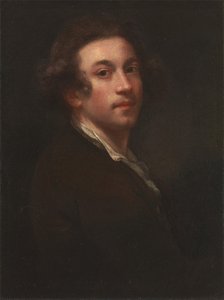
Self-Portrait

Ručno rađena uljana reprodukcija

Ručno oslikano uljanim bojama na platnu u dimenzijama i okviru po vašem izboru, izrađeno po porudžbini od strane naših umetnika. ( Pređi na štampu Pređi na digitalnu sliku)

Opis predmeta

Admire Sir Joshua Reynolds’ "Self-Portrait" (1749), a captivating neoclassical painting showcasing the artist's confident gaze and refined attire. Explore his masterful technique & artistic legacy.

Biografija umetnika

Sir Joshua Reynolds (1723-1792): Najpoznatiji britanski slikar stoljeća XVIII. godine i prvi predsjednik Kraljevske akademije umjetnosti. Maestro Grand Styla, elegantno je prikazao aristokratsku državu i oblikovao britansku umjetnost.

from ·

Chapter 1

How large should it be?

Slide to change the size; the picture on the left shows the frame at its real width. The proportions of the original are kept.

Standardne dimenzije
po meri
CM
INCH

Izaberite jednu od naših unapred definisanih veličina koje odgovaraju originalnim proporcijama umetničkog dela.

širina
visina

Unesite potrebnu širinu i visinu kako bi se slika uklopila u vaš ram ili zid. Pošto je ovo ručno oslikano delo, umetnik može za dimenzije drugačijeg oblika naslikati malo više prostora oko slike ili malo skratiti ivice — izbor je na vama. Pre početka rada, poslaćemo vam digitalni prikaz radi potvrde. Slika prikazana na ovoj stranici ne predstavlja konačan rezultat — samo digitalni prikaz pokazuje stvarnu sliku.

Chapter 2

How should it arrive?

Choose the edges of the stretched canvas

Choose your frame

Corner sample of the WhiteWrap canvas edge finish, stretched on masivno drvo bars
White дин1
Corner sample of the BlurSideWrap canvas edge finish, stretched on masivno drvo bars
Blurside дин1
Corner sample of the ExtendedWrap canvas edge finish, stretched on masivno drvo bars
Extended дин1
Corner sample of the P118B picture frame: oblikovani polistiren, 5 cm wide and 3 cm thick
P118B дин10
Corner sample of the P118H picture frame: oblikovani polistiren, 5 cm wide and 3 cm thick
P118H дин10
Corner sample of the P118W picture frame: oblikovani polistiren, 5 cm wide and 3 cm thick
P118W дин10
Corner sample of the P438Z picture frame: oblikovani polistiren, 5.5 cm wide and 3.5 cm thick
P438Z дин10
Corner sample of the P508JH picture frame: oblikovani polistiren, 7 cm wide and 3.5 cm thick
P508JH дин12
Corner sample of the P508YH picture frame: oblikovani polistiren, 7 cm wide and 3.5 cm thick
P508YH дин12
Corner sample of the P805H picture frame: oblikovani polistiren, 5 cm wide and 3.5 cm thick
P805H дин10
Corner sample of the P805Z picture frame: oblikovani polistiren, 5 cm wide and 3.5 cm thick
P805Z дин10
Corner sample of the P919BZ picture frame: oblikovani polistiren, 7 cm wide and 3.5 cm thick
P919BZ дин10
Corner sample of the P919G picture frame: oblikovani polistiren, 7 cm wide and 3.5 cm thick
P919G дин10
Corner sample of the P919XJ picture frame: oblikovani polistiren, 7 cm wide and 3.5 cm thick
P919XJ дин10
Corner sample of the P959ZH picture frame: oblikovani polistiren, 5 cm wide and 3 cm thick
P959ZH дин10
Corner sample of the P968JZ picture frame: oblikovani polistiren, 6 cm wide and 4 cm thick
P968JZ дин12
Corner sample of the W106C picture frame: masivno drvo, 5 cm wide and 3 cm thick
W106C дин8
Corner sample of the W218G picture frame: masivno drvo, 5 cm wide and 3 cm thick
W218G дин10
Corner sample of the W218JH picture frame: masivno drvo, 5 cm wide and 3 cm thick
W218JH дин8
Corner sample of the W218Y picture frame: masivno drvo, 5 cm wide and 3 cm thick
W218Y дин10
Corner sample of the W307PJ picture frame: masivno drvo, 6 cm wide and 3 cm thick
W307PJ дин10
Corner sample of the W316G picture frame: masivno drvo, 6 cm wide and 3 cm thick
W316G дин10
Corner sample of the W316PJ picture frame: masivno drvo, 6 cm wide and 3 cm thick
W316PJ дин8
Corner sample of the W316Y picture frame: masivno drvo, 6 cm wide and 3 cm thick
W316Y дин10
Corner sample of the W398PJ picture frame: masivno drvo, 5 cm wide and 3 cm thick
W398PJ дин8
Corner sample of the W4111J picture frame: masivno drvo, 6.5 cm wide and 3.5 cm thick
W4111J дин10
Corner sample of the W500HY picture frame: masivno drvo, 7 cm wide and 5 cm thick
W500HY дин15
Corner sample of the W500JH picture frame: masivno drvo, 7 cm wide and 5 cm thick
W500JH дин15
Corner sample of the W692G picture frame: masivno drvo, 8 cm wide and 4 cm thick
W692G дин12
Corner sample of the W849H picture frame: masivno drvo, 5 cm wide and 3 cm thick
W849H дин8
Corner sample of the W940BG picture frame: masivno drvo, 7.5 cm wide and 4.5 cm thick
W940BG дин15
Corner sample of the W953PJ picture frame: masivno drvo, 6 cm wide and 3.5 cm thick
W953PJ дин8
Corner sample of the H24-GOLD picture frame: rezbarano drvo sa gessoom, 10 cm wide and 6 cm thick
H24-GOLD дин30
Corner sample of the H24-SILVER picture frame: rezbarano drvo sa gessoom, 10 cm wide and 6 cm thick
H24-SILVER дин30
Corner sample of the H36-GOLD picture frame: rezbarano drvo sa gessoom, 15 cm wide and 6.5 cm thick
H36-GOLD дин45
Corner sample of the H36-SILVER picture frame: rezbarano drvo sa gessoom, 15 cm wide and 6.5 cm thick
H36-SILVER дин45

Moulding: . Overall size with the frame: .

Chapter 3

Who paints it, and should anything change?

Examples of what can be changed: Replace face with customer photo; Add pet (e.g., replace cat with dog); Include hidden message in background; Change background landscape or elements.
After order, OriginalUniqueArt.com team will email client for instructions and provide a mockup preview

Svetska isporuka () za 3/4 nedelje umesto uobičajenih 5 nedelja. (3 новембар). Bez kompromisa po pitanju kvaliteta.

Chapter 4

The finishing touches

A nameplate, as in a museum?

Detalji gravirane bronze ploče

This elegant plaque features the artist's name and the title of the artwork, finely engraved for a timeless presentation.

It is made from bronze with a refined, elegant finish. The text is precisely laser-engraved for a sharp and permanent result. Measuring 9x2 cm, the plaque is compact yet easy to read. It's built to be durable and scratch-resistant, offering a professional, museum-quality look. Mounting is simple thanks to the included adhesive backing.

Detalji prozirne akrilne pločice

The plaque includes essential engraved details such as the artist's name, the title of the artwork, the date it was created, the type of media used-like oil on canvas or watercolor-a brief description of the piece, and a QR code that links to the complete artwork information.

It is crafted from clear acrylic, offering a sleek, modern appearance. The text is UV-engraved in black to ensure strong visual contrast. With a size of 10x15 cm, it ensures optimal readability. It comes equipped with two metal hooks for secure wall mounting. The plaque is designed to be weather-resistant, making it suitable for various environments, and it includes interactive features that work seamlessly with smartphone scanning.

Detalji crne akrilne pločice

This elegant plaque includes engraved information such as the artist's name, the title of the artwork, the date it was created, the type of media used (like oil on canvas or watercolor), a short description of the artwork, and a QR code for quick access to more information.

The plaque itself is made from refined black acrylic with a premium finish. The text is laser-engraved in white for high contrast and readability. Its size is 10x15 cm, designed to be easy to read. It comes with two metal hooks for professional mounting. The design is sleek and fits any interior style. It is also weather-resistant and durable, with built-in digital integration for mobile compatibility.

A protective varnish?

When do you need it?

Chapter 5

Your painting, as you ordered it

Self-Portrait

Tehnika reprodukcije

Dimenzije reprodukcije

-

Vrhunski maestri umetnosti

Više detalja, prefinjenosti i dodatnog vremena za izradu

-

Okvir za reprodukciju

-

-

Za umetnička dela ili reprodukcije čija je bilo koja strana veća od 105 cm (približno 41 inč), okvir će biti isporučen u obliku rastavljenog seta za sklapanje. Ovaj metod osigurava bezbednu dostavu i sprečava oštećenja tokom transporta.

Potrebna je profesionalna montaža – ovo nije proizvod namenjen samostalnoj izradi.
Set mora sastaviti i platno zategnuti iskusni profesionalni ramitelj, koristeći drveni lepak (nije uključen u set), hvataljku za zatezanje platna i stege kako bi se održao prav ugao okvira dok se lepak suši. Nepravilno sklapanje ili neravnomerno zategnuto platno mogu trajno oštetiti umetničko delo, što nije pokriveno našom garancijom.

  • Sve šipke od masivnog drveta su uključene, precizno isečene po veličini.

  • Montira se pomoću priloženih šrafova, uz dodatno korišćenje lepka za drvo za spojeve u uglovima, koji nije uključen u set i koji vaš čuvar okvira mora obezbediti.

  • Potreban je profesionalni alat koji nije uključen u set: klešta za zatezanje platna (zatezač) i stege za održavanje pravih uglova letvica tokom sušenja lepka.

Važno:
Za spojeve u uglovima neophodan je lepak za drvo, šipke se moraju pričvrstiti stezgama dok lepak potpuno ne osuši, a za zatezanje platna na sklopljenom ramu potrebne su hvataljke za zatezanje platna. Nijedan od ovih alata nije uključen u komplet. Pre naručivanja ove veličine, molimo Vas da unapred obezbedite iskusnog profesionalca za ramačenje.

Kratki opis natpisa

-

-

Zaštitni lak

Sjajni lak (pojačava intenzitet boja, štiti od svetlosti i vlage)

-

Personalizujte svoje umetničko delo

Primeri mogućnosti izmene: Zamena lica fotografijom kupca; Dodavanje ljubimca (npr. zamena mačke psom); Uključivanje skrivene poruke u pozadini; Promena pejzaža ili elemenata pozadine.

-

Hitna dostava

Svetska isporuka () za 3/4 nedelje umesto uobičajenih 5 nedelja. (3 новембар). Bez kompromisa po pitanju kvaliteta.

-

Brza dostava

Dostava širom sveta () u roku od 5 nedelja. (10 новембар).

Uključeno u cenu

Ukupna cena

дин 31373

Ukupna cena дин 31373

Opcija sa staklom dostupna je samo za dimenzije manje od 110 cm

Included with every order

  • Besplatna ekspresna dostava širom sveta
  • Visokokvalitetno laneno platno
  • Potpuno osiguranje transporta
  • Garancija povraćaja carine i uvoznih dažbina
  • Garancija vernosti boja
  • Politika povraćaja u roku od 100 dana (samo u slučaju nedostataka)
  • Garancija povrata 100% novca
  • Popust na više proizvoda

A Window into the Enlightenment: Sir Joshua Reynolds’ “Self-Portrait”

Sir Joshua Reynolds' "Self-Portrait," painted in 1747-1749, isn’t merely a likeness; it’s a carefully constructed declaration of an artist’s ambition and his understanding of the era. This captivating work, now residing within the esteemed collection of the SCAD Museum of Art in Savannah, offers a rare glimpse into the mind of one of Britain's most influential figures in 18th-century art – a man who fundamentally reshaped the very notion of portraiture. The painting immediately draws the eye with its dramatic lighting, a hallmark of Reynolds’ “Grand Style,” where shadows are sculpted to enhance form and create an atmosphere of both solemnity and vibrant energy. The artist himself is presented not as a humble craftsman, but as a figure of authority and intellectual prowess – his gaze direct and confident, suggesting a man acutely aware of his own importance within the cultural landscape.

A Masterclass in Technique: The Reynoldsian Approach

Reynolds’ skill lies not just in capturing a physical likeness but in imbuing that likeness with character and depth. Observe the meticulous rendering of his wig, styled with an almost theatrical flourish – a deliberate choice reflecting the fashionable sensibilities of the time. The ruffled collar, meticulously detailed, speaks to his status and connection to the aristocratic circles he frequented. But it’s the subtle manipulation of light and shadow that truly elevates the portrait. Reynolds employed a technique known as *chiaroscuro*, expertly contrasting areas of bright illumination with deep shadows, creating a sense of three-dimensionality and drawing attention to key features. The impasto – the thick application of paint – adds texture and visual interest, particularly noticeable in the folds of his clothing and the suggestion of fabric beneath his jacket. This wasn’t simply about painting; it was about sculpting light and form onto canvas.

Echoes of Antiquity: Symbolism and Context

The “Self-Portrait” is deeply rooted in the artistic principles of the Enlightenment, a period characterized by a renewed interest in classical antiquity. Reynolds, heavily influenced by artists like Leonardo da Vinci and Michelangelo, sought to emulate their mastery of anatomy, perspective, and dramatic composition. The pose itself – reminiscent of Roman statues – deliberately connects him to this rich heritage. Furthermore, the inclusion of his ear trumpet, a symbol of his partial deafness acquired during his time in Rome, subtly acknowledges his artistic journey and intellectual pursuits. It’s a quiet testament to the challenges he overcame in pursuit of his craft. The painting also reflects Reynolds' belief that art should be idealized – not a slavish imitation of reality but an elevation of it, reflecting the beauty and harmony inherent within human form.

Beyond the Brush: A Legacy of Influence

Sir Joshua Reynolds’ “Self-Portrait” is more than just a personal depiction; it's a pivotal document in the history of British art. His theories on painting, articulated in his influential *Discourses on Art*, established the "Grand Style," which dominated portraiture for decades and profoundly impacted subsequent generations of artists. He championed the idea that painters should study classical models and strive to create works of beauty and harmony – a philosophy that shifted the focus from mere likeness to artistic expression. The painting’s enduring appeal lies in its ability to transport us back to a pivotal moment in art history, offering a window into the mind of a visionary artist who shaped the course of British painting. Reproductions of this iconic work continue to inspire and captivate, reminding us of the power of art to both reflect and shape our understanding of the world.

  • Artist: Sir Joshua Reynolds
  • Date: 1747-1749
  • Medium: Oil on Canvas
  • Location: SCAD Museum of Art, Savannah, United States

Pitanja i odgovori

Šta objašnjava status autorskih prava za „Self-Portrait”, autor Џорџ Хајмс Ројс?

„Self-Portrait”, autor Џорџ Хајмс Ројс je u u javnom vlasništvu – autorska prava su istekla. Autorska prava traju od smrti umetnika, koja se dogodila 1792.

Ko je umetnik koji stoji iza dela "Self-Portrait"?

Delo "Self-Portrait" pripisuje se umetniku Џорџ Хајмс Ројс.

Koja je dominantna boja dela „Self-Portrait”, autor Џорџ Хајмс Ројс?

Ochre to Sepia nijansa prožima delo „Self-Portrait”, autor Џорџ Хајмс Ројс.

More about this painting

Pregledaj u prostoru AR pregled Pređi na štampu Pređi na digitalnu sliku Pošalji
Detalji o delu Vodič Dodaj u omiljene Preuzmi Slični predmeti Rendgenski snimak Automatska prezentacija Q&A Statistika

In numbers

  • 1749the year it was painted
  • 29frames to choose from
  • standard sizes, in its own proportions
  • 5weeks to paint and deliver it
Џорџ Хајмс Ројс

Џорџ Хајмс Ројс

1723 - 1792, Уједињено Краљевство

Quick facts about Џорџ Хајмс Ројс

  • Artistic Movement Or Style: Grand Stil
  • Artists Or Movements Influenced By This Artist: ['Thomas Gainsborough']
  • Artists Who Influenced This Artist: ['Thomas Hudson']
  • Date Of Birth: 1723
  • Full Name: Sir Joshua Reynolds
  • Nationality: Britanski umetnik
  • Notable Artworks:
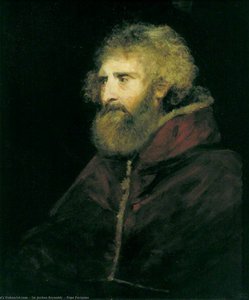
    • Peter Darnell Muilman...
    • Mr and Mrs William Lindow
    • Portrait of John Hayes...
  • Place Of Birth: Plymouth, UK

Biografija umetnika

Sir Joshua Reynolds (1723 - 1792): Leading British portrait painter of the 18th century & first Royal Academy President

Born in 1723 in the quaint Devonshire town of Plympton, Sir Joshua Reynolds emerged as a pivotal figure during a period of immense cultural transformation in Britain. His father, Reverend Samuel Reynolds, instilled in him a love for learning and intellectual pursuits, initially steering young Joshua towards a scholarly path. However, an undeniable artistic inclination soon surfaced, leading to his apprenticeship with Thomas Hudson in London at the age of seventeen. This formative experience provided Reynolds with a solid foundation in portraiture—a genre that would define his illustrious career. Hudson’s studio was a bustling hub of fashionable society, exposing Reynolds to the demands and expectations of aristocratic patrons, shaping not only his technique but also his understanding of the social landscape he would come to depict so masterfully. It wasn't merely about capturing likeness; it was about constructing an image that reflected status, taste, and aspiration.

Early Life and Artistic Formation

Reynolds attended the Plympton grammar school of which his father, a clergyman, was master. The young Reynolds became well read in the writings of classical antiquity and throughout his life was to be much interested in literature, counting many of the finest British authors of the 18th century among his closest friends. Reynolds early aspired to become an artist, and in 1740 he was apprenticed for four years in London to Thomas Hudson, a conventional portraitist and the pupil and son-in-law of Jonathan Richardson. In 1743 he returned to Devon and began painting at Plymouth naval portraits that reveal his inexperience. Returning to London for two years in 1744, he began to acquire a knowledge of the old masters and an independent style marked by bold brushwork and the use of impasto, a thick surface texture of paint, such as in his portrait of Captain the Honourable John Hamilton (1746). This early exposure to Hudson’s workshop profoundly influenced Reynolds' artistic sensibilities—a connection that would endure throughout his career.

The Influence of Raphael and Michelangelo: Embracing the ‘Grand Style’

Reynolds didn’t simply replicate what he learned from Hudson. He embarked on a journey of artistic exploration, fueled by a deep admiration for the Old Masters—particularly Raphael, Michelangelo, and Titian. A pivotal moment in his development was a sojourn to Rome in 1750, where he immersed himself in classical art and absorbed the principles of the ‘Grand Style’ – an approach that prioritized idealized beauty, dramatic composition, and historical or mythological allusions. Artists like Raphael and Michelangelo served as beacons of artistic excellence, inspiring Reynolds to elevate British painting beyond mere representation—to imbue it with a sense of dignity and intellectual weight previously unseen. He believed that portraits should not just record physical appearances but also reveal the sitter's character and social standing. This ambition led him to incorporate elements of history painting into his work, often depicting his subjects in elaborate costumes or staged settings reminiscent of classical narratives.

Rome and Artistic Innovation: Establishing a Distinctive Technique

Reynolds’ meticulous study of Roman sculpture and painting solidified his conviction that British art needed to emulate the grandeur and sophistication of its continental counterparts. He experimented tirelessly with pigments and glazes, striving to achieve luminous effects and subtle tonal gradations—techniques he had observed firsthand in Rome. His distinctive brushwork—characterized by bold strokes and textured surfaces—became a hallmark of his style, distinguishing him from many of his contemporaries. The influence of Rembrandt van Rijn and Anthony van Dyck was also palpable in Reynolds’ oeuvre, demonstrating his mastery of chiaroscuro—the dramatic interplay of light and shadow—a technique perfected by the Dutch Baroque masters. He sought to capture not just what he saw but what he *felt*, conveying emotion and psychological complexity through carefully crafted visual narratives.

A Legacy of Patronage and Artistic Leadership

Reynolds’s success as a portrait painter brought him considerable acclaim and attracted the patronage of wealthy aristocrats—including William Cavendish, Duke of Devonshire, who commissioned numerous portraits showcasing Reynolds' skill in capturing aristocratic grandeur. He was elected the first president of the Royal Academy of Arts in 1768—a position he held until his death in 1792—transforming British art into a respected profession and establishing an institution dedicated to fostering artistic talent and promoting national identity. Reynolds tirelessly advocated for the importance of art education and championed the recognition of artists as professionals deserving of respect and patronage. His annual Discourses – lectures delivered to Academy students – became seminal texts on artistic theory and practice, outlining his vision for a distinctly British school of painting. He regarded history painting, which typically represents mythological or religious subjects, as the noblest work of the painter, but the popularity of his portraits resulted in him producing comparatively few works of this type. Reynolds’s enduring legacy rests not only on his artistic achievements but also on his transformative role in shaping the cultural landscape of Britain—a testament to his unwavering belief in the power of art to inspire and elevate humanity. His paintings continue to captivate audiences with their elegance, psychological depth, and historical significance—a reminder that true artistry transcends time itself.

Osnovne informacije

  • Artist: Sir Joshua Reynolds
  • Artistic style: Neoclassical
  • Title: Self-Portrait
  • Notable elements: Dramatic lighting
  • Year: 1749