

 Pregledaj u prostoru
 Podeli
 Podeli
 Detalji
 Vodič
Vodič

 Preuzmi sliku
 Slični predmeti
 Rendgenski snimak
 Automatska prezentacija
 Statistika
The Black Brunswicker
 Oil On Canvas
- WallArt
- Pre-Raphaelite Brotherhood
 103.0 x 69.0 cm
 Royal Scottish Academy of Art - Architecture
 Pročitaj više
Giclee štampa / Umetnički otisak
Giclée štampa ili print na platnu muzejskog kvaliteta uz brzu izradu i raznovrsne opcije završne obrade. ( Naručite ručno oslikano reprodukciju Pređi na prodaju digitalnih slika)




P118B дин10

P118H дин10

P118W дин10

P438Z дин10

P508JH дин12

P508YH дин12

P805H дин10

P805Z дин10

P919BZ дин10

P919G дин10

P919XJ дин10

P959ZH дин10

P968JZ дин12

W106C дин8

W218G дин10

W218JH дин8

W218Y дин10

W307PJ дин10

W316G дин10

W316PJ дин8

W316Y дин10

W398PJ дин8

W4111J дин10

W500HY дин15

W500JH дин15

W692G дин12

W849H дин8

W940BG дин15

W953PJ дин8




Izaberite jednu od naših unapred definisanih veličina koje odgovaraju originalnim proporcijama umetničkog dela.

Možete uneti sopstvene dimenzije kako biste umetničko delo prilagodili specifičnom okviru ili prostoru. Ako odabrani format ne odgovara proporcijama originalne slike, mi ćemo ili iscrtati deo dela ili proširiti sliku pomoću ogledane ivice ili jednobojnog popunjavanja. Digitalni prikaz će vam biti poslat na odobrenje pre početka proizvodnje.
Imajte na umu da pregled na ekranu ne odražava stvarno iscrtavanje ili proširivanje. Samo će prikaz (mockup) precizno pokazati finalnu kompoziciju.
Iako su prilagođene dimenzije dostupne, preporučujemo da odaberete dimenziju sa unapred definisane liste kako biste očuvali originalne proporcije.
Dostava širom sveta () za 2 nedelje umesto uobičajenih 4/5 nedelja. (13 октобар)

Besplatna ekspresna dostava širom sveta

Visokokvalitetno laneno platno

Sveobuhvatno osiguranje transporta

Garancija povraćaja carine i uvoznih dažbina

Garancija vernosti boja i autentičnosti pri reprodukciji

Politika povraćaja u roku od 100 dana (samo u slučaju nedostataka)

Garancija povrata 100% novca

Popust pri većoj količini
 Opcija sa staklom dostupna je samo za dimenzije manje od 110 cm

The Black Brunswicker
Giclee štampa / Umetnički otisak
Veličina reprodukcije
-


Ukupna cena
дин 8126
The Black Brunswicker: A Victorian Tableau of Duty and Desire
John Everett Millais’s “The Black Brunswicker,” painted in 1860, is more than just a depiction of a soldier preparing for battle; it's a meticulously crafted tableau vivant—a staged scene designed to evoke both the drama of historical conflict and the poignant intimacy of personal relationships. This remarkable work, now housed at the Lady Lever Art Gallery in Port Sunlight, Merseyside, offers a captivating glimpse into Victorian sensibilities, Pre-Raphaelite aesthetics, and the complex interplay between duty, love, and loss.
At first glance, the painting presents a seemingly straightforward scene: a young soldier, clad in the dark, imposing uniform of the Black Brunswickers—a German mercenary unit that fought valiantly at the Battle of Waterloo—is about to depart for war. His sweetheart, a woman of striking beauty adorned with a delicate pink sash and pearl-white satin gown, attempts to restrain him, her face etched with worry as she struggles to close the heavy wooden door behind him. A loyal black dog sits attentively at their feet, seemingly mirroring the soldier’s conflicted emotions. However, beneath this surface narrative lies a rich tapestry of symbolism and historical allusion, meticulously woven by Millais.
A Collision of Eras and Influences
Millais masterfully juxtaposes elements from different eras within a single composition. The soldier's attire, reminiscent of 19th-century military garb, immediately anchors the scene in a specific historical context—the Napoleonic Wars. Yet, the woman’s dress, with its elaborate detailing and delicate fabrics, hints at a more refined Victorian sensibility. Crucially, the painting is not simply a portrait of two lovers; it's deeply intertwined with a broader narrative inspired by Tennyson’s poem “Mariana,” which explores themes of unrequited love, loss, and the constraints imposed upon women in Victorian society. The inclusion of Jacques-Louis David’s monumental painting "Napoleon Crossing the St. Bernard Pass" further complicates the scene, adding an element of grand historical drama and subtly commenting on the romantic ideals of heroism and conquest.
The presence of the print is not merely decorative; it serves as a visual counterpoint to the intimate moment unfolding before the viewer. David’s painting, with its heroic depiction of Napoleon, embodies masculine power and military triumph—qualities that stand in stark contrast to the woman's desperate attempt to prevent her lover from embracing such ambition. The soldier’s struggle against his duty, symbolized by the open door, becomes a metaphor for the broader conflict between personal desires and societal expectations.
Technique and Detail: A Pre-Raphaelite Masterpiece
Millais's technical skill is evident in every detail of “The Black Brunswicker.” He employed the meticulous observation characteristic of the Pre-Raphaelites, painstakingly rendering the textures of the fabrics—the heavy velvet of the soldier’s uniform, the delicate lace of the woman’s gown, and the rough grain of the wooden door. The use of a white ground technique, where thin layers of translucent paint are applied over a primed surface, creates an illusion of depth and luminosity, enhancing the realism of the scene. The artist's attention to detail extends beyond mere representation; he deliberately incorporates symbolic elements—the falling autumn leaves representing the passage of time and the inevitability of loss, the dog’s watchful gaze reflecting the soldier’s internal turmoil.
Notably, Millais employed a unique method for creating this complex scene. Rather than posing his subjects directly, he utilized wooden stand-ins to capture their gestures and expressions. The soldier's pose was achieved by having an anonymous soldier clasp a lay-figure to his breast, while the woman’s posture was replicated using a similar technique. This innovative approach allowed Millais to achieve remarkable accuracy in conveying the emotional nuances of the scene, despite the lack of direct interaction between the models.
Emotional Resonance and Lasting Legacy
"The Black Brunswicker" transcends its historical subject matter to resonate with viewers on a deeply emotional level. The painting captures the poignant tension between love and duty, highlighting the sacrifices individuals make in the face of societal pressures. The woman’s desperate attempt to hold her lover back speaks to the constraints placed upon women during the Victorian era, while the soldier's conflicted emotions reflect the burden of military service.
Millais’s masterpiece remains a powerful testament to the Pre-Raphaelite movement’s commitment to realism, symbolism, and narrative storytelling. It is a captivating work that continues to fascinate art lovers and collectors alike, offering a glimpse into the complexities of Victorian life and the enduring power of human emotion.
Pitanja i odgovori
Mogu li da vidim rendgenski prikaz dela „The Black Brunswicker”, Džon Everet Milje?
Delo "The Black Brunswicker" može se istraživati sloj po sloj na stranici Rentgenski snimak, koja predstavlja interaktivni pregledač inspirisan konzervatorskim svetlosnim stolom, sa jedanaest optičkih prikaza slike.
Koliko ljudi posmatra "The Black Brunswicker"?
Statistika za „The Black Brunswicker”, Džon Everet Milje nalazi se na stranici Statistika ovog umetničkog dela: mesečni broj poseta delu, posete radovima umetnika, kao i pregled nedavnih posetilaca prema zemljama i jezicima.
Da li je „The Black Brunswicker”, Džon Everet Milje portret, pejzaž ili kvadratna kompozicija?
Format dela "The Black Brunswicker" je Portrait. Ovo je korisno prilikom planiranja mesta na kojem će reprodukcija biti postavljena.
Preporučena veličina štampe za delo "The Black Brunswicker" je?
Za rad "The Black Brunswicker" preporučena je veličina štampe Large. Dostupne su i druge veličine istih proporcija.
Ko je kreirao "The Black Brunswicker" i u kom je stilu?
Delo "The Black Brunswicker" delo je Džon Everet Milje u stilu Pre-Raphaelite Brotherhood. Umetnik i pravac definišu tradiciju ovog dela.
Gde mogu pronaći umetnička dela slična delu „The Black Brunswicker”, Džon Everet Milje?
Radela slična delu „The Black Brunswicker”, Džon Everet Milje prikupljena su na stranici Slična dela ovog umetničkog dela.
Gde se preporučuje izlaganje dela "The Black Brunswicker" u formatu Portrait?
Sa svojim Portrait oblikom, reprodukcija dela "The Black Brunswicker" preporučuje se za Living Room.
Koji umetnički pravac predstavlja „The Black Brunswicker”, Džon Everet Milje?
Pokret koji se povezuje sa delom „The Black Brunswicker”, Džon Everet Milje je Pre-Raphaelite Brotherhood. Ova klasifikacija smešta rad među srodne umetnike i umetnička dela.
Biografija umetnika
Почетак Пута: Геније Прерафаелита
Рођен у Саутхемптону 1829. године, Џон Еверет Миле је ушао у Краљевску Академију Уметности у запањујућој доби од једанаест година – најмлађи студент икада примљен. Ова рана демонстрација изванредног талента наговестила је каријеру која не само да ће дефинисати уметнички покрет, већ и заробити викторијанску машту својим задивљујућим реализмом и емотивном дубином. Од раног детињства, Миле је поседовао изузетан дар за посматрање – квалитет који ће постати камен темељац његовог уметничког стила. Он није само сликао оно што је видео; он га је педантски рекреирао, убацујући сваки потез четком са готово фотографијском прецизношћу. Ова посвећеност истини у репрезентацији издвојила га је и на крају довела до тога да изазове утврђене конвенције британске уметности.Рођење Братства и Уметничка Ребеља
Уметничка трајекторија Милеа претрпела је кључан обрт 1848. године када је, заједно са Данте Габријелом Росетијем и Вилијамом Холманом Хантом, основао Прерафаелитско Братство. Ово није била само естетски избор; то је била намерна побуна против онога што су сматрали вештачком природом академске уметности – уметности која се превише удаљила од природног света и искрености раног ренесансног мајсторства, оних који су радили *пре* Рафаела. Прерафаелити су покушали да оживе јасноћу, детаље и живописне палете боја уметника попут Јана ван Ејка и Фра Анђелика. Њихов манифест је био истина природи, одбацивање идеализованих облика и прихватање тема из књижевности, митологије и свакодневног живота. Рани радови Милеа, као што је *Изабела*, одмах су показали овај нови приступ – педантну пажњу на детаље у комбинацији са наративним интензитетом који је очаравао и често провоцирао публику. Његов најконтроверзнији рад током овог периода, Христос у кући својих родитеља (1849-50), представио је Светој породицу не као етерична бића већ као обичне радничке људе, изазивајући гнев критичара који су његов реализам сматрали узнемирујућим и чак богохулним.Еволуција Стиловаa и Викторијанска Осетљивост
Средина педесетих година обележила је период значајних промена за Милеа, како лично тако и уметнички. Његов брак са Ефи Греј, након поништења њеног брака са Џоном Раскином, дубоко је утицао на његов рад. Прешао је од интензивно детаљног, симболичног стила својих раних Прерафаелитских слика ка ширем, атмосферском реализму. Ова промена није била само питање стилске преференције; то је одражавало све веће интересовање за савремени живот и жељу да се зароби мимолазна лепота природног света. Слике попут *Јесењег Лишћа* пример су овог новог правца – мирна слика групе младих жена које плове лишће на реци, прожета осећајем меланхолије и носталгије. Такође је постигао значајан успех као портретиста, заробивши ликове истакнутих викторијанских личности, укључујући Џона Гладстона и Бенџамина Дизраелија. Ово доба је Милеу донело широк углед и финансијску сигурност, али га је такође критиковао неколико људи који су сматрали да је компромитовао своје уметничке принципе.Наслеђе и Трајан Утицај
Упркос овој критици, сер Џон Еверет Миле остаје једна од најважнијих фигура у британској уметности деветнаестог века. Њигов утицај се протеже далеко ван Прерафаелитског Братства; помогао је да се редефинишу стандарди реализма и наративног сликања, инспиришући генерације уметника. Његове иконичне слике – Офелија, са својом застрашујућом лепотом и симболичном богатством, Хугенот, која приказује тренутак емотивног драме, и безброј других – настављају да одјекују код публике данас. Милеова способност да споји педантну посматрање са емотивном дубином, његово мајсторство боја и композиције и његова спремност да изазове уметничке конвенције учврстили су његов положај као правог пионира. 1896. године изабран је за председника Краљевске Академије, сведочење о његовом трајном наслеђу – нажалост, преминуо је само неколико месеци касније. Његов рад се наставља да се слави у музејима и колекцијама широм света, обезбеђујући да ће лепота и моћ његове уметности трајати за генерације које долазе.Главна Дела & Колекције
- Христос у кући својих родитеља (1849-1850): Tate Britain, Лондон – Контроверзно ремек дело које оличава рани Прерафаелитски реализам.
- Офелија (1851-1852): Tate Britain, Лондон – Можда његово најпознатије дело, познато по својој застрашујућој лепоти и симболичној дубини.
- Хугенот (1851-1852): Приватна колекција – Драматична слика верског конфликта и забрањене љубави.
- Маријана (1850-1851): Manchester Art Gallery – Инспирисано Шекспиром и Тенисоном, показујући Милеову вештину у заробљавању расположења и атмосфере.
- Јесење Лишће (1855-1856): City of Manchester Art Galleries – Мирна и евокативна слика која одражава његов развијајући се стил.

Džon Everet Milje
1829 - 1896 , Ujedinjeno Kraljevstvo
Brzi pregled
- Artistic Movement Or Style: Прерафаелитизам, Реализам
- Artists Or Movements Influenced By This Artist: Прерафаелитизам
- Date Of Birth: 8. јун 1829.
- Date Of Death: 13. август 1896.
- Full Name: Сер Џон Еверет Милејс
- Nationality: Британac
- Notable Artworks:
- Христос у кући родитеља
- Офелија
- Угoнот
- Маријана
- Place Of Birth: Саутхемптон, Уједињено Краљевство
Srodni članci

Pre-Raphaelite Romanticism: A Guide to Vivid Detail and Medieval Beauty in Victorian Art
Explore the vivid detail and medieval beauty of Pre-Raphaelite Romanticism. Discover the history of masters like Rossetti and Millais through our expert guide to Victorian art, perfect for collectors and professionals seeking authentic, museum-quality reproductions.

Sir John Everett Millais: Pre-Raphaelite Rebellion & Victorian Narrative Detail
Explore the revolutionary art of Sir John Everett Millais & the Pre-Raphaelite Brotherhood. Discover their radical realism, symbolic narratives, and lasting impact on Victorian aesthetics. A deep dive into 19th-century masterpieces.
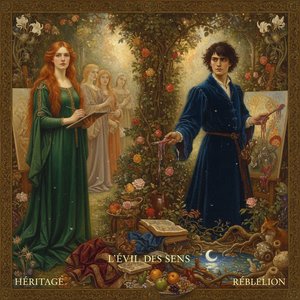
The Pre-Raphaelite Brotherhood: Reclaiming Beauty, Nature, and Truth in Victorian Art History
Explore the revolutionary Pre-Raphaelite Brotherhood. Discover how these visionary artists rejected academic tradition to reclaim beauty, nature, and truth through luminous detail and literary depth in Victorian art history.

Dante Gabriel Rossetti: 25 Remek-dela Pre-Raphaelita i Inspiracija za Vaš Dom
Istražite 25 remek-dela Dante Gabriel Rossettija, ikone Pre-Raphaelita! Otkrijte priče iza slika, simbolizam i inspiraciju za vaš dom. Kvalitetne reprodukcije na OriginalUniqueArt.com.

The Pre-Raphaelite Brotherhood: Rediscovering Romanticism, Mythological Depth, and Vivid Detail in Victorian Art
Explore the breathtaking world of the Pre-Raphaelite Brotherhood. Discover how this movement redefined Victorian art through vivid detail, mythological depth, and romanticism. An expert guide for classic art enthusiasts seeking to rediscover these timeless masterpieces.


