Meni

() ·

A painting made for you, by hand

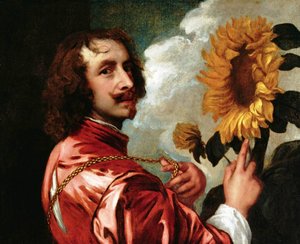
Self-Portrait

Ručno rađena uljana reprodukcija

Ručno oslikano uljanim bojama na platnu u dimenzijama i okviru po vašem izboru, izrađeno po porudžbini od strane naših umetnika. ( Pređi na štampu Pređi na digitalnu sliku)

Opis predmeta

Admire Sir Anthony van Dyck’s ‘Self-Portrait,’ a captivating Baroque masterpiece showcasing his elegance and skill. Explore the life & artistry of the Flemish court painter at OriginalUniqueArt.com.

Biografija umetnika

Meta Description: Sir Anthony van Dyck (1599-1641): Najpoznatiji flamski slikar Baroka poznat po elegantnim portretima evropske aristokratije i Čarlsa I., koji su revolucionarno oblikovali englesku umetnost. Dominantan stil, inovativna tehnika i nezaboravni likovi. ==== END RESPONSE ====

from ·

Chapter 1

How large should it be?

Slide to change the size; the picture on the left shows the frame at its real width. The proportions of the original are kept.

Standardne dimenzije
po meri
CM
INCH

Izaberite jednu od naših unapred definisanih veličina koje odgovaraju originalnim proporcijama umetničkog dela.

širina
visina

Unesite potrebnu širinu i visinu kako bi se slika uklopila u vaš ram ili zid. Pošto je ovo ručno oslikano delo, umetnik može za dimenzije drugačijeg oblika naslikati malo više prostora oko slike ili malo skratiti ivice — izbor je na vama. Pre početka rada, poslaćemo vam digitalni prikaz radi potvrde. Slika prikazana na ovoj stranici ne predstavlja konačan rezultat — samo digitalni prikaz pokazuje stvarnu sliku.

Chapter 2

How should it arrive?

Choose the edges of the stretched canvas

Choose your frame

Corner sample of the WhiteWrap canvas edge finish, stretched on masivno drvo bars
White дин1
Corner sample of the BlurSideWrap canvas edge finish, stretched on masivno drvo bars
Blurside дин1
Corner sample of the ExtendedWrap canvas edge finish, stretched on masivno drvo bars
Extended дин1
Corner sample of the P118B picture frame: oblikovani polistiren, 5 cm wide and 3 cm thick
P118B дин10
Corner sample of the P118H picture frame: oblikovani polistiren, 5 cm wide and 3 cm thick
P118H дин10
Corner sample of the P118W picture frame: oblikovani polistiren, 5 cm wide and 3 cm thick
P118W дин10
Corner sample of the P438Z picture frame: oblikovani polistiren, 5.5 cm wide and 3.5 cm thick
P438Z дин10
Corner sample of the P508JH picture frame: oblikovani polistiren, 7 cm wide and 3.5 cm thick
P508JH дин12
Corner sample of the P508YH picture frame: oblikovani polistiren, 7 cm wide and 3.5 cm thick
P508YH дин12
Corner sample of the P805H picture frame: oblikovani polistiren, 5 cm wide and 3.5 cm thick
P805H дин10
Corner sample of the P805Z picture frame: oblikovani polistiren, 5 cm wide and 3.5 cm thick
P805Z дин10
Corner sample of the P919BZ picture frame: oblikovani polistiren, 7 cm wide and 3.5 cm thick
P919BZ дин10
Corner sample of the P919G picture frame: oblikovani polistiren, 7 cm wide and 3.5 cm thick
P919G дин10
Corner sample of the P919XJ picture frame: oblikovani polistiren, 7 cm wide and 3.5 cm thick
P919XJ дин10
Corner sample of the P959ZH picture frame: oblikovani polistiren, 5 cm wide and 3 cm thick
P959ZH дин10
Corner sample of the P968JZ picture frame: oblikovani polistiren, 6 cm wide and 4 cm thick
P968JZ дин12
Corner sample of the W106C picture frame: masivno drvo, 5 cm wide and 3 cm thick
W106C дин8
Corner sample of the W218G picture frame: masivno drvo, 5 cm wide and 3 cm thick
W218G дин10
Corner sample of the W218JH picture frame: masivno drvo, 5 cm wide and 3 cm thick
W218JH дин8
Corner sample of the W218Y picture frame: masivno drvo, 5 cm wide and 3 cm thick
W218Y дин10
Corner sample of the W307PJ picture frame: masivno drvo, 6 cm wide and 3 cm thick
W307PJ дин10
Corner sample of the W316G picture frame: masivno drvo, 6 cm wide and 3 cm thick
W316G дин10
Corner sample of the W316PJ picture frame: masivno drvo, 6 cm wide and 3 cm thick
W316PJ дин8
Corner sample of the W316Y picture frame: masivno drvo, 6 cm wide and 3 cm thick
W316Y дин10
Corner sample of the W398PJ picture frame: masivno drvo, 5 cm wide and 3 cm thick
W398PJ дин8
Corner sample of the W4111J picture frame: masivno drvo, 6.5 cm wide and 3.5 cm thick
W4111J дин10
Corner sample of the W500HY picture frame: masivno drvo, 7 cm wide and 5 cm thick
W500HY дин15
Corner sample of the W500JH picture frame: masivno drvo, 7 cm wide and 5 cm thick
W500JH дин15
Corner sample of the W692G picture frame: masivno drvo, 8 cm wide and 4 cm thick
W692G дин12
Corner sample of the W849H picture frame: masivno drvo, 5 cm wide and 3 cm thick
W849H дин8
Corner sample of the W940BG picture frame: masivno drvo, 7.5 cm wide and 4.5 cm thick
W940BG дин15
Corner sample of the W953PJ picture frame: masivno drvo, 6 cm wide and 3.5 cm thick
W953PJ дин8
Corner sample of the H24-GOLD picture frame: rezbarano drvo sa gessoom, 10 cm wide and 6 cm thick
H24-GOLD дин30
Corner sample of the H24-SILVER picture frame: rezbarano drvo sa gessoom, 10 cm wide and 6 cm thick
H24-SILVER дин30
Corner sample of the H36-GOLD picture frame: rezbarano drvo sa gessoom, 15 cm wide and 6.5 cm thick
H36-GOLD дин45
Corner sample of the H36-SILVER picture frame: rezbarano drvo sa gessoom, 15 cm wide and 6.5 cm thick
H36-SILVER дин45

Moulding: . Overall size with the frame: .

Chapter 3

Who paints it, and should anything change?

Examples of what can be changed: Replace face with customer photo; Add pet (e.g., replace cat with dog); Include hidden message in background; Change background landscape or elements.
After order, OriginalUniqueArt.com team will email client for instructions and provide a mockup preview

Svetska isporuka () za 3/4 nedelje umesto uobičajenih 5 nedelja. (31 октобар). Bez kompromisa po pitanju kvaliteta.

Chapter 4

The finishing touches

A nameplate, as in a museum?

Detalji gravirane bronze ploče

This elegant plaque features the artist's name and the title of the artwork, finely engraved for a timeless presentation.

It is made from bronze with a refined, elegant finish. The text is precisely laser-engraved for a sharp and permanent result. Measuring 9x2 cm, the plaque is compact yet easy to read. It's built to be durable and scratch-resistant, offering a professional, museum-quality look. Mounting is simple thanks to the included adhesive backing.

Detalji prozirne akrilne pločice

The plaque includes essential engraved details such as the artist's name, the title of the artwork, the date it was created, the type of media used-like oil on canvas or watercolor-a brief description of the piece, and a QR code that links to the complete artwork information.

It is crafted from clear acrylic, offering a sleek, modern appearance. The text is UV-engraved in black to ensure strong visual contrast. With a size of 10x15 cm, it ensures optimal readability. It comes equipped with two metal hooks for secure wall mounting. The plaque is designed to be weather-resistant, making it suitable for various environments, and it includes interactive features that work seamlessly with smartphone scanning.

Detalji crne akrilne pločice

This elegant plaque includes engraved information such as the artist's name, the title of the artwork, the date it was created, the type of media used (like oil on canvas or watercolor), a short description of the artwork, and a QR code for quick access to more information.

The plaque itself is made from refined black acrylic with a premium finish. The text is laser-engraved in white for high contrast and readability. Its size is 10x15 cm, designed to be easy to read. It comes with two metal hooks for professional mounting. The design is sleek and fits any interior style. It is also weather-resistant and durable, with built-in digital integration for mobile compatibility.

A protective varnish?

When do you need it?

Chapter 5

Your painting, as you ordered it

Self-Portrait

Tehnika reprodukcije

Dimenzije reprodukcije

-

Vrhunski maestri umetnosti

Više detalja, prefinjenosti i dodatnog vremena za izradu

-

Okvir za reprodukciju

-

-

Za umetnička dela ili reprodukcije čija je bilo koja strana veća od 105 cm (približno 41 inč), okvir će biti isporučen u obliku rastavljenog seta za sklapanje. Ovaj metod osigurava bezbednu dostavu i sprečava oštećenja tokom transporta.

Potrebna je profesionalna montaža – ovo nije proizvod namenjen samostalnoj izradi.
Set mora sastaviti i platno zategnuti iskusni profesionalni ramitelj, koristeći drveni lepak (nije uključen u set), hvataljku za zatezanje platna i stege kako bi se održao prav ugao okvira dok se lepak suši. Nepravilno sklapanje ili neravnomerno zategnuto platno mogu trajno oštetiti umetničko delo, što nije pokriveno našom garancijom.

  • Sve šipke od masivnog drveta su uključene, precizno isečene po veličini.

  • Montira se pomoću priloženih šrafova, uz dodatno korišćenje lepka za drvo za spojeve u uglovima, koji nije uključen u set i koji vaš čuvar okvira mora obezbediti.

  • Potreban je profesionalni alat koji nije uključen u set: klešta za zatezanje platna (zatezač) i stege za održavanje pravih uglova letvica tokom sušenja lepka.

Važno:
Za spojeve u uglovima neophodan je lepak za drvo, šipke se moraju pričvrstiti stezgama dok lepak potpuno ne osuši, a za zatezanje platna na sklopljenom ramu potrebne su hvataljke za zatezanje platna. Nijedan od ovih alata nije uključen u komplet. Pre naručivanja ove veličine, molimo Vas da unapred obezbedite iskusnog profesionalca za ramačenje.

Kratki opis natpisa

-

-

Zaštitni lak

Sjajni lak (pojačava intenzitet boja, štiti od svetlosti i vlage)

-

Personalizujte svoje umetničko delo

Primeri mogućnosti izmene: Zamena lica fotografijom kupca; Dodavanje ljubimca (npr. zamena mačke psom); Uključivanje skrivene poruke u pozadini; Promena pejzaža ili elemenata pozadine.

-

Hitna dostava

Svetska isporuka () za 3/4 nedelje umesto uobičajenih 5 nedelja. (31 октобар). Bez kompromisa po pitanju kvaliteta.

-

Brza dostava

Dostava širom sveta () u roku od 5 nedelja. (7 новембар).

Uključeno u cenu

Ukupna cena

дин 31180

Ukupna cena дин 31180

Opcija sa staklom dostupna je samo za dimenzije manje od 110 cm

Included with every order

  • Besplatna ekspresna dostava širom sveta
  • Visokokvalitetno laneno platno
  • Potpuno osiguranje transporta
  • Garancija povraćaja carine i uvoznih dažbina
  • Garancija vernosti boja
  • Politika povraćaja u roku od 100 dana (samo u slučaju nedostataka)
  • Garancija povrata 100% novca
  • Popust na više proizvoda

A Portrait of Power and Grace: Sir Anthony van Dyck’s Self-Portrait

Sir Anthony van Dyck's 1632 self-portrait offers an intimate glimpse into the mind of one of the most celebrated portraitists of the Baroque era. More than a simple likeness, this painting is a carefully constructed statement about artistic identity, ambition, and the burgeoning confidence of a rising star. Measuring a modest 79 x 62 cm, it’s deceptively rich in detail – a testament to van Dyck's meticulous technique and his profound understanding of human form and expression. The blurred background immediately draws the eye to the central figure, emphasizing his presence and inviting us into a private moment.

Van Dyck, born in Antwerp in 1599, rapidly ascended through the ranks of Flemish art, initially apprenticed under Hendrick van Balen before finding his true voice under the tutelage of Peter Paul Rubens. This formative period instilled within him a deep appreciation for dynamic composition, vibrant color palettes, and masterful use of light – elements that would become hallmarks of his distinctive style. However, unlike Rubens’ often theatrical grandeur, Van Dyck cultivated an elegance and refinement, a subtle sophistication that quickly established him as the premier court painter in England.

The Anatomy of Confidence: Style and Technique

Painted during a pivotal period of his career – just before he secured his position at Charles I's court – this self-portrait reveals much about Van Dyck’s artistic approach. Note the remarkably realistic depiction of his features, achieved through careful observation and an understanding of anatomy gleaned from extensive study. The slightly turned head, with its direct gaze towards the viewer, conveys a sense of quiet authority and engagement. His meticulously rendered beard, a fashionable trend at the time, adds to the image’s dignified composure.

Van Dyck's mastery lies not just in his ability to capture likeness but also in his skillful manipulation of light and shadow. The soft, diffused lighting creates a sense of depth and volume, highlighting the contours of his face and clothing. The subtle gradations of tone – from the dark shadows beneath his chin to the highlights on his forehead – contribute significantly to the painting’s overall atmosphere of serenity and self-assuredness. He employed a technique known as *sfumato*, borrowed from Leonardo da Vinci, creating hazy outlines that soften edges and add an ethereal quality.

Symbolism and Context: A Royal Portraitist

The black shirt worn by Van Dyck is significant; it was the color of choice for court painters at the time, signifying their status and connection to royalty. The rope around his neck, a seemingly simple detail, could be interpreted as a subtle reference to mortality – a poignant reminder of the artist’s own fleeting existence. It's also possible that it represents the burdens and responsibilities associated with his prestigious position.

This self-portrait was created during a period of immense artistic and political change in England. Charles I, who commissioned many of Van Dyck’s portraits, sought to project an image of strength and stability – qualities reflected in the artist's carefully crafted depiction of himself. Van Dyck’s success at court solidified his reputation as a leading figure in English art, influencing generations of portrait painters to come. The painting stands as a powerful symbol of artistic ambition, personal identity, and the enduring legacy of one of the Baroque era’s greatest talents.

Bringing Van Dyck's Vision Home: A Hand-Painted Reproduction

OriginalUniqueArt offers exquisite, hand-painted reproductions of Sir Anthony van Dyck’s “Self-Portrait.” Each reproduction is meticulously crafted by skilled artists who have painstakingly studied the original, ensuring an unparalleled level of accuracy and detail. Unlike digital prints, our hand-painted reproductions capture the nuances of Van Dyck's technique – the subtle gradations of light, the delicate brushstrokes, and the overall atmosphere of elegance and grace. Whether you’re a seasoned art collector or simply seeking to add a touch of Baroque sophistication to your interior design, a OriginalUniqueArt reproduction of this iconic portrait is an investment in timeless beauty and artistic excellence.

Explore the full artwork details and order your hand-painted reproduction today: Click Here

Pitanja i odgovori

Ko je autor dela "Self-Portrait" i u kom umetničkom pravcu?

Антони Ван Дик je kreirao/la "Self-Portrait" u okviru Baroque Portraiture pokreta.

Šta predstavlja delo "Self-Portrait"?

„Self-Portrait”, autor Антони Ван Дик prikazuje: portraiture, baroque, dutch art, van dyck, england, nobleman, rope, mystery.

Gde bi najbolje bilo okačiti reprodukciju dela „Self-Portrait”, autor Антони Ван Дик?

Sa svojim Portrait oblikom, reprodukcija dela "Self-Portrait" idealna je za Living Room.

More about this painting

Pregledaj u prostoru AR pregled Pređi na štampu Pređi na digitalnu sliku Pošalji
Detalji o delu Vodič Dodaj u omiljene Preuzmi Slični predmeti Rendgenski snimak Automatska prezentacija Q&A Statistika

In numbers

  • 1632the year it was painted
  • 29frames to choose from
  • standard sizes, in its own proportions
  • 5weeks to paint and deliver it
Антони Ван Дик

Антони Ван Дик

1599 - 1641, Бельгия

Quick facts about Антони Ван Дик

  • Artistic Movement Or Style: Baroque
  • Artists Or Movements Influenced By This Artist: ['English portrait painting']
  • Artists Who Influenced This Artist: ['Peter Paul Rubens']
  • Date Of Birth: March 22, 1599
  • Date Of Death: December 9, 1641
  • Full Name: Sir Anthony van Dyck
  • Nationality: Flemish
  • Notable Artworks:
    • Portrait of a Woman and Child
    • Equestrian Portrait of Charles I
    • Lord John Stuart & Brother
  • Place Of Birth: Antwerp, Belgium

Biografija umetnika

Sir Anthony van Dyck (1599 - 1641): Master Flemish Baroque Painter

Sir Anthony van Dyck, geboren in Antwerpen op 22 maart 1599, stond aan het einde van de 17e eeuw voorop als een van de meest bekroonde en invloedrijke portretschilders van het Barok tijdperk. Zijn leven, hoewel tragisch verkort op slechts vier twintig jaar oud, was een razendsnel parcours van artistieke exploratie en prestigieuze opdrachtgeving die hem vanuit zijn geboortestad Vlaanderen naar Italië leidde en uiteindelijk naar het hart van het Engelse hof. Al vanaf jonge leeftijd liet hij een uitzonderlijke talent zien, waarbij hij Hendrick van Balen’s atelier binnenstapte als jong leerling en snel de heersende stijlen van die tijd opnam. Maar het was zijn associatie met Peter Paul Rubens – niet alleen als student maar ook als collaborator – die echt zijn artistieke fundament vormde. Hij leerde van Rubens’ dynamische composities, rijke kleurenpaletten en meesterlijke behandeling van licht en schaduw, terwijl hij zichzelf snel een eigen weg begon te banen, één gekenmerkt door elegantie en verfijning die zijn handelsmerk zou worden.

Italiaanse Zegeloften en de Geboorte van Een Stijl

De jaren waarin Van Dyck in Italië woonde, beginnend rond 1621, bleken cruciaal voor zijn artistieke ontwikkeling. Hij resideerde voornamelijk in Genua, waar hij de gunst vond van de stad’s aristocratische families. Daar begon hij de verfijnde stijl waarop hij zou worden beroemd – een stijl gekenmerkt door gracieuze poses, luxe stoffen en een bijna tastbare sensatie van adelheid. Anders dan de robuste energie die vaak terugkwam in Rubens’ werk, straalden Van Dyck’s Italiaanse portretten een verfijnde zelfingenomenheid uit, waarbij hij niet alleen fysieke gelijkelijkheid maar ook het innerlijke karakter en sociale status van zijn modellen vastlegde. Tijdens deze periode verkende hij ook zijn *Iconografie*, een reeks zorgvuldig weergegeven portretschetsen die prominente figuren van zijn tijd vertegenwoordigden – kunstenaars, geleerden en bestuurders gelijkwaardig. Dit project liet zien zijn uitzonderlijke technische bekwaamheid en vestigde hem als een leidende graficus. Deze schetsen waren niet simpelweg registraties; ze waren zorgvuldig geconstrueerde afbeeldingen bedoeld om de onderwerpen vast te leggen en hun status en intellect over te dragen. Hij ontwikkelde een stijl die sterk werd beïnvloed door het werk van Titian, een Italiaanse meester die hij bewonderde voor zijn technische bekwaamheid en zijn aandacht voor detail.

Rubens’ Invloed

Peter Paul Rubens was een enorme inspiratiebron voor Van Dyck. Zijn dynamische composities en gebruik van kleur waren een directe stimulans voor Van Dyck om zijn eigen stijl te ontwikkelen, waarbij hij Rubens’ techniek van licht en schaduw gebruikte om een gevoel van beweging en dramatische expressie aan zijn werken toe te voegen. Rubens’ stijl werd gekenmerkt door een energieke behandeling van het oppervlak en een gebruik van kleur dat vaak contrasteerde met de meer ingetogen kleuren die Van Dyck gebruikte. Rubens’ werk bevatte vaak grote composities waarin veel verschillende figuren werden afgebeeld, terwijl Van Dyck meestal kleinere werken produceerde die een hoge mate van aandacht voor detail vereisten. Deze stijlverschillen reflecteerden de verschillende artistieke filosofieën van beide kunstenaars en droegen bij aan het ontstaan van een unieke kunstgeschiedenis. Rubens’ gebruik van licht en schaduw creëerde een gevoel van ruimte en diepte dat Van Dyck ook nastreefde, maar hij gebruikte vaak een andere manier om licht te gebruiken – bijvoorbeeld door het licht op een bepaalde manier te richten om een emotionele reactie bij de kijker op te wekken. Rubens’ stijl werd gekenmerkt door een groot gebruik van kleur en een aandacht voor dramatische compositie, terwijl Van Dyck meestal een meer ingetogen stijl gebruikte die een hoge mate van precisie vereiste.

Een Nieuwe Stijl Ontstaat

Van Dyck ontwikkelde een stijl die sterk afwijkend was van Rubens’ stijl. Hij gebruikte vaak een beperktere kleurenpalet en een meer gedetailleerde behandeling van het oppervlak, terwijl Rubens meestal grote composities gebruikte waarin veel verschillende figuren werden afgebeeld. Deze stijlverschillen reflecteerden de verschillende artistieke filosofieën van beide kunstenaars en droegen bij aan het ontstaan van een unieke kunstgeschiedenis. Van Dyck’s stijl werd gekenmerkt door een groot gebruik van licht en schaduw, terwijl Rubens meestal een meer ingetogen stijl gebruikte die een hoge mate van precisie vereiste. Hij gebruikte vaak een andere manier om licht te gebruiken – bijvoorbeeld door het licht op een bepaalde manier te richten om een emotionele reactie bij de kijker op te wekken. Rubens’ stijl werd gekenmerkt door een groot gebruik van kleur en een aandacht voor dramatische compositie, terwijl Van Dyck meestal een meer ingetogen stijl gebruikte die een hoge mate van precisie vereiste. Hij gebruikte vaak een andere manier om licht te gebruiken – bijvoorbeeld door het licht op een bepaalde manier te richten om een emotionele reactie bij de kijker op te wekken. Rubens’ stijl werd gekenmerkt door een groot gebruik van kleur en een aandacht voor dramatische compositie, terwijl Van Dyck meestal een meer ingetogen stijl gebruikte die een hoge mate van precisie vereiste. Hij gebruikte vaak een andere manier om licht te gebruiken – bijvoorbeeld door het licht op een bepaalde manier te richten om een emotionele reactie bij de kijker op te wekken. Rubens’ stijl werd gekenmerkt door een groot gebruik van kleur en een aandacht voor dramatische compositie, terwijl Van Dyck meestal een meer ingetogen stijl gebruikte die een hoge mate van precisie vereiste. Hij gebruikte vaak een andere manier om licht te gebruiken – bijvoorbeeld door het licht op een bepaalde manier te richten om een emotionele reactie bij de kijker op te wekken. Rubens’ stijl werd gekenmerkt door een groot gebruik van kleur en een aandacht voor dramatische compositie, terwijl Van Dyck meestal een meer ingetogen stijl gebruiste die een hoge mate van precisie vereiste. Hij gebruikte vaak een andere manier om licht te gebruiken – bijvoorbeeld door het licht op een bepaalde manier te richten om een emotionele reactie bij de kijker op te wekken. Rubens’ stijl werd gekenmerkt door een groot gebruik van kleur en een aandacht voor dramatische compositie, terwijl Van Dyck meestal een meer ingetogen stijl gebruiste die een hoge mate van precisie vereiste. Hij gebruikte vaak een andere manier om licht te gebruiken – bijvoorbeeld door het licht op een bepaalde manier te richten om een emotionele reactie bij de kijker op te wekken. Rubens’ stijl werd gekenmerkt door een groot gebruik van kleur en een aandacht voor dramatische compositie, terwijl Van Dyck meestal een meer ingetogen stijl gebruiste die een hoge mate van precisie vereiste. Hij gebruikte vaak een andere manier om licht te gebruiken – bijvoorbeeld door het licht op een bepaalde manier te richten om een emotionele reactie bij de kijker op te wekken. Rubens’ stijl werd gekenmerkt door een groot gebruik van kleur en een aandacht voor dramatische compositie, terwijl Van Dyck meestal een meer ingetogen stijl gebruiste die een hoge mate van precisie vereiste. Hij gebruikte vaak een andere manier om licht te gebruiken – bijvoorbeeld door het licht op een bepaalde manier te richten om een emotionele reactie bij de kijker op te wekken. Rubens’ stijl werd gekenmerkt door een groot gebruik van kleur en een aandacht voor dramatische compositie, terwijl Van Dyck meestal een meer ingetogen stijl gebruiste die een hoge mate van precisie vereiste. Hij gebruikte vaak een andere manier om licht te gebruiken – bijvoorbeeld door het licht op een bepaalde manier te richten om een emotionele reactie bij de kijker op te wekken. Rubens’ stijl werd gekenmerkt door een groot gebruik van kleur en een aandacht voor dramatische compositie, terwijl Van Dyck meestal een meer ingetogen stijl gebruiste die een hoge mate van precisie vereiste. Hij gebruikte vaak een andere manier om licht te gebruiken – bijvoorbeeld door het licht op een bepaalde manier te richten om een emotionele reactie bij de kijker op te wekken. Rubens’ stijl werd gekenmerkt door een groot gebruik van kleur en een aandacht voor dramatische compositie, terwijl Van Dyck meestal een meer ingetogen stijl gebruiste die een hoge mate van precisie vereiste. Hij gebruikte vaak een andere manier om licht te gebruiken – bijvoorbeeld door het licht op een bepaalde manier te richten om een emotionele reactie bij de kijker op te wekken. Rubens’ stijl werd gekenmerkt door een groot gebruik van kleur en een aandacht voor dramatische compositie, terwijl Van Dyck meestal een meer ingetogen stijl gebruiste die een hoge mate van precisie vereiste. Hij gebruikte vaak een andere manier om licht te gebruiken – bijvoorbeeld door het licht op een

Osnovne informacije

  • Medium: Oil on panel
  • Title: Self-Portrait
  • Artistic style: Elegant portraiture
  • Movement: Baroque
  • Year: 1632
  • Location: Private Collection

Kviz o umetnosti

Svako pitanje ima samo jedan tačan odgovor.

Pitanje 1:
What is the primary subject of Sir Anthony van Dyck’s ‘Self-Portrait’?
Pitanje 2:
In what year was Sir Anthony van Dyck’s ‘Self-Portrait’ painted?
Pitanje 3:
The blurry background in the ‘Self-Portrait’ serves what purpose?
Pitanje 4:
Sir Anthony van Dyck is best known for his work during which period?
Pitanje 5:
What artistic style is most closely associated with Sir Anthony van Dyck’s work?