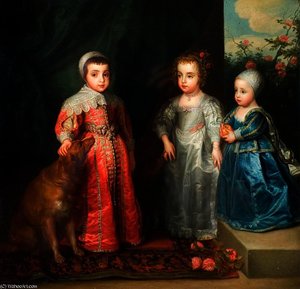
Pregledaj u prostoru
 Pošalji
 Podeli
 Detalji o delu
 Vodič
Vodič

 Preuzmi
 Slični predmeti
 Rendgenski snimak
 Automatska prezentacija
 Q&A
Q&A Statistika
Cupid and Psyche

- 199.0 x 191.0 cm


 Pročitaj više
Giclee štampa / Umetnički otisak
Giclée štampa ili print na platnu muzejskog kvaliteta uz brzu izradu i raznovrsne opcije završne obrade. ( Kupite ručno oslikano delo Pređi na digitalnu sliku)




P118B дин10

P118H дин10

P118W дин10

P438Z дин10

P508JH дин12

P508YH дин12

P805H дин10

P805Z дин10

P919BZ дин10

P919G дин10

P919XJ дин10

P959ZH дин10

P968JZ дин12

W106C дин8

W218G дин10

W218JH дин8

W218Y дин10

W307PJ дин10

W316G дин10

W316PJ дин8

W316Y дин10

W398PJ дин8

W4111J дин10

W500HY дин15

W500JH дин15

W692G дин12

W849H дин8

W940BG дин15

W953PJ дин8




Izaberite jednu od naših unapred definisanih veličina koje odgovaraju originalnim proporcijama umetničkog dela.

Unesite željenu širinu i visinu kako bi se štampa uklopila u vaš ram ili zid. Štampu je moguće samo iseći, ali nikada povećati iznad dimenzija originalne slike, stoga format sa drugačijim proporcijama uzrokuje gubitak dela slike. Pre početka štampe, poslaćemo vam digitalni prikaz radi potvrde. Slika prikazana na ovoj stranici ne predstavlja stvarni isrez — to pokazuje samo digitalni prikaz.
Dostava širom sveta () za 2 nedelje umesto uobičajenih 4/5 nedelja. (2 новембар)

Besplatna ekspresna dostava širom sveta

Visokokvalitetno laneno platno

Potpuno osiguranje transporta

Garancija povraćaja carine i uvoznih dažbina

Garancija vernosti boja

Politika povraćaja u roku od 100 dana (samo u slučaju nedostataka)

Garancija povrata 100% novca

Popust na više proizvoda
 Opcija sa staklom dostupna je samo za dimenzije manje od 110 cm

Cupid and Psyche
Giclee štampa / Umetnički otisak
Dimenzije reprodukcije
-


Ukupna cena
дин 8366
A Baroque Embrace: Van Dyck’s “Cupid and Psyche”
Anthony van Dyck's "Cupid and Psyche," painted in 1640, is more than just a depiction of a mythological romance; it’s a distillation of the Baroque spirit – a moment suspended between earthly desire and divine grace. This exquisite work, nearing the end of Van Dyck’s tragically short life, reveals an artist at the peak of his powers, seamlessly blending influences from Titian with his own distinctive elegance. The painting immediately draws the eye to the tender interaction between Cupid and Psyche, rendered with a remarkable sensitivity rarely seen in works of such grand narrative. It's a scene brimming with quiet intimacy, yet charged with an underlying current of potent emotion.
Composition and Technique: A Dance of Light and Shadow
Van Dyck’s mastery lies not just in his subject matter but in the way he executes it. The composition is a carefully orchestrated diagonal, guiding the viewer's eye from the sleeping Psyche, bathed in soft light, towards the poised figure of Cupid. His technique is characterized by an astonishing delicacy – a thinly applied paint that allows subtle shifts in tone and texture to emerge. You can almost feel the artist’s hand moving across the canvas, creating a sense of immediacy and spontaneity. Notice how he uses broken color, layering hues rather than blending them completely, contributing to the painting's luminous quality. The background landscape, rendered with atmospheric perspective, subtly recedes into the distance, further emphasizing the intimacy of the central scene. The unfinished quality, perhaps reflecting the haste of its creation or Van Dyck’s untimely death, adds a poignant layer of vulnerability to this otherwise idealized portrayal.
Myth and Meaning: Echoes of Apuleius and Divine Intervention
“Cupid and Psyche” is rooted in Ovid's *Metamorphoses* and later retold by Apuleius in *The Golden Ass*, a tale of love, deception, and ultimately, reconciliation. The story itself speaks to the transformative power of affection and the overcoming of obstacles through devotion. Within the painting, the angel in the background serves as a potent symbol of divine approval – a silent witness to this sacred union. The tree behind the lovers is not merely decorative; it’s a traditional emblem of fertility and rebirth, mirroring the blossoming of their love. The act of Cupid gently kissing Psyche's forehead isn’t simply a romantic gesture; it represents the merging of earthly and divine realms, suggesting that true love transcends the limitations of mortality.
Historical Context and Artistic Legacy
Van Dyck created “Cupid and Psyche” during his time as court painter to Charles I of England. This commission highlights the painting’s significance within the broader context of royal celebrations, potentially linked to Princess Mary's marriage in 1641. The work stands as a testament to Van Dyck’s ability to translate the Italian *poesia* tradition – a focus on elegant storytelling and emotional depth – into a distinctly Northern European style. It exemplifies his unique approach to mythological subjects, prioritizing psychological realism and nuanced emotion over purely decorative elements. The painting's influence can be seen in subsequent generations of artists, solidifying Van Dyck’s place as one of the most important figures in Baroque art.
A hand-painted reproduction from OriginalUniqueArt.com offers a remarkable opportunity to experience the beauty and emotional resonance of this masterpiece firsthand. Its scale – 199 x 191 cm – ensures that every detail, from the delicate brushstrokes to the subtle shifts in light and shadow, is fully appreciated. Bring the timeless romance of “Cupid and Psyche” into your home or office—a captivating addition for any art lover.
Pitanja i odgovori
Kolika je percepcija osvetljenosti dela „Cupid and Psyche”, autor Антони Ван Дик?
U pogledu percepcije osvetljenosti, „Cupid and Psyche”, autor Антони Ван Дик je deep_shadow.
Preporučena veličina štampe za delo "Cupid and Psyche" je?
Preporučena veličina štampe za rad "Cupid and Psyche" je Large. Dostupne su i druge veličine istih proporcija.
Odakle dolaze posetioci dela „Cupid and Psyche”, autor Антони Ван Дик?
Statistika za „Cupid and Psyche”, autor Антони Ван Дик dostupna je na stranici Statistika ovog umetničkog dela: mesečni broj poseta delu, broj poseta radovima umetnika, kao i pregled nedavnih posetilaca prema zemljama i jezicima.
Biografija umetnika
Sir Anthony van Dyck (1599 - 1641): Master Flemish Baroque Painter
Sir Anthony van Dyck, geboren in Antwerpen op 22 maart 1599, stond aan het einde van de 17e eeuw voorop als een van de meest bekroonde en invloedrijke portretschilders van het Barok tijdperk. Zijn leven, hoewel tragisch verkort op slechts vier twintig jaar oud, was een razendsnel parcours van artistieke exploratie en prestigieuze opdrachtgeving die hem vanuit zijn geboortestad Vlaanderen naar Italië leidde en uiteindelijk naar het hart van het Engelse hof. Al vanaf jonge leeftijd liet hij een uitzonderlijke talent zien, waarbij hij Hendrick van Balen’s atelier binnenstapte als jong leerling en snel de heersende stijlen van die tijd opnam. Maar het was zijn associatie met Peter Paul Rubens – niet alleen als student maar ook als collaborator – die echt zijn artistieke fundament vormde. Hij leerde van Rubens’ dynamische composities, rijke kleurenpaletten en meesterlijke behandeling van licht en schaduw, terwijl hij zichzelf snel een eigen weg begon te banen, één gekenmerkt door elegantie en verfijning die zijn handelsmerk zou worden.Italiaanse Zegeloften en de Geboorte van Een Stijl
De jaren waarin Van Dyck in Italië woonde, beginnend rond 1621, bleken cruciaal voor zijn artistieke ontwikkeling. Hij resideerde voornamelijk in Genua, waar hij de gunst vond van de stad’s aristocratische families. Daar begon hij de verfijnde stijl waarop hij zou worden beroemd – een stijl gekenmerkt door gracieuze poses, luxe stoffen en een bijna tastbare sensatie van adelheid. Anders dan de robuste energie die vaak terugkwam in Rubens’ werk, straalden Van Dyck’s Italiaanse portretten een verfijnde zelfingenomenheid uit, waarbij hij niet alleen fysieke gelijkelijkheid maar ook het innerlijke karakter en sociale status van zijn modellen vastlegde. Tijdens deze periode verkende hij ook zijn *Iconografie*, een reeks zorgvuldig weergegeven portretschetsen die prominente figuren van zijn tijd vertegenwoordigden – kunstenaars, geleerden en bestuurders gelijkwaardig. Dit project liet zien zijn uitzonderlijke technische bekwaamheid en vestigde hem als een leidende graficus. Deze schetsen waren niet simpelweg registraties; ze waren zorgvuldig geconstrueerde afbeeldingen bedoeld om de onderwerpen vast te leggen en hun status en intellect over te dragen. Hij ontwikkelde een stijl die sterk werd beïnvloed door het werk van Titian, een Italiaanse meester die hij bewonderde voor zijn technische bekwaamheid en zijn aandacht voor detail.Rubens’ Invloed
Peter Paul Rubens was een enorme inspiratiebron voor Van Dyck. Zijn dynamische composities en gebruik van kleur waren een directe stimulans voor Van Dyck om zijn eigen stijl te ontwikkelen, waarbij hij Rubens’ techniek van licht en schaduw gebruikte om een gevoel van beweging en dramatische expressie aan zijn werken toe te voegen. Rubens’ stijl werd gekenmerkt door een energieke behandeling van het oppervlak en een gebruik van kleur dat vaak contrasteerde met de meer ingetogen kleuren die Van Dyck gebruikte. Rubens’ werk bevatte vaak grote composities waarin veel verschillende figuren werden afgebeeld, terwijl Van Dyck meestal kleinere werken produceerde die een hoge mate van aandacht voor detail vereisten. Deze stijlverschillen reflecteerden de verschillende artistieke filosofieën van beide kunstenaars en droegen bij aan het ontstaan van een unieke kunstgeschiedenis. Rubens’ gebruik van licht en schaduw creëerde een gevoel van ruimte en diepte dat Van Dyck ook nastreefde, maar hij gebruikte vaak een andere manier om licht te gebruiken – bijvoorbeeld door het licht op een bepaalde manier te richten om een emotionele reactie bij de kijker op te wekken. Rubens’ stijl werd gekenmerkt door een groot gebruik van kleur en een aandacht voor dramatische compositie, terwijl Van Dyck meestal een meer ingetogen stijl gebruikte die een hoge mate van precisie vereiste.Een Nieuwe Stijl Ontstaat
Van Dyck ontwikkelde een stijl die sterk afwijkend was van Rubens’ stijl. Hij gebruikte vaak een beperktere kleurenpalet en een meer gedetailleerde behandeling van het oppervlak, terwijl Rubens meestal grote composities gebruikte waarin veel verschillende figuren werden afgebeeld. Deze stijlverschillen reflecteerden de verschillende artistieke filosofieën van beide kunstenaars en droegen bij aan het ontstaan van een unieke kunstgeschiedenis. Van Dyck’s stijl werd gekenmerkt door een groot gebruik van licht en schaduw, terwijl Rubens meestal een meer ingetogen stijl gebruikte die een hoge mate van precisie vereiste. Hij gebruikte vaak een andere manier om licht te gebruiken – bijvoorbeeld door het licht op een bepaalde manier te richten om een emotionele reactie bij de kijker op te wekken. Rubens’ stijl werd gekenmerkt door een groot gebruik van kleur en een aandacht voor dramatische compositie, terwijl Van Dyck meestal een meer ingetogen stijl gebruikte die een hoge mate van precisie vereiste. Hij gebruikte vaak een andere manier om licht te gebruiken – bijvoorbeeld door het licht op een bepaalde manier te richten om een emotionele reactie bij de kijker op te wekken. Rubens’ stijl werd gekenmerkt door een groot gebruik van kleur en een aandacht voor dramatische compositie, terwijl Van Dyck meestal een meer ingetogen stijl gebruikte die een hoge mate van precisie vereiste. Hij gebruikte vaak een andere manier om licht te gebruiken – bijvoorbeeld door het licht op een bepaalde manier te richten om een emotionele reactie bij de kijker op te wekken. Rubens’ stijl werd gekenmerkt door een groot gebruik van kleur en een aandacht voor dramatische compositie, terwijl Van Dyck meestal een meer ingetogen stijl gebruikte die een hoge mate van precisie vereiste. Hij gebruikte vaak een andere manier om licht te gebruiken – bijvoorbeeld door het licht op een bepaalde manier te richten om een emotionele reactie bij de kijker op te wekken. Rubens’ stijl werd gekenmerkt door een groot gebruik van kleur en een aandacht voor dramatische compositie, terwijl Van Dyck meestal een meer ingetogen stijl gebruiste die een hoge mate van precisie vereiste. Hij gebruikte vaak een andere manier om licht te gebruiken – bijvoorbeeld door het licht op een bepaalde manier te richten om een emotionele reactie bij de kijker op te wekken. Rubens’ stijl werd gekenmerkt door een groot gebruik van kleur en een aandacht voor dramatische compositie, terwijl Van Dyck meestal een meer ingetogen stijl gebruiste die een hoge mate van precisie vereiste. Hij gebruikte vaak een andere manier om licht te gebruiken – bijvoorbeeld door het licht op een bepaalde manier te richten om een emotionele reactie bij de kijker op te wekken. Rubens’ stijl werd gekenmerkt door een groot gebruik van kleur en een aandacht voor dramatische compositie, terwijl Van Dyck meestal een meer ingetogen stijl gebruiste die een hoge mate van precisie vereiste. Hij gebruikte vaak een andere manier om licht te gebruiken – bijvoorbeeld door het licht op een bepaalde manier te richten om een emotionele reactie bij de kijker op te wekken. Rubens’ stijl werd gekenmerkt door een groot gebruik van kleur en een aandacht voor dramatische compositie, terwijl Van Dyck meestal een meer ingetogen stijl gebruiste die een hoge mate van precisie vereiste. Hij gebruikte vaak een andere manier om licht te gebruiken – bijvoorbeeld door het licht op een bepaalde manier te richten om een emotionele reactie bij de kijker op te wekken. Rubens’ stijl werd gekenmerkt door een groot gebruik van kleur en een aandacht voor dramatische compositie, terwijl Van Dyck meestal een meer ingetogen stijl gebruiste die een hoge mate van precisie vereiste. Hij gebruikte vaak een andere manier om licht te gebruiken – bijvoorbeeld door het licht op een bepaalde manier te richten om een emotionele reactie bij de kijker op te wekken. Rubens’ stijl werd gekenmerkt door een groot gebruik van kleur en een aandacht voor dramatische compositie, terwijl Van Dyck meestal een meer ingetogen stijl gebruiste die een hoge mate van precisie vereiste. Hij gebruikte vaak een andere manier om licht te gebruiken – bijvoorbeeld door het licht op een bepaalde manier te richten om een emotionele reactie bij de kijker op te wekken. Rubens’ stijl werd gekenmerkt door een groot gebruik van kleur en een aandacht voor dramatische compositie, terwijl Van Dyck meestal een meer ingetogen stijl gebruiste die een hoge mate van precisie vereiste. Hij gebruikte vaak een andere manier om licht te gebruiken – bijvoorbeeld door het licht op een bepaalde manier te richten om een emotionele reactie bij de kijker op te wekken. Rubens’ stijl werd gekenmerkt door een groot gebruik van kleur en een aandacht voor dramatische compositie, terwijl Van Dyck meestal een meer ingetogen stijl gebruiste die een hoge mate van precisie vereiste. Hij gebruikte vaak een andere manier om licht te gebruiken – bijvoorbeeld door het licht op een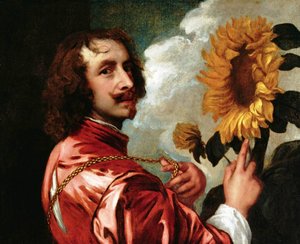
Антони Ван Дик
1599 - 1641 , Бельгия
Osnovne informacije
- Artistic Movement Or Style: Baroque
- Artists Or Movements Influenced By This Artist: ['English portrait painting']
- Artists Who Influenced This Artist: ['Peter Paul Rubens']
- Date Of Birth: March 22, 1599
- Date Of Death: December 9, 1641
- Full Name: Sir Anthony van Dyck
- Nationality: Flemish
- Notable Artworks:
- Portrait of a Woman and Child
- Equestrian Portrait of Charles I
- Lord John Stuart & Brother
- Place Of Birth: Antwerp, Belgium
Povezani članci
Sir Anthony van Dyck: Courtly Portraiture & the Shaping of Baroque Identity
Explore the life & legacy of Sir Anthony van Dyck, the leading court painter of his era. Discover his innovative portraiture, Baroque masterpieces, and investment potential for discerning collectors. Learn more at OriginalUniqueArt.

Rembrandt van Rijn: 25 Majstorstava Svetla i Senke za Vaš Dom | OriginalUniqueArt
Uronite u svet Rembrandta van Rijna! Otkrijte 25 najlepših dela holandskog majstora – portrete, istorijske scene i biblijska platna. Kvalitetne reprodukcije slika za dekoraciju enterijera dostupne na OriginalUniqueArt.com.
The Grandeur of Baroque Portraiture: Power, Emotion & Artistic Innovation
Explore the grandeur of Baroque portraiture! Discover Rubens, Van Dyck & the masters of 17th-century art. Uncover symbolism, techniques & lasting influence. Expert insights for collectors and enthusiasts.

Barok Majstor dela: Top 10 Umjetničkih Remeka za Vaš Dom
Otkrijte 10 remek dela koja su definisala baroknu umetnost! Karavagio, Bernini i više – istražite priče iza ovih ikoničnih slika. Inspiracija za vaš dom? Pogledajte kolekciju na OriginalUniqueArt.com!

Dutch Baroque Masters: 10 Paintings That Shaped an Era | OriginalUniqueArt
Journey through the Golden Age with our guide to the Top 10 Dutch Baroque masterpieces! Explore iconic paintings by Rembrandt, Vermeer & Frans Hals. Find museum-quality art reproductions and elevate your home decor at OriginalUniqueArt.com.