International Gothic · 1312
Window (Симоне Мартини, 1312)
Симоне Мартини (1284–1344) je napravio Window. Datirano je iz 1312. Pripada pokretu International Gothic. Izrađeno je u Acrylic On Canvas.
- 1312
- Acrylic On Canvas

 Pregledaj u prostoru

 Ručno oslikano uljanim bojama
 Pošalji
 Podeli
 Informativni list


 Preuzmi
 Slični predmeti
 Rendgenski snimak
 Automatska prezentacija
 Pitanja i odgovori

 Statistika
Window, ukratko
- Naslov
- Window
- Umetnik
- Симоне Мартини (1284–1344)
- Rođen/a u
- Сијена, Италија
- Datum
- 1312
- Tehnika
- Acrylic On Canvas
- Pokret
- International Gothic
- Tema
- stained_glass, medieval_art, siena, martini, religious_imagery, italian_painting
Šta prikazuje Window?
Simone Martini’s Window: A Fragment of Siena’s Gothic Soul
The painting “Window” by Simone Martini—a masterpiece executed in 1312—isn't merely an image; it’s a portal into the artistic fervor and spiritual contemplation of Siena during its zenith as a medieval principality. More than just depicting a simple architectural element, Martini transforms this commonplace feature into a vehicle for profound symbolism and masterful execution, embodying the very essence of International Gothic style. Its unassuming appearance belies the intricate artistry that defines it.- Subject Matter: The composition centers around a stained glass window—a motif prevalent in Sienese churches at the time—illuminated by diffused light. Within its frame are meticulously rendered figures, including human forms and avian creatures – doves symbolizing peace and divine grace – creating a harmonious blend of earthly and celestial realms.
- Style: Martini’s work exemplifies International Gothic style, characterized by delicate lines, luminous colors, and an emphasis on elegance and refinement. Unlike the harsher realism championed by Giotto di Bondone, Martini prioritizes beauty and expressive detail, prioritizing visual impact over strict anatomical accuracy. This stylistic choice reflects Siena's cultural aspirations during a period marked by papal patronage and artistic innovation.
- Technique: Martini employed tempera paint on panel—a technique favored for its vibrancy and durability—allowing him to achieve astonishing levels of color saturation and textural nuance. The artist’s meticulous layering of glaze, combined with painstaking attention to detail in rendering drapery folds and facial expressions, speaks volumes about his dedication to craftmanship.
Historical Context: Siena Under Papal Influence
Siena flourished as a center of papal diplomacy and artistic production during the early 14th century. The papacy actively encouraged artistic endeavors, fostering a competitive environment where artists like Martini sought to elevate their reputations through ambitious commissions—particularly those honoring religious saints. This patronage fueled stylistic experimentation and ensured that Siena’s art would resonate across Europe. Martini's "Window" stands as testament to this era of cultural dynamism and papal ambition.Symbolism: Light, Faith, and Divine Harmony
The window itself serves as a potent symbol—representing divine illumination and the gateway to spiritual understanding. The doves adorning the composition reinforce this theme, symbolizing purity, peace, and the Holy Spirit’s presence. Martini skillfully integrates these visual cues into a carefully balanced composition that reflects Siena's devout Catholic faith. The artist’s deliberate use of color—particularly blues and golds—further enhances the painting’s spiritual aura, conveying grandeur and transcendence.Emotional Impact: A Moment Frozen in Time
“Window” transcends mere representation; it evokes a feeling of serene contemplation and wonder. Martini's masterful rendering captures not only the visual beauty of the stained glass but also its emotional resonance—a reflection of Siena’s artistic spirit and its unwavering belief in divine grace. Viewing this artwork is akin to stepping back into a moment frozen in time, allowing oneself to be transported by the artistry and symbolism of a bygone era. It remains an enduring emblem of Gothic elegance and a captivating glimpse into the soul of medieval Siena.Slike visoke rezolucije za Window

Симоне Мартини, Window (1312). Javno dobro.
Boje su usklađene sa originalom od strane digitalnog stručnjaka, a datoteka je pažljivo retuširana, verno prateći poteze umetnika.
Preuzmite datoteku visoke rezolucijeOdgovori na pitanja o Window
U kojoj godini je nastalo delo „Window”, autor Симоне Мартини?
Delo „Window”, autor Симоне Мартини nastalo je 1312.
Kojom tehnikom je izrađeno "Window"?
Симоне Мартини je koristio/la tehniku Acrylic On Canvas za delo "Window". Ova tehnika definiše materijalnu prirodu originalnog dela.
Šta predstavlja delo "Window"?
Teme prisutne u delu „Window”, autor Симоне Мартини obuhvataju stained_glass, medieval_art, siena, martini, religious_imagery, italian_painting, figurative_composition, što zajedno sažima suštinu ovog umetničkog dela.
Da li se prikaz „Window”, autor Симоне Мартини može slobodno reprodukovati?
„Window”, autor Симоне Мартини pripada u javnom vlasništvu – autorska prava su istekla. Ovaj status određuje način na koji se slika dela može reprodukovati.
Ko je umetnik koji stoji iza dela "Window"?
Delo "Window" je kreirao/la Симоне Мартини. Informacije na ovoj stranici opisuju originalno delo umetnika Симоне Мартини.
Koji umetnički pravac obuhvata „Window”, autor Симоне Мартини?
„Window“ je delo International Gothic pokreta. Ovaj pokret označava umetničku tradiciju kojoj je delo pripada.
U kojoj periodi karijere umetnika Симоне Мартини pripada delo "Window"?
U okviru karijere umetnika Симоне Мартини, delo "Window" pripada periodu Mature Period, što omogućava poređenje sa drugim radovima ovog autora.
Koliko je godina imao/la Симоне Мартини kada je kreirao/la "Window" 1312. godine?
Kada je delo "Window" nastalo 1312. godine, Симоне Мартини – rođen/a 1284. godine – imao/la je 28 godina.
Šta objašnjava status autorskih prava za „Window”, autor Симоне Мартини?
„Window”, autor Симоне Мартини je u u javnom vlasništvu – autorska prava su istekla. Autorska prava traju od smrti umetnika, koja se dogodila 1344.
O umetniku, Симоне Мартини

1284–1344, Италија
Симоне Мартини
Simone Martini – Maestro dell’Eleganza e della GraziaSimone Martini, nato intorno al 1284 nella città di Siena, Italia, rappresenta una figura chiave nella transizione dall'arte medievale a quella rinascimentale. Non fu solo un pittore; architetto dell'eleganza, maestro della linea e del colore che infondeva ai suoi lavori una raffinatezza cortese che lo distingueva dai contemporanei come Giotto. Storicamente, i suoi primi anni di formazione sono oggetto di alcune controversie: alcuni suggeriscono un apprendistato presso Duccio di Buoninsegna, il più importante artista sienese dell'epoca, mentre altri fanno riferimento a Firenze e all'influenza di Giotto – Martini ebbe senza dubbio una strada artistica unica.L’Influenza della Via Francigena e delle Correnti Artistiche FrancesiLo stile di Martini si distingue immediatamente dalla monumentalità favorita a Firenze. Abbracciò una sensibilità delicata, caratterizzata da linee fluide, dettagli decorativi morbidi e un senso generale di grazia.
Takođe i Симоне Мартини
 Anuncijacija i dva svetnika1333
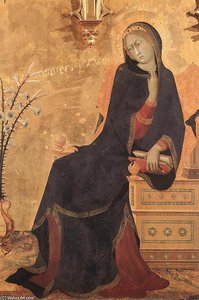 Javljanje i dva svetitelja (detalj)1333
 Javljanje sa Svetom Margaretom i Svetim Ansanom1333
 St Clare and St Elizabeth of Hungary1317
Eseji o delu Window
 25 Masterpieces by Duccio di Buoninsegna: The Dawn of Sienese ArtJourney through the Sienese School with our curated guide to Duccio di Buoninsegna’s top 25 masterpieces. From the Maesta to iconic Madonna…
 From Gold to Gravity: Italo-Byzantine Style vs. the Proto-RenaissanceMaster the shift from Byzantine gold to Proto-Renaissance naturalism. Learn to spot the evolution of art history today.
 14th century Italian paintersMasterpieces by Giotto and Duccio define the Trecento era. Explore museum-quality reproductions on OriginalUniqueArt.com.