Pregledaj u prostoru
 Podeli
 Podeli
 Detalji
 Vodič
Vodič

 Preuzmi sliku
 Slični predmeti
 Rendgenski snimak
 Automatska prezentacija
 Statistika
Crucifixion


 Pročitaj više
Ručno rađena uljana reprodukcija
Ručno oslikano uljanim bojama na platnu u dimenzijama i okviru po vašem izboru, izrađeno po porudžbini od strane naših umetnika. ( Pređi na prodaju štampanih primeraka Pređi na prodaju digitalnih slika)




P118B дин10

P118H дин10

P118W дин10

P438Z дин10

P508JH дин12

P508YH дин12

P805H дин10

P805Z дин10

P919BZ дин10

P919G дин10

P919XJ дин10

P959ZH дин10

P968JZ дин12

W106C дин8

W218G дин10

W218JH дин8

W218Y дин10

W307PJ дин10

W316G дин10

W316PJ дин8

W316Y дин10

W398PJ дин8

W4111J дин10

W500HY дин15

W500JH дин15

W692G дин12

W849H дин8

W940BG дин15

W953PJ дин8




Izaberite jednu od naših unapred definisanih veličina koje odgovaraju originalnim proporcijama umetničkog dela.

Unesite širinu i visinu koja vam je potrebna, kako bi se uklopili u vaš ram ili zid. Pošto je ovo ručno oslikano delo, umetnik može naslikati malo više prostora oko slike ili malo skratiti ivice za dimenzije drugačijeg oblika — izbor je na vama. Pre početka rada, poslaćemo vam digitalni prikaz radi potvrde. Slika prikazana na ovoj stranici ne predstavlja konačan rezultat — samo digitalni prikaz pokazuje stvarnu sliku.
Nakon narudžbine, tim OriginalUniqueArt.com će klijentu putem e-pošte poslati uputstva i dostaviti prikaz predloženog rešenja
Svetska isporuka () za 3/4 nedelje umesto uobičajenih 5 nedelja. (23 октобар). Bez kompromisa po pitanju kvaliteta.

Besplatna ekspresna dostava širom sveta

Visokokvalitetno laneno platno

Sveobuhvatno osiguranje transporta

Garancija povraćaja carine i uvoznih dažbina

Garancija vernosti boja i autentičnosti pri reprodukciji

Politika povraćaja u roku od 100 dana (samo u slučaju nedostataka)

Garancija povrata 100% novca

Popust pri većoj količini
 Opcija sa staklom dostupna je samo za dimenzije manje od 110 cm

Crucifixion
Tehnika izrade reprodukcije
Veličina reprodukcije
-


Ukupna cena
дин 38563
The Weight of Sorrow: Simon Vouet’s ‘Crucifixion’
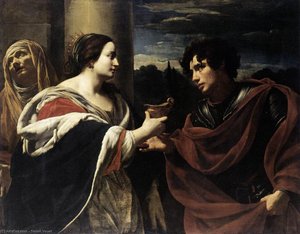
Simon Vouet's “Crucifixion,” painted around 1622, isn’t merely a depiction of a pivotal biblical event; it’s an immersion into profound grief and spiritual contemplation. This masterpiece, rendered in the burgeoning Baroque style that Vouet championed upon his return to France from Italy, transcends simple representation, aiming instead to evoke a visceral emotional response within the viewer. The painting immediately commands attention with its dramatic chiaroscuro – a masterful manipulation of light and shadow – which sculpts Christ’s body, emphasizing both its suffering and inherent divinity. It's a technique deeply indebted to Caravaggio, yet Vouet elevates it, imbuing the scene with an almost unbearable intensity.
The composition itself is carefully orchestrated. Christ, centrally positioned on the stark wooden cross, dominates the visual field, his posture conveying both agony and acceptance. Below him, a constellation of figures – Mary, her face etched with sorrow; John the Apostle, rendered in a state of bewildered grief; and other mourners – collectively amplify the sense of loss. Vouet skillfully employs pyramidal structure, drawing the eye upwards to Christ’s figure while simultaneously anchoring it within this sea of mourning. The use of diagonals, particularly in the drapery and the figures' postures, creates a dynamic tension that mirrors the emotional turmoil at the heart of the scene.
A Bridge Between Italy and France
Vouet’s journey to Rome represents a crucial turning point in his artistic development. During his decade-long sojourn in Italy, he absorbed the innovations of the High Renaissance and early Baroque – the dramatic lighting, the emotional intensity, and the dynamic compositions championed by artists like Caravaggio, Annibale Carracci, and Guido Reni. He meticulously studied their techniques, not simply copying them, but adapting them to his own sensibilities and incorporating them into a distinctly French style. His time in Venice, particularly, exposed him to Venetian color palettes and compositional strategies that profoundly influenced his work.
Returning to France in 1627, Vouet was immediately appointed Premier peintre du Roi by Louis XIII. This prestigious position afforded him unprecedented access to royal commissions, allowing him to shape the artistic landscape of the court and introduce the Baroque aesthetic to a wider audience. He wasn’t just painting for royalty; he was actively translating Italian artistic trends into a distinctly French idiom, bridging the gap between two cultures and establishing a new standard for visual art in France.
Symbolism and Spiritual Resonance
Beyond its technical brilliance, “Crucifixion” is rich with symbolic meaning. The crucifixion itself represents sacrifice, redemption, and the ultimate act of divine love – core tenets of Christian faith. The weeping figures embody humanity’s sorrow in response to this profound loss. Mary's grief is particularly poignant, reflecting not only her personal tragedy but also the suffering of all humankind. The dark, stormy sky serves as a backdrop for this drama, symbolizing despair and impending doom.
Furthermore, the painting subtly references classical iconography. Christ’s posture echoes depictions of Roman martyrs, connecting his sacrifice to a broader tradition of heroic endurance. The careful attention to detail – from the texture of Christ's skin to the folds of the drapery – elevates the scene beyond mere illustration, transforming it into a powerful meditation on faith, suffering, and hope.
A Legacy in Oil and Emotion
Created primarily with oil paints on canvas, “Crucifixion” demonstrates Vouet’s mastery of technique. He employed layering glazes to achieve rich colors and luminous effects, while utilizing meticulous brushwork to capture the nuances of texture – the rough grain of the wood, the flowing fabric, and the delicate contours of human faces. The painting's enduring appeal lies not only in its aesthetic beauty but also in its ability to evoke a profound emotional response. It’s a testament to Vouet’s skill as an artist and his deep understanding of the power of visual storytelling – a work that continues to resonate with viewers centuries after its creation.
Pitanja i odgovori
Koja tehnika je korišćena za „Crucifixion”, Симон Вуе?
Tehnika dela „Crucifixion”, Симон Вуе je Oil On Canvas. Reprodukcije imaju za cilj da dočaraju izgled ove tehnike.
Gde se predlaže izlaganje dela "Crucifixion", s obzirom na njegovu paletu boja?
Sa svojom paletom u nijansama Earthy, delo „Crucifixion”, Симон Вуе se preporučuje za Living Room. Boje su jedan od razloga za ovakvu sugestiju.
Kolika je zasićenost i intenzitet koji prikazuje „Crucifixion”, Симон Вуе?
Boje dela „Crucifixion”, Симон Вуе pokazuju Muted zasićenost uz Monochromatic intenzitet.
Biografija umetnika
Симон Вуе: Пионер француске бароке живописи
- Рођен: 9. јануар 1590, Париз, Француска
- Умро: 30. јун 1649, Париз, Француска
Симон Вуе је био кључна фигура у преласку француске живописи из манераizma ка барочном стилу. Рођен у umetničkoj породици – његов отац Лоран беше сликар, а брат Обен такође се бавио уметношћу – Вуе је добио рано образовање које је заложило темеље за његољски успех. Нијеком, Лудовико Дорињи, наставиће породичну уметничку наследницу.
Рани каријере и италијански утицаји (1608-1627)
- Ран портретирање: Вуе је започео кариjerу као портретиста, демонстрирајући рани таленат.
- Путовање у Енглетан (1608): У младим годинама, уз 14 година, путовао је у Енглетан да нареди портрет, приказујући своју растућу репутацију.
- Османско ханци и Венеција: Године 1611. Вуе се придружио окружујућем кругу барона де Сансија, француског посланика у Османско ханци, поново за портретирање. Ово путовање га је одвело кроз Константиноপল, а затим и до Венеције 1612. године.
- Рим (1614-1627): Није време у Риму променило га. Остао је тамо тринаест година, промишљавајући се у живописној umetničkoj сцени нарастајуће бароке периода.
Током свог италијанског боравка, Вуе је апсорбовао различит спектар утицаја. Изучио је драматичне технике осветљења које су пионерирао Караваџо, усвајивши елементе италијанског манераizma, а са посебном пажњом анализирао палете боја и di sotto in su (перспектива испод и изнад) које је користио Паоло Веронезе. Такође се инспирисао радовима Карачија, Гуерцина, Ланфранка и Гуидо Рени, синтетишући ове различите стилове у јединствену umetničку визију.
Развој Вуевог карактеристичног стила
- Избор у Академију Сан Лука (1624): Његов успех у Риму кулминирао је избором као председник престижној Академије ди Сан Лука, сведочанство о његово вештину и признању у италијанском umetničком свету.
- Синтеза утицаја: Вуев стил карактерисао се способношћу да апсорбује и дистилира различите уметничке утицаје. Он није само копирао; интегришао је ове елементе у кохерентну и јасно италијански барочну естетику.
- Увођење бароке у Француску: По свом повратку у Француску 1627. године, Вуе је играо кључну улогу у увођењу италијанског барочног стила у француску живопис, значајно утицавајући на umetnički pejzaж земље.
Главни достигнућа и наслеђе
- Премјер пејнтер ду Роа (Premier Peintre du Roi): Вуе је именован Premier peintre du Roi (Први сликар краља) – позиција великог престижа и утицаја.
- Продуктивна раница: Одржавао је велику и активну раницу, обустављајући бројне уметнике који ће обликовати следећу генерацију француских сликара.
- Запамћени ученици: Међу његовим највтицајнијим ученицима били су Шарл Ле Бран (који касније организује све декоративно сликарство у Версају), Валентин де Булоњ, Шарл Алфонс ду Фресноа, Пјер Мињар, Јусташ Ле Суеур и Клод Мелан.
- Утицај на француску уметност: Вуев свој утицај проширио изван својих дела; његови ученици носио свој стил и технике шимље кроз Француску, успостављајући јединствено барочну школу живописа. Његов утицај је посебно очигледан у великим декоративним схемима које је наручио Луи XIV.
Историчко значајство
Наслеђе Симона Вуеа почива на његовој кључној uloци као моста између италијанске и француске уметности. Успешно је увозио динамику и великолепије италијанског барока, претварајући га у стил који је резоновао са укусима француског двора и аристократије. Његов утицај је несумњив у развоју француске живописи током 17. века, а његови доприноси данас се и даље препознају код историчара уметности.

Симон Вуе
1590 - 1649 , Francuska
Brzi pregled
- Artistic Movement Or Style: Barokna slika
- Artists Or Movements Influenced By This Artist:
- Šarl Le Brun
- Valentin de Boulogne
- Francuska barokna slika
- Artists Who Influenced This Artist:
- Karamaggio
- Paolo Veronese
- Carracci
- Guercino
- Lanfranco
- Guido Reni
- Date Of Birth: 9. januar 1590.
- Date Of Death: 30. jun 1649.
- Full Name: Simon Vouet
- Nationality: Francuski
- Place Of Birth: Pariz, Francuska
Srodni članci

Барокна драма: Уношење величине и емоција у савремене ентеријере
Откријте барокну драму и унесите величину у ваш ентеријер! OriginalUniqueArt нуди ручно насликане репродукције, персонализоване портрете и стручне консултације за љубитеље класичне уметности. Потражите савршено дело већ данас!

Theatricality & Triumph: Baroque Drama in Painting & Sculpture
Explore the dramatic world of Baroque art! Discover its history, defining characteristics, & lasting influence on painting & sculpture. Expert insights into Caravaggio, Zurbarán, and Bernini – plus high-quality reproductions at OriginalUniqueArt.
Simon Vouet: A Baroque Master's Journey from Italian Influence to French Classicism
Explore the life & art of Simon Vouet, a pivotal French Baroque painter who introduced Italian styles to France. Discover his masterpieces and lasting influence on 17th-century art.

Divine Drama: Exploring the Most Visually Striking and Emotionally Intense Crucifixion Artworks in History
Dive into the raw emotion and dramatic lighting of history's most iconic crucifixion paintings. From Baroque tenebrism to modern surrealism, explore masterpieces that define visual intensity. Expertly curated for lovers of profound art and high-impact design.

The Dramatic Flourish: Exploring the Baroque Movement's Enduring Legacy in Art History
Explore the dramatic world of Baroque art! Discover iconic artists like Caravaggio & Rubens, defining techniques, and its lasting impact on art history. Expert insights for collectors & enthusiasts at OriginalUniqueArt.