

 Pregledaj u prostoru
 Podeli
 Podeli
 Detalji
 Vodič
Vodič

 Preuzmi sliku
 Slični predmeti
 Rendgenski snimak
 Automatska prezentacija
 Statistika
Grass and Insects


 Pročitaj više
Ručno rađena uljana reprodukcija
Ručno oslikano uljanim bojama na platnu u dimenzijama i okviru po vašem izboru, izrađeno po porudžbini od strane naših umetnika. ( Pređi na prodaju štampanih primeraka Pređi na prodaju digitalnih slika)




P118B дин10

P118H дин10

P118W дин10

P438Z дин10

P508JH дин12

P508YH дин12

P805H дин10

P805Z дин10

P919BZ дин10

P919G дин10

P919XJ дин10

P959ZH дин10

P968JZ дин12

W106C дин8

W218G дин10

W218JH дин8

W218Y дин10

W307PJ дин10

W316G дин10

W316PJ дин8

W316Y дин10

W398PJ дин8

W4111J дин10

W500HY дин15

W500JH дин15

W692G дин12

W849H дин8

W940BG дин15

W953PJ дин8




Izaberite jednu od naših unapred definisanih veličina koje odgovaraju originalnim proporcijama umetničkog dela.

Unesite širinu i visinu koja vam je potrebna, kako bi se uklopili u vaš ram ili zid. Pošto je ovo ručno oslikano delo, umetnik može naslikati malo više prostora oko slike ili malo skratiti ivice za dimenzije drugačijeg oblika — izbor je na vama. Pre početka rada, poslaćemo vam digitalni prikaz radi potvrde. Slika prikazana na ovoj stranici ne predstavlja konačan rezultat — samo digitalni prikaz pokazuje stvarnu sliku.
Nakon narudžbine, tim OriginalUniqueArt.com će klijentu putem e-pošte poslati uputstva i dostaviti prikaz predloženog rešenja
Svetska isporuka () za 3/4 nedelje umesto uobičajenih 5 nedelja. (25 октобар). Bez kompromisa po pitanju kvaliteta.

Besplatna ekspresna dostava širom sveta

Visokokvalitetno laneno platno

Sveobuhvatno osiguranje transporta

Garancija povraćaja carine i uvoznih dažbina

Garancija vernosti boja i autentičnosti pri reprodukciji

Politika povraćaja u roku od 100 dana (samo u slučaju nedostataka)

Garancija povrata 100% novca

Popust pri većoj količini
 Opcija sa staklom dostupna je samo za dimenzije manje od 110 cm

Grass and Insects
Tehnika izrade reprodukcije
Veličina reprodukcije
-


Ukupna cena
дин 30932
Shin Saimdang’s “Grass and Insects”: A Symphony of Color and Quiet Observation
Shin Saimdang (1504–1551), a trailblazing female artist in Joseon dynasty Korea, stands as an emblem of intellectual curiosity and artistic prowess—a woman who defied societal constraints to pursue her passions for poetry, calligraphy, and painting. Her legacy resides not merely in the exquisite beauty of her artwork but also in its profound reflection of the era’s cultural values and philosophical ideals. This examination delves into “Grass and Insects,” one of her most celebrated panels from a monumental ten-panel folding screen—a masterpiece that encapsulates Saimdang's distinctive artistic vision and offers invaluable insight into Korean art history.A Window Into Joseon Aesthetic Principles
“Grass and Insects” exemplifies the dominant aesthetic sensibilities of the late 16th century, characterized by meticulous detail, harmonious color palettes, and a reverence for nature’s subtle grandeur. The screen embodies Neo-Confucian ideals—a belief system that prioritized moral cultivation alongside intellectual pursuits—reflected in Saimdang's careful composition and her masterful execution of brushstrokes. Unlike Western art traditions focused on dramatic narratives or idealized figures, Korean painting during this period favored contemplative scenes depicting landscapes and flora, intended to inspire serenity and contemplation. The screen’s overall design adheres to the principles of “Yonghwa,” meaning “harmonious beauty”—a concept central to Joseon artistic philosophy that sought to achieve balance between form and content.Technique and Material Considerations
Saimdang employed a technique rooted in meticulous observation and painstaking layering—a hallmark of Korean painting at the time. Using mineral pigments mixed with animal glue, she achieved remarkable luminosity and vibrancy, capturing the delicate textures of grass blades and the iridescent sheen of insects’ wings. The screen's surface is covered with thin layers of lacquer, providing protection while enhancing the colors and creating a tactile experience for the viewer. Furthermore, Saimdang skillfully utilized “Ma,” or negative space—a technique that deliberately leaves areas unfilled to create visual balance and emphasize the subject matter—demonstrating an understanding of compositional principles that transcended mere representation. The careful blending of pigments and meticulous brushwork contribute to the screen’s enduring beauty and artistic significance.Symbolism: Echoes of Confucian Thought
Beyond its technical brilliance, “Grass and Insects” resonates with deeper symbolic meanings rooted in Confucian cosmology—a worldview that viewed humanity as intrinsically linked to the natural world. The depiction of various insects—including beetles, dragonflies, cicadas, and moths—represents transformation and renewal—themes central to Confucian teachings concerning reincarnation and moral progress. Similarly, the inclusion of flowers like hibiscus, poppies, and lilies symbolizes purity and virtue—values upheld by Joseon society as markers of moral excellence. The meticulous rendering of grass blades underscores the importance of simplicity and humility—qualities considered essential for achieving inner harmony and cultivating compassion.Emotional Resonance: A Moment Frozen in Time
“Grass and Insects” transcends mere visual representation; it evokes a profound emotional response—a feeling of tranquility and appreciation for the beauty of the natural world. The screen’s muted color palette—dominated by greens, blues, and reds—creates an atmosphere of serenity and contemplation—inviting viewers to pause and reflect on the passage of time. Saimdang's masterful brushwork conveys a sense of quiet observation—capturing not just what is seen but also what is felt—a testament to her artistic sensitivity and her ability to communicate complex ideas through subtle visual cues. Viewing this artwork inspires contemplation about the interconnectedness of humanity and nature, reminding us of the enduring power of art to elevate our spirits and enrich our understanding of the human experience.Concluding Remarks: An Artistic Legacy Enduring Through Centuries
Shin Saimdang’s “Grass and Insects” remains a cornerstone of Korean art history—a testament to her artistic genius and her unwavering commitment to intellectual pursuits. Its harmonious composition, masterful technique, and evocative symbolism continue to captivate audiences today—serving as an enduring reminder of Joseon dynasty Korea's aesthetic ideals and its profound appreciation for the natural world. The screen’s legacy extends beyond its visual splendor; it embodies a spirit of contemplation and moral cultivation—values that resonate powerfully across cultures and generations—solidifying Saimdang’s place as one of Korea’s most celebrated artists and an inspiration to aspiring creatives everywhere.Pitanja i odgovori
Koliko je poznato delo "Grass and Insects" autora Šin Sajmdang?
Nivo popularnosti zabeležen za „Grass and Insects”, Šin Sajmdang iznosi Recognized.
U kojoj godini je nastalo delo „Grass and Insects”, Šin Sajmdang?
Delo „Grass and Insects”, Šin Sajmdang nastalo je 1500.
Da li se prikaz „Grass and Insects”, Šin Sajmdang može slobodno reprodukovati?
„Grass and Insects”, Šin Sajmdang je u u javnom vlasništvu – autorska prava su istekla. Ovaj status određuje način na koji se slika dela može reprodukovati.
Biografija umetnika
pionirska umetnica korejske dinastije joseon
shin saimdang, višestrana umetnica iz Južne Koreje, živela je tokom perioda Joseon, ostavivši neizbrisiv trag u istoriji korejske umetnosti. Rođena 29. oktobra 1504. godine u Gangneungu, u provinciji Gangwon, ona nije bila samo slikarica, već i vrhunska spisateljica, kaligrafkinja i pesnikinja.rani život i umetnički počeci
Umetnički talenti shin saimdang bili su očigledni još od najranijeg detinjstva. Sa svega sedam godina, ona je počela da oponaša stil slikanja koji je zastupao an gyeon, još jednog istaknutog korejskog umetnika. Njen rodni dom, ojukheon, koji je ujedno i dom njene majčine porodice, do danas je očuvan kao svedočanstvo tog vremena.umetnički doprinos i stil
Delo shin saimdang, prepoznatljivo po finim potezima četkice i živopisnim bojama, deo je rasklopljivog ekrana sa deset panela. Njena remek-dela, poput dela trava i insekti, prikazuju bogat spektar motiva koji uključuju lubenice, patlidžan, makove, hibiskuse i razne insekte. Ovi živopisni prizorima se mogu pronaći u Nacionalnom muzeju Koreje (Seul, Južna Koreja), gde i danas neprestano inspirišu ljubitelje umetnosti.- pogledajte umetnička dela shin saimdang na OriginalUniqueArt: https://OriginalUniqueArt.com/@/shin-saimdang
- istražite kolekciju Nacionalnog muzeja Koreje: /en/art/show/national-museum-of-korea-seoul/
- saznajte više o umetničkom pokretu dinastije joseon: umetnički pokret dinastije joseon
nasleđe i uticaj
Nasleđe shin saimdang prevazilazi njena umetnička dela, jer je poznata i kao majka čuvenog yi i, renomiranog učenjaka i političara dinastije Joseon. Njen život i rad služe kao nepresušan izvor inspiracije, olikavajući samu suštinu korejske umetnosti tokom perioda Joseon. ključna umetnička dela shin saimdang:- trava i insekti (Nacionalni muzej Koreje, Seul, Južna Koreja)
- druga značajna dela koja karakterišu fini potezi četkice i jasne, jarke boje, deo rasklopivog ekrana sa deset panela.
- an gyeon, još jedan istaknuti korejski slikar ranog perioda Joseon.

Šin Sajmdang
1504 - 1551 , Južna Koreja
Brzi pregled
- Artistic Movement Or Style: Umetnički pokret ili stil: Umetnost dinastije Joseon
- Artists Or Movements Influenced By This Artist: Umetnici ili pokreti koje je ova umetnica uticala: Umetnost dinastije Joseon
- Artists Who Influenced This Artist: Umetnici koji su uticali na ovu umetnicu: An Gyeon
- Date Of Birth: Datum rođenja: 29. oktobar 1504.
- Date Of Death: Datum smrti: 1551.
- Full Name: Puno ime: Shin Saimdang
- Nationality: Nacionalnost: Korejska
- Notable Artworks: ['Značajna dela: Trava i insekti']
- Place Of Birth: Mesto rođenja: Gangneung, Južna Koreja
Srodni članci
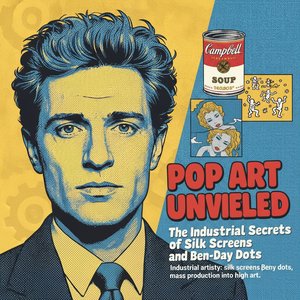
Pop Art Unveiled: The Industrial Secrets of Silk Screens and Ben-Day Dots
Explore the industrial artistry of Pop Art. Delve into the sophisticated history of Ben-Day dots and silk screen techniques that transformed mass media into high art, perfect for discerning collectors seeking deep historical insight and aesthetic excellence.
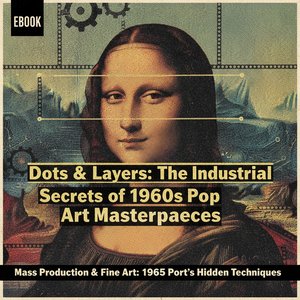
Dots & Screens: The Industrial Secrets Behind 1960s Pop Art Masterpieces
Explore the industrial secrets of 1960s Pop Art. Discover how Ben-Day dots and silk screening transformed mass media into masterpieces by Roy Lichtenstein. An in-depth look at the intersection of mechanical printing and fine art history for students and collectors.

Beyond the Screen: Transforming Personal Memories into Timeless AI-Driven Anime Masterpieces
Experience the magic of digital metamorphosis. Transform your cherished photos into stunning, hand-painted anime masterpieces using our proprietary AI technology and professional artists. Elevate your personal story with a timeless, high-quality oil painting on canvas.
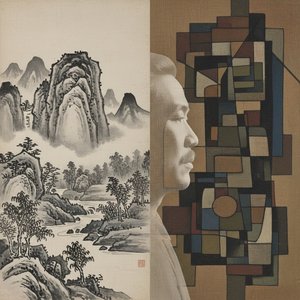
Yi Eungro: Bridging East & West in the Landscape of Korean Modernism
Explore the captivating world of Yi Eungro (Lee Ungno), a pivotal figure in Korean modernism. Discover his unique fusion of Eastern and Western artistic traditions, abstract masterpieces, and lasting legacy. A must-read for discerning art collectors.
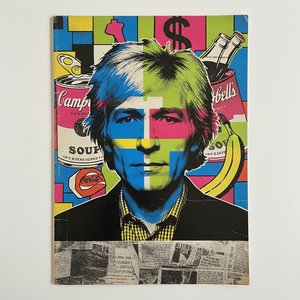
Andy Warhol: Deconstructing Pop Culture & Redefining Artistic Expression
Explore the revolutionary art of Andy Warhol & the Pop Art movement. Discover his iconic techniques, cultural impact, and investment potential. A guide for discerning collectors.