

 Pregledaj u prostoru
 Pošalji
 Podeli
 Detalji o delu

 Преузми
 Slični predmeti
 Rendgenski snimak
 Slajdovi
 Statistika
Death of Dido
 Oil On Canvas
- WallArt
- Baroque
 1637
1637 159.0 x 137.0 cm
 Hermitage Museum
 Pročitaj više
Giclee štampa / Umetnički otisak
Giclée štampa ili print na platnu muzejskog kvaliteta uz brzu proizvodnju i fleksibilne opcije završne obrade. ( Kupi ručno naslikanu sliku Pređi na digitalnu sliku)




P118B $10

P118H $10

P118W $10

P438Z $10

P508JH $12

P508YH $12

P805H $10

P805Z $10

P919BZ $10

P919G $10

P919XJ $10

P959ZH $10

P968JZ $12

W106C $8

W218G $10

W218JH $8

W218Y $10

W307PJ $10

W316G $10

W316PJ $8

W316Y $10

W398PJ $8

W4111J $10

W500HY $15

W500JH $15

W692G $12

W849H $8

W940BG $15

W953PJ $8




Izaberite jednu od naših unapred definisanih veličina koje odgovaraju originalnim proporcijama umetničkog dela.

Možete uneti sopstvene dimenzije kako biste umetničko delo prilagodili specifičnom okviru ili prostoru. Ako odabrani format ne odgovara proporcijama originalne slike, mi ćemo ili iscrtati deo dela ili proširiti sliku pomoću ogledane ivice ili jednobojnog popunjavanja. Digitalni prikaz će vam biti poslat na odobrenje pre početka proizvodnje.
Imajte na umu da pregled na ekranu ne odražava stvarno iscrtavanje ili proširivanje. Samo će prikaz (mockup) precizno pokazati finalnu kompoziciju.
Iako su prilagođene dimenzije dostupne, preporučujemo da odaberete dimenziju sa unapred definisane liste kako biste očuvali originalne proporcije.
Dostava širom sveta () za 2 nedelje umesto uobičajenih 4/5 nedelja. (17 септембар)

Besplatna ekspresna dostava širom sveta

Visokokvalitetno laneno platno

Kompletno osiguranje transporta

Garancija povraćaja carine i uvoznih dažbina

Garancija vernosti boja

Politika povraćaja u roku od 100 dana (isključivo u slučaju nedostataka)

Garancija povrata novca od 100%

Popust pri grupnoj kupovini
 Opcija sa staklom dostupna je samo za dimenzije manje od 110 cm

Death of Dido
Giclee štampa / Umetnički otisak
Dimenzije reprodukcije
-


Konačna cena
$ 80
The Tragic Beauty of "Death of Dido": A Baroque Masterpiece
Sébastien Bourdon’s “Death of Dido,” painted in 1637, is not merely a depiction of a legendary queen's demise; it’s a profound exploration of grief, betrayal, and the immutable power of fate. This monumental oil on canvas, measuring an impressive 159 x 137 cm, resides within the State Hermitage Museum in St. Petersburg, a testament to its enduring artistic merit. Bourdon, a pivotal figure in the Baroque movement, masterfully captures the raw emotion of this poignant scene drawn from Virgil’s epic poem, the Aeneid, transforming a classical narrative into a deeply resonant visual experience.
The composition immediately commands attention. Dido, draped in a flowing blue gown, lies supine on her bed, a sword poised delicately in her hand – an instrument of both destruction and liberation. Her face, etched with sorrow and defiance, is turned towards the departing ships of Aeneas, symbolizing the irrevocable loss of love and the end of her reign. Around her, a carefully orchestrated group of mourners—servants, women, and even a partially visible figure presumed to be her brother Acerbas – react with varying degrees of grief and shock. The scene is bathed in a dramatic chiaroscuro, characteristic of Bourdon’s style and deeply influenced by the Venetian masters he admired during his time in Rome. Light streams dramatically from an unseen source, highlighting Dido's form while casting deep shadows across the room, intensifying the sense of tragedy and despair.
A Story of Betrayal and Divine Intervention
The narrative itself is steeped in myth and heartbreak. Dido, a Phoenician princess, founded Carthage after fleeing persecution in Tyre. She fell passionately in love with Aeneas, a Trojan prince destined to found Rome. However, fate intervened – or so it seemed – as Aeneas was compelled by the gods to fulfill his destiny and leave her behind. The painting vividly portrays this moment of agonizing separation, capturing the devastating consequences of divine decree and human ambition. The inclusion of Mercury, the messenger god, subtly alluded to in the composition through a glimpse of his winged sandals amongst the departing ships, reinforces the notion that Dido’s fate was predetermined.
Bourdon's artistic choices are laden with symbolic meaning. The two vases positioned strategically within the scene – one on the left and another on the right – aren’t simply decorative elements; they likely represent offerings to the gods, acknowledging the role of divine forces in shaping Dido’s tragic end. The stark contrast between the vibrant colors of her gown and the muted tones of the surrounding figures further emphasizes her isolation and vulnerability. The overall effect is a powerful meditation on loss, duty, and the inescapable nature of destiny.
Bourdon's Baroque Vision
Sébastien Bourdon’s artistic journey was profoundly shaped by his time in Rome, where he encountered the revolutionary techniques of Caravaggio. Bourdon expertly employed *tenebrism*, a dramatic use of light and shadow, to create an atmosphere of intense emotionality. This technique, combined with his masterful rendering of textures – from the flowing fabric of Dido’s gown to the rough stone of the room – imbues the painting with remarkable realism and immediacy. His brushwork is loose and expressive, conveying a sense of urgency and movement that mirrors the drama unfolding within the scene.
Furthermore, Bourdon's understanding of classical composition—inherited from his training in France—is evident in the carefully balanced arrangement of figures and objects. The pyramidal structure of the composition draws the viewer’s eye towards Dido’s central form, while the diagonal lines created by the departing ships and her outstretched hand contribute to a dynamic sense of movement and instability. This masterful blend of classical principles and Baroque dynamism is what elevates “Death of Dido” beyond a simple historical depiction into a timeless work of art.
A Legacy of Dramatic Emotion
“Death of Dido” remains a compelling example of the emotional intensity that characterized the Baroque period. Bourdon’s ability to translate a complex mythological narrative into a visually arresting and emotionally resonant image is truly remarkable. The painting continues to captivate viewers with its depiction of profound sorrow, betrayal, and the enduring power of love—a testament to the artist's skill and the timelessness of the story he so powerfully portrays. Reproductions of this masterpiece offer an opportunity to experience the drama and beauty of Bourdon’s vision in a way that transcends time and space.
Biografija umetnika
Majstor svetlosti i svestranosti: Život Sebastijena Burdon
Sébastien Bourdon (1616–1671) ostaje jedna od najočaravajućih i najvišestranijih figura francuskog baroka sedamnaestog veka. Rođen u Monpeljeu u porodici protestantskih umetnika, njegovo rano detinjstvo oblikovale su živopisne, ali često nemirne umetničke tradicije južne Francuske. Njegov put od mladog šegrta do temeljnog člana Académie Royale de Peinture et de Sculpture svedočanstvo je dubokog, nemirnog intelekta i neprevaziđene sposobnosti da upije stilske struje cele Evrope. Nakon rane obuke u Parizu, Burdonov put ga je vodio preko Bordoa i Tuluze pre nego što je stigao do duhovnog i umetničkog srca kontinenta: Rima. Upravo je u Italiji njegov talenat istinski prodisnuo, dok se prepinjao delima majstora kao što su Caravaggio, Nicolas Poussin i Claude Lorrain. Ovaj period intenzivnog proučavanja omogućio mu je da razvije jedinstven vizuelni jezik — onaj koji je mogao da pređe sa grubog, dramatičnog realizma karavađista na svetlost i klasičnu eleganciju venecijanske škole.Evolucija stila i tehnike
Ono što istinski izdvaja Burdonovo delo jeste njegova izuzetna stilska fluidnost, osobina koja je kod njegovih savremenika ponekad izazivala i divljenje i kritiku. Njegov razvoj obeležen je nizom transformativnih susreta sa različitim evropskim tradicijama. Nakon ključne posete Veneciji, njegova paleta je prošla kroz duboku metamorfozu; oštri kontrasti njegove rane obuke ustupili su mesto bogatijoj, atmosferskoj upotrebi boje inspirisanoj venecijanskim majstorima. Ova evolucija omogućila mu je da majstorski upravlja različitim žanrovima. U portretizmu je često usvajao Rubensian pristup ili je preferirao intimne kompozicije u obliku busta koje su dočaravale psihološku dubinu i eleganciju njegovih subjekata, poput švedske plemkinje u delu Grofica Ebba Sparre. Nasuprot tome, njegova religiozna dela koristila su dramatični chiaroscuro kako bi izazvala duhovni strahopoštovanje, što je najuočljivije u njegovom monumentalnom remek-delu, Razapnanju Svetog Petra, kreiranom za katedralu Notre Dame.Nasleđe i istorijski značaj
Pored njegovih pojedinačnih platna, Burdon je odigrao ključnu ulogu u institucionalizaciji francuske umetnosti. Kao suosnivač Kraljevske akademije 1648. godine, pomogao je u uspostavljanju standarda izvrsnosti koji će definisati francusko slikarstvo generacijama. Njegova karijera je takođe bila obeležena izvanrednom širinom delovanja; njegova reputacija vrhunskog portretiste odvela ga je na dvor kraljice Kristina Švedske, gde je služio kao dvorski slikar, donoseći sofisticiranu estetiku Pariza i Rima u Stokholm. Bilo da je prikazivao jezivu napetost u delu Mojsije i mesingana zmija ili spokojnu veličinu klasičnog pejzaža, Burdonovo delo otelotvoruje dvostruki duh barokne ere: intenzivnu emocionalnu dramu ljudskog postojanja i uravnoteženo, intelektualno težnje ka klasičnoj lepoti. Njegova sposobnost da sintetizuje naturalističke tradicije Francuske sa monumentalnim stilovima Italije osigurava mu trajno mesto u panteonu evropske istorije umetnosti.
Sebastijan Burdon
1616 - 1671 , Francuska
Osnovne informacije
- Artistic Movement Or Style: Barok
- Artists Or Movements Influenced By This Artist: ['Francuska barokna umetnost']
- Artists Who Influenced This Artist:
- Nicolas Poussin
- Claude Lorrain
- Caravaggio
- Date Of Birth: 2. februar 1616.
- Date Of Death: 8. maj 1671.
- Full Name: Sébastien Bourdon
- Nationality: Francusko
- Notable Artworks:
- Razapinje Svetog Petra
- Spuštanje sa krsta
- Place Of Birth: Montpellier, Francuska
Povezani članci

Theatricality & Triumph: Baroque Drama in Painting & Sculpture
Explore the dramatic world of Baroque art! Discover its history, defining characteristics, & lasting influence on painting & sculpture. Expert insights into Caravaggio, Zurbarán, and Bernini – plus high-quality reproductions at OriginalUniqueArt.

The Visceral Stage: Exploring Dramatic Narratives & Emotional Intensity in Baroque Art
Explore the dramatic world of Baroque art! Discover iconic masters like Caravaggio & Rembrandt, their techniques, and the movement's lasting impact. Expert insights for collectors & enthusiasts at OriginalUniqueArt.

Barok Majstor dela: Top 10 Umjetničkih Remeka za Vaš Dom
Otkrijte 10 remek dela koja su definisala baroknu umetnost! Karavagio, Bernini i više – istražite priče iza ovih ikoničnih slika. Inspiracija za vaš dom? Pogledajte kolekciju na OriginalUniqueArt.com!

The Dramatic Flourish: Exploring the Baroque Movement's Enduring Legacy in Art History
Explore the dramatic world of Baroque art! Discover iconic artists like Caravaggio & Rubens, defining techniques, and its lasting impact on art history. Expert insights for collectors & enthusiasts at OriginalUniqueArt.
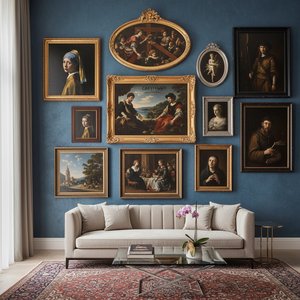
Baroque Painting's Greatest Hits: 10 Masterpieces for Your Home | OriginalUniqueArt
Journey through Baroque painting's glory! Explore 10 masterpieces by Caravaggio, Rembrandt & Vermeer. Discover dramatic lighting, rich colors & timeless stories. Find museum-quality art reproductions for your home at OriginalUniqueArt.com.