

 Pregledaj u prostoru
 Pošalji
 Podeli
 Detalji o delu

 Преузми
 Slični predmeti
 Rendgenski snimak
 Slajdovi
 Statistika
A Scene from Roman History
 Oil On Canvas
- WallArt
- Baroque
 1645
1645- Early Modern
 145.0 x 197.0 cm
 Louvre
 Pročitaj više
Ručno rađena uljana reprodukcija
Ručno oslikano uljanim bojama na platnu u dimenzijama i okviru po vašem izboru, izrađeno po porudžbini od strane naših umetnika. ( Pređi na štampu Pređi na digitalnu sliku)




P118B $10

P118H $10

P118W $10

P438Z $10

P508JH $12

P508YH $12

P805H $10

P805Z $10

P919BZ $10

P919G $10

P919XJ $10

P959ZH $10

P968JZ $12

W106C $8

W218G $10

W218JH $8

W218Y $10

W307PJ $10

W316G $10

W316PJ $8

W316Y $10

W398PJ $8

W4111J $10

W500HY $15

W500JH $15

W692G $12

W849H $8

W940BG $15

W953PJ $8




Izaberite jednu od naših unapred definisanih veličina koje odgovaraju originalnim proporcijama umetničkog dela.

Можете унети сопствене димензије како бисте прилагодили дело одређеном оквиру или простору. Ако одабрана величина не одговара пропорцијама оригинала, слика ће бити исечена или проширена додатним елементима који се ручно насликавају. Дигитални prikaz ће вам бити послат на одобрење пре почетка производње.
Имајте на уму да преглед на екрану не одражава стварно исецање или проширење. Само приказ (mockup) ће тачно приказати коначну композицију.
Иако су доступне прилагођене величине, препоручујемо да одаберете димензију из дефинисане листе како бисте сачували оригиналне пропорције.
Nakon narudžbine, tim OriginalUniqueArt.com će klijentu putem e-pošte poslati uputstva i dostaviti prikaz predloženog rešenja
Isporuka širom sveta () za 3/4 nedelje umesto uobičajenih 5 nedelja. (9 септембар). Bez kompromisa po pitanju kvaliteta.

Besplatna ekspresna dostava širom sveta

Visokokvalitetno laneno platno

Kompletno osiguranje transporta

Garancija povraćaja carine i uvoznih dažbina

Garancija vernosti boja

Politika povraćaja u roku od 100 dana (isključivo u slučaju nedostataka)

Garancija povrata novca od 100%

Popust pri grupnoj kupovini
 Opcija sa staklom dostupna je samo za dimenzije manje od 110 cm

A Scene from Roman History
Tehnika reprodukcije
Dimenzije reprodukcije
-


Konačna cena
$ 475
A Grand Spectacle of Antiquity
In the vast, hallowed halls of the Musée du Louvre, there exists a window into a world of vanished splendor and political upheaval. Sébastien Bourdon’s 1645 masterpiece, "A Scene from Roman History," is not merely a painting; it is a theatrical performance frozen in time. At its heart, the work captures the tempestuous and opulent intersection of power and passion, specifically delving into the legendary relationship between Antony and Cleopatra. As the viewer’s eye wanders through the composition, they are swept into the midst of an imperial court where every shadow seems to whisper of political intrigue and every light reveals a fragment of a crumbling empire. Bourdon utilizes a masterful command of diagonal lines to propel the gaze across the canvas, creating a palpable sense of kinetic energy that is quintessential to the Baroque era.
The architectural grandeur of the scene serves as more than just a backdrop; it acts as a silent protagonist in this historical drama. Massive columns and sweeping arches frame the central figures, lending an air of monumental stability that contrasts sharply with the emotional volatility of the subjects. This deliberate use of structure reinforces the public nature of the spectacle, reminding us that in the Roman world, private passions were often played out on the grandest stages of history.
The Mastery of Baroque Luminosity
To behold this work is to experience the profound influence of the great masters like Nicolas Poussin and Claude Lorrain. Bourdon’s technique is a sophisticated dance of light and shadow, a style often referred to as chiaroscuro, which breathes life into the oil on canvas. The artist employs a palette deeply rooted in the earth—rich ochres, deep browns, and commanding reds—which provides a warm, grounded foundation for the scene. These heavy, somber tones are brilliantly punctuated by sudden flashes of cooler blues and greens found within the drapery and shadows, creating a visual rhythm that keeps the observer perpetually engaged.
The texture of the painting itself invites a tactile appreciation. Through meticulous brushwork, Bourdon renders the weight of heavy fabrics, the cold hardness of stone, and the soft, vulnerable skin of his subjects with unparalleled realism. This layering of paint adds a physical depth to the canvas, allowing the light to appear as though it is truly interacting with the surfaces within the frame. For the collector or interior designer, such a piece offers an incredible sense of presence; its ability to manipulate light makes it a transformative element in any curated space, providing a focal point that commands attention and invites deep contemplation.
An Emotional Legacy for the Modern Collector
Beyond its technical brilliance, "A Scene from Roman History" resonates through its profound emotional impact. There is an inherent sense of pathos woven into the very fabric of the composition—a feeling of solemnity mixed with the breathless tension of a moment that will change history forever. The figures are not mere archetypes; they are vessels of human emotion, conveying triumph, suffering, and the heavy burden of leadership.
For those seeking to adorn their homes or galleries with art that tells a story, a high-quality reproduction of this work offers an unparalleled opportunity. It brings into a contemporary setting the drama of the seventeenth century, bridging the gap between the ancient Roman past and the modern aesthetic. Owning such a piece is an invitation to surround oneself with the grandeur of history, providing a constant source of inspiration and a sophisticated dialogue between the classical world and the present day.
Biografija umetnika
Majstor svetlosti i svestranosti: Život Sebastijena Burdon
Sébastien Bourdon (1616–1671) ostaje jedna od najočaravajućih i najvišestranijih figura francuskog baroka sedamnaestog veka. Rođen u Monpeljeu u porodici protestantskih umetnika, njegovo rano detinjstvo oblikovale su živopisne, ali često nemirne umetničke tradicije južne Francuske. Njegov put od mladog šegrta do temeljnog člana Académie Royale de Peinture et de Sculpture svedočanstvo je dubokog, nemirnog intelekta i neprevaziđene sposobnosti da upije stilske struje cele Evrope. Nakon rane obuke u Parizu, Burdonov put ga je vodio preko Bordoa i Tuluze pre nego što je stigao do duhovnog i umetničkog srca kontinenta: Rima. Upravo je u Italiji njegov talenat istinski prodisnuo, dok se prepinjao delima majstora kao što su Caravaggio, Nicolas Poussin i Claude Lorrain. Ovaj period intenzivnog proučavanja omogućio mu je da razvije jedinstven vizuelni jezik — onaj koji je mogao da pređe sa grubog, dramatičnog realizma karavađista na svetlost i klasičnu eleganciju venecijanske škole.Evolucija stila i tehnike
Ono što istinski izdvaja Burdonovo delo jeste njegova izuzetna stilska fluidnost, osobina koja je kod njegovih savremenika ponekad izazivala i divljenje i kritiku. Njegov razvoj obeležen je nizom transformativnih susreta sa različitim evropskim tradicijama. Nakon ključne posete Veneciji, njegova paleta je prošla kroz duboku metamorfozu; oštri kontrasti njegove rane obuke ustupili su mesto bogatijoj, atmosferskoj upotrebi boje inspirisanoj venecijanskim majstorima. Ova evolucija omogućila mu je da majstorski upravlja različitim žanrovima. U portretizmu je često usvajao Rubensian pristup ili je preferirao intimne kompozicije u obliku busta koje su dočaravale psihološku dubinu i eleganciju njegovih subjekata, poput švedske plemkinje u delu Grofica Ebba Sparre. Nasuprot tome, njegova religiozna dela koristila su dramatični chiaroscuro kako bi izazvala duhovni strahopoštovanje, što je najuočljivije u njegovom monumentalnom remek-delu, Razapnanju Svetog Petra, kreiranom za katedralu Notre Dame.Nasleđe i istorijski značaj
Pored njegovih pojedinačnih platna, Burdon je odigrao ključnu ulogu u institucionalizaciji francuske umetnosti. Kao suosnivač Kraljevske akademije 1648. godine, pomogao je u uspostavljanju standarda izvrsnosti koji će definisati francusko slikarstvo generacijama. Njegova karijera je takođe bila obeležena izvanrednom širinom delovanja; njegova reputacija vrhunskog portretiste odvela ga je na dvor kraljice Kristina Švedske, gde je služio kao dvorski slikar, donoseći sofisticiranu estetiku Pariza i Rima u Stokholm. Bilo da je prikazivao jezivu napetost u delu Mojsije i mesingana zmija ili spokojnu veličinu klasičnog pejzaža, Burdonovo delo otelotvoruje dvostruki duh barokne ere: intenzivnu emocionalnu dramu ljudskog postojanja i uravnoteženo, intelektualno težnje ka klasičnoj lepoti. Njegova sposobnost da sintetizuje naturalističke tradicije Francuske sa monumentalnim stilovima Italije osigurava mu trajno mesto u panteonu evropske istorije umetnosti.
Sebastijan Burdon
1616 - 1671 , Francuska
Osnovne informacije
- Artistic Movement Or Style: Barok
- Artists Or Movements Influenced By This Artist: ['Francuska barokna umetnost']
- Artists Who Influenced This Artist:
- Nicolas Poussin
- Claude Lorrain
- Caravaggio
- Date Of Birth: 2. februar 1616.
- Date Of Death: 8. maj 1671.
- Full Name: Sébastien Bourdon
- Nationality: Francusko
- Notable Artworks:
- Razapinje Svetog Petra
- Spuštanje sa krsta
- Place Of Birth: Montpellier, Francuska
Povezani članci
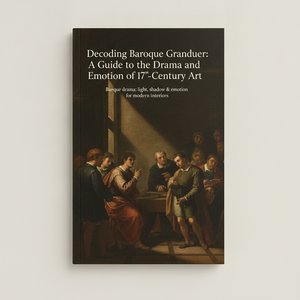
Decoding Baroque Grandeur: A Guide to the Drama and Emotion of 17th-Century Art
Explore the breathtaking drama of 17th-century Baroque art. Our expert guide decodes the use of chiaroscuro, emotional intensity, and historical grandeur to help you appreciate and curate timeless masterpieces for your collection.

Trajnu Ostavština Uljanih Boja na Platnu: Tehnika, Istorija i Savremena Praksa
Istražite bogatu istoriju i savremene tehnike uljanog slikarstva. Saveti stručnjaka, analiza radova velikih majstora i vodiči za biranje kvalitetnih materijala. Otkrijte tajne očuvanja umetničkih dela!

Baroque Classicism: The Grandeur of Order and Drama in 17th-Century Art History
Explore the profound elegance of Baroque Classicism. Discover how 17th-century masters synthesized dramatic emotion with classical order through the lens of the Counter-Reformation and the works of legends like Carlo Maratta and Andrea Sacchi.

The Enduring Legacy of Oil on Canvas: Technique, History & Aesthetic Impact
Explore the rich history & techniques of oil painting – from Renaissance masters to Impressionism. Discover pigments, layering methods, and why this timeless medium endures. Expert insights for artists & art enthusiasts.

Oil on Canvas: A Historical & Technical Exploration of a Timeless Artistic Medium
Explore the rich history & enduring techniques of oil painting on canvas. Discover the science behind its longevity, conservation practices, and contemporary relevance. Expert insights for art enthusiasts.