
 Pregledaj u prostoru
 Pošalji
 Podeli
 Detalji o delu
 Vodič
Vodič

 Preuzmi
 Slični predmeti
 Rendgenski snimak
 Automatska prezentacija
 Pitanja i odgovori
 Statistika
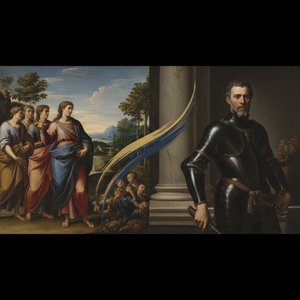
Salome

- 54.0 x 44.0 cm


 Pročitaj više
Giclee štampa / Umetnički otisak
Giclée štampa ili print na platnu muzejskog kvaliteta uz brzu izradu i raznovrsne opcije završne obrade. ( Kupite ručno oslikano delo Pređi na digitalnu sliku)




P118B дин10

P118H дин10

P118W дин10

P438Z дин10

P508JH дин12

P508YH дин12

P805H дин10

P805Z дин10

P919BZ дин10

P919G дин10

P919XJ дин10

P959ZH дин10

P968JZ дин12

W106C дин8

W218G дин10

W218JH дин8

W218Y дин10

W307PJ дин10

W316G дин10

W316PJ дин8

W316Y дин10

W398PJ дин8

W4111J дин10

W500HY дин15

W500JH дин15

W692G дин12

W849H дин8

W940BG дин15

W953PJ дин8




Izaberite jednu od naših unapred definisanih veličina koje odgovaraju originalnim proporcijama umetničkog dela.

Unesite željenu širinu i visinu kako bi se štampa uklopila u vaš ram ili zid. Štampu je moguće samo iseći, ali nikada povećati iznad dimenzija originalne slike, stoga format sa drugačijim proporcijama uzrokuje gubitak dela slike. Pre početka štampe, poslaćemo vam digitalni prikaz radi potvrde. Slika prikazana na ovoj stranici ne predstavlja stvarni isrez — to pokazuje samo digitalni prikaz.
Dostava širom sveta () za 2 nedelje umesto uobičajenih 4/5 nedelja. (3 новембар)

Besplatna ekspresna dostava širom sveta

Visokokvalitetno laneno platno

Potpuno osiguranje transporta

Garancija povraćaja carine i uvoznih dažbina

Garancija vernosti boja

Politika povraćaja u roku od 100 dana (samo u slučaju nedostataka)

Garancija povrata 100% novca

Popust na više proizvoda
 Opcija sa staklom dostupna je samo za dimenzije manje od 110 cm

Salome
Giclee štampa / Umetnički otisak
Dimenzije reprodukcije
-


Ukupna cena
дин 8487
A Haunting Synthesis of Venetian Light and Roman Form
In the quiet intensity of Sebastiano del Piombo’s Salome, painted around 1510, we encounter a masterpiece that serves as a profound bridge between two of the most influential artistic worlds of the High Renaissance. This work is not merely a portrait but a visceral meditation on the duality of existence—the vibrant pulse of life set against the chilling stillness of death. As one gazes upon the luminous blue of Salome’s attire, there is an unmistakable echo of Venice, the artist's birthplace. Here, the influence of his mentor, Giorgione, breathes through the canvas in the form of atmospheric perspective and a rich, emotive palette that softens the edges of reality, inviting the viewer into a dreamlike, melancholic landscape.
Yet, as the eye moves from the soft, misty mountains in the distance to the central figure, a different energy emerges. Del Piombo, having transitioned toward the Roman school, imbues the composition with a sculptural gravity and a formal dignity that commands respect. This stylistic tension—the fluid, colorful grace of Venice meeting the monumental, structured strength of Rome—is what makes this piece so captivating for the modern collector. It is a painting that possesses both a poetic soul and an architectural backbone, making it a commanding presence in any curated space.
The Symbolism of Mortality and Beauty
The narrative depth of Salome lies in its unsettling confrontation with the macabre. The subject, the daughter of Herodias, is depicted not with the frantic energy of a biblical executioner, but with a detached, contemplative grace. She holds the severed head of John the Baptist upon a platter, yet her gaze drifts away from the gruesome spectacle toward the far-off peaks. This visual redirection creates a profound psychological distance; she seems lost in thought, perhaps contemplating the heavy cost of desire and the inescapable nature of fate. The skull held within her grasp serves as a potent memento mori, a stark reminder that even amidst the splendor of silk and the beauty of youth, decay is an ever-present shadow.
For the interior designer or art enthusiast, this painting offers more than just visual beauty; it offers a conversation. The interplay between the delicate features of the woman and the grim reality of the skull creates an intellectual tension that draws the viewer in, demanding reflection. It is a piece that rewards long periods of observation, revealing new layers of meaning with every glance at the way light hits the fabric or how the shadows deepen within the distant valleys.
A Timeless Masterpiece for the Discerning Collector
To possess a reproduction of this caliber is to bring a fragment of Renaissance history into the contemporary home. The technique employed by del Piombo—the masterful blending of oil pigments to create skin that seems to glow from within and landscapes that feel infinitely deep—is captured with breathtaking precision in high-quality hand-painted recreations. This artwork is particularly suited for spaces that seek to evoke a sense of drama, history, and sophisticated introspection.
Whether placed in a grand library, a formal dining room, or a modern gallery-style living area, Salome acts as an anchor of cultural significance. It provides a focal point that is both aesthetically pleasing and intellectually stimulating, bridging the gap between the classical past and the aesthetic sensibilities of the present. For those seeking to decorate with intention, this painting offers an unparalleled opportunity to surround oneself with the enduring mystery and unmatched artistry of the High Renaissance.
Pitanja i odgovori
Kojom tehnikom i stilom se odlikuje „Salome”, autor Себастијано Дел Пјомбо?
„Salome”, autor Себастијано Дел Пјомбо spaja tehniku Oil On Panel sa stilom Italian Mannerism. Tehnika i pravac opisuju način izrade i stil dela.
Da li „Salome”, autor Себастијано Дел Пјомбо koristi jake kontraste ili nežne harmonije?
Koloristička kompozicija dela „Salome”, autor Себастијано Дел Пјомбо spaja Bold kontrast sa Discordant Palette harmonijom.
Mogu li da vidim „Salome”, autor Себастијано Дел Пјомбо na svom zidu pre kupovine?
Delo „Salome”, autor Себастијано Дел Пјомбо možete isprobati na svom zidu putem stranice AR prikaz, koristeći proširenu stvarnost na kompatibilnom uređaju.
Biografija umetnika
Духовни Венецијанац у Римској Слави
Себастијано дел Пиомбо, рођен као Себастијано Лучиани око 1485. године у срцу блиставе Венеције, заузима јединствен и често загонетан положај у оквиру Високе ренесансе. Његова прича није прича о тренутном признању, већ компликован пут адаптације, миграције и на крају, изванредна синтеза венецијанског колорита са импозантном гравитацијом римске форме. За разлику од многих савременика чији су путеви били јасно дефинисани од младости, Себастијанов улазак у сликарство био је некако каснији; првобитно привучен музиком – поседовао је значајну вештину свирања луте – тек касних тинејгерских или раних двадесетих година озбиљно се посветио платну. Ова формитивна периода у Венецији уградила му је трајну љубав према богатим нијансама, атмосферичној перспективи и поетичној осетљивости која је остала главна карактеристика његовог стила чак и након што се преселио у Рим. Дубоки утицај Ђорђонеа посебно је опипљив у раним приписима као што је незавршена *Суд Соломона*, дело прожето драматичном нарацијом и које показује иновативни приступ композицији, наговештавајући уметнички потенцијал који ће се ускоро одвити.Од Венеције до Срца Римског Уметничког Живота
Година 1511. означила је преломни тренутак у Себастијановој каријери када је отпутовао у Рим, град који је тада пулсирао уметничком енергијом под покровитељством папа Јулија II и Леа X. Ово је ставило Себастијана директно у орбиту Рафаела, чија је радионица била на врхунцу, а ускоро и у сложени свет око Микеланђела. Занимљиво је да се Себастијан није нашао у сенци ових титана, већ је успео да изгради своју нишу, чак и стекавши поштовање – и повремено охрабрење – озлоглашеног критичара Микеланђела. Ова два мајстора препознала су сродну душу у заједничкој потрази за величином и анатомском прецизношћу; Микеланђело је активно подржавао Себастијанов рад, позивајући га да се такмичи са Рафаелом за престижне поруџбине. Ово ривалство, иако можда претерано од стране Вазарија, несумњиво је подстакло Себастијанову амбицију и допринело расту његове репутације. Његови рани римски радови, као што су фреске у Вили Фарнезина – посебно *Полифем*, демонстрирају мајсторску асимилацију класичних мотива и све већу самопоузданост у руковођењу великим композицијама. Брзо је постајао снага на римској уметничкој сцени, спајајући венецијанску осетљивост са захтевима новог окружења.Синтеза Стилова: Јединствена Уметничка Визија
Уметнички геније Себастијана дел Пиомба лежао је у његовој способности да помири наизглед различите традиције Венеције и Рима. Иако чврсто укорењен у венецијанској школи, са њеним нагласком на боји, светлу и текстури – наслеђе стеченом од Ђорђонеа и Тицијана – прихватио је римску преокупацију монументалним формама, анатомском тачношћу и драматичном нарацијом. Ова фузија је изузетно евидентна у *Васкресењу Лазара*, моћном олтарском сликом нарученој за катедралу у Нарбони која се сада налази у Националној галерији Лондона. Слика демонстрира његову команду уљаним бојама да створи луминозне нијансе коже и богате драперије, док фигуре поседују скулптуралну чврстину подсету на рад Микеланђела. Ова јединствена комбинација га је издвојила од савременика и успоставила као водећу фигуру у римској уметности након Рафаелове трагичне смрти 1520. године. Он није само имитирао; ковао је нови пут, показујући да венецијанска сензуалност и римска гравитација могу хармонично коегзистирати на истом платну. *Васкресење Лазара* стоји као сведочанство његове способности да синтетише ове наизглед супротне силе у кохерантно и емотивно резонантно цело.Касни Живот и Трајно Наслеђе
Последњи део Себастијановог живота преузео је неочекивани обрт 1531. године када је именован за *пиомбаторе*, чувара печата Папе. Ова престижна, али захтевна позиција захтевала је да присуствује административним дужностима папе и значајно смањила његов уметнички излаз. Иако финансијски обезбеђен, одговорности канцеларије га су удаљиле од сликања, а његови каснији радови постали су мање бројни. Наставио је да прима поруџбине, углавном портрете, али жар и иновације његовог ранијег периода изгледају некако утихнули. Упркос овом паду продуктивности, Себастијан је остао поштован човек у римским уметничким круговима до своје смрти 1547. године. Међутим, његов утицај се испоставио мање распрострањеним него код Рафаела или Микеланђела. То је делимично било због недостатка бројних ученика и ограниченог ширења његовог рада путем отисака – уобичајена пракса за промовисање уметничког стила током ренесансе. Ипак, наслеђе Себастијана дел Пиомба траје као сведочанство моћи уметничке синтезе и трајног шарму венецијанске боје у комбинацији са римском монументалношћу.Забележене Радове
- Три Филозофа (са Ђорђонеом): Колаборативно ремек-дело које показује ране утицаје.
- Полифем: Фреска у Вили Фарнезина, која демонстрира класични стил и мајсторски детаљ.
- Мојсије који прима Таблице Закона: Демонстрира мајсторство уља на платну и драматичну композицију.
- Васкресење Лазара: Моћна олтарска слика која спаја венецијанску боју са римском формом.
- Свети Себастијан: Евокативна депикција свеца, која показује његову вештину у приказивању људских емоција.

Себастијано Дел Пјомбо
1485 - 1547 , Italija
Osnovne informacije
- Artistic Movement Or Style: Visoka renesansa, manirizam
- Artists Who Influenced This Artist:
- Đorđone
- Rafael
- Mihelanđelo
- Date Of Birth: oko 1485.
- Date Of Death: 1547.
- Full Name: Sebastiano del Piombo
- Nationality: Italijan
- Notable Artworks (List Of Titles):
- Vaskrsenje Lazara
- Polifem
- Mojsije i tablice
- Tri filozofa
- Place Of Birth (City And Country): Venecija, Italija
Povezani članci

Jacopo Tintoretto: 25 Remek-dela Venecijanskog Majstora | Reprodukcije i Inspiracija za Dom
Uronite u svet Jacopa Tintoreta! Otkrijte 25 remek-dela venecijanskog renesansnog majstora. Istražite dramatične kompozicije, bogate boje i istoriju umetnosti na OriginalUniqueArt.com. Reprodukcije slika za luksuzni enterijer.

Venetian Renaissance: The Mastery of Color, Light, and the Art of Colorito
Explore the luminous mastery of the Venetian Renaissance. Discover how masters like Titian and Giorgione revolutionized art through colorito, light, and atmosphere. An expert guide to the golden age of Italian painting for collectors and enthusiasts.

25 Remek-dela Džona Singera Sargenta: Portreti Elegancije i Svetlosti | OriginalUniqueArt
Uronite u svet Džona Singera Sargenta! Otkrijte 25 remek-dela impresionizma i realizma, od portreta Madame X do fascinantnih akvarela. Inspiracija za dekoraciju enterijera & luksuzne reprodukcije slika na OriginalUniqueArt.com.
Sebastiano del Piombo: Bridging Venetian Colorism & Roman Grand Manner Portraiture
Explore the captivating art of Sebastiano del Piombo, a Renaissance master bridging Venetian colorism & Roman grandeur. Discover his iconic portraits and lasting influence on art history. Learn more at OriginalUniqueArt.

25 Remek-dela Džona Konstebla: Lepota Engleske na Platnu | OriginalUniqueArt
Uronite u svet Džona Konstebla! Otkrijte 25 remek-dela engleskog pejzaža, romantizma i seoske idile. Kupite reprodukcije slika vrhunskog kvaliteta za dekoraciju enterijera na OriginalUniqueArt.com.