

 Pregledaj u prostoru
 Podeli
 Podeli
 Detalji
 Vodič
Vodič

 Preuzmi sliku
 Slični predmeti
 Rendgenski snimak
 Automatska prezentacija
 Statistika
Ceres and Phytalus


 Pročitaj više
Giclee štampa / Umetnički otisak
Giclée štampa ili print na platnu muzejskog kvaliteta uz brzu izradu i raznovrsne opcije završne obrade. ( Naručite ručno oslikano reprodukciju Pređi na prodaju digitalnih slika)




P118B дин10

P118H дин10

P118W дин10

P438Z дин10

P508JH дин12

P508YH дин12

P805H дин10

P805Z дин10

P919BZ дин10

P919G дин10

P919XJ дин10

P959ZH дин10

P968JZ дин12

W106C дин8

W218G дин10

W218JH дин8

W218Y дин10

W307PJ дин10

W316G дин10

W316PJ дин8

W316Y дин10

W398PJ дин8

W4111J дин10

W500HY дин15

W500JH дин15

W692G дин12

W849H дин8

W940BG дин15

W953PJ дин8




Izaberite jednu od naših unapred definisanih veličina koje odgovaraju originalnim proporcijama umetničkog dela.

Možete uneti sopstvene dimenzije kako biste umetničko delo prilagodili specifičnom okviru ili prostoru. Ako odabrani format ne odgovara proporcijama originalne slike, mi ćemo ili iscrtati deo dela ili proširiti sliku pomoću ogledane ivice ili jednobojnog popunjavanja. Digitalni prikaz će vam biti poslat na odobrenje pre početka proizvodnje.
Imajte na umu da pregled na ekranu ne odražava stvarno iscrtavanje ili proširivanje. Samo će prikaz (mockup) precizno pokazati finalnu kompoziciju.
Iako su prilagođene dimenzije dostupne, preporučujemo da odaberete dimenziju sa unapred definisane liste kako biste očuvali originalne proporcije.
Dostava širom sveta () za 2 nedelje umesto uobičajenih 4/5 nedelja. (13 октобар)

Besplatna ekspresna dostava širom sveta

Visokokvalitetno laneno platno

Sveobuhvatno osiguranje transporta

Garancija povraćaja carine i uvoznih dažbina

Garancija vernosti boja i autentičnosti pri reprodukciji

Politika povraćaja u roku od 100 dana (samo u slučaju nedostataka)

Garancija povrata 100% novca

Popust pri većoj količini
 Opcija sa staklom dostupna je samo za dimenzije manje od 110 cm

Ceres and Phytalus
Giclee štampa / Umetnički otisak
Veličina reprodukcije
-


Ukupna cena
дин 8126
A Mythological Encounter in Shadow and Line
In the evocative depths of Salvator Rosa’s 1662 masterpiece, Ceres and Phytalus, we are transported into a realm where the boundaries between the divine and the mortal dissolve. This exquisite etching captures a pivotal moment of mythological encounter, rendered through the masterful use of monochromatic linework. The scene centers upon Ceres, the Roman goddess of agriculture and fertility, and the mortal Phytalus, whose kneeling posture radiates a profound sense of reverence and supplication. Through the delicate interplay of light and shadow, Rosa invites the viewer into a dense, primordial forest where every etched line breathes life into the surrounding foliage. The composition is not merely a depiction of a story, but an immersive experience of texture and atmosphere, where the organic curves of the human forms emerge from a rugged, untamed landscape.
The technical brilliance of this work lies in Rosa’s command over the medium of printmaking. Utilizing the intricate techniques of hatching and cross-hatching, the artist achieves a remarkable range of tonal variations that simulate depth and dimension without the need for color. These dense networks of lines create areas of profound darkness within the thickets, contrasting sharply with the lighter, more delicate strokes that define the figures' skin and the soft highlights on the leaves. This method lends the piece a tactile quality; one can almost feel the rough bark of the ancient trees and the dampness of the forest floor. The lack of a singular, piercing light source creates a diffused, ethereal glow, contributing to the dreamlike, somewhat ambiguous perspective that characterizes the Baroque fascination with the mysterious and the sublime.
The Baroque Spirit and Symbolic Resonance
As a prominent figure of the Italian Baroque, Salvator Rosa was renowned for his refusal to conform to the rigid classical standards of his era. In Ceres and Phytalus, we see his signature blend of naturalism and dramatic tension. The subject matter—a goddess descending to interact with humanity—carries heavy symbolic weight, touching upon themes of abundance, the cycle of life, and the sacred connection between the earth and its inhabitants. For the discerning collector or interior designer, this piece offers more than just visual beauty; it provides a window into the philosophical inquiries of the 17th century. The tension held in Phytalus’s bowed head and the commanding yet nurturing presence of Ceres creates an emotional resonance that lingers long after the first glance.
Integrating a high-quality reproduction of such a work into a contemporary space allows for a sophisticated dialogue between historical depth and modern elegance. Whether placed in a study filled with leather-bound books or as a focal point in a minimalist gallery-style living room, the monochromatic intensity of Rosa’s vision commands attention. It serves as an intellectual anchor, sparking conversation about mythology, the artistry of the etching needle, and the enduring power of the Baroque aesthetic. To possess such a work is to hold a fragment of history, capturing the very essence of a period defined by its passion, its shadows, and its profound reverence for the natural world.
Pitanja i odgovori
Mogu li detaljnije da pregledam "Ceres and Phytalus"?
Stranica Rentgenski snimak za delo „Ceres and Phytalus”, Сальватор Роза predstavlja interaktivni preglednik koji vam omogućava da prolazite kroz jedanaest optičkih slojeva slike dela, uključujući i prikaz u stilu rendgenskog snimka.
Da li se „Ceres and Phytalus”, Сальватор Роза čuva u matičnoj zemlji umetnika?
Ne – umetničko delo se čuva u inostranstvu. Сальватор Роза je rođen/a u Италија, dok se originalno delo "Ceres and Phytalus" čuva u muzeju u САД.
Kada je "Ceres and Phytalus" nastalo i kojem umetničkom pravcu pripada?
Delo "Ceres and Phytalus" nastalo je 1662. godine, u okviru pokreta Baroque.
Za šta se predlaže upotreba dela „Ceres and Phytalus”, Сальватор Роза?
Predložena upotreba za „Ceres and Phytalus”, Сальватор Роза je Accent. Može služiti i u druge svrhe.
Koje boje dominiraju u delu „Ceres and Phytalus”, Сальватор Роза?
„Ceres and Phytalus”, Сальватор Роза koristi Monochrome paletu, pri čemu je Putty (#c7c7c3) dominantna boja.
Da li je dostupno preuzimanje za "Ceres and Phytalus"?
„Ceres and Phytalus”, Сальватор Роза možete preuzeti na stranici za Preuzimanje ovog dela, kao preuzimanje digitalne slike visoke rezolucije.
Koliki je nivo kontrasta kod dela „Ceres and Phytalus”, Сальватор Роза?
„Ceres and Phytalus”, Сальватор Роза prikazuje Serene kontrast između svojih svetlih i tamnih delova.
Da li je „Ceres and Phytalus”, Сальватор Роза u javnom vlasništvu?
Što se tiče autorskih prava, "Ceres and Phytalus" je u javnom vlasništvu – autorska prava su istekla.
Biografija umetnika
**Почетак живота и образовање**
Салватор Роза, италијански барокни сликар, песник и графичар, рођен је у Аренели, код Напуља, 20. јуна или 21. јула 1615. године. Његова мајка, Ђулија Грека Роза, била је из породице грчких досељеника са Сицилије. Иако је отац желео да постане адвокат или свештеник, Салватор је од раног узраста показивао склоност према уметности. Његов бунтарски дух се манифестовао и у томе што је избегавао конвенционални пут карејере, посвећујући се страсти за сликањем уместо професија које су му били предвиђене. Рани период његовог живота био је обележен самосталним учењем и упорном потрагом за сопственим стилом, често у супротности са очекивањима друштва.**Уметничка каријера и карактеристике рада**
Салватор Роза је био познат по свом неконвенционалном и екстравагантном стилу, који га је издвојио од савременика. Активно је радио у Напуљу, Риму и Фиренци, а на његов рад су утицали реализам Рибере и класицизам Пусена. Међутим, он се трудио да не буде везан за ниједан посебан стил или покрет, развијајући свој јединствени израз. Његови пејзажи су често мрачни и драматични, испуњени бурима, рушевинама и дивљим природним сценама које одражавају његов романтичарски дух и филозофска размишљања. Радови попут "Пирогора излази из Подземног света" (Kimbell Art Museum, Форт Ворт, Сједињене Државе) показују његову способност да споји философске теме са уметничким елементима на импресиван начин. "Крштење евнуха" (Chrysler Museum of Art, Норфолк, Сједињене Државе) демонстрира његов таленат за уношење драме и интензитета чак и у мале библијске приче. Његова техника је била карактеристична по смелој употреби светла и сенке, као и динамичним композицијама које су често укључивале фигуре у акцији.**Утицаји и наслеђе**
Салватор Роза је имао значајан утицај на развој барокне уметности, посебно у области пејзажа. Његов рад је инспирисао касније уметнике, попут Луке Ђордана, који су наставили да померају границе уметничког израза. Розин бунтарски дух и његова способност да споји филозофију са уметношћу оставили су трајан утисак на генерације уметника. Његов рад је био претеча романтизма, а његови пејзажи су често интерпретирани као симболи човекове борбе против природе и судбине. Розин утицај се може видети и у делима многих других сликара који су тежили да изразе своје емоције и идеје кроз драматичне и импресивне сцене.**Важна дела и достигнућа**
Поред већ поменутих "Пирогора излази из Подземног света" и "Крштења евнуха", Салватор Роза је створио многа друга значајна дела. Међу њима су и "Призор залива Салерно", који одликује реалистичан приказ природе, као и студија за "Генија Розе", која показује његову мајсторску употребу цртежа. Роза је био плодан графичар, а његови отисци су били веома популарни у своје време. Његова способност да споји различите жанрове – сликање, поезију и графику – учинила га је изузетно свестраним и оригиналним уметником.**Историјски значај и закључак**
Салватор Роза је остао запамћен као један од најзначајнијих представника барокне уметности, познат по свом бунтарском духу, неконвенционалном стилу и филозофским размишљањима. Његов рад је био претеча романтизма, а његови пејзажи су често интерпретирани као симболи човекове борбе против природе и судбине. Као сликар, песник и графичар, Салватор Роза остаје загонетна фигура чији рад наставља да инспирише нове генерације уметника и љубитеља уметности. Музеј Kimbell Art Museum и Chrysler Museum of Art су само неки од музеја који чувају његова ремек-дела, сведочећи о трајној вредности његовог опуса.
Сальватор Роза
1615 - 1673 , Италија
Brzi pregled
- Artistic Movement Or Style: Barokna umetnost
- Artists Or Movements Influenced By This Artist: ['Luca Giordano']
- Artists Who Influenced This Artist: ['José de Ribera']
- Date Of Birth: 20. jun 1615.
- Date Of Death: 1673.
- Full Name: Salvator Rosa
- Nationality: Italijan
- Notable Artworks:
- Pitagora izlazi iz pakla
- Krštenje eunoha
- Place Of Birth (City And Country): Arenella, Italija
Srodni članci
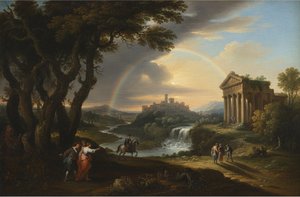
Shadow, Light, and Spectacle: The Dramatic Evolution of Baroque Landscape Painting
Explore the breathtaking drama of Baroque landscapes. Our expert guide delves into the interplay of light and shadow in 17th-century masterpieces. Discover art history and find museum-quality, hand-painted oil reproductions to bring classical grandeur to your home.

Drama in Nature: The Captivating Grandeur of Baroque Landscapes and the Art of Emotional Spectacle
Explore the breathtaking drama of Baroque landscapes. From Rubens's grand vistas to the mastery of chiaroscuro, discover how 17th-century artists transformed nature into a theatrical stage of emotion and light. A deep dive for true art enthusiasts.
Etching Masters: 10 Legendary Prints That Revolutionized Art | OriginalUniqueArt
Journey through 10 legendary etching masterpieces by Rembrandt, Dürer & Goya. Explore the history of printmaking and discover timeless art for your home. Find museum-quality reproductions at OriginalUniqueArt.com.

Baroque Classicism: The Grandeur of Order and Drama in 17th-Century Art History
Explore the profound elegance of Baroque Classicism. Discover how 17th-century masters synthesized dramatic emotion with classical order through the lens of the Counter-Reformation and the works of legends like Carlo Maratta and Andrea Sacchi.

Salvator Rosa: A Baroque Rebel's Vision of Landscape, Allegory & the Human Condition
Explore the captivating world of Salvator Rosa, a rebellious Baroque master. Discover his dramatic landscapes, allegorical paintings & lasting influence on Romanticism. Hand-painted reproductions available at OriginalUniqueArt.
