

 Pregledaj u prostoru
 Podeli
 Podeli
 Detalji
 Vodič
Vodič

 Preuzmi sliku
 Slični predmeti
 Rendgenski snimak
 Automatska prezentacija
 Statistika
Neo-Cubist Academy (Composition with Three Figures), 1926


 Pročitaj više
Ručno rađena uljana reprodukcija
Ručno oslikano uljanim bojama na platnu u dimenzijama i okviru po vašem izboru, izrađeno po porudžbini od strane naših umetnika. ( Pređi na prodaju štampanih primeraka Pređi na prodaju digitalnih slika)




P118B $10

P118H $10

P118W $10

P438Z $10

P508JH $12

P508YH $12

P805H $10

P805Z $10

P919BZ $10

P919G $10

P919XJ $10

P959ZH $10

P968JZ $12

W106C $8

W218G $10

W218JH $8

W218Y $10

W307PJ $10

W316G $10

W316PJ $8

W316Y $10

W398PJ $8

W4111J $10

W500HY $15

W500JH $15

W692G $12

W849H $8

W940BG $15

W953PJ $8




Izaberite jednu od naših unapred definisanih veličina koje odgovaraju originalnim proporcijama umetničkog dela.

Možete uneti sopstvene dimenzije kako biste prilagodili umetničko delo određenom okviru ili prostoru. Ako odabrana veličina ne odgovara proporcijama originala, slika će biti isečena ili proširena dodatnim elementima koji se ručno oslikavaju. Digitalni prikaz će vam biti poslat na odobrenje pre početka proizvodnje.
Imajte na umu da pregled na ekranu ne odražava stvarno prisecanje ili proširenje. Samo mockup će precizno prikazati konačnu kompoziciju.
Iako su dostupne prilagođene veličine, preporučujemo da izaberete dimenziju iz unapred definisane liste kako biste sačuvali originalne proporcije.
Nakon narudžbine, tim OriginalUniqueArt.com će klijentu putem e-pošte poslati uputstva i dostaviti prikaz predloženog rešenja
Svetska isporuka () za 3/4 nedelje umesto uobičajenih 5 nedelja. (21 септембар). Bez kompromisa po pitanju kvaliteta.

Besplatna ekspresna dostava širom sveta

Visokokvalitetno laneno platno

Sveobuhvatno osiguranje transporta

Garancija povraćaja carine i uvoznih dažbina

Garancija vernosti boja i autentičnosti pri reprodukciji

Politika povraćaja u roku od 100 dana (samo u slučaju nedostataka)

Garancija povrata 100% novca

Popust pri većoj količini
 Opcija sa staklom dostupna je samo za dimenzije manje od 110 cm

Neo-Cubist Academy (Composition with Three Figures), 1926
Tehnika izrade reprodukcije
Veličina reprodukcije
-


Ukupna cena
$ 425
A Surrealist Symphony: Decoding Dalí’s “Neo-Cubist Academy”
Salvador Dalí's "Neo-Cubist Academy (Composition with Three Figures), 1926" isn't merely a painting; it’s a meticulously constructed dreamscape, a visual embodiment of the subconscious anxieties and desires simmering beneath the surface of early 20th-century Europe. Painted during his most intensely productive period as a Surrealist, this work represents a pivotal moment in Dalí’s artistic evolution – a daring fusion of Cubism's fragmented forms with his signature brand of hallucinatory imagery and Freudian symbolism. The canvas pulsates with an unsettling energy, inviting the viewer to become a participant in its bizarre, yet strangely compelling, narrative. It’s a scene frozen mid-lecture, a gathering of figures caught in a perpetual state of intellectual and sensual contemplation, all rendered through Dalí's unparalleled technical skill and his deeply personal vision. The painting speaks volumes about the era’s fascination with psychology, the breakdown of traditional values, and the burgeoning anxieties surrounding modernity.Deconstructing the Composition: Cubism Meets Surrealism
The immediate impact is one of controlled chaos. Dalí masterfully employs the tenets of Cubism – the fracturing of objects into geometric planes, multiple viewpoints presented simultaneously – to create a sense of disorientation and instability. The figures themselves are not depicted realistically; they’re broken down, reassembled, and subtly distorted, mirroring the fragmented nature of memory and perception. Notice how the reclining nude on the left is simultaneously solid and dissolving, its form echoing the surrounding architectural elements. This deliberate ambiguity forces the viewer to actively engage with the image, piecing together a coherent narrative from disparate fragments. The inclusion of everyday objects – cups, bowls, knives, palettes – further contributes to this sense of unsettling juxtaposition, suggesting that even the most mundane aspects of life can be imbued with symbolic meaning within Dalí’s universe. The use of muted colors—primarily grays, browns, and ochres—heightens the painting's dreamlike quality, creating a timeless atmosphere that transcends specific temporal references.Symbolism and the Unconscious: A Portrait of Intellectual Desire
Beyond its purely formal qualities, “Neo-Cubist Academy” is rich in symbolic content. The three central figures – the reclining nude, the seated artist with the palette, and the standing instructor – represent a complex interplay of desire, creation, and instruction. The reclining figure, often interpreted as a self-portrait of Dalí himself, embodies sensuality and vulnerability, while the seated artist symbolizes artistic creation and intellectual pursuit. The third figure, seemingly observing or guiding, could represent the influence of tradition or the constraints imposed by societal expectations. The presence of numerous other figures in the background – some engaged in conversation, others lost in contemplation – suggests a broader community of intellectuals and artists, all caught within this shared dreamscape. Dalí frequently employed Freudian symbolism in his work, and here, we see echoes of repressed desires, anxieties about identity, and the struggle to reconcile the rational with the irrational. The recurring motif of hands—reaching out, grasping, offering – further reinforces these themes of interaction and exchange.Historical Context: Navigating the Post-War Psyche
“Neo-Cubist Academy” was created in the aftermath of World War I, a period marked by profound social upheaval and psychological trauma. The painting reflects the widespread disillusionment with traditional values and the growing interest in exploring the hidden depths of the human psyche. Surrealism, as a movement, emerged directly from this context, seeking to liberate art from the constraints of reason and logic, and to tap into the power of dreams and the unconscious mind. Dalí’s work aligns perfectly with this broader artistic and intellectual climate, capturing the anxieties and uncertainties of a rapidly changing world. The painting's exploration of themes like sexuality, mortality, and the nature of reality resonated deeply with audiences at the time, solidifying Dalí’s position as one of the leading figures of the 20th century.The Emotional Resonance: A Window into the Subconscious
Ultimately, “Neo-Cubist Academy” is a profoundly unsettling and captivating work of art. It doesn't offer easy answers or comforting resolutions; instead, it presents us with a series of ambiguous images that challenge our perceptions and force us to confront our own hidden desires and anxieties. The painting’s dreamlike quality evokes a sense of unease and disorientation, while its meticulous detail and technical brilliance demonstrate Dalí’s extraordinary artistic skill. Whether viewed as a commentary on the complexities of human relationships, a meditation on the nature of art, or simply a visually arresting exploration of the subconscious mind, “Neo-Cubist Academy” remains a powerful and enduring testament to the genius of Salvador Dalí. It's a piece that rewards repeated viewing, revealing new layers of meaning with each encounter.Biografija umetnika
Сальвадор Дали: Мајстор Свемира и Подсвести
Сальвадор Доминго Фелипе Жасинта Дали i Domènech, име које је постало синоним за надреализам, рођен је 11. маја 1904. године у сунчаном граду Фигересу, Шпанија. Његов живот био је предодређен да буде све што друго до изузетног – перформанс, истраживање несвести кроз задивљујуће слике и техничку бригу. Још у детињству над њега се нависала сенка губитака; његов старији брат, такође Салвадор, преминуо је само девет месеци пре Далијевог рођења, траума која је обележила његову уметност темама двојности и замене. Ово искуство, у комбинацији са сложеним односом са оцем који је био строг али практичан и мајчином наклоношћу, обликовало је личност која је била и егзотична и дубоко интроспективна. Од младости је показао изузетан уметнички таленат, негован кроз формалну обуку на Академији лепих уметности у Мадриду. Међутим, преломни сусрет са модерном сликарством – посебно делима импресиониста и ренесансних мајстора – запалио је у њему жељу да се одрекне традиције и изгради свој пут.
Париз и Рађање Надреалистичке Визије
Путовање у Париз 1926. године било је преображавајуће, уронивши Далија у срце авангардне сцене. Привлачиле су га побунске снаге дадаизма, чије одбацивање логике и прихватање апсурда резоновало са његовим нарастујућим уметничким нагојствима. Али још важније је то што је у Паризу потпуно пригрлио надреализам, повезавши се са кључним фигурама као што су Андре Бретон, Пабло Пикасо – кога је Дали дубоко поштовао – и Жан Миро. Ово није било само усвајање стила; Дали је револуционисао сам покрет. Развио је оно што је назвао „параноичко-критичку методу“, самоиндуковану државу параноје дизајнирану да откључа скривене слике несвести. Ова техника му је омогућила да пренесе снове, бриге и дубоко личне симболе на платно са задивљујућом јасноћом и детаљном пажњом. Резултат је био свет који су насељавале топљење сата, издужене сенке, изобличене фигуре и чудне комбинације – обележја његовог одмах препознатљивог стила. Трајност памћења, завршена 1931. године, остаје можда његово најпознатије дело, у коме се сажима надреалистичка истрага флуидност времена, крхкост успомена и неизбежност распада.
Изван Платно: Плодан и Многострани Уметник
Далијева креативна продукција била је много више од сликања. Био је изузетно плодан уметник, који се бавио скулптуром, филмом – нарочито сарађујући са Алфредом Хичкоком у Spellbound и Волтом Диснејем – графичким уметностима, дизајном накита па чак и позоришним декорацијама. Његова фасцинација није била ограничена на традиционалне уметничке медије; експериментисао је са границама комерцијалне уметности, дизајнирајући рекламе и излоге. Постојани мотиви провлачили су се кроз његов рад: мрави који симболизују распад, јаја која представљају пренатални живот и наду, штакели који указују на подршку и хрупкост, фиоке које наговештавају скривене тајне и топљени објекти који оличе нестабилност стварности. Ови симболи нису били произвољни; они су били дубоко лични, укорењени у његовим анксамама, жељама и успоменама. Радови као што је Јулијетин гроб, емоционална истрага губитака,Манекен (Барселонски манекен), који одражава опсесију вештачком природом и идентитетом, и Пејзаж са мушицама, забрињавајући приказ смртности, демонстрирају ширину и дубину његових тема.
Егзотичност, Опчење и Трајно Утицај
Током живота је Дали култивисао личност егзотична и ексцентрична као и његова уметност. Прихватио је самопромоцију, разумевајући моћ спектакла да привуче пажњу јавности. Његов брак са Галом Елуардом 1934. године био је пресудан, не само лично већ и уметнички; она је постала његова муза, бизнис-менаџерка и непоколебљива подршка. Иако су га каснији дани обележили повећањем комерцијалних подухвата и понекад контроверзним пригрљајем режима Франка, његов уметнички наслеђе остаје огромно. Преминуо је 23. јануара 1989. године, оставивши за собом дело које наставља да изазива, побуђује и инспирише. Музеј Салвадора Далија у Санкт Петербургу, Флорида, служи као сведочанство о његовој трајној популарности, који прима огромну колекцију која посетиоцима омогућава да се уроне у свет овог изузетног уметника. Дали је прешао границе уметности, постајући културном иконом чији утицај може бити виђен у моди, филму, реклами и популарној култури. Остаје један од најпрепознатљивијих и најутицајнијих уметника 20. века – истински визионар који се усудио да истражи дубине несвести и преведе њене мистерије на платно за све да виде.
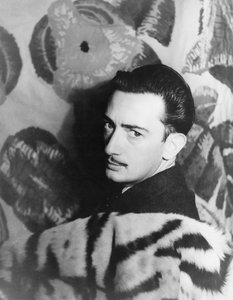
Сальвадор Дали
1904 - 1989 , Шпанија
Brzi pregled
- Datum Rođenja: 11. maj 1904.
- Datum Smrti: 23. januar 1989.
- Mesto Rođenja: Figueres, Španija
- Nacionalnost: Španski
- Puno Ime: Salvador Domingo Felipe Jacinto Dalí i Domènech
- Umetnički Pokret: Surentizam
- Uticali Na Njega:
- Pablo Pikaso
- Dadaizam
- Kubizam
- Utičao Na Njih:
- Pop art
- Savremeni umetnici
- Značajna Dela:
- Trajna memorija
- Julijetina grobnica
- Maneken
- Položaj sa muvama
Srodni članci

Decoding Dalí: The Paranoiac-Critical Method and Surrealist Symbols Explained
Master the complexities of Salvador Dalí's work. Explore the Paranoiac-Critical Method, decode iconic Surrealist symbols, and understand the psychological depth behind his technical brilliance in this expert art history guide designed for students and collectors.
Salvador Dalí: Surrealism, Subconscious Exploration & Artistic Innovation
Explore the captivating world of Salvador Dalí! Discover his surrealist masterpieces, profound connection to Freud's theories, and lasting impact on art & culture. A deep dive into a visionary artist.
Salvador Dalí: 25 Remek-dela Genijalnog Surrealiste | OriginalUniqueArt
Uronite u svet Salvador Dalíja sa 25 remek-dela koje definišu surrealizam. Otkrijte priče iza ikoničnih slika, tehnike i inspiraciju za dizajn enterijera. Reprodukcije vrhunskog kvaliteta dostupne na OriginalUniqueArt.com.
Surrealistički Majstori: 10 dela koja su definisala pokret i inspiracija za vaš dom
Otkrijte 10 remek dela koja su definisala surrealizam! Dalí, Magritte i drugi majstori kroz snoviće i simbolizam. Inspiracija za vaš dom uz OriginalUniqueArt – reprodukcije vrhunskog kvaliteta i kuratorske ideje. Istražite kolekciju online!
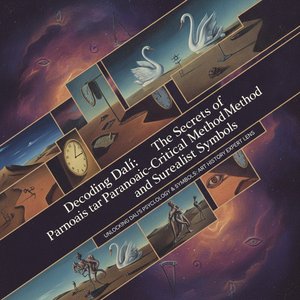
Decoding Dalí: The Secrets of the Paranoiac-Critical Method and Surrealist Symbols
Unlock the mysteries of Salvador Dalí. Explore the profound secrets behind his Paranoiac-Critical Method and decode the surrealist symbols that define his legendary dreamscapes in this expert art history guide.


