

 Pregledaj u prostoru
 Pošalji
 Podeli
 Detalji o delu

 Преузми
 Slični predmeti
 Rendgenski snimak
 Slajdovi
Marine
 Dutch Golden Age
 1650
1650 35.0 x 43.0 cm
 Metropolitan Museum of Art
 Pročitaj više
Giclee štampa / Umetnički otisak
Giclée štampa ili print na platnu muzejskog kvaliteta uz brzu proizvodnju i fleksibilne opcije završne obrade. ( Kupi ručno naslikanu sliku Kupi digitalnu sliku)




P118B $10

P118H $10

P118W $10

P438Z $10

P508JH $12

P508YH $12

P805H $10

P805Z $10

P919BZ $10

P919G $10

P919XJ $10

P959ZH $10

P968JZ $12

W106C $8

W218G $10

W218JH $8

W218Y $10

W307PJ $10

W316G $10

W316PJ $8

W316Y $10

W398PJ $8

W4111J $10

W500HY $15

W500JH $15

W692G $12

W849H $8

W940BG $15

W953PJ $8




Izaberite jednu od naših unapred definisanih veličina koje odgovaraju originalnim proporcijama umetničkog dela.

Možete uneti sopstvene dimenzije kako biste umetničko delo prilagodili specifičnom okviru ili prostoru. Ako odabrani format ne odgovara proporcijama originalne slike, mi ćemo ili iscrtati deo dela ili proširiti sliku pomoću ogledane ivice ili jednobojnog popunjavanja. Digitalni prikaz će vam biti poslat na odobrenje pre početka proizvodnje.
Imajte na umu da pregled na ekranu ne odražava stvarno iscrtavanje ili proširivanje. Samo će prikaz (mockup) precizno pokazati finalnu kompoziciju.
Iako su prilagođene dimenzije dostupne, preporučujemo da odaberete dimenziju sa unapred definisane liste kako biste očuvali originalne proporcije.
Dostava širom sveta () za 2 nedelje umesto uobičajenih 4/5 nedelja. (16 август)

Besplatna ekspresna dostava širom sveta

Visokokvalitetno laneno platno

Kompletno osiguranje transporta

Garancija povraćaja carine i uvoznih dažbina

Garancija vernosti boja

Politika povrata u roku od 60 dana (samo u slučaju nedostataka)

Garancija povrata novca od 100%

Popust pri grupnoj kupovini
 Opcija sa staklom dostupna je samo za dimenzije manje od 110 cm

Marine
Giclee štampa / Umetnički otisak
Dimenzije reprodukcije
-


Konačna cena
$ 80
Opis predmeta
A Moment Frozen in Time: The Allure of Salomon van Ruysdael's Marine
Salomon van Ruysdael’s “Marine,” painted around 1650, isn’t merely a depiction of a seascape; it’s an invitation to step into a tranquil moment suspended between the vastness of the ocean and the quietude of a coastal town. This remarkable work, currently residing within the hallowed halls of The Metropolitan Museum of Art in New York, exemplifies the pinnacle of Dutch Golden Age painting – a period defined by meticulous detail, atmospheric realism, and an extraordinary ability to capture the subtle nuances of light and shadow. More than just a pretty picture, “Marine” offers a profound glimpse into 17th-century life, maritime practices, and the artist’s masterful command of color and composition.
At first glance, the painting presents a deceptively simple scene: a serene river flowing towards the sea, dotted with small boats engaged in various activities – fishing, transporting goods, or simply enjoying the day. A lone sailboat, its billowing sails catching the wind, cuts through the water, flying the proud banner of the Dutch Republic. However, beneath this apparent simplicity lies a wealth of carefully considered details and symbolic elements. Van Ruysdael wasn’t just painting what he saw; he was crafting an experience, evoking a sense of peace, order, and connection to nature – values deeply ingrained in the ethos of the Dutch Golden Age.
The Art of the Dutch Masters: Technique and Style
Van Ruysdael’s skill lies not only in his ability to render realistic details but also in his masterful use of technique. The painting is executed in oil on wood, a medium that allowed for rich colors and subtle gradations of tone. Notice how the artist employs broken brushstrokes – tiny, individual marks of paint – to create the illusion of shimmering water and billowing clouds. This technique, known as “impasto,” adds texture and depth to the scene, drawing the viewer’s eye into the heart of the composition. The careful layering of colors, particularly in the depiction of the sky and water, creates a remarkable sense of atmospheric perspective – the way that distant objects appear paler and less distinct than those closer to the viewer.
The color palette is restrained yet remarkably effective. Predominantly blues and grays dominate the scene, reflecting the cool tones of the sea and sky. The boats are painted in a range of browns and whites, providing contrast against the darker background. Van Ruysdael’s use of light is particularly noteworthy; it's diffused and gentle, casting long shadows and creating a sense of quiet contemplation. This subtle illumination contributes significantly to the painting’s overall mood – one of serenity and tranquility.
A Window into 17th-Century Life: Historical Context
“Marine” offers a fascinating glimpse into the daily life of coastal communities in the Netherlands during the 17th century. The presence of the “schouw,” a type of shallow-draft sailing vessel used for transporting goods and passengers along inland waterways, is particularly significant. These boats were vital to the Dutch economy, facilitating trade and connecting distant towns and villages. The inclusion of buildings on the distant shoreline – reminiscent of coastal towns – further anchors the scene in its historical context. The painting isn’t simply a landscape; it's a snapshot of a thriving maritime society.
Furthermore, the painting reflects the broader cultural values of the Dutch Golden Age. The emphasis on order, industry, and connection to nature was central to the Dutch worldview. Van Ruysdael’s “Marine” embodies these values, offering a vision of a harmonious relationship between humanity and the natural world. The painting's popularity during its time speaks volumes about this shared cultural appreciation.
Bringing "Marine" Home: Reproduction and Legacy
Today, reproductions of Van Ruysdael’s “Marine” are available through reputable sources like The Metropolitan Museum of Art and other fine art dealers. A high-quality reproduction captures the essence of the original, allowing you to bring this timeless masterpiece into your own home or office. Consider a canvas print for a truly immersive experience, or an acrylic glass print for a sleek, modern look. Whether you choose a traditional oil on wood reproduction or a more contemporary format, owning a piece inspired by “Marine” is a celebration of Dutch Golden Age artistry and a reminder of the enduring power of beauty and tranquility.
Biografija umetnika
Suptilni majstor holandskog pejzaža: Život Salomona van Ruysdaela
U zlatnom dobu sedamnaestovegardskih Holandije, u periodu koji je definisala neviđena prosperitetnost i umetničko cvetanje, Salomon van Ruysdael se istakao kao slikar duboke atmosferske osetljivosti. Rođen oko 1602. godine u Naardenu, njegov život bio je duboko isprepleten sa samom suštinom holandskog zlatnog doba. Iako istorija često baca dugačku senku na njegovog slavnijeg brata, Jakoba van Ruisdaela, Salomon je izradio zasebnu i nezamenljivu nišu unutar kanona pejzažnog slikarstva. Njegovo delo ne prikazuje samo zemlju; ono beleži živo suštinsko biće holandskog seoskog predeľa, gde svetlost i voda izvode svoj tihi, večni ples preko platna.
Temelji njegove umetničke veštine postavljeni su u domaćinstvu gde su zanat i preciznost bili od presudnog značaja. Njegov otac, Jacob Jansz de Gooyer, bio je vešti drvosnuta majstor specijalizovan za složene ebonitne okvize koji su čuvali najdragocenija ogledala i slike tog doba. Ovakvo rano izlaganje pedantnim detaljima u izradi okvira verovatno je u Salomonu usadilo doživotno poštovanje prema teksturi i strukturnoj integritetu. Iako je njegovo formalno obrazovanje bilo iznenađujuće široko — obuhvatajući složenosti latinskog jezika, pa čak i medicine — njegovo srce ostalo je vezano za vizuelni svet. Pridruživanjem prestižnoj Haarlemskoj gildiji Svetog Luke 1623. godine, ušao je u elitni krug stvaralaca, pod direktnim uticajem majstora kao što su Jan Porcellis i Esaias van de Velde. Ovi mentori, poklonici atmosferske perspektive i opservacionog realizma, pružili su tehnički rečnik koji će Salomon kasnije koristiti za komponovanje svojih spokojnih, voda-centričnih vidika.
Simfonija vode i svetlosti
Pravom majstorstvom Salomona van Ruysdaela odlikuje sposobnost da dočara prolazne kvalitete holandske atmosfere. Za razliku od mnogih svojih savremenika koji su tražili dramatične, prostrane vidike ili turbulentne oluje, Salomon je najveću inspiraciju pronašao u tišini unutrašnjih voda. Njegove kompozicije često se fokusiraju na ritmično tečenje reka i mirno prostranstvo jezera, gde se nebo i voda spajaju u neprekinut prelaz nežnih tonova i meke svetlosti. U remek-delima kao što je Pogled na reku blizu Deventera, može se primetiti kako koristi delikatnu paletu da izazove osećaj vlažnog, hladnog vazduha Holandije, pozivajući posmatrača da zakorači u trenutak dubokog mirovanja.
Njegova tehnička virtuoznost posebno je evidentna u tretmanu pomorskih i rečnih motiva. U delima poput Jedrilica na unutrašnjem vodnom telu, on pokazuje neprevaziđenu sposobnost da uhvati težinu i kretanje čamaca koji plove kroz mirne struje. Integracija ljudskih elemenata — poput suptilnog prisustva ribara u delu Reka sa ribarima — nikada nije nametljiva; naprotiv, ove figure služe da pruže razmeru i osećaj proživljene stvarnosti pejzažu. Kroz njegovu četkicu, voda postaje više od obične površine; ona postaje ogledalo koje reflektuje promenljive oblake i meku, difuznu svetlost koja karakteriše holandsko nebo.
Nasleđe i umetnički značaj
Istorijski značaj Salomona van Ruysdaela leži u njegovoj ulozi pionira atmosferskog pejzaža. On se udaljio od krutih, topografskih prikaza ranijih era ka emotivnijem, čulnom iskustvu prirode. Njegova sposobnost da spoji preciznost elemenata mrtve prirode sa prostranstvom pejzažnog slikarstva stvorila je jedinstvenu estetiku koja je odjekivala kod holandske srednje klase, koja je tražila umetnost koja odražava njihovo sopstveno mirno i marljivo okruženje.
Danas se njegovo nasleđe čuva u nekim od najcenjenijih svetskih institucija, uključujući Museo Thyssen-Bornemisza. Proučavati Van Ruysdaela znači proći kroz lekciju strpljenja i posmatranja. Njegovo delo ostaje svedočanstvo lepote pronađene u neupadljivom, podsećajući nas da se najdublje umetničke istine često nalaze u najtišim odsjajima reke ili najmekšem sjaju zalazećeg sunca. Njegov doprinos holandskom zlatnom dobu ostaje suštinsko poglavlje u priči o tome kako je čovečanstvo naučilo da vidi svet ne samo onakvim kakav jeste, već i onakvim kakav se oseća.
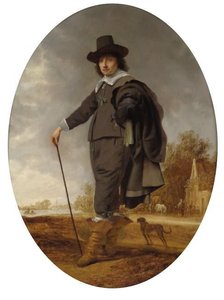
Salomon Van Ruysdael
1602 - 1670 , Holandija
Osnovne informacije
- Artistic Movement Or Style: Pejzažno slikarstvo holandskog zlatnog doba
- Artists Or Movements Influenced By This Artist: ['Jacob Van Ruisdael']
- Artists Who Influenced This Artist:
- Jan Porcellis
- Esaias van de Velde
- Date Of Birth: Naarden, Holandija (1602)
- Date Of Death: 3. novembar 1670.
- Full Name: Salomon van Ruysdael
- Nationality: Holandski
- Notable Artworks:
- Rečni pejzaž
- Trajekt blizu Gorinchema
- Pogled na Deventer
- Place Of Birth: Naarden
Povezani članci
25 Remek-Dela Vincenta van Goga: Umetnička Lepota za Vaš Dom | OriginalUniqueArt
Uronite u svet Vincenta van Goga sa 25 remek-dela! Otkrijte priče iza slika, impresionistički stil i emotivne boje. Kvalitetne reprodukcije za dekoraciju enterijera dostupne na OriginalUniqueArt.com. Istražite celu kolekciju online!

Golden Light & Dutch Skies: The Timeless Magic of Dutch Golden Age Landscapes
Discover the breathtaking beauty of Dutch Golden Age landscapes. Explore the mastery of light, chiaroscuro, and 17th-century realism through an expert art history lens, celebrating the enduring legacy of the Dutch Masters for discerning collectors and art lovers.

Zlatno doba Holandske umetnosti: Top 10 remek dela za vaš dom
Otkrijte remek dela Holandskog zlatnog doba! Uronite u svet Rembrandta, Vermeera i drugih majstora. 10 ikoničnih slika koje su definisale umetnost. Inspiracija za vaš dom i kolekciju - ekskluzivne reprodukcije na OriginalUniqueArt.com!

Rembrandt van Rijn: 25 Majstorstava Svetla i Senke za Vaš Dom | OriginalUniqueArt
Uronite u svet Rembrandta van Rijna! Otkrijte 25 najlepših dela holandskog majstora – portrete, istorijske scene i biblijska platna. Kvalitetne reprodukcije slika za dekoraciju enterijera dostupne na OriginalUniqueArt.com.

Willem van de Velde the Elder: Master of Maritime Painting & Chronicler of the Dutch Golden Age
Discover the captivating maritime paintings of Willem van de Velde the Elder, a master chronicler of the Dutch Golden Age. Explore his unparalleled realism and lasting influence on naval art history.

