

 Pregledaj u prostoru
 Podeli
 Podeli
 Detalji
 Vodič
Vodič

 Preuzmi sliku
 Slični predmeti
 Rendgenski snimak
 Automatska prezentacija
 Statistika
Drawing the Eel
 Oil On Canvas
- WallArt
- Dutch Golden Age
 1650
1650- Early Modern
 75.0 x 106.0 cm
 Metropolitan Museum of Art
 Pročitaj više
Ručno rađena uljana reprodukcija
Ručno oslikano uljanim bojama na platnu u dimenzijama i okviru po vašem izboru, izrađeno po porudžbini od strane naših umetnika. ( Pređi na prodaju štampanih primeraka Pređi na prodaju digitalnih slika)




P118B дин10

P118H дин10

P118W дин10

P438Z дин10

P508JH дин12

P508YH дин12

P805H дин10

P805Z дин10

P919BZ дин10

P919G дин10

P919XJ дин10

P959ZH дин10

P968JZ дин12

W106C дин8

W218G дин10

W218JH дин8

W218Y дин10

W307PJ дин10

W316G дин10

W316PJ дин8

W316Y дин10

W398PJ дин8

W4111J дин10

W500HY дин15

W500JH дин15

W692G дин12

W849H дин8

W940BG дин15

W953PJ дин8




Izaberite jednu od naših unapred definisanih veličina koje odgovaraju originalnim proporcijama umetničkog dela.

Unesite širinu i visinu koja vam je potrebna, kako bi se uklopili u vaš ram ili zid. Pošto je ovo ručno oslikano delo, umetnik može naslikati malo više prostora oko slike ili malo skratiti ivice za dimenzije drugačijeg oblika — izbor je na vama. Pre početka rada, poslaćemo vam digitalni prikaz radi potvrde. Slika prikazana na ovoj stranici ne predstavlja konačan rezultat — samo digitalni prikaz pokazuje stvarnu sliku.
Nakon narudžbine, tim OriginalUniqueArt.com će klijentu putem e-pošte poslati uputstva i dostaviti prikaz predloženog rešenja
Svetska isporuka () za 3/4 nedelje umesto uobičajenih 5 nedelja. (25 октобар). Bez kompromisa po pitanju kvaliteta.

Besplatna ekspresna dostava širom sveta

Visokokvalitetno laneno platno

Sveobuhvatno osiguranje transporta

Garancija povraćaja carine i uvoznih dažbina

Garancija vernosti boja i autentičnosti pri reprodukciji

Politika povraćaja u roku od 100 dana (samo u slučaju nedostataka)

Garancija povrata 100% novca

Popust pri većoj količini
 Opcija sa staklom dostupna je samo za dimenzije manje od 110 cm

Drawing the Eel
Tehnika izrade reprodukcije
Veličina reprodukcije
-


Ukupna cena
дин 30929
A Window Into Seventeenth Century Holland
In the heart of the Dutch Golden Age, amidst a period of unprecedented maritime prosperity and cultural flowering, Salomon van Ruysdael captured more than just scenery; he captured the very soul of a nation. His masterpiece, Drawing the Eel, completed around 1650, serves as an exquisite meditation on light, observation, and the subtle grandeur found within the rhythms of everyday life. While many of his contemporaries sought to overwhelm the viewer with dramatic, idealized vistas, Ruysdael championed a remarkably restrained and intimate approach. He possessed a singular ability to render the precise nuances of natural light—particularly that soft, diffused glow filtering through an overcast sky—a technique that transforms a simple village scene into a breathing, atmospheric experience.
The painting unfolds across a wide horizontal expanse, inviting the eye to wander through a tranquil landscape where a river meanders gracefully toward the horizon. The composition is anchored by a substantial house, likely the residence of a wealthy landowner, which stands prominently on the right, its architecture reflecting the stability and burgeoning wealth of the era. Surrounding this structure, trees laden with fruit create a rich tapestry of textures, their leaves catching the light in a way that demonstrates Ruysdael’s meticulous mastery of detail. This is not merely a landscape, but a carefully constructed stage where the elements of nature and human industry exist in a delicate, harmonious balance.
The Pulse of Village Life and Festive Tradition
Beyond its serene landscape, Drawing the Eel is a vibrant chronicle of social history. The canvas is alive with the movement of a community engaged in the seasonal festivities of a clear winter day. Scattered throughout the scene are figures that breathe life into the Dutch countryside: villagers tending to livestock, children playing near the riverbank, and groups gathered around carts in moments of shared greeting. At the center of this social tapestry lies the depiction of palingtrekken, or "eel pulling," a traditional Dutch festival pastime that adds a layer of cultural depth to the work.
Every brushstroke serves to document the textures of 17th-century life, from the heavy folds of woolen clothing to the shimmering reflections on the water’s surface. The presence of boats on the river hints at the vital commerce and trade that fueled the Dutch economy, while the inclusion of cows and horses underscores the essential connection between the people and their land. For the discerning collector or interior designer, this painting offers a profound sense of narrative richness; it is a piece that rewards repeated viewing, revealing new details of human interaction and rural industry with every encounter.
A Timeless Aesthetic for the Modern Interior
For those seeking to infuse a space with historical elegance and emotional depth, a high-quality reproduction of this work offers unparalleled inspiration. The color palette—dominated by verdant greens, earthy tones, and the luminous blues of a fair-weather sky—is both soothing and sophisticated, making it an ideal centerpiece for a variety of interior styles, from classical traditionalism to contemporary organic modernism. The painting’s ability to evoke a sense of tranquility and nostalgia allows it to act as a "window," expanding the perceived boundaries of a room and bringing the peaceful spirit of the Dutch countryside indoors.
Owning a piece that echoes the mastery of Salomon van Ruysdael is an opportunity to celebrate the enduring power of observation. This artwork does not demand attention through grandiosity, but rather earns it through its quiet, persistent beauty. It remains a testament to a time when art was used to find the extraordinary within the ordinary, making it a timeless acquisition for anyone who appreciates the profound impact of light, landscape, and the human story.
Pitanja i odgovori
Koja je tehnika i datum nastanka dela „Drawing the Eel”, Salomon Van Ruysdael?
Delo "Drawing the Eel" nastalo je 1650. godine korišćenjem tehnike Oil On Canvas. Materijal i datum opisuju način i vreme kada je originalstvo izrađeno.
Od čega je izrađeno "Drawing the Eel" i u kom stilu?
„Drawing the Eel”, Salomon Van Ruysdael spaja tehniku Oil On Canvas sa stilom Dutch Golden Age. Tehnika i pravac opisuju način izrade i stil dela.
Da li je "Drawing the Eel" dostupan kao umetnička štampa?
„Drawing the Eel“ je dostupno kao umetnička štampa na pamučnom platnu ili arhivskom kanvas papiru. Porudžbine se vrše na stranici Umetski print, u dimenziji po vašem izboru.
Biografija umetnika
Suptilni majstor holandskog pejzaža: Život Salomona van Ruysdaela
U zlatnom dobu sedamnaestovegardskih Holandije, u periodu koji je definisala neviđena prosperitetnost i umetničko cvetanje, Salomon van Ruysdael se istakao kao slikar duboke atmosferske osetljivosti. Rođen oko 1602. godine u Naardenu, njegov život bio je duboko isprepleten sa samom suštinom holandskog zlatnog doba. Iako istorija često baca dugačku senku na njegovog slavnijeg brata, Jakoba van Ruisdaela, Salomon je izradio zasebnu i nezamenljivu nišu unutar kanona pejzažnog slikarstva. Njegovo delo ne prikazuje samo zemlju; ono beleži živo suštinsko biće holandskog seoskog predeľa, gde svetlost i voda izvode svoj tihi, večni ples preko platna.
Temelji njegove umetničke veštine postavljeni su u domaćinstvu gde su zanat i preciznost bili od presudnog značaja. Njegov otac, Jacob Jansz de Gooyer, bio je vešti drvosnuta majstor specijalizovan za složene ebonitne okvize koji su čuvali najdragocenija ogledala i slike tog doba. Ovakvo rano izlaganje pedantnim detaljima u izradi okvira verovatno je u Salomonu usadilo doživotno poštovanje prema teksturi i strukturnoj integritetu. Iako je njegovo formalno obrazovanje bilo iznenađujuće široko — obuhvatajući složenosti latinskog jezika, pa čak i medicine — njegovo srce ostalo je vezano za vizuelni svet. Pridruživanjem prestižnoj Haarlemskoj gildiji Svetog Luke 1623. godine, ušao je u elitni krug stvaralaca, pod direktnim uticajem majstora kao što su Jan Porcellis i Esaias van de Velde. Ovi mentori, poklonici atmosferske perspektive i opservacionog realizma, pružili su tehnički rečnik koji će Salomon kasnije koristiti za komponovanje svojih spokojnih, voda-centričnih vidika.
Simfonija vode i svetlosti
Pravom majstorstvom Salomona van Ruysdaela odlikuje sposobnost da dočara prolazne kvalitete holandske atmosfere. Za razliku od mnogih svojih savremenika koji su tražili dramatične, prostrane vidike ili turbulentne oluje, Salomon je najveću inspiraciju pronašao u tišini unutrašnjih voda. Njegove kompozicije često se fokusiraju na ritmično tečenje reka i mirno prostranstvo jezera, gde se nebo i voda spajaju u neprekinut prelaz nežnih tonova i meke svetlosti. U remek-delima kao što je Pogled na reku blizu Deventera, može se primetiti kako koristi delikatnu paletu da izazove osećaj vlažnog, hladnog vazduha Holandije, pozivajući posmatrača da zakorači u trenutak dubokog mirovanja.
Njegova tehnička virtuoznost posebno je evidentna u tretmanu pomorskih i rečnih motiva. U delima poput Jedrilica na unutrašnjem vodnom telu, on pokazuje neprevaziđenu sposobnost da uhvati težinu i kretanje čamaca koji plove kroz mirne struje. Integracija ljudskih elemenata — poput suptilnog prisustva ribara u delu Reka sa ribarima — nikada nije nametljiva; naprotiv, ove figure služe da pruže razmeru i osećaj proživljene stvarnosti pejzažu. Kroz njegovu četkicu, voda postaje više od obične površine; ona postaje ogledalo koje reflektuje promenljive oblake i meku, difuznu svetlost koja karakteriše holandsko nebo.
Nasleđe i umetnički značaj
Istorijski značaj Salomona van Ruysdaela leži u njegovoj ulozi pionira atmosferskog pejzaža. On se udaljio od krutih, topografskih prikaza ranijih era ka emotivnijem, čulnom iskustvu prirode. Njegova sposobnost da spoji preciznost elemenata mrtve prirode sa prostranstvom pejzažnog slikarstva stvorila je jedinstvenu estetiku koja je odjekivala kod holandske srednje klase, koja je tražila umetnost koja odražava njihovo sopstveno mirno i marljivo okruženje.
Danas se njegovo nasleđe čuva u nekim od najcenjenijih svetskih institucija, uključujući Museo Thyssen-Bornemisza. Proučavati Van Ruysdaela znači proći kroz lekciju strpljenja i posmatranja. Njegovo delo ostaje svedočanstvo lepote pronađene u neupadljivom, podsećajući nas da se najdublje umetničke istine često nalaze u najtišim odsjajima reke ili najmekšem sjaju zalazećeg sunca. Njegov doprinos holandskom zlatnom dobu ostaje suštinsko poglavlje u priči o tome kako je čovečanstvo naučilo da vidi svet ne samo onakvim kakav jeste, već i onakvim kakav se oseća.
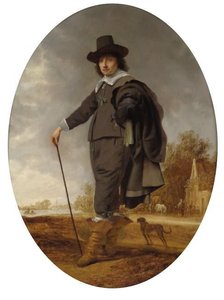
Salomon Van Ruysdael
1602 - 1670 , Holandija
Brzi pregled
- Artistic Movement Or Style: Pejzažno slikarstvo holandskog zlatnog doba
- Artists Or Movements Influenced By This Artist: ['Jacob Van Ruisdael']
- Artists Who Influenced This Artist:
- Jan Porcellis
- Esaias van de Velde
- Date Of Birth: Naarden, Holandija (1602)
- Date Of Death: 3. novembar 1670.
- Full Name: Salomon van Ruysdael
- Nationality: Holandski
- Notable Artworks:
- Rečni pejzaž
- Trajekt blizu Gorinchema
- Pogled na Deventer
- Place Of Birth: Naarden
Srodni članci
Nicolaes Berchem: Dutch Golden Age Pastoralism & the Evolution of Landscape Painting
Explore the captivating world of Nicolaes Berchem, a leading Dutch Golden Age painter. Discover his idyllic landscapes, masterful technique & lasting influence on art history. Learn more at OriginalUniqueArt.

Golden Light & Dutch Skies: Bringing the Magic of Dutch Golden Age Landscapes into Your Home
Transform your home with the breathtaking light of Dutch Golden Age landscapes. Discover how hand-painted oil reproductions of masterworks like Ruisdael and Vermeer bring timeless elegance, atmosphere, and soulful texture to modern interiors. Elevate your space with museum-quality art.
Charles Leickert: Capturing the Dutch Golden Age Light – A Comprehensive Study of Technique, Context, and Legacy
Explore the captivating winter landscapes of Charles Leickert, a master of Dutch Golden Age light & atmosphere. Discover his techniques, symbolism, and lasting legacy – a comprehensive study for art enthusiasts and collectors.

Zlatno doba Holandske umetnosti: Top 10 remek dela za vaš dom
Otkrijte remek dela Holandskog zlatnog doba! Uronite u svet Rembrandta, Vermeera i drugih majstora. 10 ikoničnih slika koje su definisale umetnost. Inspiracija za vaš dom i kolekciju - ekskluzivne reprodukcije na OriginalUniqueArt.com!

Golden Light & Dutch Skies: The Timeless Magic of Dutch Golden Age Landscapes
Discover the breathtaking beauty of Dutch Golden Age landscapes. Explore the mastery of light, chiaroscuro, and 17th-century realism through an expert art history lens, celebrating the enduring legacy of the Dutch Masters for discerning collectors and art lovers.