
 Pregledaj u prostoru
 Pošalji
 Podeli
 Detalji o delu

 Преузми
 Slični predmeti
 Rendgenski snimak
 Slajdovi
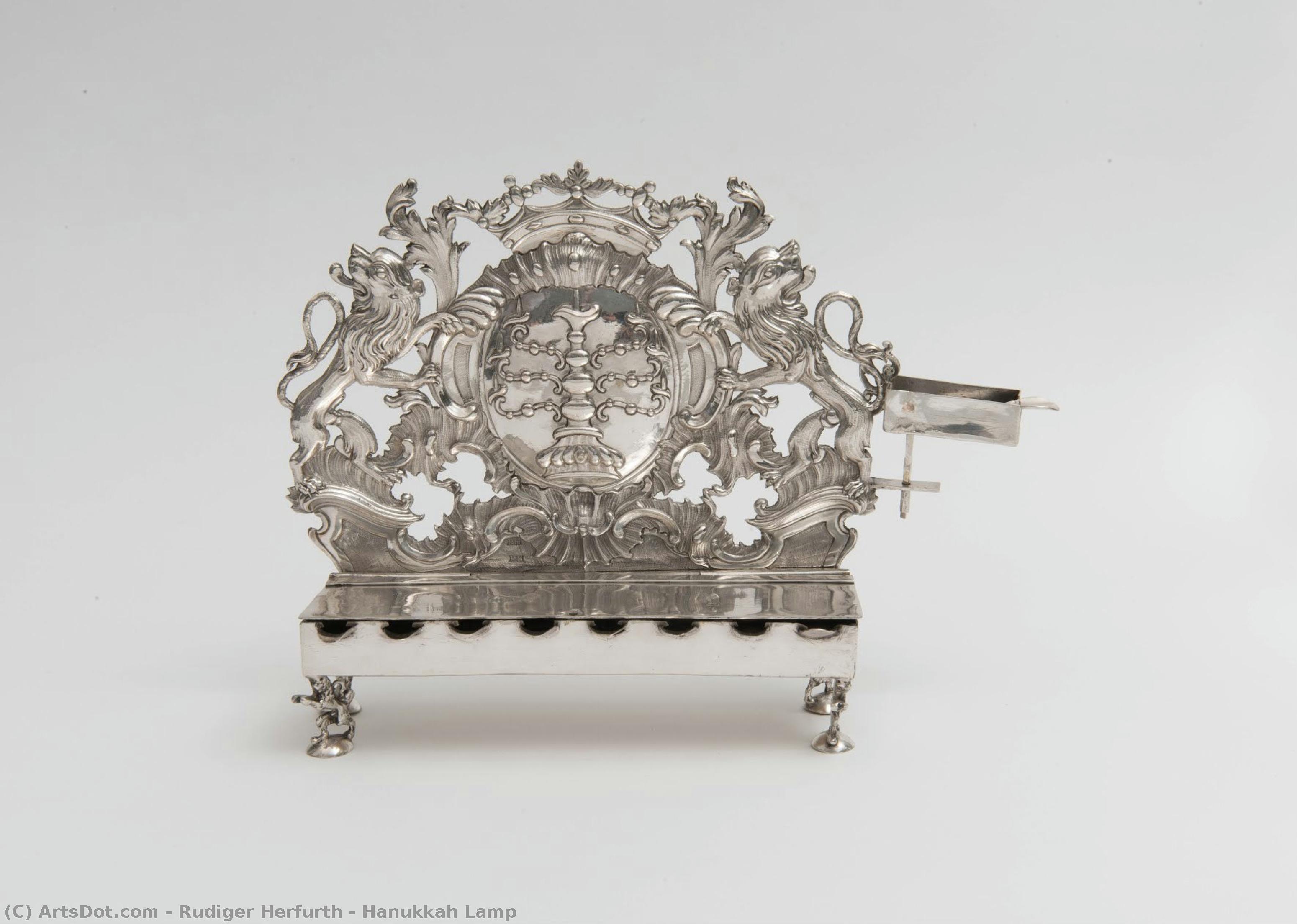
Hanukkah Lamp


 Pročitaj više
Giclee štampa / Umetnički otisak
Giclée štampa ili print na platnu muzejskog kvaliteta uz brzu proizvodnju i fleksibilne opcije završne obrade. ( Kupi ručno naslikanu sliku Kupi digitalnu sliku)




































Izaberite jednu od naših unapred definisanih veličina koje odgovaraju originalnim proporcijama umetničkog dela.

Možete uneti sopstvene dimenzije kako biste umetničko delo prilagodili specifičnom okviru ili prostoru. Ako odabrani format ne odgovara proporcijama originalne slike, mi ćemo ili iscrtati deo dela ili proširiti sliku pomoću ogledane ivice ili jednobojnog popunjavanja. Digitalni prikaz će vam biti poslat na odobrenje pre početka proizvodnje.
Imajte na umu da pregled na ekranu ne odražava stvarno iscrtavanje ili proširivanje. Samo će prikaz (mockup) precizno pokazati finalnu kompoziciju.
Iako su prilagođene dimenzije dostupne, preporučujemo da odaberete dimenziju sa unapred definisane liste kako biste očuvali originalne proporcije.
Dostava širom sveta () za 2 nedelje umesto uobičajenih 4/5 nedelja. (26 август)

Besplatna ekspresna dostava širom sveta

Visokokvalitetno laneno platno

Kompletno osiguranje transporta

Garancija povraćaja carine i uvoznih dažbina

Garancija vernosti boja

Politika povrata u roku od 60 dana (samo u slučaju nedostataka)

Garancija povrata novca od 100%

Popust pri grupnoj kupovini
 Opcija sa staklom dostupna je samo za dimenzije manje od 110 cm

Hanukkah Lamp
Giclee štampa / Umetnički otisak
Dimenzije reprodukcije
-


Konačna cena
$ 80
Opis predmeta
Biografija umetnika
A Master Silversmith of the Rococo: The Life and Legacy of Rötger Herfurth
Rötger Herfurth, born in Frankfurt in 1722, stands as a compelling figure within the world of eighteenth-century decorative arts. Though not a household name like some of his contemporaries, his contribution to the field of Judaica—ceremonial objects used in Jewish religious practice—is profoundly significant. He wasn’t merely crafting silver; he was shaping symbols of identity and continuity for a community navigating complex social and political landscapes. Herfurth's story is one interwoven with the economic realities of his time, the artistic currents of the Rococo period, and the specific needs of Frankfurt’s Jewish population following a devastating fire that spurred a demand for new ritual items.
Early Life and Apprenticeship in Frankfurt
Frankfurt in the early eighteenth century was a bustling center of trade and craftsmanship. The city held a unique position as a home to a substantial Jewish community, yet one subject to restrictions that limited their participation in many trades. Herfurth entered this world as an aspiring silversmith, becoming a master craftsman in 1748. He joined the established workshop of the Leschhorn family, a name synonymous with silver production in Frankfurt for nearly a century. This apprenticeship proved crucial, providing him with both technical expertise and access to a network of patrons—including the Jewish community who would become his primary clientele.
The Rise of Judaica Production
A pivotal event shaped Herfurth’s career trajectory: a major fire in Frankfurt's Jewish ghetto earlier in the century. This catastrophe destroyed countless homes and, crucially, a wealth of communal ritual objects. The resulting need for replacements created an opportunity for silversmiths like Herfurth to specialize in Judaica. Because of legal restrictions preventing Jews from entering the silver trade themselves, they relied on Christian artisans such as Herfurth to fulfill their needs. This dynamic—a blend of artistic skill, economic necessity, and religious commission—defined much of his output.
Distinctive Style and Iconic Designs
Herfurth’s work is immediately recognizable for its embrace of the Rococo aesthetic. Characterized by ornate detailing, asymmetrical curves, and a playful lightness, the style perfectly suited the ceremonial objects he created. He became particularly renowned for his Kiddush cups, used in the sanctification of wine on Shabbat and holidays, and his Hanukkah lamps. The Hanukkah lamps, often referred to as the “Frankfurt type,” are perhaps his most enduring legacy. These feature a distinctive backplate adorned with elaborate Rococo motifs—scrollwork, shells, and floral designs—and prominently display lion rampant supports. This design wasn’t merely decorative; it became a symbol of Jewish identity in itself, replicated by other artisans well into the nineteenth century.
Historical Significance and Enduring Influence
Rötger Herfurth's significance extends beyond his artistic skill. He represents a fascinating intersection of religious communities and economic forces. His willingness to cater specifically to Jewish needs—and to do so with such artistry—helped preserve and revitalize ritual traditions in the wake of hardship. The “Frankfurt type” Hanukkah lamp, born from his workshop, became a widespread emblem of Jewish life, demonstrating the power of art to embody cultural memory and resilience. While he died in 1776, his influence continued for generations, solidifying his place as a master silversmith whose work continues to be admired and studied today.

rudiger herfurth
1722 - 1776 , Germany
Osnovne informacije
- Artistic Movement Or Style: Rococo silverware
- Date Of Birth: 1722
- Date Of Death: 1776
- Full Name: Rötger Herfurth
- Nationality: German
- Notable Artworks:
- Kiddush cups
- Hanukkah lamps
- Place Of Birth: Frankfurt, Germany

