Pregledaj u prostoru
 Podeli
 Podeli
 Detalji
 Vodič
Vodič

 Preuzmi sliku
 Slični predmeti
 Rendgenski snimak
 Automatska prezentacija
 Statistika
St Catherine
 Oil On Panel
- Early Netherlandish Painting
 1445
1445 21.0 x 18.0 cm
 Музей имени Гулбенкяна
 Pročitaj više
Giclee štampa / Umetnički otisak
Giclée štampa ili print na platnu muzejskog kvaliteta uz brzu izradu i raznovrsne opcije završne obrade. ( Naručite ručno oslikano reprodukciju Pređi na prodaju digitalnih slika)




P118B дин10

P118H дин10

P118W дин10

P438Z дин10

P508JH дин12

P508YH дин12

P805H дин10

P805Z дин10

P919BZ дин10

P919G дин10

P919XJ дин10

P959ZH дин10

P968JZ дин12

W106C дин8

W218G дин10

W218JH дин8

W218Y дин10

W307PJ дин10

W316G дин10

W316PJ дин8

W316Y дин10

W398PJ дин8

W4111J дин10

W500HY дин15

W500JH дин15

W692G дин12

W849H дин8

W940BG дин15

W953PJ дин8




Izaberite jednu od naših unapred definisanih veličina koje odgovaraju originalnim proporcijama umetničkog dela.

Unesite širinu i visinu koja vam je potrebna, kako bi se uklopili u vaš ram ili na vaš zid. Štampa se može samo iseći, nikada ne može biti veća od originalne slike, stoga format sa drugačijim proporcijama gubi deo slike. Poslaćemo vam digitalni prikaz radi potvrde pre nego što započnemo štampu. Slika prikazana na ovoj stranici ne pokazuje stvarni rez — to pokazuje samo digitalni prikaz.
Dostava širom sveta () za 2 nedelje umesto uobičajenih 4/5 nedelja. (21 октобар)

Besplatna ekspresna dostava širom sveta

Visokokvalitetno laneno platno

Sveobuhvatno osiguranje transporta

Garancija povraćaja carine i uvoznih dažbina

Garancija vernosti boja i autentičnosti pri reprodukciji

Politika povraćaja u roku od 100 dana (samo u slučaju nedostataka)

Garancija povrata 100% novca

Popust pri većoj količini
 Opcija sa staklom dostupna je samo za dimenzije manje od 110 cm

St Catherine
Giclee štampa / Umetnički otisak
Veličina reprodukcije
-


Ukupna cena
дин 8200
A Portrait of Faith and Majesty: Rogier van der Weyden’s “St Catherine”
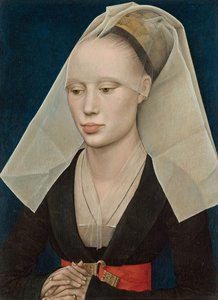
Rogier van der Weyden's "St Catherine," painted in 1445, is more than simply a depiction of a woman; it’s a profound meditation on faith, nobility, and the enduring power of human emotion. Measuring a modest 21 x 18 centimeters, this oil-on-panel masterpiece housed within the Museu Calouste Gulbenkian in Lisbon, Portugal, belies its small scale with an astonishing depth of psychological complexity and technical mastery. Van der Weyden, born around 1400 in Tournai, Belgium, a city renowned for its goldsmithing tradition – a background that profoundly shaped his artistic approach – crafted a work that immediately establishes him as a leading figure within the burgeoning world of Early Netherlandish painting. The image presents a woman, identified as St. Catherine, radiating an aura of serene authority and quiet contemplation. Her gaze, direct and unwavering, draws the viewer into her inner world, inviting us to share in her solemnity.
The Renaissance Ideal: Form and Feeling
Van der Weyden’s style during this period is characterized by a remarkable ability to fuse meticulous realism with an intensely expressive emotional core. “St Catherine” exemplifies this perfectly. The rendering of the woman's face, particularly her eyes, is breathtakingly lifelike – capturing not just physical features but also subtle nuances of thought and feeling. Note the delicate modeling of the skin, achieved through layers of translucent glazes, a technique perfected by Van der Weyden and his followers. The rich crimson of her gown, the intricate folds of her veil, and the gleaming gold of her crown are all rendered with an almost obsessive attention to detail, reflecting the goldsmith’s influence on his artistic training. This isn't merely a portrait; it’s a carefully constructed illusion, designed to evoke a sense of reverence and admiration.
Symbolism and Spiritual Significance
The identification of the subject as St. Catherine adds layers of symbolic meaning to the painting. St. Catherine was revered for her unwavering faith and her martyrdom, often depicted as a woman who endured great suffering for her devotion. The crown she wears signifies her elevated status – not just within the Christian hierarchy but also as a symbol of spiritual authority. Her posture, upright and dignified, reinforces this sense of nobility and strength. The setting is deliberately ambiguous, lacking specific topographical details, which was common in Northern Renaissance portraiture. This deliberate vagueness allows the viewer to project their own interpretations onto the image, fostering a personal connection with the subject. The overall effect is one of timelessness – St. Catherine transcends her historical context and becomes an archetype of faith and resilience.
Technique and Legacy
Van der Weyden’s mastery of oil paint allowed him to achieve unprecedented levels of luminosity and depth in his work. He employed a layering technique known as *sfumato*, subtly blurring the edges of forms and creating a soft, atmospheric effect. This is particularly evident in the rendering of her hair – it appears almost luminous, catching the light with an ethereal quality. “St Catherine” represents a pivotal moment in Van der Weyden’s career, solidifying his reputation as one of the most accomplished painters of his generation. His influence can be seen in the work of subsequent artists, including Jan van Eyck and Hans Memling. Today, reproductions of this captivating portrait offer an accessible way to experience the profound beauty and emotional resonance of Van der Weyden’s genius – a testament to the enduring power of art to capture the human spirit.
Bringing “St Catherine” Home
OriginalUniqueArt offers meticulously crafted hand-painted reproductions of Rogier van der Weyden's "St Catherine," allowing you to bring this iconic masterpiece into your home or office. Our skilled artisans replicate Van der Weyden’s intricate details and luminous colors with the utmost care, ensuring that your reproduction captures the essence of the original painting. Whether you are an art collector, a design enthusiast, or simply someone who appreciates exceptional beauty, a OriginalUniqueArt reproduction of “St Catherine” is a stunning addition to any space – a window into the heart of Renaissance artistry and a celebration of enduring faith and human dignity.
Pitanja i odgovori
U kojoj godini i u okviru kog pravca je nastalo delo "St Catherine"?
Delo "St Catherine" nastalo je 1445. godine, u okviru pokreta Early Netherlandish Painting.
Da li je „St Catherine”, Roge Van Der Vejden među traženim delima Early Netherlandish Painting pokreta?
„St Catherine“ je zabeležen/a kao Recognized među delima Early Netherlandish Painting pokreta u katalogu.
Koliko je godina imao/la Roge Van Der Vejden kada je kreirao/la "St Catherine" 1445. godine?
Roge Van Der Vejden je kreirao/la "St Catherine" u uzrastu od 45 godina. Umetnik je rođen/a 1400, a datum stvaranja dela je 1445.
Biografija umetnika
Рођер ван дер Вејден: Мајстор емоција и ренесансног реализма
У свету средњовековне уметности, мало је имена тако моћно и трајно као име Рођера ван дер Вејдена. Овог мајстора рано-нетољанске сликарске школе, рођеног отприлике 1400. године у Турнаију, данашњој Белгији, често се говори као о једном од три најважнија представника те епохе, заједно са Робертом Кампаном и Јаном ван Ејком. Иако детаљи његовог раног живота остају у сенци историјских записа, познато је да је прво био златар, занимање које му је дало прецизност и пажњу за детаље који ће касније обележити његову сликарску праксу. Та умешност рада са благородним металима трансформисала се у способност да са невероватном веромноћом представи тканине, изразе лица и текстуре, чиме је превазишао пуку представљање стварности – он ју је рекреирао уз готово религијски поштовање.
Од Турнаја до Брисела: Узлетање уметника
Већ 1427. године, Рођер је постао мајстор у Гиљди светог Луке у Турнаију, што говори о његовом таленту и вештини. Кључни тренутак у његовој каријери догађа се 1435. године када постаје двоски портретиста Филипа Доброг, бургнског војводе. Ова покровитељска улога не само да му је обезбедила финансијску стабилност, већ га је и изложила елити и уметничким круговима тог доба. У то време, његова уметност се развијала, одступајући од строгих конвенција претходних генерација ка више емоционалног и реалистичког приступа. Рођер није само сликао религијске сцене; он је тежио да пробуди осећања код посматрача, да створи искуство које надмашује пуку посматраност.
Језик осећања: Стил и техника
Рођер ван дер Вејден се истицао својом палиетром богатом и разноличном, правом таписеријом боја пажљиво одабраних да избегну понављање и створе дубину и сложеност у његовим композицијама. Изузетна способност да пренесе дубоке емоције – *патос* – посебно је запажена у приказивању сцена туговања, као што је Ламентација, где су жалост и патња готово осећајне. Ова емоционална интензивност није постигнута драматичним покретима или претераним изражавањима лица; уместо тога, била је фино испреплетана у само ткиво сликарења, пренесена кроз деликатне нијансе израза лица, тела и композиције. Његове фигуре, иако се држе конвенција времена, показују растући интерес за реалистичну представљање – не само у анатомији и драпирима, већ и у откривању психолошких стања његових субјеката. Они поседују достојанствену, готово скулпторску квалитету, нарочито запажену у његовим великим триптихима, што им даје осећај свечаности и побожности. Мајсторски је користио уље као боју, градећи слојеве прозирних глазира како би постигао луминозне ефекте и створио осећај дубине и реализма који је био револуционаран за своје време.
Трајан утицај: Остварење кроз слике
Утицај Рођера ван дер Вејдена прекорачио је границе његове родне Фландрије. Његова дела била су веома тражена широм Европе, посебно у Италији и Шпанији, где су представила нови ниво емоционалне дубине и реализма локалним уметничким традицијама. Иако је његова слава доживела период релативне забрављености у 17. веку, поновно откривање током 19. века учврстило га као једног од најважнијих сликара 15. века. Он стоји раме уз раме са Јаном ван Ејком и Робертом Кампаном као једним од три велика рано-нетољанска мајстора, сваки од који доприноси развоју северне ренесансне уметности. Његове иновативне технике и емоционално наелектрисане композиције отвориле су пут будућим генерацијама уметника, инспиришући бројне имитаторе и обликујући ток западноевропске сликарске уметности вековима. Он је помогао да се уље естаблира као доминантно медиј и подигао статус уметника у друштву, трансформишући их од квалификованих занаталија у цењена ствараоца.
Најзначајнија дела и трајни мајстори
Током своје плодне каријере, Рођер ван дер Вејден је створио бројна дела која стоје као сведочанства његове уметничке вештине. Свети Лука црта Мадону, смештена у Музеју лепих уметности у Бостону, приказује његовог мајсторства у раду на панелу са уљем и пажљивог посматрања. Ламентација, која се налази у Музеју лепих уметности у Турнаију, Белгија, можда је његово најславније дело – снажно емотивна представа Христове туге, позната по драматичној употреби *кјароскура* и способности да пробуди дубоку жалост код посматрача. Постоје многа издања Свадбе, свака од којих демонстрира његову способност да са задивљујућом сензибилношћу пренесе тугу и драму. Благовестиљење, мајсторско дело рафинираног стила и пажње за детаље, показује његову способност да чак и најтрадиционалнијем субјекте надахне свежом животом. И коначно, сложени и детаљно Браделински триптих стоји као монументално достигнуће – комплекс алтарски комад који приказује пуни спектар уметничких способности Ван дер Вејдена.
Roge Van Der Vejden
1400 - 1464 , Belgija
Brzi pregled
- Datum Rođenja: c. 1400.
- Datum Smrti: 1464.
- Mesto Rođenja: Tournai, Belgija
- Na Njih Je Uticao:
- Italijanska renesansa
- Španska umetnost
- Nacionalnost: Belgijanac
- Puno Ime: Rogier van der Weyden
- Umetnički Pokret: Rana nemačka umetnost
- Uticali Na Njega:
- Robert Campin
- Jan van Eyck
- Značajna Dela:
- Polaganje u grob
- Lamentacija
- Sv. Luka crta Bogorodicu
- Bladelin Triptih
Srodni članci

Hugo van der Goes: Devotion, Innovation & the Psychological Depth of Early Netherlandish Painting
Explore the revolutionary art of Hugo van der Goes – a master of Early Netherlandish painting renowned for his dramatic realism, psychological depth & profound influence on Renaissance artists. Discover his iconic works and lasting legacy.

Rembrandt van Rijn: 25 Majstorstava Svetla i Senke za Vaš Dom | OriginalUniqueArt
Uronite u svet Rembrandta van Rijna! Otkrijte 25 najlepših dela holandskog majstora – portrete, istorijske scene i biblijska platna. Kvalitetne reprodukcije slika za dekoraciju enterijera dostupne na OriginalUniqueArt.com.

Rogier van der Weyden: Emotion, Innovation & the Early Netherlandish Renaissance
Explore the revolutionary art of Rogier van der Weyden, a pivotal figure of the Early Netherlandish Renaissance. Discover his emotional realism, innovative compositions, and lasting impact on painting history.
Early Netherlandish Masters: 10 Paintings That Revolutionized Art & Decor
Journey into the Early Netherlandish Renaissance! Explore 10 iconic paintings by Jan van Eyck, Rogier van der Weyden & more. Discover stunning detail, symbolism, and oil painting techniques. Find museum-quality art reproductions for your home at OriginalUniqueArt.com.

Early Netherlandish Masters: 10 Paintings That Revolutionized Art & Decor
Journey into the world of Early Netherlandish painting! Explore 10 masterpieces by Jan van Eyck, Rogier van der Weyden & more. Discover stunning detail, symbolism & Renaissance art for your home decor. Find museum-quality reproductions on OriginalUniqueArt.com