

 Pregledaj u prostoru
 Podeli
 Podeli
 Detalji
 Vodič
Vodič

 Preuzmi sliku
 Slični predmeti
 Rendgenski snimak
 Automatska prezentacija
 Statistika
Spring Planting

 Pročitaj više
Umetničko delo prikazano na ovoj stranici zaštićeno je autorskim pravima, što znači da zakonski nismo u mogućnosti da kreiramo niti prodajemo identičnu reprodukciju. Ova zaštita se sprovodi u skladu sa međunarodnim sporazumima kao što su Bernska konvencija i nacionalnim zakonima, uključujući i one koji su definisani u Američki zakon o autorskom pravu – Naslov 17.
Ovaj metod je u potpunosti usklađen sa regulativama o autorskim pravima jer ne podrazumeva kopiranje ili dupliranje zaštićenih umetničkih dela. Umesto toga, reč je o kreativnoj reinterpretaciji – novom slikarskom delu koje je inspirisano originalom, ali nije identično njemu.
Giclee štampa / Umetnički otisak
Giclée štampa ili print na platnu muzejskog kvaliteta uz brzu izradu i raznovrsne opcije završne obrade. ( Naručite ručno oslikano reprodukciju Pređi na prodaju digitalnih slika)




P118B дин10

P118H дин10

P118W дин10

P438Z дин10

P508JH дин12

P508YH дин12

P805H дин10

P805Z дин10

P919BZ дин10

P919G дин10

P919XJ дин10

P959ZH дин10

P968JZ дин12

W106C дин8

W218G дин10

W218JH дин8

W218Y дин10

W307PJ дин10

W316G дин10

W316PJ дин8

W316Y дин10

W398PJ дин8

W4111J дин10

W500HY дин15

W500JH дин15

W692G дин12

W849H дин8

W940BG дин15

W953PJ дин8




Izaberite jednu od naših unapred definisanih veličina koje odgovaraju originalnim proporcijama umetničkog dela.

Unesite širinu i visinu koja vam je potrebna, kako bi se uklopili u vaš ram ili na vaš zid. Štampa se može samo iseći, nikada ne može biti veća od originalne slike, stoga format sa drugačijim proporcijama gubi deo slike. Poslaćemo vam digitalni prikaz radi potvrde pre nego što započnemo štampu. Slika prikazana na ovoj stranici ne pokazuje stvarni rez — to pokazuje samo digitalni prikaz.
Dostava širom sveta () za 2 nedelje umesto uobičajenih 4/5 nedelja. (25 октобар)

Besplatna ekspresna dostava širom sveta

Visokokvalitetno laneno platno

Sveobuhvatno osiguranje transporta

Garancija povraćaja carine i uvoznih dažbina

Garancija vernosti boja i autentičnosti pri reprodukciji

Politika povraćaja u roku od 100 dana (samo u slučaju nedostataka)

Garancija povrata 100% novca

Popust pri većoj količini
 Opcija sa staklom dostupna je samo za dimenzije manje od 110 cm

Spring Planting
Giclee štampa / Umetnički otisak
Veličina reprodukcije
-


Ukupna cena
дин 8248
Biografija umetnika
A Life Painted in Light: Richard Hayley Lever and the Pursuit of Atmospheric Impressionism
Richard Hayley Lever, born in Bowden, South Australia in 1876, embarked on a journey that would carry him across continents and immerse him in the evolving currents of Post-Impressionist painting. His story is one of relentless artistic exploration, fueled by an early talent nurtured at Prince Alfred College under James Ashton and further honed within the vibrant art communities of England, France, and ultimately, America. Lever wasn’t merely a painter; he was a seeker of light, atmosphere, and the emotional resonance embedded within landscapes and marine scenes. The inheritance received after his maternal grandfather's death in 1882 provided the crucial opportunity for him to pursue formal training abroad, setting the stage for a career defined by both technical skill and an increasingly personal artistic vision.From Cornish Shores to Parisian Studios: Early Influences and Development
Lever’s initial foray into the art world led him to St. Ives, Cornwall in 1899—a fishing port already renowned as a haven for marine painters like Julius Olsson. This proved pivotal. He shared studio space with Frederick Judd Waugh and absorbed techniques from both Olsson and Algernon Talmage, figures who championed capturing the raw energy of the sea. The Cornish coast became his initial canvas, imbued with the spirit of Impressionism but already hinting at a bolder approach to color and form. A subsequent period in France, specifically in Douarnenez and Concarneau, Brittany, further solidified his understanding of light and its transformative power on the landscape. These early works demonstrate a commitment to *plein air* painting—a dedication to capturing the immediacy of observation directly from nature. However, Lever wasn’t content with mere replication; he sought to convey not just what he saw, but how it *felt*. A return trip to Adelaide in 1904 allowed him to exhibit and teach, briefly grounding him within his native Australia before a renewed pull towards Europe and the burgeoning artistic movements taking shape there. His marriage to Aida Smith Gale in St. Ives in 1906 marked a period of personal stability that coincided with an intensification of his artistic exploration, culminating in the evocative “Van Gogh’s Hospital, Holland” series of 1908—a clear indication of the profound influence Van Gogh's expressive use of color and emotion had on his developing style.The American Embrace: Finding a Voice in New England
A turning point arrived in 1911 when Ernest Lawson, an American Impressionist painter, encouraged Lever to relocate to the United States. Arriving in New York City in 1912, he initially focused on urban scenes—the bustling energy of Times Square and the serene expanse of Central Park. Yet, it was the discovery of the American East Coast, particularly Gloucester, Massachusetts, that truly ignited his artistic passion. He spent several summers painting there and at Marblehead, captivated by the rugged beauty of the coastline and the vibrant light reflecting off the water. This period saw Lever fully integrate into a circle of influential artists—Robert Henri, William Glackens, John Sloan, and George Bellows—who championed realism and direct engagement with American life. While exhibiting alongside these figures, he maintained his distinct voice, developing a spontaneous, bold style that blended Impressionistic techniques with a heightened sense of emotional intensity.Teaching and Legacy: A Philosophy of “Having a Good Time”
From 1919 to 1931, Lever dedicated himself to teaching at the Art Students League of New York, establishing a studio in Gloucester and continuing his travels throughout New England, Nantucket, and Martha’s Vineyard. His pedagogical approach was remarkably free-spirited, encapsulated by his belief that “Art is the re-creation of mood in line, form and color” and the simple yet profound assertion: “If I were confined to my own back yard for the rest of my life, I'd still have more pictures in my mind than I would have time to paint. Art is nothing but having a good time.” This philosophy encouraged his students to find inspiration within themselves and their surroundings, prioritizing emotional expression over rigid technique. Lever’s work gained recognition through numerous exhibitions—including the Pennsylvania Academy of Fine Arts Annual, Corcoran Gallery biennials, and the National Academy of Design—and found its way into prominent collections such as those of the Metropolitan Museum of Art, Brooklyn Museum, and even the White House, where he was commissioned to paint a portrait of the presidential yacht USS Mayflower in 1924.A Lasting Impression: Richard Hayley Lever’s Historical Significance
Richard Hayley Lever died in Mount Vernon, New York, in 1958, leaving behind a rich body of work that reflects his lifelong pursuit of atmospheric impressionism. He wasn't simply replicating scenes; he was translating emotions onto canvas—the power of the sea, the warmth of sunlight, the quiet beauty of coastal landscapes. His ability to blend Impressionistic techniques with a uniquely personal and expressive style cemented his place within American art history. Lever’s legacy lies not only in the captivating beauty of his paintings but also in his unwavering commitment to artistic freedom and the joy of creation. He stands as a testament to the enduring power of observation, emotion, and the transformative potential of light—a painter who truly lived and breathed the landscapes he so passionately depicted.
Richard Hayley Lever
1876 - 1958
Brzi pregled
- Full Name: Richard Hayley Lever
- Nationality: Australian/American
- Date Of Birth: 1876
- Date Of Death: 1958
- Place Of Birth: Bowden, Australia
- Notable Artworks:
- Van Gogh's Hospital
- Swimming Hole
- Sunset on the Bay
- Artistic Movement Or Style: Post-Impressionism
- Artists Who Influenced This Artist:
- Vincent Van Gogh
- Julius Olsson
Srodni članci

Impressionistic Landscapes: 10 Masterpieces That Changed Art & Decor
Journey into the heart of Impressionism! Explore 10 masterpieces by Monet, Renoir & Degas that revolutionized landscape art. Discover their stories, techniques & find museum-quality reproductions to elevate your home decor on OriginalUniqueArt.com.

Richard Hayley Lever: A Study in British Impressionism & Coastal Light
Explore the captivating world of Richard Hayley Lever (1876-1958), a master of Impressionism renowned for his vibrant coastal scenes. Discover his life, style & legacy with OriginalUniqueArt.

Impresionistički pejzaži: 10 remek-dela koja su definisala umetnički pokret
Otkrijte 10 remek-dela impresionizma koja su zauvek obeležila pejzažnu umetnost! Monet, Renoar i Degas – istražite priče iza svake slike. Inspiracija za dekoraciju enterijera i vrhunske reprodukcije na OriginalUniqueArt.com. Istražite kolekciju online!
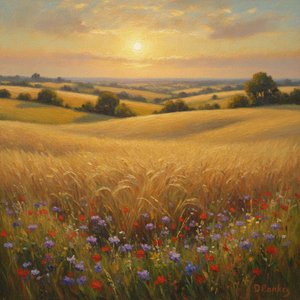
Golden Fields & Sun-Drenched Meadows: Capturing the Soul of Impressionist Landscapes
Immerse yourself in the luminous world of Impressionist landscapes. Discover how masters like Monet and Gauguin captured ephemeral light through plein air painting, and learn to bring the soul of sun-drenched meadows into your home with exquisite, hand-painted oil reproductions.
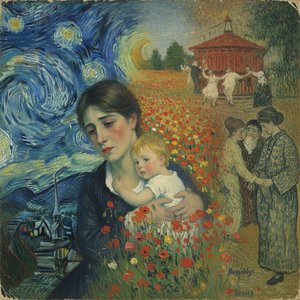
Capturing the Soul: The Most Emotionally Moving Impressionist and Post-Impressionist Masterpieces
Discover the profound emotional depth of Impressionist and Post-Impressionist masterpieces. Explore how legends like Monet, Van Gogh, and Gauguin captured light and soul through evocative landscapes and vibrant brushwork for a timeless connection to art history.