Pređi na štampu
 Pročitaj više







































 Za umetnička dela ili reprodukcije čija je bilo koja strana veća od 105 cm (približno 41 inč), okvir će biti isporučen u obliku rastavljenog seta za sklapanje. Ovaj metod osigurava bezbednu dostavu i sprečava oštećenja tokom transporta.


A Vision of Eternal Cycles
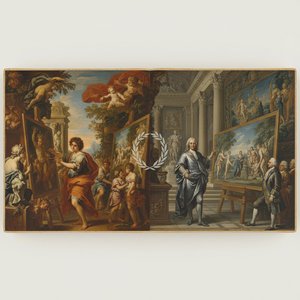
Renato Reni’s “The Four Seasons,” painted in 1617, is more than a depiction of nature's rhythms; it’s a profound meditation on the passage of time, the cyclical nature of life, and the interwoven destinies of humanity and divinity. This monumental work, now residing within the Museo di Capodimonte in Naples, immediately captivates with its rich tapestry of figures – four women embodying each season, their children representing the continuity of generations. The painting isn’t merely a visual record; it's an allegorical narrative brimming with symbolic weight and imbued with the emotional intensity characteristic of the High Renaissance.
Baroque Grandeur and Reni’s Signature Style
Reni, known as “Le Guide” (The Guide) for his masterful guidance to younger artists, expertly blends classical ideals with a distinctly Baroque sensibility. The composition is meticulously balanced, drawing the eye through a carefully orchestrated arrangement of figures and elements. His technique showcases an unparalleled command of color, light, and shadow – a hallmark of the era – creating a palpable sense of depth and atmosphere. Notice how he employs sfumato, subtly blurring outlines to soften forms and evoke a dreamlike quality. The rich palette, dominated by warm earth tones punctuated by vibrant splashes of color representing each season, contributes significantly to the painting’s dramatic effect.
- Technique: Oil on canvas, demonstrating Reni's mastery of glazing and layering techniques.
- Composition: A carefully balanced pyramid structure guides the viewer's eye through the scene.
- Color Palette: Dominated by earth tones with vibrant accents representing each season – green for Spring, golden hues for Summer, russet reds and browns for Autumn, and icy blues and whites for Winter.
Symbolism Woven into the Narrative
Each woman embodies a specific season, not just through her attire but also through the gestures and expressions that convey their respective moods. Spring is represented by a youthful figure holding a child, symbolizing new beginnings and fertility. Summer exudes warmth and abundance, while Autumn reflects contemplation and harvest. Winter evokes a sense of stillness and introspection. The presence of angels – one on the left, two on the right – reinforces the painting’s spiritual dimension, suggesting divine guidance and protection throughout the cycles of life. The children themselves are not merely decorative elements; they represent the continuation of time and the enduring legacy of each season.
A Window into 17th-Century Thought
“The Four Seasons” reflects the prevailing philosophical currents of the early 17th century, particularly the emphasis on cyclical time and the interconnectedness of all things. The painting speaks to a worldview where human life is inextricably linked to the rhythms of nature and the divine order. Further research reveals connections to Renaissance ideas about harmony, proportion, and the beauty of the natural world – themes that resonated deeply with artists and intellectuals of the era. The work’s enduring appeal lies in its ability to capture both the grandeur of historical art and the timeless relevance of universal human experiences.
Pitanja i odgovori
Kako se medijum i pokret spajaju u delu "The Four Seasons"?
U delu "The Four Seasons", tehnika Acrylic On Canvas susreće pokret Baroque Classicism.
Koja je preporučena veličina štampe za „The Four Seasons”, autor Гвидо Рени?
Preporučena veličina štampe za rad "The Four Seasons" je Medium. Dostupne su i druge veličine istih proporcija.
U kojoj godini i u okviru kog umetničkog pravca je nastalo delo "The Four Seasons"?
„The Four Seasons”, autor Гвидо Рени je datirano 1617. godine i pripada pravcu Baroque Classicism.
 Pregledaj u prostoru
 Pošalji
 Podeli
 Detalji o delu
 Vodič
Vodič

 Preuzmi
 Slični predmeti
 Rendgenski snimak
 Automatska prezentacija
 Pitanja i odgovori
 Statistika