- Početna strana

- Štampa na platnu
- Рене Магрит
- The explanation

 Naručite reprodukciju Kupi digitalnu sliku
 Pošalji
 Podeli
 Detalji o delu
 Dodaj u omiljene

 Преузми
 Slični predmeti
 Rendgenski snimak
 Slajdovi
The explanation
 Acrylic On Canvas
- WallArt
- Surrealist Movement
 1952
1952 46.0 x 35.0 cm
 Pročitaj više
Giclee štampa / Umetnički otisak
Giclée štampa ili print na platnu muzejskog kvaliteta uz brzu proizvodnju i fleksibilne opcije završne obrade.




P118B $10

P118H $10

P118W $10

P438Z $10

P508JH $12

P508YH $12

P805H $10

P805Z $10

P919BZ $10

P919G $10

P919XJ $10

P959ZH $10

P968JZ $12

W106C $8

W218G $10

W218JH $8

W218Y $10

W307PJ $10

W316G $10

W316PJ $8

W316Y $10

W398PJ $8

W4111J $10

W500HY $15

W500JH $15

W692G $12

W849H $8

W940BG $15

W953PJ $8




Izaberite jednu od naših unapred definisanih veličina koje odgovaraju originalnim proporcijama umetničkog dela.

Možete uneti sopstvene dimenzije kako biste umetničko delo prilagodili specifičnom okviru ili prostoru. Ako odabrani format ne odgovara proporcijama originalne slike, mi ćemo ili iscrtati deo dela ili proširiti sliku pomoću ogledane ivice ili jednobojnog popunjavanja. Digitalni prikaz će vam biti poslat na odobrenje pre početka proizvodnje.
Imajte na umu da pregled na ekranu ne odražava stvarno iscrtavanje ili proširivanje. Samo će prikaz (mockup) precizno pokazati finalnu kompoziciju.
Iako su prilagođene dimenzije dostupne, preporučujemo da odaberete dimenziju sa unapred definisane liste kako biste očuvali originalne proporcije.
Dostava širom sveta () za 2 nedelje umesto uobičajenih 4/5 nedelja. (21 јул)

Besplatna ekspresna dostava širom sveta

Visokokvalitetno laneno platno

Kompletno osiguranje transporta

Garancija povraćaja carine i uvoznih dažbina

Garancija vernosti boja

Politika povrata u roku od 60 dana (samo u slučaju nedostataka)

Garancija povrata novca od 100%

Popust pri grupnoj kupovini
 Opcija sa staklom dostupna je samo za dimenzije manje od 110 cm

The explanation
Giclee štampa / Umetnički otisak
Dimenzije reprodukcije
-


Konačna cena
-
Opis predmeta
A Silent Dialogue Between Objects: Unpacking René Magritte’s *The Explanation*
René Magritte's *The Explanation*, painted in 1952, isn’t merely a depiction of two carrots and three bottles; it’s an invitation to a profound meditation on perception itself. This deceptively simple composition, measuring a modest 46 x 35 cm, embodies the core tenets of Magritte's surrealist approach – a deliberate disruption of reality designed to provoke thought and challenge our ingrained assumptions about how we see the world. The painting immediately arrests the eye with its stark simplicity, yet beneath this apparent tranquility lies a complex web of symbolic suggestion and artistic technique that has captivated viewers for decades. It’s a work that whispers rather than shouts, demanding a patient engagement from the observer.The Language of the Ordinary: Composition and Technique
Magritte's genius lay in his ability to elevate the mundane into the extraordinary. *The Explanation* is a masterclass in this technique. The two carrots, one noticeably larger than the other, are positioned with an almost unsettling precision – they dominate the left side of the frame, subtly asserting their presence. The bottles, rendered in muted tones and varying sizes, contribute to the overall sense of imbalance and quiet tension. Notice how Magritte employs a smooth, almost photographic realism for these everyday objects, juxtaposed against the slightly blurred background. This deliberate contrast reinforces the painting’s central theme: the unsettling nature of familiar things when presented out of context. The use of oil on canvas allows for rich textures and subtle gradations of color, contributing to the painting's atmospheric quality – a dreamlike haze that obscures any easy interpretation. The careful placement of each element feels deliberately calculated, as if Magritte were constructing a visual puzzle with no readily apparent solution.Symbolism and the Unseen: A Journey into the Subconscious
While Magritte famously resisted providing definitive explanations for his work, *The Explanation* is ripe with symbolic potential. The carrots themselves have been interpreted in various ways – some suggest they represent fertility or abundance, while others see them as a reference to the biblical story of Adam and Eve, hinting at temptation and knowledge. The bottles, often associated with containment and secrets, could symbolize the hidden aspects of our own consciousness. The vase, positioned low in the frame, might represent fragility or vulnerability – a reminder that even the most beautiful objects can be easily broken. Crucially, the title itself, “The Explanation,” is deliberately ironic. It suggests an attempt to provide clarity where none exists, mirroring the painting’s own elusive nature. Magritte's work consistently explores the gap between what we *see* and what we *know*, a space filled with uncertainty and the potential for multiple interpretations.Contextualizing the Surreal: Magritte within the Movement
*The Explanation* firmly places René Magritte within the broader context of the surrealist movement, alongside artists like Salvador Dalí and Max Ernst. However, Magritte’s approach differed significantly from the overtly fantastical imagery often associated with Dalí. Magritte wasn't interested in creating elaborate dreamscapes; instead, he sought to expose the inherent strangeness of reality itself. His work reflects a deeper philosophical inquiry into the nature of representation – how we perceive and understand the world through art. The painting’s creation coincided with a period of intense intellectual debate surrounding the relationship between image and idea, mirroring the broader anxieties of the post-war era. The Musée d'Ixelles in Brussels houses an impressive collection of Magritte’s work, offering invaluable insight into his artistic development and the wider context of surrealist thought.A Timeless Invitation to Question
*The Explanation* remains a powerfully evocative artwork, demonstrating Magritte’s unique ability to transform the ordinary into the extraordinary. It's not a painting that offers easy answers; rather, it presents a series of carefully arranged objects that invite us to question our assumptions about reality and perception. A high-quality reproduction captures the subtle nuances of Magritte’s technique and allows viewers to engage with this enigmatic masterpiece on a deeper level. Explore more of René Magritte's captivating oeuvre at /art/l – discover the world of silent dialogues and unexpected realities that define his extraordinary legacy.Biografija umetnika
Early Life and the Seeds of Surrealism
René Magritte, geboren René François Ghislain Magritte am 21. November 1898 in Lessines, Belgien, trat in eine Welt ein, die sein enigmatisches künstlerisches Sehen tiefgreifend prägen würde. Sein frühes Leben war geprägt von einem erschütternden Ereignis – dem Selbstmord seiner Mutter als er nur dreizehn Jahre alt war. Das Bild ihrer Leiche beim Wiederaufbau durch den Sambre Fluss mit ihrem Kleid, das ihr Gesicht verdeckte, wurde ein obsessives Motiv, das sich subtil in seinen späteren Arbeiten widerspiegelte und eine kontinuierliche Erforschung verborgener Realitäten zum Ausdruck brachte. Dieses frühe Trauma instillte ihm eine Faszination für Mysterium, Verlust und die erschreckende Macht dessen, was nicht gesehen wird. Obwohl Einzelheiten seines Kindeslebens nur schwer zu finden sind, ist klar, dass diese formative Erfahrung seinen lebenslangen Zweifel an Wahrnehmung und Darstellung begründete. Er begann mit Zeichnungen im Alter von zehn Jahren und offenbarte eine natürliche Neigung zum visuellen Ausdruck, erkundete aber zunächst Impressionismus bevor er einen Weg einschlug, der ihn dazu führte, einer der bedeutendsten Figuren in der Surrealistischen Kunst zu werden.
Artistic Development and Influences
Magrittes künstlerische Reise war nicht unmittelbar oder einfachweg erfolgreich. Er studierte an der Académie Royale des Beaux-Arts in Brüssel und fand ihre traditionellen Methoden erstickend. Sein frühes Werk experimentierte mit Futurismus und Kubismus und ließ sich Elemente dieser Avantgarde Bewegungen aufnehmen, lehnte aber deren ausschließlich formale Interessen ab. Es gelang ihm nicht bis zum Begegnen mit Giorgio de Chiricos Gemälde *Die Melodie der Liebe* im Jahr 1922, dass Magritte eine Resonanz entdeckte, die seinen künstlerischen Kurs für immer veränderte. De Chiricos traumhafte Landschaften und verstörende Kombinationen öffneten ihm einen neuen Blick – eine Welt, in der das Bekannte fremd erscheinen konnte und das Gewöhnliche tiefgreifende Mysterium aufnehmen konnte. Dieses Erlebnis entfachte sein Engagement für Surrealismus, obwohl er oft eine einzigartige Distanz zu seinen ausgeprägtesten psychologischen oder automatischen Ansätzen bewahrte. Er bevorzugte eine präzise Technik, um reale Szenarien darzustellen und ließ sich nicht von anderen Mitgliedern der Bewegung beeinflussen.
The Heart of Surrealism: Challenging Reality
Bis 1926 hatte Magritte sich vollständig dem Wesen des Surrealismus verschrieben und schuf *Le Jockey Perdu (Der Verlorene Jockey)*, das allgemein als sein erstes wirklich surrealistisches Werk angesehen wird. Allerdings war seine Art von Surrealismus einzigartig. Er interessierte sich nicht für die Erkundung des Unterbewusstseins durch frei assoziative oder traumhafte Bilder wie einige seiner Zeitgenossen. Stattdessen suchte Magritte nach einer neuen Möglichkeit zu sehen – eine Welt, in der das Bekannte fremd erscheinen konnte und das Gewöhnliche tiefgreifende Mysterium aufnehmen konnte. Er war nicht daran interessiert, die Oberfläche von Objekten zu erforschen oder eine bestimmte Perspektive einzunehmen wie andere Künstler seiner Zeit. Magritte konzentrierte sich darauf, die Wahrnehmung von Realität herauszufordern, indem er alltägliche Objekte in unerwarteten Kontexten präsentierte und damit dazu aufforderte, eigene Annahmen über die Welt um uns herum zu hinterfragen.
Iconic Works: Paradoxes of Perception
Magritte’s oeuvre is marked by a distinctive preoccupation with paradoxes – visual illusions that disrupt our understanding of reality and invite contemplation. *Les Amants (Die Liebenden)*, geschaffen zwischen 1927 und 1928, zeigt zwei Figuren hinter einem Vorhang, deren Gesichter verdeckt sind und somit eine zentrale Frage aufwirft: Wie können wir wirklich sehen? Diese berühmte Darstellung wird oft als ein Echo des frühen Traumas von Magrittes Mutter interpretiert – einer Figur, die sowohl eine Faszination für Geheimnis und Intimität als auch eine Reflexion über Verlust und Verbergenheit zum Ausdruck bringt. *The Treachery of Images (Dieses Bild ist kein Rohr)* (1929) ist ein Meisterwerk der Surrealistischen Kunst und stellt einen klassischen Fall von Dekonstruktion dar: Ein Bild wird nicht das Ding selbst, sondern lediglich eine Darstellung davon. Magritte nutzt eine hohe technische Präzision und eine sorgfältige Auswahl von Materialien, um diese paradoxe Aussage zu verstärken und uns daran zu erinnern, dass eine Repräsentation niemals die Sache ist.
Legacy and Influence
Despite initial difficulties in gaining recognition, Magritte’s work gradually gained prominence, insbesondere in den Vereinigten Staaten mit Ausstellungen im Jahr 1936 und später retrospektiven Veranstaltungen beim Museum of Modern Art (1965) und dem Metropolitan Museum of Art (1992). Er blieb politisch engagiert und setzte sich für künstlerische Autonomie ein. Er entwickelte weiterhin seinen unverwechselbaren Stil und erkundete Themen wie Wiederholung, Täuschung und die Macht der Sprache in Gemälden, die sowohl intellektuell anregend als auch visuell beeindruckend sind. Magritte starb am 15. August 1967 und hinterließ ein Werkkörper, das weiterhin Publikum weltweit fasziniert und herausfordert. Sein Einfluss reicht weit über die Malerei hinaus und umfasst Pop Art, Minimalismus und Konzeptkunst.
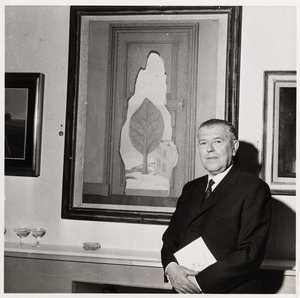
Рене Магрит
1898 - 1967 , Belgija
Osnovne informacije
- Artistic Movement Or Style: Surrealizam
- Artists Who Influenced This Artist: ['Žorž De Čiriko']
- Date Of Birth: 21 novembra 1898
- Date Of Death: 15 augusta 1967
- Full Name: René François Ghislain Magritte
- Nationality: Belgijac
- Notable Artworks:
- Les Amants
- Trešcarenj ulaga
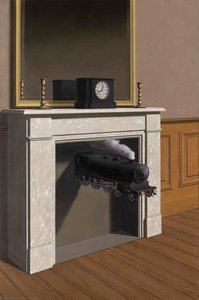
- Vreme zamrzeno
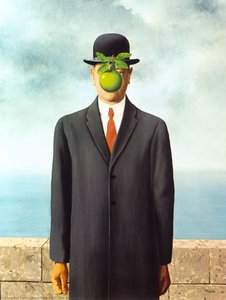
- Čovečanstvo
- Place Of Birth: Lesennes, Belgiju
Povezani članci
Rene Magritte: 25 Remek-dela Surrealizma za Inspiraciju Vašeg Doma | OriginalUniqueArt
Istražite 25 remek-dela Rene Magrittea i uronite u svet nadrealizma. Otkrijte priče iza ikoničnih slika, tehnike i simbolizam. Kvalitetne reprodukcije za luksuzni dekor enterijera na OriginalUniqueArt.com.
25 Remek-dela Metropoliten Muzeja: Umetnička Baština za Vaš Dom | OriginalUniqueArt
Uronite u svet 25 remek-dela Metropoliten muzeja! Otkrijte priče Van Goga, Monēa i drugih majstora. Reprodukcije slika vrhunskog kvaliteta za vaš dom. Inspiracija & dekoracija enterijera na OriginalUniqueArt.com
25 Remek-dela Nacionalne Galerije: Umetnička Baština Vašingtona za Ljubitelje Lepiote
Istražite 25 remek-dela Nacionalne galerije u Vašingtonu! Otkrijte priče iza Cezannea, Matissea i Picassa. Inspiracija za dekoraciju enterijera i vrhunske reprodukcije slika dostupne na OriginalUniqueArt.com.

Džems Abbot MekNil Whistler: 25 Remek-dela Majstora Tonalizma | OriginalUniqueArt
Istražite 25 remek-dela Džemsa Abota MekNila Whistler-a! Uronite u svet Tonalizma, portreta i prelepog pejzaža. Kupite vrhunske reprodukcije slika na OriginalUniqueArt.com i obogatite svoj enterijer luksuznom umetnošću.
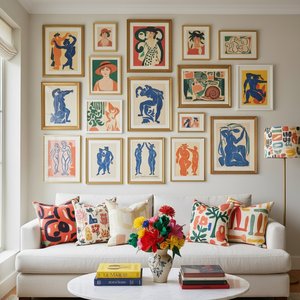
Henri Matisse: 25 Remek-dela koji definišu boju i modernu umetnost | OriginalUniqueArt
Uronite u svet Henri Matissea! Istražite 25 remek-dela Fauvizma i moderne umetnosti. Otkrijte priče iza slika, tehnike i inspiraciju slavnog francuskog slikara. Reprodukcije vrhunskog kvaliteta dostupne na OriginalUniqueArt.com.