Pregledaj u prostoru
 Podeli
 Podeli
 Detalji
 Vodič
Vodič

 Preuzmi sliku
 Slični predmeti
 Rendgenski snimak
 Automatska prezentacija
 Statistika
Golconda
 Oil On Canvas
- WallArt
- Surrealism
 1953
1953- Modern
 100.0 x 81.0 cm
 Pročitaj više
Umetničko delo prikazano na ovoj stranici zaštićeno je autorskim pravima, što znači da zakonski nismo u mogućnosti da kreiramo niti prodajemo identičnu reprodukciju. Ova zaštita se sprovodi u skladu sa međunarodnim sporazumima kao što su Bernska konvencija i nacionalnim zakonima, uključujući i one koji su definisani u Američki zakon o autorskom pravu – Naslov 17.
Ovaj metod je u potpunosti usklađen sa regulativama o autorskim pravima jer ne podrazumeva kopiranje ili dupliranje zaštićenih umetničkih dela. Umesto toga, reč je o kreativnoj reinterpretaciji – novom slikarskom delu koje je inspirisano originalom, ali nije identično njemu.
Giclee štampa / Umetnički otisak
Giclée štampa ili print na platnu muzejskog kvaliteta uz brzu izradu i raznovrsne opcije završne obrade. ( Naručite ručno oslikano reprodukciju Pređi na prodaju digitalnih slika)




P118B дин10

P118H дин10

P118W дин10

P438Z дин10

P508JH дин12

P508YH дин12

P805H дин10

P805Z дин10

P919BZ дин10

P919G дин10

P919XJ дин10

P959ZH дин10

P968JZ дин12

W106C дин8

W218G дин10

W218JH дин8

W218Y дин10

W307PJ дин10

W316G дин10

W316PJ дин8

W316Y дин10

W398PJ дин8

W4111J дин10

W500HY дин15

W500JH дин15

W692G дин12

W849H дин8

W940BG дин15

W953PJ дин8




Izaberite jednu od naših unapred definisanih veličina koje odgovaraju originalnim proporcijama umetničkog dela.

Možete uneti sopstvene dimenzije kako biste umetničko delo prilagodili specifičnom okviru ili prostoru. Ako odabrani format ne odgovara proporcijama originalne slike, mi ćemo ili iscrtati deo dela ili proširiti sliku pomoću ogledane ivice ili jednobojnog popunjavanja. Digitalni prikaz će vam biti poslat na odobrenje pre početka proizvodnje.
Imajte na umu da pregled na ekranu ne odražava stvarno iscrtavanje ili proširivanje. Samo će prikaz (mockup) precizno pokazati finalnu kompoziciju.
Iako su prilagođene dimenzije dostupne, preporučujemo da odaberete dimenziju sa unapred definisane liste kako biste očuvali originalne proporcije.
Dostava širom sveta () za 2 nedelje umesto uobičajenih 4/5 nedelja. (10 октобар)

Besplatna ekspresna dostava širom sveta

Visokokvalitetno laneno platno

Sveobuhvatno osiguranje transporta

Garancija povraćaja carine i uvoznih dažbina

Garancija vernosti boja i autentičnosti pri reprodukciji

Politika povraćaja u roku od 100 dana (samo u slučaju nedostataka)

Garancija povrata 100% novca

Popust pri većoj količini
 Opcija sa staklom dostupna je samo za dimenzije manje od 110 cm

Golconda
Giclee štampa / Umetnički otisak
Veličina reprodukcije
-


Ukupna cena
дин 8087
A Sky of Floating Men: The Enigma of Golconda
In the vast landscape of Surrealism, few images possess the haunting, quiet power of René Magritte’s Golconda. Painted in 1953, this masterpiece invites the viewer into a world where the laws of physics are politely suspended, replaced by a dreamlike logic that feels both deeply familiar and profoundly unsettling. The scene presents an urban tableau: a rain-drizzled street set against the backdrop of a stoic building, upon which a multitude of men in bowler hats appear to drift through the air like autumn leaves caught in a gentle updraft. Each figure carries an umbrella, a mundane object of protection that becomes a vessel for flight within this meticulously rendered illusion. It is a painting that does not merely depict a scene; it orchestrates a moment of profound ontological questioning, forcing us to look past the surface of the everyday to find the extraordinary hidden within.
The brilliance of Magritte’s technique lies in his deceptive simplicity. Eschewing the chaotic brushwork often associated with emotional expressionism, Magritte employs a precise, almost academic clarity. This meticulous rendering of texture—the dampness of the pavement, the structural solidity of the architecture, and the soft sheen of the umbrellas—serves to ground the impossible event in a tangible reality. By painting the surreal with such hyper-realistic fidelity, he bridges the gap between the subconscious and the waking world. The repetition of the figures creates a rhythmic, almost hypnotic pattern across the canvas, suggesting an infinite procession of souls navigating a shared, yet solitary, experience. This visual cadence is central to the work's ability to captivate the eye and hold the viewer in a state of contemplative wonder.
Symbolism and the Weight of Abundance
To understand Golconda, one must look toward its namesake. The title refers to the legendary Indian city famed for its prodigious diamond mines, a place synonymous with unimaginable wealth and abundance. Through this lens, the raining men become a metaphor for a shower of riches—not necessarily material gold, but a deluge of ideas, perceptions, or perhaps the sheer density of human existence. Magritte’s collaboration with the poet Louis Scutenaire even allowed for personal echoes within the work, as the artist subtly integrated elements of his inner circle into the composition. This layering of meaning transforms the painting from a mere visual trick into a profound meditation on prosperity and the unseen connections that bind us all.
There is an inherent melancholy embedded in this abundance. The umbrellas, while shielding the men from the rain, also act as barriers, mirroring the way our own perceptions and social roles can isolate us from the true essence of reality. As these figures float through the urban mist, they embody a sense of detachment and quiet alienation. For the collector or the interior designer, this piece offers more than just aesthetic beauty; it provides a focal point for intellectual engagement. It is an artwork that demands presence, acting as a window into the mysteries of the human psyche and a reminder that even in the most ordinary settings, there exists a capacity for magic and transcendence.
A Timeless Addition to the Modern Interior
For those seeking to curate a space of depth and sophistication, a high-quality reproduction of Golconda serves as an incomparable centerpiece. Its muted palette and structured composition allow it to integrate seamlessly into diverse design aesthetics, from the minimalist rigor of contemporary galleries to the rich, textured layers of a classic study. The painting does not shout; rather, it whispers, inviting guests to linger and decode its many layers. It brings an atmosphere of intellectual curiosity and quiet elegance to any room, acting as a conversation starter that transcends time and culture. Owning such a piece is an invitation to inhabit a world where the boundaries of reality are forever expanded.
Pitanja i odgovori
Koja je tehnika i dimenzija originalnog dela „Golconda”, Рене Магрит?
Originalno delo „Golconda”, Рене Магрит je rad u tehnici Oil On Canvas dimenzija 100 x 81 cm. Tehnika i veličina opisuju originalni predmet.
Koji umetnik se pripisuje delu "Golconda"?
Delo "Golconda" je kreirao/la Рене Магрит. Informacije na ovoj stranici opisuju originalno delo umetnika Рене Магрит.
U kojoj godini je nastalo delo „Golconda”, Рене Магрит?
„Golconda“ potiče iz 1953. Ovaj datum smešta delo u okviru karijere umetnika Рене Магрит i njegove ere.
U kojim godinama je Рене Магрит stvorio/la "Golconda"?
Рене Магрит je kreirao/la "Golconda" u uzrastu od 55 godina. Umetnik je rođen/a 1898, a datum stvaranja dela je 1953.
Kako "Golconda" balansira svetlo i tamno?
„Golconda“ ima ukupnu osvetljenost od brilliant, dok je luminansa Luminous.
U kom delu doma bi se reprodukcija dela "Golconda" lepo uklopila?
Reprodukcija dela "Golconda" odlično se uklapa u Living Room.
Koje su dimenzije originalnog dela „Golconda”, Рене Магрит?
Dimenzije originalnog dela „Golconda”, Рене Магрит su 100 x 81 cm.
Biografija umetnika
Early Life and the Seeds of Surrealism
René Magritte, geboren René François Ghislain Magritte am 21. November 1898 in Lessines, Belgien, trat in eine Welt ein, die sein enigmatisches künstlerisches Sehen tiefgreifend prägen würde. Sein frühes Leben war geprägt von einem erschütternden Ereignis – dem Selbstmord seiner Mutter als er nur dreizehn Jahre alt war. Das Bild ihrer Leiche beim Wiederaufbau durch den Sambre Fluss mit ihrem Kleid, das ihr Gesicht verdeckte, wurde ein obsessives Motiv, das sich subtil in seinen späteren Arbeiten widerspiegelte und eine kontinuierliche Erforschung verborgener Realitäten zum Ausdruck brachte. Dieses frühe Trauma instillte ihm eine Faszination für Mysterium, Verlust und die erschreckende Macht dessen, was nicht gesehen wird. Obwohl Einzelheiten seines Kindeslebens nur schwer zu finden sind, ist klar, dass diese formative Erfahrung seinen lebenslangen Zweifel an Wahrnehmung und Darstellung begründete. Er begann mit Zeichnungen im Alter von zehn Jahren und offenbarte eine natürliche Neigung zum visuellen Ausdruck, erkundete aber zunächst Impressionismus bevor er einen Weg einschlug, der ihn dazu führte, einer der bedeutendsten Figuren in der Surrealistischen Kunst zu werden.
Artistic Development and Influences
Magrittes künstlerische Reise war nicht unmittelbar oder einfachweg erfolgreich. Er studierte an der Académie Royale des Beaux-Arts in Brüssel und fand ihre traditionellen Methoden erstickend. Sein frühes Werk experimentierte mit Futurismus und Kubismus und ließ sich Elemente dieser Avantgarde Bewegungen aufnehmen, lehnte aber deren ausschließlich formale Interessen ab. Es gelang ihm nicht bis zum Begegnen mit Giorgio de Chiricos Gemälde *Die Melodie der Liebe* im Jahr 1922, dass Magritte eine Resonanz entdeckte, die seinen künstlerischen Kurs für immer veränderte. De Chiricos traumhafte Landschaften und verstörende Kombinationen öffneten ihm einen neuen Blick – eine Welt, in der das Bekannte fremd erscheinen konnte und das Gewöhnliche tiefgreifende Mysterium aufnehmen konnte. Dieses Erlebnis entfachte sein Engagement für Surrealismus, obwohl er oft eine einzigartige Distanz zu seinen ausgeprägtesten psychologischen oder automatischen Ansätzen bewahrte. Er bevorzugte eine präzise Technik, um reale Szenarien darzustellen und ließ sich nicht von anderen Mitgliedern der Bewegung beeinflussen.
The Heart of Surrealism: Challenging Reality
Bis 1926 hatte Magritte sich vollständig dem Wesen des Surrealismus verschrieben und schuf *Le Jockey Perdu (Der Verlorene Jockey)*, das allgemein als sein erstes wirklich surrealistisches Werk angesehen wird. Allerdings war seine Art von Surrealismus einzigartig. Er interessierte sich nicht für die Erkundung des Unterbewusstseins durch frei assoziative oder traumhafte Bilder wie einige seiner Zeitgenossen. Stattdessen suchte Magritte nach einer neuen Möglichkeit zu sehen – eine Welt, in der das Bekannte fremd erscheinen konnte und das Gewöhnliche tiefgreifende Mysterium aufnehmen konnte. Er war nicht daran interessiert, die Oberfläche von Objekten zu erforschen oder eine bestimmte Perspektive einzunehmen wie andere Künstler seiner Zeit. Magritte konzentrierte sich darauf, die Wahrnehmung von Realität herauszufordern, indem er alltägliche Objekte in unerwarteten Kontexten präsentierte und damit dazu aufforderte, eigene Annahmen über die Welt um uns herum zu hinterfragen.
Iconic Works: Paradoxes of Perception
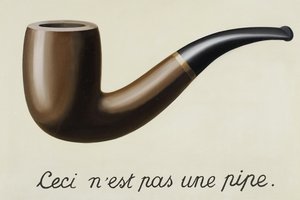
Magritte’s oeuvre is marked by a distinctive preoccupation with paradoxes – visual illusions that disrupt our understanding of reality and invite contemplation. *Les Amants (Die Liebenden)*, geschaffen zwischen 1927 und 1928, zeigt zwei Figuren hinter einem Vorhang, deren Gesichter verdeckt sind und somit eine zentrale Frage aufwirft: Wie können wir wirklich sehen? Diese berühmte Darstellung wird oft als ein Echo des frühen Traumas von Magrittes Mutter interpretiert – einer Figur, die sowohl eine Faszination für Geheimnis und Intimität als auch eine Reflexion über Verlust und Verbergenheit zum Ausdruck bringt. *The Treachery of Images (Dieses Bild ist kein Rohr)* (1929) ist ein Meisterwerk der Surrealistischen Kunst und stellt einen klassischen Fall von Dekonstruktion dar: Ein Bild wird nicht das Ding selbst, sondern lediglich eine Darstellung davon. Magritte nutzt eine hohe technische Präzision und eine sorgfältige Auswahl von Materialien, um diese paradoxe Aussage zu verstärken und uns daran zu erinnern, dass eine Repräsentation niemals die Sache ist.
Legacy and Influence
Despite initial difficulties in gaining recognition, Magritte’s work gradually gained prominence, insbesondere in den Vereinigten Staaten mit Ausstellungen im Jahr 1936 und später retrospektiven Veranstaltungen beim Museum of Modern Art (1965) und dem Metropolitan Museum of Art (1992). Er blieb politisch engagiert und setzte sich für künstlerische Autonomie ein. Er entwickelte weiterhin seinen unverwechselbaren Stil und erkundete Themen wie Wiederholung, Täuschung und die Macht der Sprache in Gemälden, die sowohl intellektuell anregend als auch visuell beeindruckend sind. Magritte starb am 15. August 1967 und hinterließ ein Werkkörper, das weiterhin Publikum weltweit fasziniert und herausfordert. Sein Einfluss reicht weit über die Malerei hinaus und umfasst Pop Art, Minimalismus und Konzeptkunst.
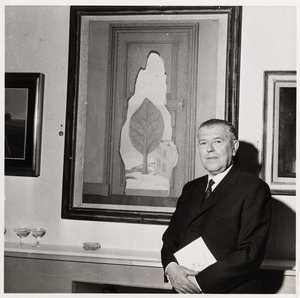
Рене Магрит
1898 - 1967 , Belgija
Brzi pregled
- Artistic Movement Or Style: Surrealizam
- Artists Who Influenced This Artist: ['Žorž De Čiriko']
- Date Of Birth: 21 novembra 1898
- Date Of Death: 15 augusta 1967
- Full Name: René François Ghislain Magritte
- Nationality: Belgijac
- Notable Artworks:
- Les Amants
- Trešcarenj ulaga
- Vreme zamrzeno
- Čovečanstvo
- Place Of Birth: Lesennes, Belgiju
Srodni članci
10 Surrealist Masterpieces That Changed Art Forever
Step into a dreamscape of iconic surrealist paintings. From Dali to Magritte, explore the stories behind 10 timeless masterpieces that redefined art. Find museum-quality reproductions and curated decor inspiration at OriginalUniqueArt.com. Discover all masterpieces on OriginalUniqueArt.com.
Dreamscapes & Distortions: Top 10 Surrealist Masterpieces That Changed Art Forever
Step into a world of dreams with our guide to the top 10 Surrealist masterpieces. From Dali to Magritte, explore the stories behind these iconic works and find museum-quality art reproductions for your home. Discover all masterpieces on OriginalUniqueArt.com.

Dreamscapes Unveiled: Top 10 Surrealist Masterpieces to Explore
Step into a world of dreams with our curated guide to 10 iconic surrealist masterpieces. From Dali to Magritte, explore the stories behind these timeless works and find museum-quality art reproductions for your decor. Discover all masterpieces on OriginalUniqueArt.com.

Dreamscapes Unveiled: Top 10 Surrealist Masterpieces That Changed Art Forever
Step into a world of dreams with our guide to the 10 greatest Surrealist masterpieces. From Dali to Magritte, explore the stories behind these iconic works and find museum-quality art reproductions for your decor. Discover all masterpieces on OriginalUniqueArt.com.

10 Surrealist Masterpieces That Changed Art Forever
Step into a world of dreams with our guide to the 10 greatest Surrealist masterpieces. Explore the stories behind iconic works by Dali and Magritte. Find museum-quality art reproductions and decor inspiration at OriginalUniqueArt.com. Discover all masterpieces on OriginalUniqueArt.com