
 Pregledaj u prostoru
 Pošalji
 Podeli
 Detalji o delu
 Vodič
Vodič

 Preuzmi
 Slični predmeti
 Rendgenski snimak
 Automatska prezentacija
 Q&A
Q&A Statistika
Philosopher in Meditation

- 34.0 x 28.0 cm


 Pročitaj više
Giclee štampa / Umetnički otisak
Giclée štampa ili print na platnu muzejskog kvaliteta uz brzu izradu i raznovrsne opcije završne obrade. ( Kupite ručno oslikano delo Pređi na digitalnu sliku)




P118B дин10

P118H дин10

P118W дин10

P438Z дин10

P508JH дин12

P508YH дин12

P805H дин10

P805Z дин10

P919BZ дин10

P919G дин10

P919XJ дин10

P959ZH дин10

P968JZ дин12

W106C дин8

W218G дин10

W218JH дин8

W218Y дин10

W307PJ дин10

W316G дин10

W316PJ дин8

W316Y дин10

W398PJ дин8

W4111J дин10

W500HY дин15

W500JH дин15

W692G дин12

W849H дин8

W940BG дин15

W953PJ дин8




Izaberite jednu od naših unapred definisanih veličina koje odgovaraju originalnim proporcijama umetničkog dela.

Unesite željenu širinu i visinu kako bi se štampa uklopila u vaš ram ili zid. Štampu je moguće samo iseći, ali nikada povećati iznad dimenzija originalne slike, stoga format sa drugačijim proporcijama uzrokuje gubitak dela slike. Pre početka štampe, poslaćemo vam digitalni prikaz radi potvrde. Slika prikazana na ovoj stranici ne predstavlja stvarni isrez — to pokazuje samo digitalni prikaz.
Dostava širom sveta () za 2 nedelje umesto uobičajenih 4/5 nedelja. (2 новембар)

Besplatna ekspresna dostava širom sveta

Visokokvalitetno laneno platno

Potpuno osiguranje transporta

Garancija povraćaja carine i uvoznih dažbina

Garancija vernosti boja

Politika povraćaja u roku od 100 dana (samo u slučaju nedostataka)

Garancija povrata 100% novca

Popust na više proizvoda
 Opcija sa staklom dostupna je samo za dimenzije manje od 110 cm

Philosopher in Meditation
Giclee štampa / Umetnički otisak
Dimenzije reprodukcije
-


Ukupna cena
дин 8366
A Moment of Contemplation: Rembrandt Peale’s ‘Philosopher in Meditation’
Rembrandt Peale's “Philosopher in Meditation,” painted in 1632, is more than just a portrait; it’s a carefully constructed tableau of introspection and the pursuit of knowledge. Emerging from the burgeoning artistic landscape of early America through his father, Charles Willson Peale, Rembrandt inherited not only technical skill but also a deep-seated belief in art's power to illuminate the human condition. This particular work, housed within the Louvre’s collection, immediately draws the viewer into a dimly lit interior, dominated by a dramatic spiral staircase and the solitary figure of an aged philosopher lost in profound thought. The scene isn’t merely observed; it’s experienced – a palpable sense of quiet solemnity hangs in the air, punctuated only by the subtle play of light and shadow.
The painting's Baroque realism is evident in every meticulously rendered detail. Peale masterfully employs chiaroscuro—the dramatic contrast between light and dark—to sculpt the scene. A focused beam of illumination, originating from the upper right corner, casts long shadows across the room, emphasizing the philosopher’s solitude and creating a sense of depth that pulls the viewer into the intimate space. The rough textures of the aged walls, the worn wooden steps, and even the folds in the philosopher's garments speak to a historical setting, lending an air of timelessness and gravitas. The artist’s use of lines is particularly striking; the spiraling staircase acts as a visual pathway, guiding our eye upwards towards the light source – a potent symbol of enlightenment and spiritual ascent.
Symbolism and Interpretation
Beyond its technical brilliance, “Philosopher in Meditation” is rich with symbolic meaning. The spiral staircase itself represents a journey—a metaphorical climb toward wisdom and understanding. It’s not simply a physical structure but a visual embodiment of intellectual pursuit, suggesting that knowledge requires effort, dedication, and a willingness to ascend beyond the mundane. The philosopher, an elderly figure seated in quiet contemplation, embodies this very process. His bowed head and folded hands convey a sense of deep reflection, inviting us to consider our own place within the larger scheme of existence. The woman tending the hearth adds another layer of complexity, perhaps representing domesticity and the grounding forces that support intellectual endeavors.
Interestingly, recent scholarship suggests that the painting may depict “Tobit and Anna waiting for their son Tobias,” a biblical scene often associated with wisdom and divine guidance. This interpretation further enriches the work’s symbolism, suggesting that the philosopher's contemplation is not merely an individual pursuit but a connection to something greater—a search for truth guided by faith or intuition. The inclusion of the third figure in the stairs, previously unseen, adds another layer of intrigue, possibly representing the external world and its influence on the contemplative mind.
Technique and Materials
“Philosopher in Meditation” is a testament to Peale’s skill as an oil painter. The brushstrokes are visible yet controlled, creating a textured surface that adds depth and realism to the scene. The layering of colors—from the warm yellows and browns of the light source to the cool blues and grays of the shadows—is expertly executed, contributing to the painting's atmospheric quality. Peale’s use of perspective is somewhat shallow, focusing primarily on the immediate foreground and midground, creating a sense of intimacy and drawing the viewer into the scene. The choice of oak panel as the support further enhances the work’s aged appearance, reinforcing its historical context.
A Legacy of Likeness
Rembrandt Peale's legacy extends far beyond this single masterpiece. As the founder of The Peale Museum in Baltimore, he championed the power of art to educate and inspire. His portraits of prominent figures like George Washington and Thomas Jefferson helped shape American national identity, solidifying his place as a pivotal figure in early American art history. Today, reproductions of “Philosopher in Meditation” continue to captivate audiences, offering a glimpse into a moment of profound contemplation—a timeless reminder of the enduring human quest for knowledge and understanding.
Pitanja i odgovori
Koliko svetlosti se čini da boje dela "Philosopher in Meditation" reflektuju?
Luminansa zabeležena za „Philosopher in Meditation”, autor Рембрант Пил iznosi Dark.
Koji su format i dimenzije dela "Philosopher in Meditation"?
Format dela "Philosopher in Meditation" je Landscape, a originalne dimenzije iznose 34 x 28 cm. Obe informacije su korisne prilikom planiranja reprodukcije.
U kom periodu karijere Рембрант Пил pripada delo "Philosopher in Meditation"?
"Philosopher in Meditation" predstavlja Mature Period umetnika Рембрант Пил.
Biografija umetnika
Наслеђе Лика: Живот и Уметност Рембранда Пила
Рембранд Пил, рођен у округу Бакс, Пенсилванија, 1778. године, изникao је из породице дубоко укорењене у растућој уметничкој средини ране Америке. Њгов отац, Чарлс Вилсон Пил, био је не само уметник већ и културна сила – сликар, оснивач музеја и страствени верник у моћ уметности да обликује национални идентитет. Управо у том стимулативном окружењу млади Рембранд је добио своју основну обуку, заједно са својом браћом и сестрама, учећи технике портрета и пејзажа од веште руке оца. Само давање имена “Рембранд”, које се односи на холандског мајстора Харменсона ван Рајна, сигнализирало је аспирације Чарлса Вилсона Пила за његовог сина – нада да ће он наставити традицију уметничке изврсности. Већ у раној младости Рембранд је показао изучан таленат, завршивши свој први самопортрет већ са тринаест година, дело које је већ наговештавало прецизност и амбицију који ће карактерисати његов зрели стил. Ово рани рад није био само демонстрација техничке вештине; то је била изјава о намери, млади уметник који објављује своје присуство на америчкој уметничкој сцени.Формативне Године и Утицаји Неокласицизма
Уметнички пут Пила одвео га је у Париз у раним тридесетим годинама, преломно искуство које је дубоко обликовало његову естетику. Уроњен у срце европске културе, сусрео се са преовлађујућим струјањима француског неокласицизма – стила који наглашава ред, јасноћу и повртак класичним идеалима. Овај утицај је лако видљив у његовом каснијем раду, карактерисаном његовим рафинираним цртежом, уравнотеженим композицијама и прецизном пажњом на детаље. Док су портрети његовог оца често имали одређену рустичну виталност, Рембрандови су тежили полиранијем и идеализованијем приказу својих субјеката. У том периоду је прихватио енкаустичку технику, древњу методу која користи восак као медијум, демонстрирајући посвећеност истраживању иновативних приступа сликању. Међутим, Пил није само имитирао европске стилове; он их је адаптирао на амерички контекст, стварајући портрете који су одражавали национални осећај за идентитет и тежње за културном независношћу. Њгова посвећеност хватању тачних ликова, у комбинацији са његовом неокласичном обуком, омогућила му је да креира слике које су биле и естетички пријатне и историјски значајне.Плодан Портретиста: Заробљавање Епохе
Рембрандова Пилова каријера била је изузетно плодна, обележена неуморном потрагом за уметничком савршенштвом и посвећеношћу документовању истакнутих личности свог времена. Познат је постао по портретима Џорџа Вашингтона, створивши преко седамдесет реплика његовог иконичног “Патриае Патер” (Отац Отаџбине). Те слике нису биле само представљање физичког изгледа; то су били пажљиво конструисани симболи националног поноса и лидерства. Пил је разумео моћ портрета да обликује јавно мишљење и допринесе стварању колективног сећања. Осим Вашингтона, сликао је бројне друге утицајне личности, укључујући Томаса Џеферсона, Џона К. Калхуна и разне чланове америчке елите. Њгови портрети нису били ограничени на политичке фигуре; он је заробљавао ликове обичних грађана, нудећи увид у живот и тежње свакодневног Американца. *Човек са брадом*, иако без датума, пример је његове вештине да зароби индивидуални карактер и психолошку дубину. Сваки потез четком открива не само физичке карактеристике, већ и трагове унутрашњег живота субјекта.Иза Платна: Музеј Пила и Трајно Наслеђе
Рембрандови доприноси су се протезали даље од света сликања; он је био визионарски оснивач музеја, вођен жељом да образује јавност и промовише уметничку апропријацију. 1814. године основао је свој први музеј у Балтимору, Мериленд – преломну институцију која је служила као претеча многим модерним уметничким музејима. То није била само галерија за излагање уметничких дела; замишљено је као центар за учење, нудећи изложбе слика, скулптура и примерака природне историје. Музеј је касније постао друга градска већница Балтимора пре него што је обновљен као музеј Пила, настављајући његово наслеђе јавне службе кроз уметност. Њгова посвећеност чињењу уметности доступном свима одражава дубоко уверење у њену трансформативну моћ. Данас се радови Рембранда Пила чувају у престижним збиркама широм света, укључујући Националну портретску галерију у Вашингтону, и настављају да се славе као историјски значајни и уметнички вредни. Њгов утицај се види у раду каснијих генерација америчких портретиста, учвршћујући његово место као кључне фигуре у историји нације.Трајан Утисак
Живот Рембранда Пила био је посвећен и стварању уметности и културном обогаћивању. Он није био само слика, већ и историчар, едукатор и шампион америчког идентитета. Њгови портрети нуде непроцењиве увиде у личности и вредности своје епохе, док је његов музеј служио као светлац просветљења у брзо променљивој нацији. Његово наслеђе траје не само кроз бројна уметничка дела, већ и кроз његов пионирски дух и непоколебљиву посвећеност моћи уметности. Оставио је тело рада које наставља да инспирише и очарава публику данас, подсећајући нас на трајну важност очувања нашег културног наслеђа и слављења достигнућа оних који су били пре нас.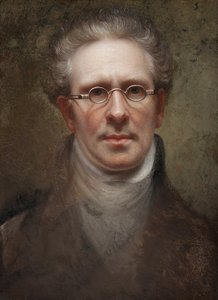
Рембрант Пил
1778 - 1860 , Sjedinjene Američke Države
Osnovne informacije
- Artistic Movement Or Style: Neoklasicizam
- Artists Who Influenced This Artist: ['Rembrandt van Rijn']
- Date Of Birth: 1778-02-22
- Date Of Death: 1860
- Full Name: Rembrandt Peale
- Nationality: Amerikanac
- Notable Artworks:
- Portret Džordža Vašingtona
- Čovek sa bradom
- Place Of Birth (City And Country): Bucks County, SAD
Povezani članci

Rembrandt van Rijn: 25 Majstorstava Svetla i Senke za Vaš Dom | OriginalUniqueArt
Uronite u svet Rembrandta van Rijna! Otkrijte 25 najlepših dela holandskog majstora – portrete, istorijske scene i biblijska platna. Kvalitetne reprodukcije slika za dekoraciju enterijera dostupne na OriginalUniqueArt.com.

Otključavanje baroknog sjaja: Vodič kroz dramu i emociju umetnosti 17. veka
Otkrijte tajne barokne drame i tehnike kjaroskura kroz naš stručni vodič. Doživite moć 17. veka već danas.

Barok Majstor dela: Top 10 Umjetničkih Remeka za Vaš Dom
Otkrijte 10 remek dela koja su definisala baroknu umetnost! Karavagio, Bernini i više – istražite priče iza ovih ikoničnih slika. Inspiracija za vaš dom? Pogledajte kolekciju na OriginalUniqueArt.com!

Dutch Baroque Masters: 10 Paintings That Shaped an Era | OriginalUniqueArt
Journey through the Golden Age with our guide to the Top 10 Dutch Baroque masterpieces! Explore iconic paintings by Rembrandt, Vermeer & Frans Hals. Find museum-quality art reproductions and elevate your home decor at OriginalUniqueArt.com.
Masterpieces of the 17th Century: Art, History & Decor Inspiration | OriginalUniqueArt
Journey through 17th century art with masterpieces by Rembrandt, Vermeer & Caravaggio. Explore Baroque paintings, Dutch Golden Age techniques & timeless beauty. Find museum-quality reproductions and elevate your home decor on OriginalUniqueArt.com.