
 Pregledaj u prostoru
 Podeli
 Podeli
 Detalji
 Vodič
Vodič

 Preuzmi sliku
 Slični predmeti
 Rendgenski snimak
 Automatska prezentacija
 Statistika
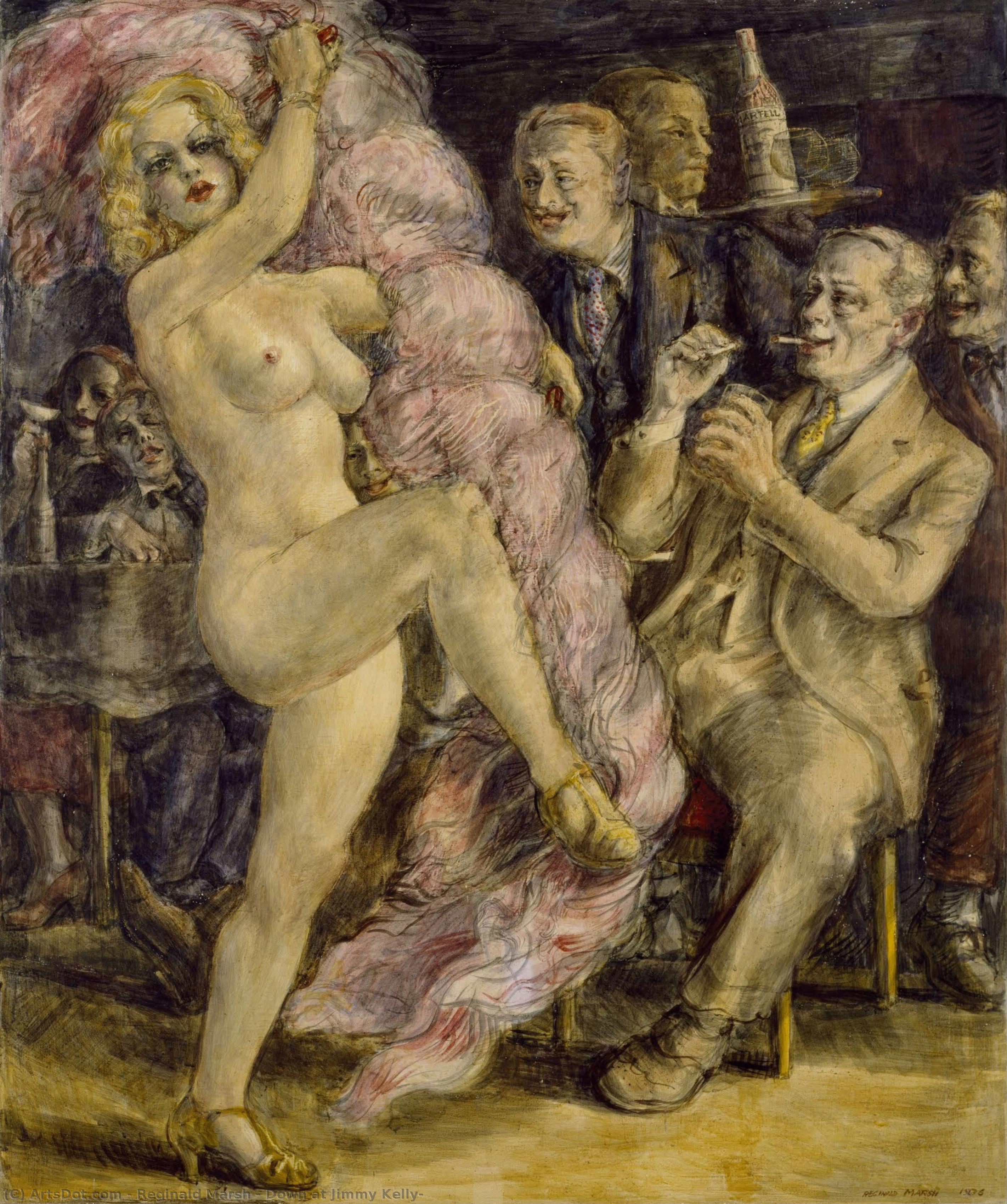
Down at Jimmy Kelly
 Acrylic
- WallArt
- Social Realism
 91.0 x 76.0 cm
 Chrysler Museum of Art
 Pročitaj više
Giclee štampa / Umetnički otisak
Giclée štampa ili print na platnu muzejskog kvaliteta uz brzu izradu i raznovrsne opcije završne obrade. ( Naručite ručno oslikano reprodukciju Pređi na prodaju digitalnih slika)




P118B дин10

P118H дин10

P118W дин10

P438Z дин10

P508JH дин12

P508YH дин12

P805H дин10

P805Z дин10

P919BZ дин10

P919G дин10

P919XJ дин10

P959ZH дин10

P968JZ дин12

W106C дин8

W218G дин10

W218JH дин8

W218Y дин10

W307PJ дин10

W316G дин10

W316PJ дин8

W316Y дин10

W398PJ дин8

W4111J дин10

W500HY дин15

W500JH дин15

W692G дин12

W849H дин8

W940BG дин15

W953PJ дин8




Izaberite jednu od naših unapred definisanih veličina koje odgovaraju originalnim proporcijama umetničkog dela.

Možete uneti sopstvene dimenzije kako biste umetničko delo prilagodili specifičnom okviru ili prostoru. Ako odabrani format ne odgovara proporcijama originalne slike, mi ćemo ili iscrtati deo dela ili proširiti sliku pomoću ogledane ivice ili jednobojnog popunjavanja. Digitalni prikaz će vam biti poslat na odobrenje pre početka proizvodnje.
Imajte na umu da pregled na ekranu ne odražava stvarno iscrtavanje ili proširivanje. Samo će prikaz (mockup) precizno pokazati finalnu kompoziciju.
Iako su prilagođene dimenzije dostupne, preporučujemo da odaberete dimenziju sa unapred definisane liste kako biste očuvali originalne proporcije.
Dostava širom sveta () za 2 nedelje umesto uobičajenih 4/5 nedelja. (8 октобар)

Besplatna ekspresna dostava širom sveta

Visokokvalitetno laneno platno

Sveobuhvatno osiguranje transporta

Garancija povraćaja carine i uvoznih dažbina

Garancija vernosti boja i autentičnosti pri reprodukciji

Politika povraćaja u roku od 100 dana (samo u slučaju nedostataka)

Garancija povrata 100% novca

Popust pri većoj količini
 Opcija sa staklom dostupna je samo za dimenzije manje od 110 cm

Down at Jimmy Kelly
Giclee štampa / Umetnički otisak
Veličina reprodukcije
-


Ukupna cena
дин 8072
Reginald Marsh: Capturing Urban Grit and Artistic Vision
Reginald Marsh (1898-1954) stands as a pivotal figure in American Social Realism, renowned for his strikingly detailed depictions of New York City during the 1920s and 1930s. More than just documenting scenes of Coney Island beaches or burlesque performances—though these undeniably populate his oeuvre—Marsh’s art embodies a profound engagement with the textures and rhythms of urban life, underpinned by an unwavering commitment to artistic exploration. His legacy resides not only in his iconic images but also in his pioneering techniques and enduring influence on subsequent generations of artists. Born in Paris above the Café du Dome, Marsh's formative years were steeped in artistic heritage. The son of Frederick Dana Marsh—a muralist who championed American Impressionism—and Alice Randall, a miniaturist painter—Marsh’s family fostered an environment where creativity flourished. His father’s early embrace of modernist aesthetics established a foundation for Marsh’s own distinctive approach to visual representation.The Canvas of Coney Island
Marsh's fascination with the burgeoning American urban landscape found its most immediate expression in works like “Down at Jimmy Kelly’s,” a vibrant tableau capturing the frenetic energy of a burlesque nightclub. Painted in 1936, this piece exemplifies Marsh’s masterful use of conte crayon and gouache—a technique he honed to achieve unparalleled realism—resulting in an astonishing level of detail that transports viewers directly into the smoky atmosphere of Jimmy Kelly's. The composition is deliberately asymmetrical, mirroring the chaotic dynamism of the scene itself; figures jostle for space amidst a backdrop of tables, bottles, and performers, creating a palpable sense of immediacy. Marsh’s meticulous rendering of light and shadow further enhances this effect, emphasizing the physicality of the environment and conveying its emotional impact—a celebration of hedonistic indulgence juxtaposed with an underlying awareness of social disparity.Symbolism Within Spectacle
Marsh wasn't merely recording what he saw; he was actively interpreting it through a lens informed by Social Realist principles. The inclusion of portraits, notably Lloyd Goodrich—a prominent art critic and Marsh’s close collaborator—serves as more than just stylistic embellishment. Goodrich represents the intellectual discourse surrounding artistic innovation at the time, highlighting the tension between aesthetic beauty and social responsibility. Furthermore, the depiction of a woman performing in burlesque underscores themes of female agency and vulnerability within a societal context marked by shifting gender roles. Marsh’s subtle use of symbolism elevates “Down at Jimmy Kelly’s” beyond mere visual representation, prompting contemplation about the complexities of urban culture and its influence on human experience.A Pioneer's Technique
Marsh’s groundbreaking approach to painting—characterized by his unwavering dedication to meticulous observation and painstaking execution—established him as a leader in American Social Realism. He rejected idealized representations, favoring instead unflinching portrayals of everyday life that confronted social issues head-on. His mastery of conte crayon and gouache allowed him to achieve remarkable tonal range and textural depth, capturing the gritty surfaces of urban spaces with astonishing accuracy. This technique—a deliberate departure from Impressionistic tendencies—became a cornerstone of Marsh’s artistic vision, ensuring that his images retained an enduring power to engage viewers emotionally and intellectually.Legacy and Influence
Reginald Marsh's influence extends far beyond his own lifetime, inspiring countless artists who followed in his footsteps. His commitment to realism combined with a keen awareness of social commentary continues to resonate within contemporary art practice. “Down at Jimmy Kelly’s,” as well as his broader body of work—including depictions of Coney Island and the Bowery—remains a testament to Marsh's enduring legacy as one of America’s most compelling Social Realist painters, securing his place in art history as an artist who captured not only the visual splendor of his era but also its underlying moral dilemmas.Pitanja i odgovori
Ko je kreirao "Down at Jimmy Kelly"?
Umetnik koji stoji iza dela "Down at Jimmy Kelly" je Reginald Marsh. Delo je katalogizovano pod imenom umetnika Reginald Marsh.
Kakvu atmosferu donosi „Down at Jimmy Kelly”, Reginald Marsh u enterijer?
Sa svojim Serene raspoloženjem, delo "Down at Jimmy Kelly" je predloženo za Living Room.
Koja veličina printa za „Down at Jimmy Kelly”, Reginald Marsh najbolje odgovara preporučenoj prostoriji?
Preporučeni prikaz za „Down at Jimmy Kelly”, Reginald Marsh: štampa dimenzija Large u prostoriji tipa Living Room.
O čemu je delo "Down at Jimmy Kelly"?
„Down at Jimmy Kelly”, Reginald Marsh prikazuje: burlesque show, nyc nightlife, jazz age, performance art, social commentary, urban spectacle, male figure.
Gde mogu da kupim print dela „Down at Jimmy Kelly”, Reginald Marsh?
Štampa dela „Down at Jimmy Kelly”, Reginald Marsh može se naručiti direktno na ova stranica: umetnička štampa na pamučnom platnu ili arhivskom kanvas papiru.
Mogu li da naručim uljanu reprodukciju dela "Down at Jimmy Kelly"?
„Down at Jimmy Kelly“ je dostupan kao ručno oslikana uljana reprodukcija na lanenom platnu. Porudžbinu možete izvršiti na ova stranica, uz izbor različitih dimenzija.
Kako mogu da pregledam „Down at Jimmy Kelly”, Reginald Marsh u obliku prezentacije?
Delo „Down at Jimmy Kelly”, Reginald Marsh možete pogledati u obliku prezentacije na stranici Diaporama za ovo umetničko delo.
Biografija umetnika
The Urban Chronicler: The Life and Legacy of Reginald Marsh
Reginald Marsh stands as a pivotal figure in American Social Realism, renowned for his strikingly detailed depictions of New York City during the 1920s and 1930s. More than just documenting scenes of Coney Island beaches or burlesque performances—though these undeniably populate his oeuvre—Marsh’s art embodies a profound engagement with the textures and rhythms of urban life, underpinned by an unwavering commitment to artistic exploration. His legacy resides not only in his iconic images but also in his pioneering techniques and enduring influence on subsequent generations of artists.
Born in Paris in 1898 above the Café du Dome, Marsh's formative years were steeped in a rich artistic heritage. The son of Frederick Dana Marsh—a muralist who championed American Impressionism—and Alice Randall—a miniaturist painter—Marsh’s family fostered an environment where creativity flourished from his earliest days. Moving to Nutley, New Jersey, at the age of two, he benefited from proximity to Frank Fowler's Artist Colony, a haven for American painters seeking inspiration and camaraderie, which further cemented his connection to the artistic tradition. This early exposure to both the delicate precision of miniature painting and the grand scale of muralism would later inform his ability to capture both the intimate human moment and the sweeping energy of the metropolis.
A Journey from Law to the Canvas
Marsh’s path to becoming a master of urban realism was far from linear. He pursued formal education with great diligence, earning a Bachelor’s degree in Law from Yale University in 1920 before subsequently delving into art studies at the Yale Art School. During this period, he honed his skills as an illustrator for the Yale Record, immersing himself in the vibrant spirit of collegiate life and developing an early mastery of visual storytelling. This formative period solidified his artistic sensibilities and prepared him for a career dedicated to capturing the essence of human experience through compelling imagery.
As his professional journey began in New York City, Marsh tirelessly sought to document the pulse of the streets. His work often utilized diverse media to achieve specific atmospheric effects, ranging from the gritty energy of conte crayon and gouache to the thick, dynamic impasto of oil paintings. Whether he was portraying the hedonistic atmosphere of Jimmy Kelly's burlesque nightclub or the maritime commerce found in his mural studies like Atlantic Liner in Harbor, Marsh possessed a unique ability to translate the chaos of the city into structured, rhythmic compositions.
The Essence of Social Realism and Urban Grit
The significance of Reginald Marsh lies in his role as a visual historian of a vanished era. His work serves as a window into the Social Realist movement, focusing on the lives of the working class and the raw, unvarnished reality of New York's most famous districts, such as the Bowery and Coney Island. His paintings are characterized by:
- Dynamic Movement: A mastery of capturing the frantic, overlapping motion of crowds in subway stations, beaches, and dance halls.
- Textural Depth: The use of varied techniques to replicate the grime, light, and physical weight of an industrializing city.
- Human Connection: An ability to find poignant, individual emotions within massive, anonymous urban gatherings.
Beyond his crowded street scenes, Marsh also demonstrated a remarkable capacity for portraiture, blending realism with subtle emotion as seen in his black and white oil works. Through his dedication to the "urban grit," Reginald Marsh did more than paint New York; he immortalized its soul, ensuring that the energy of the early twentieth century would continue to resonate through the decades.

Reginald Marsh
1898 - 1954 , France
Brzi pregled
- Full Name: Reginald Marsh
- Nationality: American
- Date Of Birth: 1898
- Date Of Death: 1954
- Place Of Birth: Paris, France
- Notable Artworks:
- Atlantic Liner in Harbor with Tug
- The Steeplechase
- Asbury Park The Morrow Castle
- Artistic Movement Or Style: Social Realism
- Artists Who Influenced This Artist:
- Frank Fowler
- John Sloan
- Kenneth Hayes Miller
- George Luks
- Jacques Maroger
- Artists Or Movements Influenced By This Artist:
- Tintoretto
- Rubens
- Thomas Hart Benton
Srodni članci

Romantic Realism's Finest: 10 Masterpieces for Your Home | OriginalUniqueArt
Explore 10 defining masterpieces of Romantic Realism! Discover Courbet, Millet & Daumier's powerful paintings—capturing emotion and social realities. Find museum-quality reproductions for your home at OriginalUniqueArt.com.

Echoes of Society: Exploring Social Realism's Enduring Legacy in Art
Explore the powerful world of Social Realism art! Discover key artists, masterpieces & its profound social commentary. Expert insights into this influential movement's history and enduring legacy.

The Poetic Truth of Observation: Exploring 19th-Century Realism in Painting
Explore the captivating world of 19th-century Realism! Discover key artists like Courbet & Millet, masterpieces, and the powerful social commentary behind this influential art movement. Expert insights at OriginalUniqueArt.
Realism in Art: A Professional Guide to Authentic Detail and Lifelike Masterpieces for Large-Scale Interior Projects
Master the use of Realism in professional interiors. This expert guide explores 19th-century masterpieces, offering procurement managers and designers technical insights into selecting authentic, hand-painted oil reproductions for high-end hotel and corporate projects.

The Evocative Embrace of Reality: Exploring Romantic Realism in 19th-Century Painting
Explore the captivating world of Romantic Realism! Discover key artists like Courbet & Millet, masterpieces, and the social context behind this influential art movement. Expert insights for collectors at OriginalUniqueArt.
