

 Pregledaj u prostoru
 Podeli
 Podeli
 Detalji
 Vodič
Vodič

 Preuzmi sliku
 Slični predmeti
 Rendgenski snimak
 Automatska prezentacija
 Statistika
Playing Marbles
 Acrylic On Canvas
- WallArt
- Landscape & Portrait Painting
 1928
1928 51.0 x 60.0 cm
 Courtauld Gallery
 Pročitaj više
Umetničko delo prikazano na ovoj stranici zaštićeno je autorskim pravima, što znači da zakonski nismo u mogućnosti da kreiramo niti prodajemo identičnu reprodukciju. Ova zaštita se sprovodi u skladu sa međunarodnim sporazumima kao što su Bernska konvencija i nacionalnim zakonima, uključujući i one koji su definisani u Američki zakon o autorskom pravu – Naslov 17.
Ovaj metod je u potpunosti usklađen sa regulativama o autorskim pravima jer ne podrazumeva kopiranje ili dupliranje zaštićenih umetničkih dela. Umesto toga, reč je o kreativnoj reinterpretaciji – novom slikarskom delu koje je inspirisano originalom, ali nije identično njemu.
Giclee štampa / Umetnički otisak
Giclée štampa ili print na platnu muzejskog kvaliteta uz brzu izradu i raznovrsne opcije završne obrade. ( Naručite ručno oslikano reprodukciju Pređi na prodaju digitalnih slika)




P118B дин10

P118H дин10

P118W дин10

P438Z дин10

P508JH дин12

P508YH дин12

P805H дин10

P805Z дин10

P919BZ дин10

P919G дин10

P919XJ дин10

P959ZH дин10

P968JZ дин12

W106C дин8

W218G дин10

W218JH дин8

W218Y дин10

W307PJ дин10

W316G дин10

W316PJ дин8

W316Y дин10

W398PJ дин8

W4111J дин10

W500HY дин15

W500JH дин15

W692G дин12

W849H дин8

W940BG дин15

W953PJ дин8




Izaberite jednu od naših unapred definisanih veličina koje odgovaraju originalnim proporcijama umetničkog dela.

Unesite širinu i visinu koja vam je potrebna, kako bi se uklopili u vaš ram ili na vaš zid. Štampa se može samo iseći, nikada ne može biti veća od originalne slike, stoga format sa drugačijim proporcijama gubi deo slike. Poslaćemo vam digitalni prikaz radi potvrde pre nego što započnemo štampu. Slika prikazana na ovoj stranici ne pokazuje stvarni rez — to pokazuje samo digitalni prikaz.
Dostava širom sveta () za 2 nedelje umesto uobičajenih 4/5 nedelja. (22 октобар)

Besplatna ekspresna dostava širom sveta

Visokokvalitetno laneno platno

Sveobuhvatno osiguranje transporta

Garancija povraćaja carine i uvoznih dažbina

Garancija vernosti boja i autentičnosti pri reprodukciji

Politika povraćaja u roku od 100 dana (samo u slučaju nedostataka)

Garancija povrata 100% novca

Popust pri većoj količini
 Opcija sa staklom dostupna je samo za dimenzije manje od 110 cm

Playing Marbles
Giclee štampa / Umetnički otisak
Veličina reprodukcije
-


Ukupna cena
дин 8200
Playing Marbles - A Portrait of Childhood Innocence
Raymond James Coxon’s “Playing Marbles,” completed in 1928, stands as a testament to the enduring fascination with capturing fleeting moments of human experience—specifically, the carefree joy of childhood. Executed in oil on panel, this artwork embodies the stylistic hallmarks of Landscape & Portrait Painting and Abstract Works, reflecting Coxon's evolving artistic sensibilities throughout his prolific career. The painting depicts children engrossed in a game of marbles in what appears to be an outdoor setting – likely a garden or courtyard – capturing a scene brimming with youthful energy and camaraderie.Composition and Technique
Coxon’s masterful brushwork contributes significantly to the artwork's emotive power. Thick impasto—a technique where paint is applied thickly onto the surface—creates textural richness, emphasizing the rough earth beneath the children’s feet and conveying a palpable sense of immediacy. The artist employs a muted palette dominated by earthy tones – browns, greens, and ochres – mirroring the natural environment and fostering a feeling of tranquility. Careful attention to detail is evident in the depiction of the boys' faces, capturing expressions of concentration and delight as they manipulate their marbles. Coxon’s use of light and shadow subtly enhances the scene’s atmosphere, casting soft illumination on the figures and highlighting the contours of their bodies.Historical Context: The Jazz Age Aesthetic
“Playing Marbles” aligns itself with the broader artistic trends of the Jazz Age (1920s), a period characterized by optimism, experimentation, and a rejection of Victorian conventions. Artists like Coxon embraced bold forms and expressive brushstrokes as a reaction against academic realism—a stylistic shift that prioritized emotional resonance over meticulous representation. The artwork’s subject matter – children at play – speaks to the humanist values prevalent during this era, reflecting a desire to celebrate human connection and spontaneity.Symbolism: Representing Playful Curiosity
Beyond its formal qualities, “Playing Marbles” carries symbolic significance. The game itself represents curiosity, exploration, and engagement with the world around us—themes that resonate deeply within the depiction of youthful innocence. The marbles themselves can be interpreted as symbols of potential, aspiration, and the simple pleasures of life. Coxon’s deliberate choice of subject matter underscores the importance of preserving childhood memories and celebrating the beauty of everyday experiences.Emotional Impact: A Snapshot of Happiness
Ultimately, “Playing Marbles” succeeds in conveying a profound emotional impact—a feeling of warmth, contentment, and uncomplicated joy. The artist's skillful rendering captures not just the visual appearance of the scene but also its intangible essence. Viewers are transported back to a time of carefree laughter and unburdened imagination, reminding us of the enduring value of childhood wonder. Coxon’s masterpiece remains an evocative reminder that art can illuminate the most fundamental aspects of human experience.- Artist: Raymond James Coxon
- Year Created: 1928
- Medium: Oil on Panel
- Dimensions: 51 x 60 cm
- Location: The Courtauld, London (Samuel Courtauld Trust)
Pitanja i odgovori
Da li je „Playing Marbles”, Rejmond Džejms Kokson poznato umetničko delo?
"Playing Marbles" je klasifikovan kao Recognized.
Na koji način se „Playing Marbles”, Rejmond Džejms Kokson može iskoristiti u uređenju enterijera?
„Playing Marbles“ je predloženo za Accent, a preporučeni prostor je Living Room.
Gde mogu da kupim print dela „Playing Marbles”, Rejmond Džejms Kokson?
„Playing Marbles“ je dostupno kao umetnička štampa na pamučnom platnu ili arhivskom kanvas papiru. Porudžbine se vrše na stranici Umetski print, u dimenziji po vašem izboru.
Biografija umetnika
Večnost vizije: Život i nasleđe Rejmonda Džejmsa Koksona
Istorija britanske umetnosti dvadesetog veka često se pripoveda kroz prizmu iznenadnih pokreta i radikalnih promena, ali malo koji život utiskuje trajni duh umetničke evolucije tako duboko kao život Rejmonda Džejmsa Koksona. Rođen u Hanliju, u Šafildu, 1896. godine, Koksonov put bio je put izvanredne dugovečnosti i stilskog širine, obuhvatajući skoro čitav vek kreativnog istraživanja. Njegov život oblikovale su nemirne talasi istorije, od jezivih iskustava Velikog rata do tih, kontemplativnih trenutaka posleratne rekonstrukcije. Ovo prostrano vremensko platno omogućilo mu je da svedoči — i učestvuje — u transformaciji britanskog estetskog pejzaža, krećući se od strogih klasičnih temelja svog mladalaštva ka nijansiranom i eksperimentalnom modernizmu.
Koksonov umetnički identitet iskovan je u prestižnim hodnicima Umetničke škole u Lidsu i Kraljevskog koledža umetnosti. Upravo tokom ovih formativnih godina razvio je duboko poštovanje prema tehničkom majstorstvu, osobini koja je negovana pod vođstvom uticajnih figura poput ser Vilijama Rotenstajna. Njegova rana akademska dostignuća bila su ništa manje od ambiciozna; njegov diplomski rad, monumentalni mural inspirisan Masacijevim Izdanjem iz raja, otkrio je mladog umetnika sposobnog da se suoči sa grandioznim, klasičnim narativima i složenim ljudskim emocijama. Ovaj period obeležili su i značajni društveni kontakti, pre svega prijateljstvo sa legendarnim skulptorom Henrijem Murom, što je Koksona postavilo unutar živopisnog kruga umetnika koji će redefinisati granice britanske skulpture i slikarstva.
Od bojnog polja do platna
Trajektorija Koksonove karijere nepovratno je izmenjena njegovom službom u Korpusu za mitralje tokom Prvog svetskog rata. Iako je sukob doneo neizmerne nedaće, on je takođe pružio jedinstvenu, visceralnu perspektivu koja će zauvek oblikovati njegove opservacione veštine. Služeći u delu konjice, Kokson je koristio akvarelne miniature kako bi dokumentovao prolazne, često brutalne realnosti front linija. Ovi radovi malog formata služili su kao intimni prozori u svet u haosu, zahtevajući preciznost i sposobnost hvatanja atmosfere koja će kasnije postati zaštitni znak njegovog šireg repertoara. Ovaj period dokumentovanja u njemu je usadio duboko osećanje važnosti "trenutka" — sposobnost da se vreme zamrzne vrhom četkice.
Kako su decenije odmicale, Koksonovi radovi su počeli da odražavaju fascinantan odmak od čisto reprezentativnih formi. Iako je ostao duboko ukorenjen u tradiciji pejzaža i portretistike, bio je prisutan neobuzdani nagib ka apstrakciji. Njegovi pejzaži, poput evocirajućeg dela Dewpond, Surrey, pokazuju majstorsko vladanje svetlošću i topografijom, ali istovremeno nagoveštavaju dublje, strukturno razumevanje prirodnog sveta. Slično tome, njegovi portreti, kao što je elegantni Model odmarajući, prikazuju sofisticiranu upotrebu tona i forme kako bi preneli karakter i prisutnost, spajajući klasičnu disciplinu njegovog obrazovanja sa modernim senzibilitetom za teksturu i prostor.
Trajni umetnički utisak
Značaj Rejmonda Džejmsa Koksona ne leži samo u širini njegove tematske razrade, već i u njegovoj sposobnosti da ostane relevantan kroz promenljive umetničke epohe. Njegovo delo služi kao most između tradicionalističkih vrednosti kasnog viktorijanskog doba i eksperimentalnog duha sredine dvadesetog veka. Bilo da je hvatao sirovu lepotu Tremadoka ili istraživao složenost ljudske figure, Koksonovo stvaralaštvo ostaje usidreno u iskrenoj posvećenosti samoj veštini slikarstva.
Razmišljanje o njegovom životu zapravo je praćenje evolucije same britanske umetnosti:
- Tehničko majstorstvo: Temelj izgrađen na klasičnim principima i rigoroznom akademskom obrazovanju.
- Istorijski svedok: Umetnik čija je vizija izoštretena direktnim iskustvom globalnog sukoba.
- Stilska svestranost: Neosetljiv prelaz sa detaljnih akvarelnih minijatura na hrabre, apstraktne istraživanja.
- Trajni uticaj: Nasleđe definisano celoživotnom posvećenošću posmatranju i interpretaciji sveta koji ga okružuje.

Rejmond Džejms Kokson
1896 - 1997 , Ujedinjeno Kraljevstvo
Brzi pregled
- Artistic Movement Or Style: Pejzažno i portretno slikarstvo; Apstraktna dela
- Artists Or Movements Influenced By This Artist: ['Masaccio']
- Artists Who Influenced This Artist: ['Henry Moore']
- Date Of Birth: 18. avgust 1896.
- Date Of Death: 31. januar 1997.
- Full Name: Raymond James Coxon
- Nationality: Britanac
- Notable Artworks:
- Model Resting
- Tremadoc
- Midday
- Place Of Birth: Hanley, Ujedinjeno Kraljevstvo
Srodni članci

25 Remek-dela Džona Konstebla: Lepota Engleske na Platnu | OriginalUniqueArt
Uronite u svet Džona Konstebla! Otkrijte 25 remek-dela engleskog pejzaža, romantizma i seoske idile. Kupite reprodukcije slika vrhunskog kvaliteta za dekoraciju enterijera na OriginalUniqueArt.com.
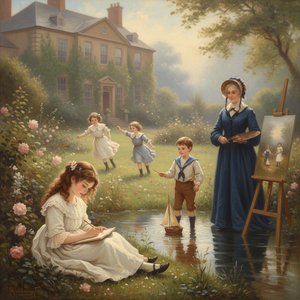
James Sant: Capturing Victorian Childhood & the Evolving Landscape of British Genre Painting
Explore the life & art of James Sant (1820-1916), renowned Victorian portraitist to Queen Victoria. Discover his captivating depictions of childhood, landscapes, and aristocratic society. Learn about his legacy & find fine art reproductions.

Glavna dela koja su definisala Romantični pejzaž: 10 remek-dela za vaš dom
Otkrijte 10 remek-dela romantičnog pejzažnog slikarstva! Uronite u svet Claude Lorraina, Caspara David Friedricha i Turnera. Ispričane priče umetnosti, inspiracija za dekoraciju doma. Kvalitetne reprodukcije na OriginalUniqueArt.com – istražite celu kolekciju online!

Evoking Atmosphere & Identity: A Journey Through Landscape Painting's History
Explore the rich history of landscape painting! Discover renowned artists, movements like Romanticism, & techniques such as atmospheric perspective. Find inspiration and quality reproductions at OriginalUniqueArt.

Evocations of Place: A Historical Journey Through Landscape Art
Explore the rich history of landscape art with OriginalUniqueArt. Discover renowned artists, movements like Impressionism & Romanticism, and expert guidance for collecting timeless pieces. Find your perfect serene escape today!
