

 Pregledaj u prostoru
 Podeli
 Podeli
 Detalji
 Vodič
Vodič

 Preuzmi sliku
 Slični predmeti
 Rendgenski snimak
 Automatska prezentacija
 Statistika
Yashoda and Krishna
 Acrylic On Canvas
- WallArt
 89.0 x 72.0 cm
 The Ganesh Shivaswamy Foundation
 Pročitaj više
Giclee štampa / Umetnički otisak
Giclée štampa ili print na platnu muzejskog kvaliteta uz brzu izradu i raznovrsne opcije završne obrade. ( Naručite ručno oslikano reprodukciju Pređi na prodaju digitalnih slika)




P118B дин10

P118H дин10

P118W дин10

P438Z дин10

P508JH дин12

P508YH дин12

P805H дин10

P805Z дин10

P919BZ дин10

P919G дин10

P919XJ дин10

P959ZH дин10

P968JZ дин12

W106C дин8

W218G дин10

W218JH дин8

W218Y дин10

W307PJ дин10

W316G дин10

W316PJ дин8

W316Y дин10

W398PJ дин8

W4111J дин10

W500HY дин15

W500JH дин15

W692G дин12

W849H дин8

W940BG дин15

W953PJ дин8




Izaberite jednu od naših unapred definisanih veličina koje odgovaraju originalnim proporcijama umetničkog dela.

Unesite širinu i visinu koja vam je potrebna, kako bi se uklopili u vaš ram ili na vaš zid. Štampa se može samo iseći, nikada ne može biti veća od originalne slike, stoga format sa drugačijim proporcijama gubi deo slike. Poslaćemo vam digitalni prikaz radi potvrde pre nego što započnemo štampu. Slika prikazana na ovoj stranici ne pokazuje stvarni rez — to pokazuje samo digitalni prikaz.
Dostava širom sveta () za 2 nedelje umesto uobičajenih 4/5 nedelja. (24 октобар)

Besplatna ekspresna dostava širom sveta

Visokokvalitetno laneno platno

Sveobuhvatno osiguranje transporta

Garancija povraćaja carine i uvoznih dažbina

Garancija vernosti boja i autentičnosti pri reprodukciji

Politika povraćaja u roku od 100 dana (samo u slučaju nedostataka)

Garancija povrata 100% novca

Popust pri većoj količini
 Opcija sa staklom dostupna je samo za dimenzije manje od 110 cm

Yashoda and Krishna
Giclee štampa / Umetnički otisak
Veličina reprodukcije
-


Ukupna cena
дин 8248
Raja Ravi Varma: Bridging Tradition & Modernity in 19th-Century Indian Art
Raja Ravi Varma stands as an unparalleled figure in the annals of Indian art history—a visionary who dared to fuse the grandeur of European academic painting with the profound spiritual essence of Hindu mythology. Born in Kilimanjaro, Tanzania, in 1848, his journey from royal lineage to artistic innovator exemplifies a transformative period in India’s cultural landscape. Ravi Varma wasn't merely replicating Western styles; he was reimagining them through the lens of Indian iconography and storytelling, resulting in artworks that captivated audiences both domestically and internationally. His influence extended far beyond the canvases themselves, shaping perceptions of Indian identity and establishing a precedent for accessible art forms—a legacy cemented by the proliferation of affordable lithographs produced at his Ravi Varma Fine Art Lithographic Press. This press was instrumental in democratizing Ravi Varma’s artistic vision, ensuring that his masterpieces resonated with a wider public.- A Royal Patronage That Fueled Innovation: Ravi Varma's upbringing within the Travancore royal household instilled him with an understanding of courtly traditions—a grounding that paradoxically propelled him toward experimentation and stylistic breakthroughs. His uncle, Raja Raja Varma, recognized his innate talent for drawing and painting, initiating him into the Tanjore School’s meticulous technique, which would serve as a cornerstone of his artistic development.
- Blending East Meets West: Ravi Varma skillfully adopted European academic realism—a dominant trend in Western art at the time—but refused to abandon the rich symbolism inherent in Hindu narratives. He meticulously researched Sanskrit texts and mythological tales, translating them into visual representations that resonated deeply with Indian sensibilities. This fusion resulted in artworks imbued with both intellectual rigor and emotional depth.
- Lithographic Revolution: Recognizing the limitations of traditional painting methods for reaching a broader audience, Ravi Varma established his lithographic press in Bombay (now Mumbai) in 1894—a pivotal moment in Indian art history. Collaborating with Fritz Schleicher, a German technician, he championed the use of lithography as a medium for disseminating his artistic creations.
Yashoda and Krishna: A Symbolic Tableau
“Yashoda and Krishna,” painted circa 1895-1896, exemplifies Ravi Varma’s masterful synthesis of Eastern spirituality and Western artistic convention. The painting depicts Yashoda, the devoted mother figure, milking a cow while Krishna playfully demands his share of the milk—a scene drawn directly from Hindu mythology that speaks to themes of nurturing, divine protection, and maternal devotion. Ravi Varma's meticulous attention to detail—particularly in capturing the texture of Yashoda’s sari—demonstrates his commitment to portraying realism alongside symbolic representation. The cow itself holds profound significance within Hinduism, symbolizing fertility, abundance, and the sacredness of pastoral life.- Composition & Color Palette: Ravi Varma employed a balanced composition, placing Krishna prominently in the foreground while Yashoda occupies a slightly elevated position—a deliberate stylistic choice that reinforces the narrative’s hierarchy of roles. The painting utilizes a vibrant color palette dominated by earthy tones—ochres and browns—accentuated by splashes of crimson and gold—colors traditionally associated with divinity and royalty.
- Narrative Depth: Beyond its visual beauty, “Yashoda and Krishna” conveys a powerful message about the sanctity of motherhood and the unwavering faith of Yashoda in Krishna’s divine protection. The painting captures a fleeting moment of tenderness between mother and child—a scene that embodies the core values of Hindu culture.
- Historical Context: Created during Ravi Varma's formative years, “Yashoda and Krishna” reflects the broader artistic currents of the Victorian era—characterized by an interest in Orientalism and a fascination with exotic landscapes and cultures. However, Ravi Varma’s work transcends mere stylistic imitation; it represents a genuine engagement with Hindu mythology and its enduring spiritual significance.
Raja Ravi Varma Lithographic Press: Democratizing Art
The establishment of the Ravi Varma Lithographic Press in 1894 marked a watershed moment in Indian art history—a testament to Ravi Varma’s foresight and his determination to make his artistic vision accessible to all. Collaborating with Fritz Schleicher, he pioneered the use of lithography as a medium for reproducing artworks on a large scale—a technique that dramatically lowered production costs and broadened the reach of Ravi Varma's masterpieces. This initiative fundamentally altered the landscape of Indian art consumption, transforming Ravi Varma’s paintings from exclusive treasures of royal collections into widely circulated images that captivated the imagination of the subcontinent. The press’s output included reproductions of Krishna’s life stories—a deliberate effort to disseminate Hindu mythology and its moral lessons among a wider audience.- Technological Innovation: Ravi Varma's decision to adopt lithography represented a significant departure from traditional painting methods—which were labor-intensive and expensive—and ushered in an era of artistic democratization.
- Cultural Impact: The Ravi Varma Lithographic Press’s reproductions profoundly influenced Indian aesthetics and contributed to the formation of a shared cultural identity—a legacy that continues to resonate today.
- Accessibility & Preservation: By making Ravi Varma's paintings available in affordable lithographs, he ensured their preservation for future generations—a remarkable achievement considering the challenges posed by the Victorian era’s artistic conventions.
Legacy and Influence
Raja Ravi Varma’s contribution to Indian art is undeniable—he fundamentally reshaped perceptions of Hindu mythology and established a precedent for blending Eastern spirituality with Western artistic technique. His lithographic press revolutionized art production, democratizing access to his masterpieces and fostering a shared cultural identity across the subcontinent. Today, reproductions of “Yashoda and Krishna” adorn homes throughout India—a testament to Ravi Varma’s enduring legacy as one of the most influential artists of the Victorian era—and continue to inspire admiration for his artistic vision and his unwavering commitment to preserving Hindu traditions through accessible art forms. His work stands as a beacon of cultural exchange and artistic innovation—a celebration of both Eastern mysticism and Western realism.Pitanja i odgovori
Koja upotreba i prostor se preporučuju za „Yashoda and Krishna”, Раја Рави Варма?
„Yashoda and Krishna”, Раја Рави Варма se preporučuje za Accent, idealno u Living Room. Upotreba i prostor zajedno ukazuju na to gde reprodukcija najbolje pristaje.
Šta objašnjava status autorskih prava za „Yashoda and Krishna”, Раја Рави Варма?
„Yashoda and Krishna”, Раја Рави Варма je u u javnom vlasništvu – autorska prava su istekla. Autorska prava traju od smrti umetnika, koja se dogodila 1906.
Koja je preporučena veličina štampe za „Yashoda and Krishna”, Раја Рави Варма?
Preporučena veličina štampe za „Yashoda and Krishna”, Раја Рави Варма je Large.
Biografija umetnika
Кнежевски четкић: Раја Рави Варма и зора модерног индијског сликарства
Раја Рави Варма, име које одјекује уметничком иновацијом Индије, потекао је из краљевске лозе палате Килиманур у Керали током средине 19. века. Рођен 29. априла 1848. године, његов живот био је прожет и аристократском традицијом и урођеним стваралаштвом. Он није био само сликара; он је био културни мост, вешто спајајући европске академске технике са богатим гобеленом индијске митологије и естетике. Дугогодишња породична повезаност са краљевском кућом Траванкоре – у ствари, две његове ћерке су касније усвојене у ту исту породицу – пружила му је привилегије и дубоко разумевање индијског дворског живота, што је снажно утицало на његов уметнички визију. Од раног узраста Рави Варма је показивао изузетан таленат за уметност, негујван од стране свог стрица Раје Раје Варме, који га је увео у свет цртања и сликања, првенствено у традицији школе Танџур. Међутим, млада Равијева амбиција се протезала даље од имитације; тражио је овладавање техникама које би му омогућиле да заухвати не само лик него и емоцију и наративну дубину.Спој светова: Техника и инспирација
Равијев уметнички пут преломна тачка када је наишао на дела европских мајстора, посебно током његових путовања и интеракције са британским званичницима стационираним у Индији. Био је очаран реализмом и техничком прецизношћу академског сликарства, вредно проучавајући његове принципе – перспективу, анатомију, светлост и сенку. Ипак, за разлику од многих својих савременика који су једноставно копирали западне стилове, Варма је генијално прилагодио ове технике да служи искључиво индијским темама. Његови платни су постале живописне сцене из Рамаяне, Махабхарате и Пурана, насељени боговима и богињама рендерним са новом природношћу. Он није само илустровао религиозне приче; он их је прождимао људским емоцијама и психолошком комплексношћу. Ово је било револуционарно. Пре Варме, прикази божанстава су често придржавали ригидних иконографских конвенција. Усудио се да их представи као повезане фигуре, лепе и моћне, али доступне обичном гледаоцу. Његово овладавање уљаним сликањем – релативно новом медијуму у Индији у то време – омогућило му је да постигне беспрецедан ниво детаља и осветљења, што додатно појачава емоционални утицај његовог рада. Размислите, на пример, о његовом иконичном приказу *Шакунтале*, где хероинин поглед пун жеље и деликатна поза преносе дубину осећања која се ретко виђају у индијској уметности. Махараџа Траванкоре, са својим краљевским држањем и сложеним детаљима, пример је Вармине способности да заухвати спољашњи изглед и унутрашњи карактер.Демократизација уметности: Литографије и популарна привлачност
Утицај Раје Рави Варме се протезао далеко ван елитних кругова краљевства и познавалаца уметности. Препознајући да оригинална сликања нису била доступна већини Индијаца, основао је Штампарију литографија финих уметности Раје Рави Варме 1894. године. Овај преломни подухват омогућио је масовну производњу приступачних литографија заснованих на његовим сликама. Изненада, слике хиндуистичких божанстава и митолошких сцена нису биле ограничене храмовима или дворцима; украшавале су домове широм Индије, постајући предмети обожавања и култног поноса. Литографије нису биле само репродукције; то су били пажљиво израђени тумачења која су заухватила суштину Варминих оригинала. Овај чин „демократизације уметности“ имао је дубок утицај на индијско друштво, подстичући шире цењење визуелне културе и обликовање популарних перцепција религиозне иконографије. Такође је успоставио Варму као праву јавну личност, његове слике постају свеприсутни симболи индијског идентитета. Ханса Дамајанти, можда једно од његових највољенијих дела, пронашло је пут у безброј домова кроз ове литографије, трансформишући естетику Индије.Наслеђе и трајни утицај
Раја Рави Варма преминуо је 1906. године, оставивши наслеђе које наставља да одјекује данас. Његов рад није само трансформисао пејзаж индијског сликарства, већ и поставио основу за модерну индијску уметност. Изазвао је конвенционалне норме, прихватио иновације и вешто спојио традицију са модерношћу. Његов утицај се види у делима наредних генерација индијских уметника који су тражили стварање посебног националног уметничког идентитета. Музеји попут Фондације за наслеђе Раје Рави Варме у Бангалору и Фондације Ганеш Шивасвами настављају да чувају и славе његову уметност, обезбеђујући да његова визија траје за будуће генерације. Његови радови остају моћна сведочења о његовом генију – ремек-дела која заухватају лепоту, духовности и културно богатство Индије. Његова способност да се повеже са публиком и на естетичком и емоционалном нивоу учврстила је његово место као правог пионира, заувек мењајући начин на који су Индијци перцептирали уметност и своје културно наслеђе.Истраживање Варминог света данас
За оне који траже да се дубље зароните у свет Раје Рави Варме, доступни су бројни ресурси. Музеј Киран Надар за уметност у Делхију садржи избор његових дела поред других модерних и савремених индијских уметника. Интернет платформе попут OriginalUniqueArt нуде висококвалитетне репродукције његових иконичних слика, омогућавајући љубитељима уметности широм света да искусе његов таленат из прве руке. Штавише, научни чланци и књиге настављају да бацају светлост на његов живот, технике и трајни утицај. Википедија страница посвећена Раји Рави Варми пружа свеобухватан преглед његове биографије и уметничких достигнућа, док Google Arts & Culture нуди проницљиве приче о његовом животу и раду, укључујући доприносе од његове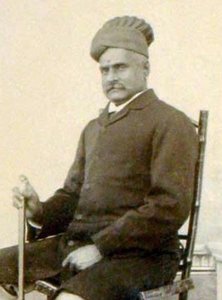
Раја Рави Варма
1848 - 1906 , Indija
Brzi pregled
- Artistic Movement Or Style: Akademski i indijska fuzija
- Artists Or Movements Influenced By This Artist: ['Moderna indijska umetnost']
- Artists Who Influenced This Artist: ['Evropski majstori']
- Date Of Birth: 29. april 1848.
- Date Of Death: 2. oktobar 1906.
- Full Name: Raja Ravi Varma
- Nationality: Indijski
- Notable Artworks:
- Hansa Damayanthi
- Maharani od Travancorea
- Shakuntala
- Portret gospodina
- Place Of Birth: Kilimanoor, Indija