

 Pregledaj u prostoru
 Podeli
 Podeli
 Detalji
 Vodič
Vodič

 Preuzmi sliku
 Slični predmeti
 Rendgenski snimak
 Automatska prezentacija
 Statistika
Глава студија (Геометрична)
 Akril na platnu
- Umetnost za zidove
- Abstract Expressionism
 1929
1929 182.0 x 192.0 cm
 National Gallery of Modern Art
 Pročitaj više
Giclee štampa / Umetnički otisak
Giclée štampa ili print na platnu muzejskog kvaliteta uz brzu izradu i raznovrsne opcije završne obrade. ( Naručite ručno oslikano reprodukciju Pređi na prodaju digitalnih slika)




P118B дин10

P118H дин10

P118W дин10

P438Z дин10

P508JH дин12

P508YH дин12

P805H дин10

P805Z дин10

P919BZ дин10

P919G дин10

P919XJ дин10

P959ZH дин10

P968JZ дин12

W106C дин8

W218G дин10

W218JH дин8

W218Y дин10

W307PJ дин10

W316G дин10

W316PJ дин8

W316Y дин10

W398PJ дин8

W4111J дин10

W500HY дин15

W500JH дин15

W692G дин12

W849H дин8

W940BG дин15

W953PJ дин8




Izaberite jednu od naših unapred definisanih veličina koje odgovaraju originalnim proporcijama umetničkog dela.

Unesite širinu i visinu koja vam je potrebna, kako bi se uklopili u vaš ram ili na vaš zid. Štampa se može samo iseći, nikada ne može biti veća od originalne slike, stoga format sa drugačijim proporcijama gubi deo slike. Poslaćemo vam digitalni prikaz radi potvrde pre nego što započnemo štampu. Slika prikazana na ovoj stranici ne pokazuje stvarni rez — to pokazuje samo digitalni prikaz.
Dostava širom sveta () za 2 nedelje umesto uobičajenih 4/5 nedelja. (25 октобар)

Besplatna ekspresna dostava širom sveta

Visokokvalitetno laneno platno

Sveobuhvatno osiguranje transporta

Garancija povraćaja carine i uvoznih dažbina

Garancija vernosti boja i autentičnosti pri reprodukciji

Politika povraćaja u roku od 100 dana (samo u slučaju nedostataka)

Garancija povrata 100% novca

Popust pri većoj količini
 Opcija sa staklom dostupna je samo za dimenzije manje od 110 cm

Глава студија (Геометрична)
Giclee štampa / Umetnički otisak
Veličina reprodukcije
-


Ukupna cena
дин 8248
Head Study (Geometric) – A Singular Vision of Bengal’s Modernist Spirit
Rabindranath Tagore, geboren am 7. Mai 1861 in Kalkutta (heute Kolkata), Indien, steht als eine außergewöhnliche Figur der bengalischen Literatur und Kultur dar – ein Beweis für die transformative Kraft künstlerischer Vorstellungskraft. Mehr als nur ein Poet Laureat war er ein vielseitiges Genie, das die Kunst Indiens mit seinem innovativen Ansatz zum Modernismus beeinflusste und Traditionelle Ästhetik mit zeitgenössischen Sensibilitäten verband. Sein Einfluss klingt bis heute über Disziplinen hinweg und berührt Kulturen weltweit. Die Anfänge einer künstlerische Reise Tagores frühe Kindheit innerhalb einer intellektuell stimmungsreichen Familie förderte seine natürliche künstlerische Begabung. Sein Vater, Debendranath Tagore, ein Philosoph tief verbunden mit Abanindranath Tagore – der später eine berühmte indische Künstlerin und Gründer der Bengalischen Schule für Kunst wurde – bot ihm eine Umgebung reich an kreativen Aktivitäten. Schon als Kind zeigte Tagore eine außergewöhnliche Fähigkeit zum Schreiben und Lesen und entwickelte sich schnell zu einem großen Künstler. Seine künstlerische Entwicklung fand ihren Anfang in den frühen Arbeiten seines Vaters, die ihn mit einer tiefen Verbindung zur Philosophie und Ästhetik prägten. Diese frühe Bildung bereitete den Grundstein für seine spätere künstlerische Tätigkeit und beeinflusste maßgeblich seinen einzigartigen Stil und Ansatz. Ein Künstler zwischen Tradition und Moderne Tagore entwickelte sich zu einem Pionier des Kontextualisierten Modernismus und verkörperte eine außergewöhnliche Fähigkeit, verschiedene kulturelle Einflüsse miteinander zu verbinden. Er wurde insbesondere durch die Philosophie seines Vaters und dessen Einfluss auf Abanindranath Tagore geprägt – der später eine berühmte indische Künstlerin und Gründer der Bengalischen Schule für Kunst wurde –, wodurch ihm eine einzigartige Perspektive auf künstlerische Herausforderungen und Chancen eröffnete. Diese Verbindung zur Tradition ermöglichte es ihm, neue Ideen zu integrieren und gleichzeitig die Schönheit und Tiefe seiner Wurzeln zu bewahren. Die Geburt eines abstrakten Kopfstudien Im Jahr 1928 fand Tagore seinen künstlerischen Durchbruch mit einer außergewöhnlichen Tätigkeit: Er begann mit der Malerei und entwickelte sich schnell zu einem unabhängigen Künstler. Seine frühen Arbeiten zeichneten sich durch eine besondere Sensibilität für Farben und Formen aus und reflektierten seine tiefgreifende Beobachtung der menschlichen Natur und ihrer Emotionen. Diese frühe künstlerische Entwicklung prägte seinen späteren Stil und beeinflusste maßgeblich seine Fähigkeit, komplexe Themen auf eine einfache und dennoch wirkungsvolle Weise darzustellen. Er war stets darauf bedacht, die Essenz seiner Inspiration einzufangen und sie in beeindruckende Kunstwerke zu verwandeln. Ein Blick auf die Technik und Ästhetik Tagores Kopfstudien sind ein außergewöhnliches Beispiel für seine technische Virtuosität und sein künstlerisches Verständnis. Er verwendete eine spezielle Methode zur Darstellung von Licht und Schatten, die ihm ermöglichte, eine besondere Atmosphäre zu schaffen und die Emotionen seiner Modelle einzufangen. Seine Verwendung von Ölfarben und verschiedenen Pinseltechniken sorgte dafür, dass seine Bilder lebendig und dynamisch wirkten und gleichzeitig eine hohe künstlerische Qualität aufwiesen. Diese Technik wurde zu seinem Markenzeichen und prägte seinen einzigartigen Stil und Ansatz. Er war stets darauf bedacht, die besten Materialien und Werkzeuge einzusetzen und seine Fähigkeiten kontinuierlich zu verbessern. Ein Ausdruck von Philosophie und Gefühl Die abstrakte Kopfstudie ist mehr als nur ein Kunstwerk; sie ist eine Reflexion über tiefere philosophische Fragen und menschliche Emotionen. Tagore verwendete geometrische Formen und Linien, um die Komposition zu strukturieren und eine besondere Wirkung zu erzielen. Diese Elemente dienten ihm dazu, seine Gedanken und Gefühle auszudrücken und gleichzeitig eine außergewöhnliche künstlerische Schönheit zu schaffen. Seine Kunstwerke sind ein Ausdruck seiner tiefen Überzeugung von der Bedeutung menschlicher Erfahrung und ihrer Verbindung zur Natur und zum Universum. Er war stets darauf bedacht, seine Kreativität einzusetzen und die Welt um ihn herum auf eine Weise zu sehen, die sowohl inspirierend als auch herausfordernd ist.Pitanja i odgovori
Koji su dominantni koloriti u delu „Глава студија (Геометрична)”, Rabindranath Thakur?
„Глава студија (Геометрична)“ definiše Zemljasti tonovi paleta kojoj dominira Zelena ftalocijanina (#251c10).
Kako je izgrađena koloristička kompozicija dela „Глава студија (Геометрична)”, Rabindranath Thakur?
U delu "Глава студија (Геометрична)", Upečatljivo kontrast je uparen sa Ujednačena paleta harmonijom.
Koja veličina štampe za "Глава студија (Геометрична)" bi najbolje odgovarala mojoj prostoriji?
Za Dnevna soba, preporučena veličina štampe dela „Глава студија (Геометрична)”, Rabindranath Thakur je Veliki format.
Biografija umetnika
A Pioneer of Contextual Modernism: Rabindranath Tagore’s Artistic Legacy
Rabindranath Tagore, born May 7, 1861, in Kolkata, stands as an unparalleled figure in Bengali literature and culture—a testament to the transformative power of artistic vision. More than just a poet laureate, he was a multifaceted genius who profoundly impacted Indian art with his innovative approach to modernism, blending traditional aesthetics with contemporary sensibilities. His influence continues to resonate across disciplines and cultures today, marking him as a true polymath whose creative reach extended far beyond the written word.
Tagore’s upbringing within an intellectually stimulating family nurtured his innate artistic inclinations. His father, Debendranath Tagore, was a philosopher deeply connected to Abanindranath Tagore—who would later become a celebrated Indian artist and the founder of the Bengal School of May Art. This environment, rich in creative pursuits, provided Rabindranath with a foundation where music, literature, and visual expression were inextricably linked. From childhood, he demonstrated a remarkable aptitude for writing poetry, immersing himself in the literary traditions of Bengal while simultaneously exploring musical compositions. This dual engagement foreshadowed his artistic trajectory, establishing him as an artist who would eventually transcend conventional boundaries.
The Convergence of Tradition and Modernity
Tagore’s involvement with the movement surrounding the Bengal School of Art proved pivotal to shaping his unique visual style. This era championed a distinctive aesthetic known as contextual modernism, which sought to revitalize Indian art through a dialogue with Western influences without abandoning its core spiritual and cultural heritage. Tagore embraced this spirit of experimentation wholeheartedly. While he is globally renowned for his literary mastery, his foray into the visual arts revealed a deeply intuitive and spontaneous creator.
In his paintings, Tagore skillfully incorporated elements of European Impressionism and Symbolism, creating works imbued with evocative imagery and emotional depth. His technique often bypassed rigid academic structures in favor of something more primal and expressive. He utilized fluid lines and organic forms to capture the essence of his subjects, ranging from the spiritual atmosphere of Santiniketan to the rhythmic energy of a Dancing Woman. His work often featured intricate details, such as the poetic use of oriental script seen in masterpieces like Geetāshtak, where lush backgrounds meet calligraphic elegance, inviting viewers into a meditative state.
A Lasting Historical Significance
The significance of Rabindranath Tagore lies not only in his individual achievements but in his role as a bridge between eras and civilizations. As a Nobel Laureate, he brought the profound spiritual and humanistic themes of Indian thought to the global stage through works like Gitanjali. His artistic legacy is characterized by several key pillars:
- Cultural Synthesis: The ability to merge the rhythmic traditions of Bengal with the modern visual languages of the West.
- Spiritual Expression: A lifelong pursuit of capturing the divine and the natural world through both verse and pigment.
- Educational Vision: His role in fostering an environment at Santiniketan where art, nature, and learning could coexist harmoniously.
- Modernist Innovation: Breaking away from rigid metrical patterns in literature and formal constraints in painting to find a more authentic, personal voice.
Today, the works of Tagore serve as a vital touchstone for anyone seeking to understand the evolution of Indian modernism. His ability to weave together the spiritual essence of his homeland with a forward-looking, global perspective ensures that his name remains synonymous with the very heart of creative revolution.

Rabindranath Thakur
1861 - 1941 , India
Brzi pregled
- Full Name: Rabindranath Tagore
- Nationality: Bengali
- Date Of Birth: 1861
- Date Of Death: 1941
- Place Of Birth: Kolkata, India
- Notable Artworks:
- Pavilion
- Ruins at Cannouge
- Khunjani Wali
- Artistic Movement Or Style: Contextual Modernism
- Artists Who Influenced This Artist:
- Edward Thomas Daniell
- Nandalal Bose
Srodni članci

Beyond Form & Color: Geometric Abstraction's Evolution in 20th/21st Century Art
Explore the evolution of geometric abstraction from Cubism to contemporary art. Discover key artists like Malevich & Mondrian, investment insights, and expert collecting advice at OriginalUniqueArt.

Top 10 dela geometrijske apstrakcije koje morate videti | OriginalUniqueArt.com
Istražite 10 remek-dela geometrijske apstrakcije – Mondrian, Malevič i Kandinski. Otkrijte priče iza ovih ikoničnih slika i pronađite inspiraciju za dekoraciju enterijera sa OriginalUniqueArt.com! Reprodukcije vrhunskog kvaliteta.
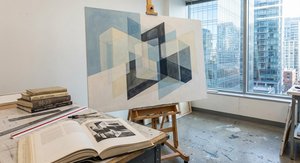
Beyond Form & Color: Geometric Abstraction's Enduring Legacy in Art History
Explore the captivating world of geometric abstraction! Discover its origins, key artists like Malevich & Mondrian, and why this movement remains highly valued by art collectors today. Expert insights at OriginalUniqueArt.

Abstraktni Ekspresionizam: 10 Remek Dela Koja Su Definisala Pokret
Otkrijte 10 remek dela koja su definisala apstraktni ekspresionizam! Istražite dela Pola Krausa, Džejson Poloka i drugih. Saznajte priče iza umetnosti i inspirisanje za dekoraciju doma. Eksplorirajte kolekciju na OriginalUniqueArt.com!

Kandinsky's Masterpieces: 25 Paintings That Define Abstract Art | OriginalUniqueArt
Journey through Wassily Kandinsky's 25 most iconic abstract paintings. Explore his revolutionary use of color, form & spiritual expressionism. Find museum-quality Kandinsky reproductions and elevate your home decor with OriginalUniqueArt.com. Discover all masterpieces on OriginalUniqueArt.com!

