
 Pregledaj u prostoru
 Pošalji
 Podeli
 Detalji o delu
 Vodič
Vodič

 Preuzmi
 Slični predmeti
 Rendgenski snimak
 Automatska prezentacija
 Pitanja i odgovori
 Statistika
Athenais

- 101.0 x 61.0 cm


 Pročitaj više
Giclee štampa / Umetnički otisak
Giclée štampa ili print na platnu muzejskog kvaliteta uz brzu izradu i raznovrsne opcije završne obrade. ( Kupite ručno oslikano delo Pređi na digitalnu sliku)




P118B дин10

P118H дин10

P118W дин10

P438Z дин10

P508JH дин12

P508YH дин12

P805H дин10

P805Z дин10

P919BZ дин10

P919G дин10

P919XJ дин10

P959ZH дин10

P968JZ дин12

W106C дин8

W218G дин10

W218JH дин8

W218Y дин10

W307PJ дин10

W316G дин10

W316PJ дин8

W316Y дин10

W398PJ дин8

W4111J дин10

W500HY дин15

W500JH дин15

W692G дин12

W849H дин8

W940BG дин15

W953PJ дин8




Izaberite jednu od naših unapred definisanih veličina koje odgovaraju originalnim proporcijama umetničkog dela.

Unesite željenu širinu i visinu kako bi se štampa uklopila u vaš ram ili zid. Štampu je moguće samo iseći, ali nikada povećati iznad dimenzija originalne slike, stoga format sa drugačijim proporcijama uzrokuje gubitak dela slike. Pre početka štampe, poslaćemo vam digitalni prikaz radi potvrde. Slika prikazana na ovoj stranici ne predstavlja stvarni isrez — to pokazuje samo digitalni prikaz.
Dostava širom sveta () za 2 nedelje umesto uobičajenih 4/5 nedelja. (5 новембар)

Besplatna ekspresna dostava širom sveta

Visokokvalitetno laneno platno

Potpuno osiguranje transporta

Garancija povraćaja carine i uvoznih dažbina

Garancija vernosti boja

Politika povraćaja u roku od 100 dana (samo u slučaju nedostataka)

Garancija povrata 100% novca

Popust na više proizvoda
 Opcija sa staklom dostupna je samo za dimenzije manje od 110 cm

Athenais
Giclee štampa / Umetnički otisak
Dimenzije reprodukcije
-


Ukupna cena
дин 8493
A Vision of Classical Splendor
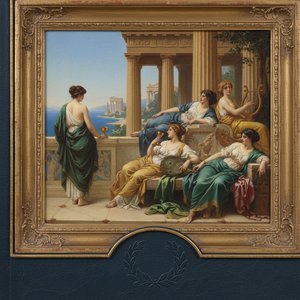
In the luminous realm of Neo-Classicism, few works capture the serene intersection of human grace and architectural grandeur as exquisitely as John William Godward’s Athenais. Painted in 1908, this masterpiece serves as a breathtaking window into a lost era of antiquity, reimagined through the meticulous lens of the late Victorian era. The painting presents us with a central figure of incomparable elegance, draped in a flowing, vibrant red gown that commands the viewer's gaze. As she stands with a poised hand upon her hip, her presence is not merely decorative but foundational to the composition, embodying a sense of quiet confidence and timeless beauty. The rich, crimson hue of her attire creates a striking visual dialogue with the pale, marble textures surrounding her, ensuring that the subject remains the beating heart of this classical dreamscape.
The setting of Athenais is nothing short of theatrical, designed to transport the observer to a world of myth and marble. Godward surrounds his protagonist with an array of sculpted figures—Greek gods and goddesses carved into architectural elements—which lend the scene an air of sacred permanence. These statues, rendered with such precision that one can almost feel the coolness of the stone, provide a structural rhythm to the piece. The inclusion of delicate birds, fluttering near the periphery, introduces a subtle layer of life and movement, breaking the stillness of the marble and infusing the atmosphere with a sense of tranquil harmony. This careful balance between the static permanence of architecture and the fleeting vitality of nature is what makes the work so profoundly captivating.
Mastery of Technique and Light
To behold Athenais is to witness the pinnacle of academic realism and the masterful application of oil on canvas. Godward’s technique is characterized by an extraordinary attention to texture; he layers his pigments with a devotion that allows the viewer to distinguish between the soft, supple folds of silk and the hard, weathered grain of ancient stone. The lighting within the painting is masterfully diffused, casting gentle shadows that sculpt the woman's form and provide a realistic sense of depth. This soft illumination avoids harsh contrasts, instead bathing the entire scene in a warm, nostalgic glow that enhances the romanticism of the subject matter.
The color palette is a sophisticated study in balance, dominated by deep reds, pristine whites, and muted earth tones. These colors work in concert to create a sense of stability and order, reflecting the core tenets of the Neo-Classical movement. The lines are predominantly smooth and flowing, guiding the eye through the organic curves of the human form and into the geometric precision of the classical backdrop. For the discerning collector or interior designer, this painting offers more than just visual beauty; it provides a sophisticated focal point that brings an aura of cultured refinement and historical depth to any space.
Symbolism and Lasting Emotional Resonance
Beyond its aesthetic brilliance, Athenais is steeped in symbolic resonance. The figure herself, often interpreted through the lens of classical mythology, evokes themes of purity, vulnerability, and the eternal nature of beauty. The architectural setting—a monument to civilization and human achievement—serves as a powerful counterpoint to the organic grace of the woman, suggesting a harmonious coexistence between humanity and the enduring legacies of the past. There is a profound sense of nostalgia in Godward's work, a longing for the perceived order and moral seriousness of the ancient world.
For those seeking to adorn their homes with art that inspires contemplation, this painting offers an emotional journey into the sublime. It invites the viewer to pause, to breathe in the stillness of the scene, and to reconnect with the classical ideals of beauty and grace. Whether viewed as a historical document of the late 19th-century academic style or as a timeless piece of decorative art, Athenais remains an enduring testament to the power of the brush to resurrect the splendor of antiquity.
Pitanja i odgovori
Koliki je nivo kontrasta kod dela „Athenais”, autor Džon Vilijam Godvard?
„Athenais”, autor Džon Vilijam Godvard prikazuje Bold kontrast između svojih svetlih i tamnih delova.
Gde i za šta se preporučuje "Athenais"?
„Athenais“ je predloženo za Focal, a preporučeni prostor je Living Room.
Gde se preporučuje izlaganje dela "Athenais" u formatu Tall?
Format (Tall) i preporučeni prostor (Living Room) su dve navedene činjenice o postavljanju za „Athenais”, autor Džon Vilijam Godvard.
Biografija umetnika
John William Godward: Viktorijanski neoklasični majstor
Rani život i poreklo
- Rođen: 9. avgusta 1861, Vimbled, Engleska.
- Preminuo: 13. decembra 1922, London, Engleska.
- John William Godward bio je najstariji od petoro dece rođene u porodici čiji je otac, John Godward, bio službenik u investicionom poslu, a majka, Sarah Eboral.
- Njegovo ranije detinjstvo obeležila je povučena priroda, što se u velikoj meri pripisuje dominantnim i nadmoćnim ličnostima njegovih roditelja. Ova introverzija duboko je uticala na njegove umetničke senzibilitete.
Umetnički razvoj i uticaji
- Rano obrazovanje: Godward je prošao kroz formalno umetničko obrazovanje, mada su specifični detalji retki zbog uništenja njegovih privatnih dokumenata.
- Ključni uticaji: Na njega su snažno uticali Sir Lawrence Alma-Tadema i Frederic Leighton, obe istaknute figure viktorijanskog neoklasicizma.
- Poput Alma-Tademe, Godward je pokazao pedantnu pažnju posvećenu detaljima u prikazivanju klasične arhitekture i tekstura. Ipak, razvio je sopstveni, prepoznatljiv stil koji karakterišu vibrantne boje i idealizovani prikazi lepote.
Karijera i velika dela
- Izložbe u Kraljevskoj akademiji: Godward je prvi put izlagao u Kraljevskoj akademiji 1887. godine, što je označilo početak njegovog javnog priznanja.
- Istaknuta dela:
- Dolce far Niente (1904): Možda njegovo najpoznatije delo, koje je 1995. godine kupio Andrew Lloyd Webber.
- When the Heart is Young (1902): Odlično prikazuje Godwardovu sposobnost da uhvati mladalačku nevinost i lepotu.
- The Mirror (1899): Prikazuje njegovu veštinu u kontrastiranju tekstura i stvaranju osećaja dubine.
- In the Tepidarium (1913): Poluogoljena figura koja demonstrira njegovu svestranost unutar neoklasičnog žanra.
- Athenais: Zadivljujući primer njegovih idealizovanih ženskih figura u klasičnim ambijentima.
- Preseljenje u Italiju: Godward se 1912. godine preselio u Rim sa jednom od svojih modela, što je bila odluka koja je dovela do otuđenja od njegove porodice.
Stil i teme
- Neoklasični stil: Godwardovo delo karakteriše pridržavanje klasičnih formi, tema i estetike.
- Ponavljajući motivi: Često je prikazivao lepe žene u klasičnoj odeći, često u trenucima odmora ili kontemplacije.
- Tehničko majstorstvo: Godward je bio poznat po pedantnoj pažnji posvećenoj detaljima, naročito u prikazivanju tekstura kao što su mermer, krzno i tkanine. Njegova upotreba živopisnih boja dodatno je izdvojila njegov stil.
- Često ga opisuju kao „visokoviktorijanskog sanjalaca“ zbog idealizovane i romantičane prirode njegovih slika.
Tragičan kraj i nasleđe
- Smrt: Godward je tragično oduzeo sopstveni život 1922. godine, u 61. godini života.
- Reakcija porodice: Njegova porodica, stidna zbog njegovog samoubistva, uništila je njegove papire i pokušala da izbriše njegovo sećanje.
- Istorijski značaj: Uprkos pokušajima suzbijanja njegovog nasleđa, Godwardov rad je doživeo ponovni uspon popularnosti. On ostaje značajna figura viktorijanskog neoklasicizma, slavljen zbog svoje tehničke veštine, idealizovane lepote i evocirajućih prikaza klasičnih tema.

Džon Vilijam Godvard
1861 - 1922 , Engleska
Osnovne informacije
- Datum Rođenja: 1861
- Datum Smrti: 1922
- Ime: John William Godward
- Nacionalnost: Britanac
- Pod Uticajem:
- Sir Lawrence Alma-Tadema
- Frederic Leighton
- Pokret: Neoklasicizam, viktorijansko slikarstvo
- Značajna Dela:
- Dolce far Niente
- When the Heart is Young
- The Mirror
- In the Tepidarium
- Athenais
- Expectancy
Povezani članci

Neo-Classicism's Greatest Hits: 10 Masterpieces for Your Home |
Journey through Neo-Classicism's finest! Explore 10 iconic masterpieces by David, Ingres & Canova. Discover art history, techniques & timeless beauty – perfect for inspiring your home decor. Find museum-quality reproductions at

The Enduring Allure of the Nude: A Historical & Artistic Exploration of the Human Form
Explore the captivating history of nude art! Discover iconic paintings & artists from classical to modern eras. Uncover symbolism, techniques & find museum-quality reproductions at OriginalUniqueArt.

25 Remek-dela Džona Konstebla: Lepota Engleske na Platnu | OriginalUniqueArt
Uronite u svet Džona Konstebla! Otkrijte 25 remek-dela engleskog pejzaža, romantizma i seoske idile. Kupite reprodukcije slika vrhunskog kvaliteta za dekoraciju enterijera na OriginalUniqueArt.com.
R.B.A. John William Godward: A Study in Neoclassical Sensibility & Decadence
Explore the captivating Neo-Classical world of John William Godward. Discover his exquisite paintings, artistic influences, and investment potential. Expert analysis for discerning collectors.

25 Remek-dela Džona Singera Sargenta: Portreti Elegancije i Svetlosti | OriginalUniqueArt
Uronite u svet Džona Singera Sargenta! Otkrijte 25 remek-dela impresionizma i realizma, od portreta Madame X do fascinantnih akvarela. Inspiracija za dekoraciju enterijera & luksuzne reprodukcije slika na OriginalUniqueArt.com.