
 Pregledaj u prostoru
 Pošalji
 Podeli
 Detalji o delu
 Vodič
Vodič

 Preuzmi
 Slični predmeti
 Rendgenski snimak
 Automatska prezentacija
 Pitanja i odgovori
 Statistika
Ecce Homo (detail)


 Pročitaj više
Giclee štampa / Umetnički otisak
Giclée štampa ili print na platnu muzejskog kvaliteta uz brzu izradu i raznovrsne opcije završne obrade. ( Kupite ručno oslikano delo Pređi na digitalnu sliku)




P118B дин10

P118H дин10

P118W дин10

P438Z дин10

P508JH дин12

P508YH дин12

P805H дин10

P805Z дин10

P919BZ дин10

P919G дин10

P919XJ дин10

P959ZH дин10

P968JZ дин12

W106C дин8

W218G дин10

W218JH дин8

W218Y дин10

W307PJ дин10

W316G дин10

W316PJ дин8

W316Y дин10

W398PJ дин8

W4111J дин10

W500HY дин15

W500JH дин15

W692G дин12

W849H дин8

W940BG дин15

W953PJ дин8




Izaberite jednu od naših unapred definisanih veličina koje odgovaraju originalnim proporcijama umetničkog dela.

Unesite željenu širinu i visinu kako bi se štampa uklopila u vaš ram ili zid. Štampu je moguće samo iseći, ali nikada povećati iznad dimenzija originalne slike, stoga format sa drugačijim proporcijama uzrokuje gubitak dela slike. Pre početka štampe, poslaćemo vam digitalni prikaz radi potvrde. Slika prikazana na ovoj stranici ne predstavlja stvarni isrez — to pokazuje samo digitalni prikaz.
Dostava širom sveta () za 2 nedelje umesto uobičajenih 4/5 nedelja. (4 новембар)

Besplatna ekspresna dostava širom sveta

Visokokvalitetno laneno platno

Potpuno osiguranje transporta

Garancija povraćaja carine i uvoznih dažbina

Garancija vernosti boja

Politika povraćaja u roku od 100 dana (samo u slučaju nedostataka)

Garancija povrata 100% novca

Popust na više proizvoda
 Opcija sa staklom dostupna je samo za dimenzije manje od 110 cm

Ecce Homo (detail)
Giclee štampa / Umetnički otisak
Dimenzije reprodukcije
-


Ukupna cena
дин 8487
The Haunting Beauty of “Ecce Homo (detail)” by Quentin Massys
The image before you is not merely a depiction of Christ; it’s an invitation into the heart of human reaction, a meticulously rendered tableau of judgment and sorrow. This detail from Quentin Massys' "Ecce Homo," painted in 1526, captures a pivotal moment – the presentation of Jesus to a hostile crowd, a scene brimming with psychological depth and unsettling realism. Massys, a key figure in establishing the Antwerp School’s distinctive style, masterfully utilizes oil paint on panel to achieve an astonishing level of detail, imbuing each face with a palpable sense of emotion.
Massys' approach diverges significantly from earlier depictions of this biblical episode. Instead of presenting a serene, sacrificial figure, he confronts the viewer with the raw, unfiltered responses of those present. The composition is dominated by a chaotic throng, their faces a study in varying degrees of scorn, mockery, and bewildered apathy. Notice how Massys doesn’t shy away from portraying the ugliness of human behavior – the leering expressions, the grasping hands, the blatant disregard for the man before them. This wasn't simply an attempt to illustrate a religious narrative; it was a profound exploration of humanity’s capacity for both cruelty and indifference.
A Masterclass in Anatomical Precision and Dramatic Lighting
The technical brilliance of “Ecce Homo (detail)” is immediately apparent. Massys demonstrates an extraordinary understanding of human anatomy, meticulously rendering the musculature, wrinkles, and expressions on each face. The figures are not idealized; they possess a tangible physicality, reflecting the artist’s interest in capturing the nuances of individual character. Crucially, Massys employs dramatic chiaroscuro – the skillful use of light and shadow – to heighten the emotional impact. Strong contrasts between illuminated faces and shadowed masses draw the eye to key elements within the composition, creating a sense of theatrical intensity.
The lighting itself seems to amplify the scene’s unsettling atmosphere. The figures closest to Christ are bathed in a harsh, almost unforgiving light, while those further back remain shrouded in darkness. This technique emphasizes Christ's vulnerability and isolation, highlighting his position as the object of public scorn. Massys’ use of color is equally deliberate; muted earth tones dominate the scene, punctuated by the vibrant red of the robe worn by Christ – a stark contrast that draws attention to his suffering.
Symbolism and the Weight of Judgment
Beyond its technical mastery, “Ecce Homo (detail)” is rich in symbolic meaning. The figures surrounding Jesus represent not just individual reactions but also broader themes of judgment, betrayal, and the consequences of indifference. The man pointing at Christ with a furious expression embodies the mob’s collective outrage, while the figure pulling Christ's beard symbolizes the act of defiance and mockery. Even seemingly minor details – such as the turban worn by one of the onlookers – carry symbolic weight, hinting at the exotic and unsettling nature of the scene.
The inclusion of figures like the “old fool” with glazed eyes speaks to a deeper commentary on humanity’s capacity for blindness and apathy. Massys isn't simply depicting a historical event; he is offering a timeless meditation on human nature, prompting viewers to confront their own roles in perpetuating cycles of judgment and cruelty. The painting serves as a potent reminder that even the most seemingly insignificant actions can contribute to a climate of disrespect and indifference.
A Timeless Reflection on Humanity
“Ecce Homo (detail)” by Quentin Massys remains a profoundly moving work of art, captivating viewers with its raw emotional intensity and technical brilliance. It’s more than just a religious painting; it's a powerful exploration of human psychology, social dynamics, and the enduring consequences of judgment. Reproductions of this masterpiece offer an opportunity to bring this hauntingly beautiful image into your home or office, serving as a constant reminder of the complexities of human nature and the importance of empathy and compassion. Consider how its dramatic lighting and carefully rendered faces can transform any space, adding depth and intrigue to your surroundings.
Pitanja i odgovori
Koja je paleta boja u delu "Ecce Homo (detail)"?
„Ecce Homo (detail)”, autor Kventin Masis koristi Earthy paletu boja. Ova paleta sažima opšti koloristički karakter dela.
Da li je "Ecce Homo (detail)" ostalo u domovini svog umetnika?
Ne – umetničko delo se nalazi u inostranstvu. Rodna zemlja umetnika Kventin Masis je Belgija, dok se muzej u kojem se čuva original dela „Ecce Homo (detail)” nalazi u državi Italija.
Kako se medijum i pokret spajaju u delu "Ecce Homo (detail)"?
U delu "Ecce Homo (detail)", tehnika Acrylic On Canvas susreće pokret Early Netherlandish Renaissance.
Biografija umetnika
Arhitekta Antverpenske škole
U živopisnom, uzrastajućem pejzažu šesnaestovečnih Niskih Zemalja, malo je imena koja odjekuju sa toliko temeljnom važžnošću kao Kventin Masis. Često proglašen pionirem Antverpenske škole, Masis je bio slikar koji je premostio jaz između pedantne, duhovne posvećenosti rane nederlandske tradicije i bujajućeg humanizma Severne renesanse. Rođen oko 1466. godine uLeuvenu, u Belgiji, njegov rani život ostaje tkanina isprepletana legendama i istorijskim fragmentima. U svetu istorije umetnosti često se šapuće da je pre nego što je ikada dotakao finu četkicu, bio obučen za zanat kovača gvožđa—detalj koji daje duboku, taktilnu težinu njegovom kasnijem majstorstvu u prikazivan lica teksture i materijala. Ovo iskustvo u obradi metala verovatno je u njemu usadilo jedinstveno poštovanje prema fizičkom svetu, omogućavajući mu da prikaže sjaj svile, hladni odsjaj novčića i izbruđenu ljudsku kožu sa neprevaziđenom preciznošću.
Dok je oko 1490. godine prešao iz akademske atmosfere Leuvena u užurbani trgovački centar Antverpen, Masis je počeo da utka sopstvenu, posebnu nit u tkaninu flamanske umetnosti. Njegovo rano obrazovanje, potencijalno pod vođstvom Dirka Boutsа, povezalo ga je sa lozom majstora kao što su Hans Memling i Rogier van der Weyden. Od ovih prethodnika nasledio je posvećenost verisimilitudu—traganju za istinom u prikazu. Ipak, Masis je bio daleko od običnog imitatora. Dok je zadržao izvrsne detalje karakteristične za svoje pretodnike, on je svoja dela prožela novom, bujomnom vitalnošću i spremnošću da istražuje složenost ljudskog stanja kroz religioznu svečanost, ali i kroz oštre društvene komentare.
Majstorstvo posvećenosti i satire
Masisova briljantnost leži u njegovoj izvanrednoj sposobnosti da navigira između dva naizgled nepovezana sveta: svetog i svetovnog. S jedne strane, njegove religiozne kompozicije služe kao duboke meditacije o veri. U delima kao što je Hrist na krstu sa darovnicima, on beleži sirovu, emocionalnu težinu raspeća, koristeći senzibilitet visoke renesanse kako bi predstavio scenu koja je istovremeno duboko dirljiva i tehnički besprekorna. Njegova sposobnost da prikaže božansko kroz prizmu ljudske patnje omogućila je njegovim religioznim motivima da odjeknu sa visceralnom intimnošću, čineći duhovno opipljivim za posmatrača.
Nasuprot tome, Masis je bio majstor satiričnog žanra, koristeći svoju četkicu kao ogledalo koje prati promenljive društvene moralne vrednosti svog doba. Posedovao je oštro oko za ljudske slabosti, često stvarajući scene koje su spajale realizam sa suptilnim, podrugljivim duhom. Ova dualnost je možda najočiglednija u njegovom pristupu portretu i žanrovskom slikarstvu, gde je mogao da pređe sa spokojne lepote Device i deteta na složenije, moralno slojevite prikaze savremenog života. Njegov rad je često istraživao teme pohlepe, taštine i tenzije između materijalnog bogatstva i duhovne čistote, čineći ga pretećom velikim žanrovskim slikarima koji će uslediti u narednim vekovima.
Nasleđe i umetnički značaj
Istorijski značaj Kventina Masisa ne može se preuveličati; on je bio katalizator umetničke revolucije u Antverpenu. Uvodeći nove motive i tehnike, a ostajući usidren u bogatim tradicijama svoje domovine, pružio je nacrt za školu slikarstva koja će dominirati Flandrijom tokom čitavog šesnaestog veka. Njegov uticaj se može pratiti kroz evoluciju evropske umetnosti Severa, jer je otvorio put ekspresivnijem, opservacionom stilu koji je prihvatio složenosti modernizujućeg se sveta.
Danas Masisa ne sećamo samo kao zanatliju, već kao pripovedača koji je uhvatio dušu jedne ere. Njegovo nasleđe je sačuvano u trajnoj snazi njegovih slika:
- Tehnička inovacija: Besprekorna integracija preciznosti inspirisane obradom metala sa fluidnom gracioznošću renesansnog slikarstva uljem.
- Jedinstvena sposobnost spajanja duboke svetosti religioznih ikona sa oštrim, opservacionim duhom društvene satire.

Kventin Masis
1466 - 1530 , Belgija
Osnovne informacije
- Artistic Movement Or Style: Antverpenska škola
- Artists Or Movements Influenced By This Artist: ['Hans Memling']
- Artists Who Influenced This Artist: ['Dirk Bouts']
- Date Of Birth: Leuven, Belgija (oko 1466)
- Date Of Death: 1530.
- Full Name: Quentin Massys
- Nationality: Flamanski
- Notable Artworks:
- St Anne Altarpiece
- The Moneylender and His Wife
- Place Of Birth: Leuven, Belgija
Povezani članci

Maurice Quentin de La Tour: Light, Shadow & the Rococo Portrait
Explore the captivating world of Maurice Quentin de La Tour, a master of Rococo portraiture. Discover his innovative pastel techniques, intimate depictions of French aristocracy, and lasting artistic legacy. Learn more at OriginalUniqueArt.
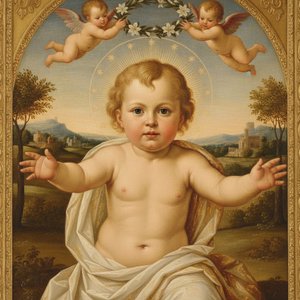
Divine Innocence: A Guide to Capturing the Beauty of Baby Jesus in Fine Art History
Explore the profound beauty of Baby Jesus in fine art history. From Raphael's Renaissance masterpieces to symbolic light, discover how classical painters captured divine innocence through masterful technique and sacred iconography.

Giotto di Bondone: 25 Remek-dela koji definišu renesansu | OriginalUniqueArt
Istražite 25 remek-dela Giotta di Bondonea i otkrijte renesansnu umetnost u punom sjaju. Freske, oltarske slike & istorija italijanske umetnosti na OriginalUniqueArt.com! Reprodukcije vrhunskog kvaliteta za vaš dom.

El Greco: 25 Remek-dela koji definišu Viziju i Duh (Reprodukcije za vaš Dom)
Istražite 25 remek-dela El Greka! Otkrijte priče iza njegovih ikoničnih slika, baroknog stila i duboke spiritualnosti. Reprodukcije vrhunskog kvaliteta za vaš dom na OriginalUniqueArt.com.

Fra Anđeo: 25 Remek-dela Renesansnog Duha za Vaš Dom | OriginalUniqueArt
Uronite u svet Fra Anđela – 25 remek-dela renesansnog slikara. Otkrijte priče iza njegovih čuvenih fresaka i oltarskih slika, inspiracija za enterijer i duhovni mir. Kupite reprodukcije vrhunskog kvaliteta na OriginalUniqueArt.com!