

 Pregledaj u prostoru
 Podeli
 Podeli
 Detalji
 Vodič
Vodič

 Preuzmi sliku
 Slični predmeti
 Rendgenski snimak
 Automatska prezentacija
 Statistika
Up the River During Qingming
 Oil On Canvas
- WallArt
- Ming Dynasty Painting
 1644
1644 34.0 x 804.0 cm
 Nacionalni palata muzej
 Pročitaj više
Giclee štampa / Umetnički otisak
Giclée štampa ili print na platnu muzejskog kvaliteta uz brzu izradu i raznovrsne opcije završne obrade. ( Naručite ručno oslikano reprodukciju Pređi na prodaju digitalnih slika)




P118B дин10

P118H дин10

P118W дин10

P438Z дин10

P508JH дин12

P508YH дин12

P805H дин10

P805Z дин10

P919BZ дин10

P919G дин10

P919XJ дин10

P959ZH дин10

P968JZ дин12

W106C дин8

W218G дин10

W218JH дин8

W218Y дин10

W307PJ дин10

W316G дин10

W316PJ дин8

W316Y дин10

W398PJ дин8

W4111J дин10

W500HY дин15

W500JH дин15

W692G дин12

W849H дин8

W940BG дин15

W953PJ дин8




Izaberite jednu od naših unapred definisanih veličina koje odgovaraju originalnim proporcijama umetničkog dela.

Type the width and the height you need, to fit your frame or your wall. A print can only be cut, never made bigger than the picture, so a size with a different shape loses a part of the image. We send you a digital mockup to approve before we print anything. The picture shown on this page does not show the real cut — only the mockup does.
Dostava širom sveta () za 2 nedelje umesto uobičajenih 4/5 nedelja. (14 октобар)

Besplatna ekspresna dostava širom sveta

Visokokvalitetno laneno platno

Sveobuhvatno osiguranje transporta

Garancija povraćaja carine i uvoznih dažbina

Garancija vernosti boja i autentičnosti pri reprodukciji

Politika povraćaja u roku od 100 dana (samo u slučaju nedostataka)

Garancija povrata 100% novca

Popust pri većoj količini
 Opcija sa staklom dostupna je samo za dimenzije manje od 110 cm

Up the River During Qingming
Giclee štampa / Umetnički otisak
Veličina reprodukcije
-


Ukupna cena
дин 8136
A Glimpse into Imperial Life and Artistic Mastery
“Up the River During Qingming” – a title that conjures images of a vibrant, bustling scene, yet within its painted surface lies a profound meditation on life, death, and the ephemeral beauty of the natural world. Attributed to the masterful Qiu Ying, a painter who defied conventional artistic paths to forge his own legacy during the Ming Dynasty (1494-1552), this handscroll offers an unparalleled window into 17th-century China – a time of immense cultural flourishing and imperial grandeur. More than just a depiction of a river journey, it’s a meticulously crafted tableau that speaks volumes about social hierarchy, artistic innovation, and the enduring fascination with capturing fleeting moments.
The Painter's Journey: From Lacquer to Legend
Qiu Ying’s origins were remarkably unconventional. He began his career not within the established academies of art, but as a lacquer artisan – a skill that instilled in him an extraordinary attention to detail and a deep understanding of color and texture. This early apprenticeship honed his ability to render intricate patterns with precision, a quality that would become hallmarks of his later paintings. He subsequently studied under Zhou Chen in Suzhou, a renowned master who further refined his technique and exposed him to the prevailing artistic trends of the era. Qiu Ying’s journey is a testament to the power of self-directed learning and the diverse paths one can take to achieve artistic greatness.
A Symphony of Color and Technique
The scroll's visual impact is immediately arresting, dominated by a rich palette of mineral pigments – vibrant blues derived from lapis lazuli, shimmering greens sourced from malachite, and fiery reds achieved with cinnabar. Qiu Ying’s technique exemplifies the “gongbi” style, characterized by meticulous brushwork and an almost photographic realism. Notice the incredible detail in the rendering of the buildings lining the riverbank – each tile meticulously depicted, reflecting the opulence of imperial architecture. The water itself is treated with a remarkable fluidity, utilizing layered washes to create an illusion of movement and depth. The use of “wet-on-wet” technique further enhances this effect, blurring the boundaries between foreground and background.
Scenes of Celebration and Social Commentary
“Up the River During Qingming” is not simply a landscape painting; it’s a carefully constructed narrative. The scene unfolds along the Jinming River, teeming with activity as people celebrate the Qingming Festival – a time for honoring ancestors and visiting graves. We see elaborate boat races, lively dance performances, acrobatic displays, and even military reviews, all taking place within the confines of a grand palace complex. These activities are not merely decorative; they subtly comment on the social hierarchy of the time, with the emperor’s presence and lavish displays signifying his authority and power. The inclusion of stage performances suggests an appreciation for entertainment and cultural refinement.
Symbolism and the Ephemeral Nature of Life
Beyond its surface details, “Up the River During Qingming” is imbued with symbolic meaning. The river itself represents the flow of time, while the figures within the scene embody the diverse roles and aspirations of Ming Dynasty society. The meticulous detail with which Qiu Ying depicts the landscape – from the towering willow trees to the meticulously rendered buildings – underscores the importance of harmony between humanity and nature. Ultimately, the painting serves as a poignant reminder of the fleeting beauty of life and the enduring desire to capture it on canvas. It’s a masterpiece that continues to resonate with viewers centuries later, offering a glimpse into a bygone era and inviting us to contemplate our own place within the grand sweep of history.
Pitanja i odgovori
Koji su format i dimenzije dela "Up the River During Qingming"?
„Up the River During Qingming”, Kju Jing je u formatu Landscape dela dimenzija 34 x 804 cm.
Koja veličina printa za „Up the River During Qingming”, Kju Jing najbolje odgovara preporučenoj prostoriji?
U prostoriji kao što je Living Room, za delo "Up the River During Qingming" preporučujemo štampu u veličini od Large.
Koju fazu razvoja umetnika Kju Jing predstavlja delo "Up the River During Qingming"?
U okviru karijere umetnika Kju Jing, delo "Up the River During Qingming" pripada periodu Mature Period. Ova faza omogućava poređenje sa drugim delima ovog umetnika.
Biografija umetnika
Život urezan u potez četkice: Svet Qiu Yinga
Rođen u skromnim okolnostima 1494. godine, u gradu Taicangu, blizu današnje provincije Jiangsu, Qiu Ying je izrastao u jednog od najslavnijih slikara dinastije Ming. Za razliku od mnogih umetnika svog vremena koji su imali koristi od učenog vaspitanja i formalnog obrazovanja unutar utvrđenih umetničkih krugova, put Qiu Yinga bio je izuzetno samostalan. Svoje umetničko putovanje nije započeo tradicionalnim kanalonima, već kao šegrt zanatlije za lak, usavršavajući veštine u detaljnom dekorativnom radu – što je postalo temelj koji će duboko uticati na pedantnu preciznost karakterističnu za njegove kasnije slike. Ovo rano iskustvo u njemu je usadilo majstorstvo linije i boje, kvalitete koje će kasnije prijemiti pod mentorstvom Zhou Chena u Suzhouu, živopisnom kulturnom centru perioda Ming. Upravo u tom dinamičnom okruženju, Qiu Ying je počeo istinski da cveta, upijajući tehnike i razvijajući umetnički glas koji je bio jedinstveno njegov.Majstor svestranosti: Stil i tehnika
Genijalnost Qiu Yinga nije ležala u krutom pridržavanju jedne škole ili stila, već u njegovoj izvanrednoj svestranosti. Dok je Suzhou bio uporište delikatnog slikanja tušem koje je favorizovala škola Wu, Qiu Ying je pokazao izuzetan dar da ovlada i tim suptilnim pristupom i živopisnom, detaljnom gongbi tehnikom. Ova prilagodljivost omogućila mu je da zadovolji raznoliku klijentelu sa različitim ukusima, čime se etablirao kao veoma tražen umetnik. Vešto je spajao ove tehnike, često u svoje kompozicije uključivao elemente zelenog i plavog stila – poznatog po bogatoj koloraciji i zamršeno detaljima. Njegova dela prepoznatljiva su po vrhunskoj rafiniranosti boje, pedantnoj pažnji posvećenoj detaljima i neverovatnoj sposobnosti da dočara kako veličanstvene panoramske pejzaže, tako i intimne, nežno prikazane scene. Ova tehnička virtuoznost nije bila samo pitanje veštine; bila je to umetnost pripovedanja, prenošenja emocija i oživljavanja narativa na svili ili papiru.Pokroviteljstvo i procvat karijere
Karijera Qiu Yinga procvetala je zahvaljujući velikodušnoj podršci bogatih pokrovitelja koji su naručivali dela širokog spektra tema. Slikao je pejzaže prožete atmosferskom perspektivom, religiozne scene koje zrače duhovnom odanošću, nežne prikaze cveća i vrtova koji bujaju životom, kao i upečatljive figurativne kompozicije koje su hvatale samu suštinu svojih subjekata. Među njegovim najslavnijim delima nalaze se majstorska izlaganja poput „Uz reku tokom Qingminga“, inspirisana kultnim originalom iz dinastije Severni Song; „Dama u bambusovoj šumi“, koja prikazuje njegovu veštinu portretiranja elegantnih figura u prirodnom okruženju; „Sedam mudraca bambusove šume“, demonstrirajući njegovo razumevanje klasičnih književnih tema; i „Prolećno jutro u Hanovoj palati“, živopisni prikaz dvorskog života. Ključni pokrovitelji, poput Chen Guana iz Suzhoua, a kasnije Zhou Fenglaija i Xiang Yuanbiana – oba istaknuta kolekcionara umetnina – igrali su presudnu ulogu u podršci njegovim umetničkim poduhvatima, pružajući mu slobodu da istražuje svoju kreativnost i usavršava tehniku.Nasleđe i trajni uticaj
Talent i svestranost doneli su Qiu Yingu mesto među „četiri majstora“ dinastije Ming – što je svedočanstvo njegovog dubokog uticaja na kinesko slikarstvo. On je premostio jaz između tradicionalnih stilova i savremenog ukusa, stvarajući dela koja su bila istovremeno tehnički briljantna i estetski ugodna. Njegove slike odražavaju uticaje ranijih majstora, posebno onih iz dinastije Song, ali je vešto spojio te istorijske predente sa estetikom svog vremena. On nije samo imitirao; on je sintetizovao, inovirao i na kraju stvorio stil koji je bio izrazito njegov. I pored njegovog životnog veka, uticaj Qiu Yinga protezao se na generacije umetnika koji su se divili njegovoj majstorskoj tehnici i inovativnom pristupu. On ostaje slavna figura u istoriji kineske umetnosti, poštovan zbog svoje sposobnosti da uhvati lepotu, prenese značenje i ostavi neizbrisiv trag u umetničkom pejzažu. Čak i danas, njegovo ime krase krater na Merkuru – prikladan omaž umetniku čija je vizija doprla izvan zemaljskih granica. Njegovo nasleđe nastavlja da izaziva strahopoštovanje i divljenje među ljubiteljima umetnosti širom sveta.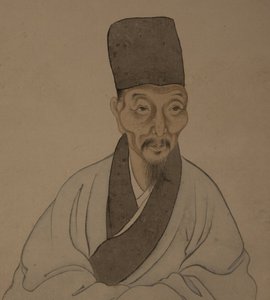
Kju Jing
1494 - 1552 , Kina
Brzi pregled
- Artistic Movement Or Style: Gongbi, Wu škola
- Artists Or Movements Influenced By This Artist: ['Umetnici dinastije Ming']
- Artists Who Influenced This Artist: ['Majstori dinastije Song']
- Date Of Birth: 1494
- Date Of Death: 1552
- Full Name: Qiu Ying
- Nationality: Kineski
- Notable Artworks:
- Uz reku tokom Qingming festivala
- Dama u bambusovoj šumi
- Sedam mudraca iz bambusove šume
- Prolećno jutro u Han palati
- Place Of Birth: Taicang, Kina
Srodni članci
Xie Zhiliu: A Legacy of Ink Wash Painting & Modern Chinese Literati Tradition
Explore the legacy of Xie Zhiliu, a master of Chinese ink wash painting & prominent figure in modern art. Discover his techniques, influences, and contributions to literati tradition. A guide for discerning collectors.
The Timeless Beauty of Chinese Calligraphy: An Exploration of Ink, Spirit, and the Art of the Brush
Embark on a profound journey through the soul of Chinese calligraphy. Explore the historical mastery of ink, brush, and script, from ancient Zhuanshu to elegant running script, and discover how this timeless art form reflects the enduring spirit of classical East Asian aesthetics.

Ephemeral Expressions: Exploring the Nuances of Ink on Paper Through History & Contemporary Art
Explore the captivating world of ink wash painting – from its ancient origins to contemporary masters. Discover techniques, symbolism & conservation insights with OriginalUniqueArt.com.
Pu Xinyu's 'Puru': A Legacy of Literati Painting & Emotional Resonance
Explore the captivating world of Pu Xinyu (Puru), the last great literati painter. Discover his imperial heritage, masterful ink wash techniques & enduring legacy – a valuable addition to any discerning art collection.
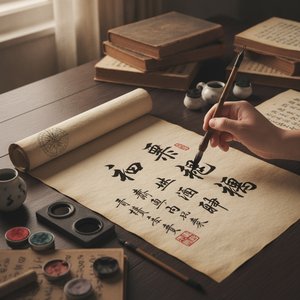
Mastering the Flow: The Timeless Art of Ink on Paper and the Legacy of Calligraphic Mastery
Explore the profound elegance of ink on paper. From the rhythmic running script of the Ming Dynasty to Zen-inspired haiku, discover the history, technique, and meditative mastery behind the world's most timeless calligraphic traditions.