

 Pregledaj u prostoru
 Podeli
 Podeli
 Detalji
 Vodič
Vodič

 Preuzmi sliku
 Slični predmeti
 Rendgenski snimak
 Automatska prezentacija
 Statistika
The Tailor


 Pročitaj više
Ručno rađena uljana reprodukcija
Ručno oslikano uljanim bojama na platnu u dimenzijama i okviru po vašem izboru, izrađeno po porudžbini od strane naših umetnika. ( Pređi na prodaju štampanih primeraka Pređi na prodaju digitalnih slika)




P118B дин10

P118H дин10

P118W дин10

P438Z дин10

P508JH дин12

P508YH дин12

P805H дин10

P805Z дин10

P919BZ дин10

P919G дин10

P919XJ дин10

P959ZH дин10

P968JZ дин12

W106C дин8

W218G дин10

W218JH дин8

W218Y дин10

W307PJ дин10

W316G дин10

W316PJ дин8

W316Y дин10

W398PJ дин8

W4111J дин10

W500HY дин15

W500JH дин15

W692G дин12

W849H дин8

W940BG дин15

W953PJ дин8




Izaberite jednu od naših unapred definisanih veličina koje odgovaraju originalnim proporcijama umetničkog dela.

Unesite širinu i visinu koja vam je potrebna, kako bi se uklopili u vaš ram ili zid. Pošto je ovo ručno oslikano delo, umetnik može naslikati malo više prostora oko slike ili malo skratiti ivice za dimenzije drugačijeg oblika — izbor je na vama. Pre početka rada, poslaćemo vam digitalni prikaz radi potvrde. Slika prikazana na ovoj stranici ne predstavlja konačan rezultat — samo digitalni prikaz pokazuje stvarnu sliku.
Nakon narudžbine, tim OriginalUniqueArt.com će klijentu putem e-pošte poslati uputstva i dostaviti prikaz predloženog rešenja
Svetska isporuka () za 3/4 nedelje umesto uobičajenih 5 nedelja. (25 октобар). Bez kompromisa po pitanju kvaliteta.

Besplatna ekspresna dostava širom sveta

Visokokvalitetno laneno platno

Sveobuhvatno osiguranje transporta

Garancija povraćaja carine i uvoznih dažbina

Garancija vernosti boja i autentičnosti pri reprodukciji

Politika povraćaja u roku od 100 dana (samo u slučaju nedostataka)

Garancija povrata 100% novca

Popust pri većoj količini
 Opcija sa staklom dostupna je samo za dimenzije manje od 110 cm

The Tailor
Tehnika izrade reprodukcije
Veličina reprodukcije
-


Ukupna cena
дин 38665
A Glimpse into Venetian Life: Pietro Longhi’s “The Tailor”
Pietro Longhi's "The Tailor," painted in 1741, isn’t merely a portrait; it’s a meticulously crafted window into the bustling, sophisticated world of 18th-century Venice. Often dubbed the ‘Venetian Hogarth,’ Longhi possessed a remarkable talent for capturing the everyday dramas and social nuances of his time – a departure from the grand historical narratives favored by many of his contemporaries. This particular work, housed within the Gallerie dell’Accademia in Venice, offers an intimate study of bourgeois society, revealing a keen eye for detail and a subtle, often satirical, commentary on the era's customs and values.
The scene unfolds within a richly appointed interior, characteristic of Rococo design – a style defined by its opulence, elegance, and focus on refined leisure. The composition centers around a family group, presided over by a man presumably engaged in overseeing the work of a tailor. A young girl stands beside him, while a servant attends to their needs. The figures are arranged with a deliberate formality, yet there’s an undeniable sense of relaxed intimacy, suggesting a domestic setting of considerable wealth and status. The linear precision of the architecture – the fireplace, wall paneling, and even the folds of clothing – is balanced by the organic forms of the human figures and the luxurious drapery that dominates the space.
The Art of Venetian Genre Painting
Longhi’s genius lay in his specialization in *genre* paintings—a genre largely pioneered by artists like Giuseppe Maria Crespi. Unlike the idealized portraits or mythological scenes prevalent at the time, Longhi focused on capturing ordinary life: gambling dens, fashionable salons, and the interactions of everyday Venetians. This shift reflected a broader cultural trend – a growing interest in the private sphere and the lives of the middle classes. His work provides invaluable insight into the social customs, fashion trends, and even the gossip of the time, offering a remarkably detailed portrait of Venetian society.
The painting’s technique is a testament to Longhi's mastery of oil paint. Notice the meticulous layering of colors, creating a remarkable sense of texture – from the velvet upholstery to the shimmering fabric of the tailor’s garment. The use of light is particularly effective, casting subtle shadows that add depth and volume to the figures and objects within the scene. The slightly flattened perspective, typical of portraiture during this period, prioritizes clarity of form over strict realism, allowing Longhi to convey a sense of immediacy and engagement.
Symbolism and Social Commentary
Beyond its aesthetic qualities, “The Tailor” is rich in symbolic meaning. The presence of the portrait on the wall – depicting a male ancestor – immediately establishes a lineage of wealth and status. The elaborate clothing worn by the family members signifies their social standing and access to luxury. However, Longhi doesn’t simply present a straightforward celebration of wealth; there's an underlying current of observation and perhaps even gentle critique. The slightly bewildered expression on the young girl’s face, coupled with the servant’s attentive posture, hints at the complexities of social roles and expectations within this privileged household.
The inclusion of the tailor himself is particularly noteworthy. He represents a skilled artisan – a vital part of Venetian society – yet he's presented as somewhat detached from the family's immediate concerns. This subtle positioning suggests a commentary on the relationship between labor, wealth, and social hierarchy. Furthermore, the painting’s numerous faceless figures—often masked—add another layer of intrigue, hinting at the hidden realities and unspoken conversations that likely transpired behind closed doors in this opulent setting.
A Legacy of Venetian Observation
Pietro Longhi's “The Tailor” stands as a quintessential example of Venetian genre painting – a vibrant snapshot of daily life captured with remarkable skill and insight. His work, alongside that of his contemporaries like Canaletto and Guardi, offers an unparalleled glimpse into the social fabric of 18th-century Venice. Longhi’s legacy extends beyond individual masterpieces; he fundamentally shifted the focus of Venetian painting, moving away from grand historical narratives towards a more intimate and nuanced exploration of human experience. Reproductions of this captivating work continue to resonate with art lovers today, offering a timeless reminder of the beauty and complexity of everyday life.
Pitanja i odgovori
Postoji li informativni list o delu „The Tailor”, Пјетро Лонги namenjen studentima?
Dostupna je Vodič stranica za „The Tailor”, Пјетро Лонги: štampani informativni list o umetničkom delu, dizajniran za učenike i upotrebu u učionici.
Kakav osećaj izazivaju boje dela „The Tailor”, Пјетро Лонги?
Paleta Earthy dela „The Tailor”, Пјетро Лонги skladno se uklapa sa njegovim Nostalgic emocionalnim tonom. Boja je jedan od načina na koji umetničko delo prenosi osećaj.
Kako mogu da otkrijem dela koja su slična delu „The Tailor”, Пјетро Лонги?
Stranica Slična dela za delo „The Tailor”, Пјетро Лонги prikazuje srodna umetnička dela.
Biografija umetnika
Хроничар венецијанског живота
Пјетро Лонги, рођен као Пјетро Фалка у Венецији 5. новембра 1701. године, није сликао велике историјске наративе или митолошке сцене; он је бележио тиху драму која се одвијала у елегантним кућама и прометним улицама града. Постао је познат по својим духовитим жанровским сликама – интимним призорима из живота венецијанских грађана 18. века, што је било одступање од преовлађујућих уметничких трендова његовог времена. Син Алесандра Фалке, златара, Лонгијево рано школовање започело је под руководством Веронског сликара Антонија Балестре, који је препознао и неговао таленат младог уметника. Овај темељ традиционалне технике касније ће служити као суптилни контрапункт иновативном духу који је донео својој одабраној теми. Усвојио је презиме “Лонги” када је започео уметничку каријеру, симболично скидање очевог заната ради потраге за сликањем.Од религиозних сцена до венецијанских ентеријера
Почетни Лонгијеви радови одражавали су очекивања епохе: олтарске слике и религиозне теме доминирале су његовим раним портфолијом. Његова олтаска слика из 1732. године за цркву Сан Пелегрино демонстрира вешту команду традиционалних техника, показујући сломљену четкицу и живописне глазуре карактеристичне за венецијанско сликарство. Међутим, тек крајем 1730-их Лонги је заиста пронашао свој глас, прелазећи на мале жанровске сцене које су дефинисале његово наслеђе. Ова транзиција није била само промена у предмету; представљала је намерно укључивање у растуће друштвене и културне промене времена. 18. век је био сведок растуће фасцинације приватним животима буржоазије, фокуса на кућну атмосферу и свакодневне ритуале. Лонги је мајсторски заплео ову промену, пружајући гледаоцима увид у венецијанско друштво који је био шармантан и суптилно сатиричан. Оженио се Катерином Маријом Ризи 1732. године, а заједно су имали једанаест деце, од којих је само троје преживело зрело доба. Њихов лични живот, иако није директно рефлектован у његовој уметности, несумњиво је обликовао његово разумевање кућне сфере коју је тако често приказивао.“Венецијански Хогарт” и сатирично око
Лонги је брзо стекао надимак “венецијански Вилијам Хогарт”, што је сведочење његове способности да упризорима који се чине неважним унесе слојеве друштвеног коментара. Као и Хогарт, Лонги није избегавао приказивање људских слабости и друштвених контрадикција. Међутим, док је Хогартова сатира често била оштра и морализаторска, Лонгијева је тежила да буде нијансиранија, прожета благом иронијом. Његове слике су насељени маскираним фигурама – кимнуће главом на свеприсутне карневалске прославе у Венецији – укљученим у различите активности, од коцкања и флирта до тајних састанака и сумњивих трансакција. Писмо, на пример, представља сцену пуну имплициране непристојности, намећући скривене подструје венецијанског друштва. Он није једноставно бележио живот какав је био; нудио је лукав коментар о његовој сложености и контрадикцијама. Његова способност да заплете ове суптилности је то што га издваја, уздижући његове жанровске сцене изван саме документације у проницљива друштвена запажања.Техника, утицаји и трајно наслеђе
Лонгијева техника била је јединствена као и његова тема. Преферирао је мале платне, педантски рендероване са деликатним додиром и оштрим оком за детаље. Његови ентеријери су купани у мекој светлости, стварајући атмосферу интимности и реализма. Имао је изузетну способност да прикаже текстуре – сјај свиле, грубоћу дрвета, деликатне наборе тканине – додајући дубину и аутентичност својим сценама. Под утицајем ранијих венецијанских мајстора као што је Ђузепе Марија Креспи, Лонги је креирао свој пут, предвиђајући касније развоје у жанровском сликању. Његов рад је одзвањао код савремене публике, која је ценила његову способност да заплете дух свог времена. Чак је служио као директор Академије цртања и вајања од 1763. године, што је додатно учврстило његов положај у венецијанском свету уметности. Његов син, Алесандро Лонги, такође је постао сликар, помажући му у каснијим портретским поруџбинама. Пјетро Лонги је преминуо 8. маја 1785. године, оставивши иза себе корпус дела који наставља да очарава и интригира гледаоце данас. Остаје важна фигура у историји венецијанске уметности, слављен по својој јединственој мешавини опажања, духовитости и техничке вештине – правом хроничару живота 18. века.Позната дела
- Кројач (Gallerie dell'Accademia, Венеција)
- Крштење (Fondazione Querini Stampalia, Венеција)
- Сликар у свом атељеу (Ca’ Zenobio, Венеција)
- Концерт
- Шарлатан
- Изложба носорога (National Gallery, Лондон)

Пјетро Лонги
1701 - 1785 , Србија
Brzi pregled
- Artistic Movement Or Style: Venecijansko slikarstvo, Rokoko
- Artists Or Movements Influenced By This Artist: ['William Hogarth']
- Artists Who Influenced This Artist:
- Antonio Balestra
- Giuseppe Crespi
- Date Of Birth: 5. novembar 1701.
- Date Of Death: 8. maj 1785.
- Full Name: Pietro Longhi
- Nationality: Italijan
- Notable Artworks:
- Krojač
- Krštenje
- Slikar u ateljeu
- Place Of Birth: Venecija, Italija
Srodni članci

Pietro Longhi's Venetian Scenes: A Study of Rococo Society & Domestic Life
Explore the captivating world of Pietro Longhi's Venetian scenes! Discover insightful analysis of his Rococo masterpieces & social commentary on 18th-century life. Learn about this 'Venetian Hogarth' and his lasting artistic legacy.

Rokoko: 10 Remek Dela Koja Su Definisala Eleganciju i Ukus
Otkrijte 10 remek dela koja su definisala rokoko umetnost! Uronite u svet Boucher-a, Watteau-a i Fragonarda. Istorija, stil i inspiracija za vaš dom. Kvalitetne reprodukcije i kuratorski odabiri na OriginalUniqueArt.com!

Francesco Guardi: Venetian Light, Atmospheric Perspective & the Rococo to Neoclassical Transition
Explore the captivating world of Francesco Guardi, master of Venetian light and atmosphere. Discover his transition from Rococo to Neoclassicism, influence on Impressionism & investment potential with OriginalUniqueArt.
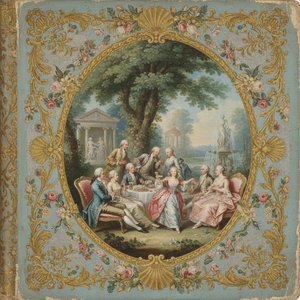
The Rococo Style: Aristocratic Leisure & the Pursuit of Delight in 18th-Century Art
Explore the opulent world of Rococo art! Discover Watteau, Boucher & Nattier's masterpieces. Expert insights for collectors seeking museum-quality reproductions and custom portraits at OriginalUniqueArt.

The Rococo Aesthetic: Opulence, Rebellion & the Pursuit of Pleasure in 18th-Century Art
Explore the opulent world of Rococo art! Discover its origins, key artists like Watteau & Boucher, and lasting influence on design. Expert insights for collectors & enthusiasts.