

 Pregledaj u prostoru
 Podeli
 Podeli
 Detalji
 Vodič
Vodič

 Preuzmi sliku
 Slični predmeti
 Rendgenski snimak
 Automatska prezentacija
 Statistika
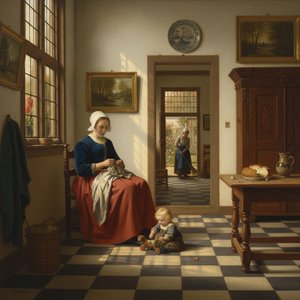
Interior with Figures
 Oil
Oil- WallArt
- Baroque Interior Scene
 1663
1663- Early Modern
 58.0 x 69.0 cm
 Metropolitan Museum of Art
 Pročitaj više
Giclee štampa / Umetnički otisak
Giclée štampa ili print na platnu muzejskog kvaliteta uz brzu izradu i raznovrsne opcije završne obrade. ( Naručite ručno oslikano reprodukciju Pređi na prodaju digitalnih slika)




P118B дин10

P118H дин10

P118W дин10

P438Z дин10

P508JH дин12

P508YH дин12

P805H дин10

P805Z дин10

P919BZ дин10

P919G дин10

P919XJ дин10

P959ZH дин10

P968JZ дин12

W106C дин8

W218G дин10

W218JH дин8

W218Y дин10

W307PJ дин10

W316G дин10

W316PJ дин8

W316Y дин10

W398PJ дин8

W4111J дин10

W500HY дин15

W500JH дин15

W692G дин12

W849H дин8

W940BG дин15

W953PJ дин8




Izaberite jednu od naših unapred definisanih veličina koje odgovaraju originalnim proporcijama umetničkog dela.

Unesite širinu i visinu koja vam je potrebna, kako bi se uklopili u vaš ram ili na vaš zid. Štampa se može samo iseći, nikada ne može biti veća od originalne slike, stoga format sa drugačijim proporcijama gubi deo slike. Poslaćemo vam digitalni prikaz radi potvrde pre nego što započnemo štampu. Slika prikazana na ovoj stranici ne pokazuje stvarni rez — to pokazuje samo digitalni prikaz.
Dostava širom sveta () za 2 nedelje umesto uobičajenih 4/5 nedelja. (22 октобар)

Besplatna ekspresna dostava širom sveta

Visokokvalitetno laneno platno

Sveobuhvatno osiguranje transporta

Garancija povraćaja carine i uvoznih dažbina

Garancija vernosti boja i autentičnosti pri reprodukciji

Politika povraćaja u roku od 100 dana (samo u slučaju nedostataka)

Garancija povrata 100% novca

Popust pri većoj količini
 Opcija sa staklom dostupna je samo za dimenzije manje od 110 cm

Interior with Figures
Giclee štampa / Umetnički otisak
Veličina reprodukcije
-


Ukupna cena
дин 8200
A Window into the Dutch Golden Age
In the quiet, sun-drenched corners of the seventeenth century, Pieter de Hooch captured moments that felt both fleeting and eternal. His masterpiece, "Interior with Figures," painted in 1663, serves as a profound window into the heart of the Dutch Golden Age. This is not merely a painting of a room; it is an invitation into a private world of domestic tranquility and social connection. As we gaze upon the scene, we find ourselves standing alongside the figures, witnessing a gentle gathering that transcends the centuries. The composition centers on a woman seated at a dining table, surrounded by three companions, their presence suggesting a shared meal or a moment of convivial respite. Through De Hooch’s lens, the mundane act of sitting together becomes a sacred ritual of companionship.
The brilliance of this work lies in its masterful command of chiaroscuro—the delicate interplay between light and shadow. De Hooch was a virtuoso of atmosphere, using light not just to illuminate subjects, but to sculpt the very air within the room. A soft, luminous glow seems to permeate the space, catching the edges of the figures and casting gentle shadows that lend a remarkable sense of three-dimensional depth to the canvas. This technique creates an optical illusion so convincing that one can almost feel the warmth of the afternoon sun filtering through a nearby window. For the discerning collector or interior designer, this ability to manipulate light makes the piece a transformative element for any space, capable of adding a layer of sophisticated warmth and luminous texture to a room.
Symbolism and the Beauty of the Everyday
Beyond its technical prowess, "Interior with Figures" is rich with the quiet symbolism characteristic of Dutch genre painting. Every element within the frame serves a purpose in telling a story of prosperity and communal harmony. The bowl resting upon the tabletop is far more than a simple still-life detail; it acts as a symbol of nourishment, hospitality, and the abundance found within a well-ordered home. During this era, the rising middle class sought to celebrate their stability and values through art that honored the domestic sphere. De Hooch captures this perfectly, elevating the everyday routines of bourgeois life to the level of high art. The arrangement of the figures—one man to her left and two others to her right—creates a balanced, harmonious composition that mirrors the social order and peace of the period.
For those looking to bring a sense of historical depth and emotional resonance into their homes, this painting offers an unparalleled connection to the past. It evokes a feeling of nostalgia for a slower, more intentional way of life. The meticulous brushwork captures the subtle textures of fabric, wood, and ceramic, inviting the viewer to linger on the fine details. Whether displayed in a grand gallery or as a focal point in a contemporary living space, a high-quality reproduction of this work serves as a testament to the enduring power of human connection and the quiet beauty found in the most ordinary of moments.
Pitanja i odgovori
Na koju fazu karijere umetnika Питер Де Хух odgovara datum 1663 za delo "Interior with Figures"?
Datum 1663 smešta "Interior with Figures" u Mature Period razvoja umetnika Питер Де Хух.
Kakav je emocionalni ton dela „Interior with Figures”, Питер Де Хух?
Emocionalni ton zabeležen za „Interior with Figures”, Питер Де Хух je Calm. On sažima osećaj koji ovo delo izražava.
Kakvu atmosferu donosi „Interior with Figures”, Питер Де Хух u enterijer?
Delo „Interior with Figures”, Питер Де Хух odiše Elegant atmosferom i preporučuje se za Living Room. Raspoloženje je ono što umetničko delo unosi u prostor oko sebe.
Biografija umetnika
rani život i umetničko obrazovanje
Pieter de Hooch, istaknuta figura holandskog zlatnog doba, rođen je 20. decembra 1629. godine u Roterdamu, u Holandiji. Bio je najstariji od petoro dece Hendrika Hendricksza de Hoocha, zidarа, i Anetge Pieters, koja je bila pratilja pri porođaju. Iako su detalji o njegovom ranom životu retki, veruje se da je stvarao u Rotterdamu, Delftu i Amsterdamu. Njegovo umetničko obrazovanje odvijalo se u Haarlemu pod mentorstvom pejzažnog slikara Nicolaesa Berchema, zajedno sa Jacobom Ochterveltom. Upravo je ovaj period postavio temelje za njegov budući uspeh kao majstora tihih, porodičnih scena koje krase otvorena vrata i prolazi.umetnički stil i teme
De Hoochovo delo prepoznatljivo je po neverovatnoj pažnji posvećenoj detaljima, naturalizmu i virtuoznom korišćenju svetlosti. Njegova slika često su prikazivala svakodnevni život, odražavajući vrednosti i težnje tadašnje uspensvene srednje klase. Izuzetan primer ovog stila je "Dvorište kuće u Delftu" (1658), koje svedoči o njegovoj sposobnosti da uhvati najobičnije detalje svakodnevice. Iako njegovo delo deli teme i kompozicije sa radom umetnika kao što je Emanuel de Witte, fokus na ljude i njihove međusobne odnose izdvaja ga od ostalih. To je jasno vidljivo u delima kao što su "Žena koja doji" (1658) i "Žena sa bebom u krilu" (1658), koja demonstriraju njegov duboki interes za intimne, kućne prizore.značajna dela i nasleđe
Njegov umetnički trag ostao je zabeležen kroz neka od najupečatljivijih dela koja uključuju:- "Vesele piće" (oko 1650.)
- "Igrači karata u sunčano osvetljenoj sobi" (1658)
- "Žena koja priprema hleb i puter za dečaka" (1661)
muzeji i kolekcije
Dela ovog majstora mogu se pronaći u brojnim svetskim muzejima, uključujući Koninklijk Museum voor Schone Kunsten u Antverpenu, Belgija, koji čuva ogromnu kolekciju evropske umetnosti od 15. do 20. veka. Otkrijte više o Pieteru de Hoochu i njegovim delima na OriginalUniqueArt: [https://OriginalUniqueArt.com/@/pieter-de-hooch](https://OriginalUniqueArt.com/@/pieter-de-hooch) /sr/art/show/art-d3b4kt-sr/ (istražite remek-dela iz Koninklijk Museum voor Schone Kunsten, Belgija)
Питер Де Хух
1629 - 1694 , Србија
Brzi pregled
- Artistic Movement Or Style: Делфтска школа
- Artists Or Movements Influenced By This Artist: ['Јан Вермер']
- Artists Who Influenced This Artist: ['Николас Беркем']
- Date Of Birth: 20. децембар 1629.
- Date Of Death: 1694.
- Full Name: Питер Хендриксзон де Хоох
- Nationality: Холандски
- Notable Artworks:
- Весели пијач
- Карташи у соби
- Жена спрема хлеб
- Place Of Birth (City And Country): Ротердам, Холандија
Srodni članci

Барокна драма: Уношење величине и емоција у савремене ентеријере
Откријте барокну драму и унесите величину у ваш ентеријер! OriginalUniqueArt нуди ручно насликане репродукције, персонализоване портрете и стручне консултације за љубитеље класичне уметности. Потражите савршено дело већ данас!

Francisco Goya: 25 Remek-dela Španskog Majstora za Vaš Dom | OriginalUniqueArt
Istražite 25 remek-dela Francisca Goya, španskog slikara romantizma i impresionizma. Portreti, tamne slike & istorija umetnosti na OriginalUniqueArt.com! Kupite reprodukcije slika vrhunskog kvaliteta za dekoraciju enterijera. Otkrijte celu kolekciju online.

Golden Age Reflections: Dutch Baroque Painting & Cultural Innovation
Explore the Dutch Golden Age of painting! Discover key artists like Vermeer & ter Borch, their innovative techniques, and the rich cultural context behind these Baroque masterpieces. Learn about collecting & appreciating this iconic art period.

Dutch Baroque Masters: 10 Paintings That Shaped an Era | OriginalUniqueArt
Journey through the Golden Age with our guide to the Top 10 Dutch Baroque masterpieces! Explore iconic paintings by Rembrandt, Vermeer & Frans Hals. Find museum-quality art reproductions and elevate your home decor at OriginalUniqueArt.com.
Pieter de Hooch: Illuminating Dutch Domestic Life & Golden Age Charm
Explore the captivating world of Pieter de Hooch, a master of Dutch Golden Age painting. Discover his innovative use of light, intimate domestic scenes, and lasting influence on art history. Learn more at OriginalUniqueArt.
