
 Pregledaj u prostoru
 Pošalji
 Podeli
 Detalji o delu
 Vodič
Vodič

 Preuzmi
 Slični predmeti
 Rendgenski snimak
 Automatska prezentacija
 Pitanja i odgovori
 Statistika
Market Scene

- 91.0 x 112.0 cm


 Pročitaj više
Giclee štampa / Umetnički otisak
Giclée štampa ili print na platnu muzejskog kvaliteta uz brzu izradu i raznovrsne opcije završne obrade. ( Kupite ručno oslikano delo Pređi na digitalnu sliku)




P118B дин10

P118H дин10

P118W дин10

P438Z дин10

P508JH дин12

P508YH дин12

P805H дин10

P805Z дин10

P919BZ дин10

P919G дин10

P919XJ дин10

P959ZH дин10

P968JZ дин12

W106C дин8

W218G дин10

W218JH дин8

W218Y дин10

W307PJ дин10

W316G дин10

W316PJ дин8

W316Y дин10

W398PJ дин8

W4111J дин10

W500HY дин15

W500JH дин15

W692G дин12

W849H дин8

W940BG дин15

W953PJ дин8




Izaberite jednu od naših unapred definisanih veličina koje odgovaraju originalnim proporcijama umetničkog dela.

Unesite željenu širinu i visinu kako bi se štampa uklopila u vaš ram ili zid. Štampu je moguće samo iseći, ali nikada povećati iznad dimenzija originalne slike, stoga format sa drugačijim proporcijama uzrokuje gubitak dela slike. Pre početka štampe, poslaćemo vam digitalni prikaz radi potvrde. Slika prikazana na ovoj stranici ne predstavlja stvarni isrez — to pokazuje samo digitalni prikaz.
Dostava širom sveta () za 2 nedelje umesto uobičajenih 4/5 nedelja. (3 новембар)

Besplatna ekspresna dostava širom sveta

Visokokvalitetno laneno platno

Potpuno osiguranje transporta

Garancija povraćaja carine i uvoznih dažbina

Garancija vernosti boja

Politika povraćaja u roku od 100 dana (samo u slučaju nedostataka)

Garancija povrata 100% novca

Popust na više proizvoda
 Opcija sa staklom dostupna je samo za dimenzije manje od 110 cm

Market Scene
Giclee štampa / Umetnički otisak
Dimenzije reprodukcije
-


Ukupna cena
дин 8487
A Symphony of Everyday Life: The World of Pieter Aertsen
In the bustling heart of a sixteenth-century marketplace, where the scent of fresh produce meets the vibrant energy of human commerce, lies the soul of Pieter Aertsen’s Market Scene. This masterpiece serves as more than a mere depiction of trade; it is a profound window into the Northern Renaissance, capturing a moment where the mundane and the monumental collide. As viewers gaze upon the crowded stalls and the focused figures navigating the square, they are invited into a meticulously constructed miniature world. Aertseb, often referred to as "Lange Piet," possessed an unparalleled ability to elevate the domestic narrative, transforming a simple gathering of merchants and peasants into a complex tapestry of human existence that resonates with timeless vitality.
The composition is anchored by a striking central figure—a man seated with a quiet, contemplative gravity, cradling a birdcage filled with life. This focal point acts as an emotional anchor amidst the surrounding movement. Around him, the marketplace breathes; figures lean into conversation, others tend to their wares, and the subtle presence of a hat-clad onlooker adds layers of social depth. The scene is rich with the tactile delights of the era: the smooth sheen of polished metal, the rustic texture of wooden bowls, and the delicate glint of glass bottles. For the discerning collector or interior designer, this painting offers a sense of grounded luxury, bringing an atmosphere of historical richness and organic warmth to any curated space.
Mastery of Technique and the Art of Realism
Aertsen’s technical prowess is nothing shortable of extraordinary, representing a pivotal bridge between the stylized elegance of Mannerism and the burgeoning observational truth of Realism. Utilizing oil on canvas, the artist employed a sophisticated method of applying thin, translucent glazes to achieve a luminous color palette. This technique allows light to appear as if it is emanating from within the objects themselves, lending a breathtaking glow to the fruits, vegetables, and utensils scattered throughout the scene. His command over texture is particularly noteworthy; one can almost feel the rough grain of the market stalls and the cool weight of the ceramic cups.
This dedication to accuracy was revolutionary for his time. While his predecessors often favored exaggerated proportions and artificiality, Aertsen embraced the beauty of the tangible. He pioneered a style where the "lower" subject matter—the food, the tools, and the people—takes center stage with such incredible detail that it demands reverence. This approach does not merely document a scene; it celebrates the sensory experience of living. For those seeking to adorn a home with art that inspires a connection to the physical world, Aertsen’s work provides an unparalleled sense of presence and substance.
Symbolism and the Legacy of the Northern Renaissance
Beyond its surface beauty, the Market Scene is steeped in the symbolic language characteristic of the Flemish tradition. In the works of Aertsen, every object carries a potential weight of meaning. The abundance of food and the lively birds within the cage can be interpreted as metaphors for fertility, the fleeting nature of life, or even hidden religious allegories that were common in the Antwerp school. He was a master of "inversion," a technique where he would place a grander, often biblical narrative in the distant background, forcing the viewer to first confront the reality of the material world before discovering the spiritual truth hidden within it.
This layering of meaning ensures that the painting remains intellectually stimulating long after the initial visual impact has faded. It is an artwork that rewards slow looking and deep contemplation. As a high-quality reproduction, this piece serves as a magnificent conversation starter, offering both aesthetic splendor and historical depth. Whether placed in a sunlit gallery or a sophisticated study, Aertsen’s vision of the marketplace continues to enchant, reminding us that there is profound beauty and infinite complexity to be found in the simplest moments of our daily lives.
Pitanja i odgovori
Koja je paleta boja u delu "Market Scene"?
„Market Scene”, autor Pieter Aertsen koristi Earthy paletu boja. Ova paleta sažima opšti koloristički karakter dela.
Šta predstavlja delo "Market Scene"?
„Market Scene”, autor Pieter Aertsen prikazuje: man, birds, bird cage, people, marketplace, buildings, bowl, cup.
Koja veličina printa za „Market Scene”, autor Pieter Aertsen najbolje odgovara preporučenoj prostoriji?
Za Living Room, preporučena veličina štampe dela „Market Scene”, autor Pieter Aertsen je Large.
Biografija umetnika
Pieter Aertsen: Arhitekta svakodnevne naracije
Pieter Aertsen, ime koje se često izgovara s poštovanjem u hodnicima istorije umetnosti, predstavlja ključnu figuru koja je premostila jaz između severnog manierizma i uzbudljivog realizma holandskog zlatnog doba. Rođen u Amsterdamu oko ente 1508. godine, a tragično preminuo u istom gradu 1575. godine, Aertsenovo nasleđe nije definisano grandioznim religioznim porudžbinama ili herojskim portretima, već njegovim revolucionarnim pristupom žanrovskoj slikarstvu – namernim uzdizanjem svakodnevnog života, prožetog slojevima simbolike i narativne dubine. On nije samo prikazivao scene; on je konstruisao minijaturne svetove, pozivajući posmatrače u složeni tapiseriju ljudskog iskustva.
Aertsenovo rano obrazovanje pod vođstvom Allaerta Claez-a pružilo mu je čvrste osnove tradicionalnih flamantskih tehnika. Ipak, upravo je njegovo preseljenje u Antverp, vibrantno srce umetničkih inovacija sredinom eks 16. veka, uistinu oblikovalo njegov prepoznatljiv stil. Užarena atmosfera Antverpa, njegova raznolika populacija i položaj raskrsnice evropske trgovine podstakli su okruženje spremno za eksperimentisanje – što je predstavljalo oštar kontrast strogo definisanim religioznim konvencijama tog vremena. Ovde se pridružio prestižnoj Svetoj Luci gildiji, stekavši nadimak „Langhe Peter“, ili Visoki Peter, što je odražavalo njegov impresivni izgled, detalj koji je često uključivao i u svoje portrete.
Izum monumentalnog žanra
Najznačajniji doprinos Aertsena umetnosti leži u njegovom pionirskom radu – stvaranju onoga što je danas prepoznato kao monumentalne žanrovske scene. Za razliku od ranijih prikaza domaćeg života koji su bili svedeni na manje, sekundarne prostore unutar religioznih kompozicija, Aertsen je svakodnevne aktivnosti — trgovačke scene, mesarske radnje, mrtvu prirodu — postavio direktno u prvi plan svojih platna. Ovo nije bio samo pomak u temi; predstavljalo je fundamentalnu promenu umetničkih prioriteta. On je namerno zamaglilo granice između različitih žanrova – mrtve prirode, pejzaža i naracije – stvarajući složene kompozicije koje su zahtevale aktivno angažovanje posmatrača.
Njegov najpoznatiji primer, Mesarska radnja sa Bekstvom u Egipat (1551), oličuje ovaj revolucionarni pristup. Scenom dominira pedantno prikazani mesarski štand koji se izlijeva mesom, povrćem i alatima – zapanjujuće detaljna mrtva priroda koja odmah privlači pažnju gledalaca. Ipak, suptilno isprepleteni u ovom naizgled običnom okruženju nalaze se elementi biblijske priče: Sveta porodica bežeći u Egipat, prikazana u minijaturi na malom panelu iznad šanka. Ovakvo slojevitost stvarnosti — opipljiv svet trgovine postavljen naspram duhovnog carstva vere — postala je zaštitni znak Aertsenovog rada i duboko uticala na generacije umetnika koji su došli nakon njega.
Simbolika i jezik predmeta
Aertsenove scene nisu samo vizuelno upečatljive; one su bogate simboličkim značenjem. Svaki predmet, svaki gest, nosi težinu i doprinosi širem narativu ili moralnoj komentari. Raspored predmeta unutar mrtve prirode, na primer, mogao je predstavljati zemaljska zadovoljstva naspram duhovnih nagrada, bogatstvo naspram siromaštva, ili čak prolaznost vremena. Mesarska radnja je posebno opterećena simbolikom: obilje hrane predstavlja svetsku prosperitet, dok prisustvo ostriga i dagnji – povezanih sa požudom – služi kao poučna priča.
Štaviše, Aertsen je crpeo inspiraciju iz ranijih umetnika poput Joachim Patinira, koji je pionirski uveo elemente pejzaža u religiozne scene kako bi stvorio atmosfersku dubinu i vizuelni interes. Aertsen je usvojio ovu tehniku, integrišući minijaturne pejzaže — crkveni prozor, pastoralnu scenu — u svoje žanrovske kompozicije, dodatno proširujući obim svojih naracija i pozivajući posmatrače da istovremeno kontempliraju više stvarnosti.
Uticaj i nasleđe
Uticaj Pietera Aertsena na naredne generacije umetnika je neosporan. Njegov inovativni pristup žanrovskom slikarstvu otvorio je put usponu holandske mrtve prirode kao posebnog umetničkog žanra, utičući na figure poput Jana Sandersa van Hemessena i, što je presudno, njegovog sina, Pietera Pietersza Mlađeg. Aertsenov naglasak na realističnom detalju, u kombinaciji sa njegovom majstorskom upotrebom simbolike i narativnog slojevanja, postavio je presedan kasnijim umetnicima koji su težili da uhvate složenost svakodnevnog života.
Još nevjerojatnije, Aertsenov rad je predvidio razvoj u italijanskom slikarstvu. Renesansni humanist Hadrianus Junius uporedio je Aertsena sa Peiraikosom, drevnim grčkim slikarom koji je bio slavljen zbog svoje sposobnosti da prikaže obične teme sa izvanrednim realizmom i simboličkom dubinom. Ovo poređenje je naglasilo Aertsenovu pionirsku ulogu u izazivanju tradicionalnih umetničkih konvencija i uzdizanju statusa žanrovskog slikarstva.
Uprkos uništenju mnogih njegovih dela tokom ikonoklazme Beeldenstorm (pokreta za razbijanje ikona tokom protestantske reformacije) u Amsterdamu, Aertsenovo nasleđe opstaje. Njegove slike nastavljaju da fasciniraju istoričare umetnosti i gledaoce, nudeći uvid u svet u kojem ono obično postaje duboko, a svakodnevni život se transformiše u bogatu tapiseriju značenja.

Pieter Aertsen
1508 - 1575 , Holandija
Osnovne informacije
- Artistic Movement Or Style: Severni manierizam
- Artists Or Movements Influenced By This Artist:
- Joachim Patinir
- Flamanski barok
- Artists Who Influenced This Artist: ['Allaert Claesz']
- Date Of Birth: 1508, Amsterdam
- Date Of Death: 1575, Amsterdam
- Full Name: Pieter Aertsen
- Nationality: Holandski
- Notable Artworks:
- Mesarija (Uppsala)
- Trgovkinja...
- Različni oltari
- Place Of Birth: Amsterdam, Holandija
Povezani članci

Chiaroscuro and Character: A Definitive Guide to Light and Shadow in the Dutch Baroque Era
Explore the dramatic mastery of the Dutch Baroque era. Discover how masters like Rembrandt used chiaroscuro to transform everyday life into timeless art. An expert guide for collectors and enthusiasts seeking to understand the profound interplay of light and shadow.

Northern Mannerism: The Dramatic Evolution of European Art through Elegant Distortion and Tension
Explore the dramatic evolution of Northern Mannerism. Discover how 16th-century artists moved from Renaissance harmony to elegant distortion, tension, and complex symbolism in European art history.

25 Must-See Masterpieces at the Mauritshuis: A Journey Through Dutch Golden Age Art
Step into the Dutch Golden Age with our curated guide to the 25 greatest masterpieces at the Mauritshuis. From Vermeer’s luminous light to Rembrandt’s drama, explore the stories behind these iconic works and find museum-quality art inspiration. Discover all masterpieces on OriginalUniqueArt.com.

Elegance & Distortion: A Cultural Reflection on the Captivating World of Northern Mannerism
Embark on a cultural journey through Northern Mannerism. Discover how artists moved from Renaissance harmony to an era of elegant distortion, psychological depth, and exquisite tension in the 16th-century European art landscape.
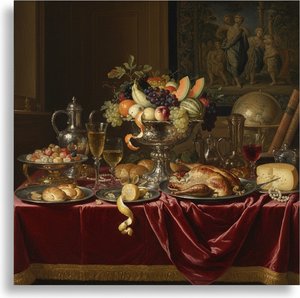
Abraham Hendricksz van Beyeren: Pioneering Dutch Still Life & the Banquet Tradition
Explore the captivating world of Dutch Golden Age still life with Abraham van Beyeren. Discover his innovative techniques, symbolic banquet scenes & lasting influence on art history. Learn about collecting these masterpieces.
