
() ·
Slika napravljena za vas, ručno
Ručno rađena uljana reprodukcija
Ručno oslikano uljanim bojama na platnu u dimenzijama i okviru po vašem izboru, izrađeno po porudžbini od strane naših umetnika. ( Pređi na štampu Pređi na digitalnu sliku)
Biografija umetnika
Pierre Le Gros (1666-1719) was a leading French Baroque sculptor in Rome, renowned for his dramatic religious works for the Jesuits & Dominicans. Discover his powerful sculptures like 'Religion Overthrowing Heresy' and explore his legacy as a master
 Pročitaj više
od ·
Poglavlje 1
Koje bi dimenzije trebalo da ima?
Prevucite da promenite veličinu; slika levo prikazuje okvir u njegovoj stvarnoj širini. Proporcije originala su zadržane.
Izaberite jednu od naših unapred definisanih veličina koje odgovaraju originalnim proporcijama umetničkog dela.

Unesite potrebnu širinu i visinu kako bi se slika uklopila u vaš ram ili zid. Pošto je ovo ručno oslikano delo, umetnik može za dimenzije drugačijeg oblika naslikati malo više prostora oko slike ili malo skratiti ivice — izbor je na vama. Pre početka rada, poslaćemo vam digitalni prikaz radi potvrde. Slika prikazana na ovoj stranici ne predstavlja konačan rezultat — samo digitalni prikaz pokazuje stvarnu sliku.
Poglavlje 2
Na koji način želite da vam stigne?
Izaberite ivice platna
Izaberite svoj okvir

Beli rub дин1

zamrljene ivice дин1

Prošireno дин1

P118B дин10

P118H дин10

P118W дин10

P438Z дин10

P508JH дин12

P508YH дин12

P805H дин10

P805Z дин10

P919BZ дин10

P919G дин10

P919XJ дин10

P959ZH дин10

P968JZ дин12

W106C дин8

W218G дин10

W218JH дин8

W218Y дин10

W307PJ дин10

W316G дин10

W316PJ дин8

W316Y дин10

W398PJ дин8

W4111J дин10

W500HY дин15

W500JH дин15

W692G дин12

W849H дин8

W940BG дин15

W953PJ дин8

H24-GOLD дин30

H24-SILVER дин30

H36-GOLD дин45

H36-SILVER дин45
Uokvireno
Profil: . Ukupna veličina sa okvirom: .
Poglavlje 3
Ko ga slika i da li bi trebalo nešto da se promeni?
Nakon porudžbine, tim OriginalUniqueArt.com će poslati imejl klijentu radi dobijanja uputstava i dostaviti prikaz makete
Svetska isporuka () za 3/4 nedelje umesto uobičajenih 5 nedelja. (15 новембар). Bez kompromisa po pitanju kvaliteta.
Poglavlje 4
Završni dodiri
Plakica, kao u muzeju?
Detalji gravirane bronze ploče
This elegant plaque features the artist's name and the title of the artwork, finely engraved for a timeless presentation.
It is made from bronze with a refined, elegant finish. The text is precisely laser-engraved for a sharp and permanent result. Measuring 9x2 cm, the plaque is compact yet easy to read. It's built to be durable and scratch-resistant, offering a professional, museum-quality look. Mounting is simple thanks to the included adhesive backing.
Detalji prozirne akrilne pločice
The plaque includes essential engraved details such as the artist's name, the title of the artwork, the date it was created, the type of media used-like oil on canvas or watercolor-a brief description of the piece, and a QR code that links to the complete artwork information.
It is crafted from clear acrylic, offering a sleek, modern appearance. The text is UV-engraved in black to ensure strong visual contrast. With a size of 10x15 cm, it ensures optimal readability. It comes equipped with two metal hooks for secure wall mounting. The plaque is designed to be weather-resistant, making it suitable for various environments, and it includes interactive features that work seamlessly with smartphone scanning.
Detalji crne akrilne pločice
This elegant plaque includes engraved information such as the artist's name, the title of the artwork, the date it was created, the type of media used (like oil on canvas or watercolor), a short description of the artwork, and a QR code for quick access to more information.
The plaque itself is made from refined black acrylic with a premium finish. The text is laser-engraved in white for high contrast and readability. Its size is 10x15 cm, designed to be easy to read. It comes with two metal hooks for professional mounting. The design is sleek and fits any interior style. It is also weather-resistant and durable, with built-in digital integration for mobile compatibility.
Zaštitni lak?
Kada vam je potrebno?
Poglavlje 5
Vaša slika, upravo onakva kakvu ste naručili

St Bartholomew
Tehnika reprodukcije
Dimenzije reprodukcije
-

Vrhunski maestri umetnosti
Više detalja, prefinjenosti i dodatnog vremena za izradu
-

Okvir za reprodukciju
-
-
Za umetnička dela ili reprodukcije čija je bilo koja strana veća od 105 cm (približno 41 inč), okvir će biti isporučen u obliku rastavljenog seta za sklapanje. Ovaj metod osigurava bezbednu dostavu i sprečava oštećenja tokom transporta.
Potrebna je profesionalna montaža – ovo nije proizvod namenjen samostalnoj izradi.
Set mora sastaviti i platno zategnuti iskusni profesionalni ramitelj, koristeći drveni lepak (nije uključen u set), hvataljku za zatezanje platna i stege kako bi se održao prav ugao okvira dok se lepak suši. Nepravilno sklapanje ili neravnomerno zategnuto platno mogu trajno oštetiti umetničko delo, što nije pokriveno našom garancijom.
 Za umetnička dela ili reprodukcije čija je bilo koja strana veća od 105 cm (približno 41 inč), okvir će biti isporučen u obliku rastavljenog seta za sklapanje. Ovaj metod osigurava bezbednu dostavu i sprečava oštećenja tokom transporta.
Sve šipke od masivnog drveta su uključene, precizno isečene po veličini.
Montira se pomoću priloženih šrafova, uz dodatno korišćenje lepka za drvo za spojeve u uglovima, koji nije uključen u set i koji vaš čuvar okvira mora obezbediti.
Potreban je profesionalni alat koji nije uključen u set: klešta za zatezanje platna (zatezač) i stege za održavanje pravih uglova letvica tokom sušenja lepka.
Važno:
Za spojeve u uglovima neophodan je lepak za drvo, šipke se moraju pričvrstiti stezgama dok lepak potpuno ne osuši, a za zatezanje platna na sklopljenom ramu potrebne su hvataljke za zatezanje platna. Nijedan od ovih alata nije uključen u komplet. Pre naručivanja ove veličine, molimo Vas da unapred obezbedite iskusnog profesionalca za ramačenje.

Kratki opis natpisa
-
-

Zaštitni lak
Sjajni lak (pojačava intenzitet boja, štiti od svetlosti i vlage)
-

Personalizujte svoje umetničko delo
Primeri mogućnosti izmene: Zamena lica fotografijom kupca; Dodavanje ljubimca (npr. zamena mačke psom); Uključivanje skrivene poruke u pozadini; Promena pejzaža ili elemenata pozadine.
-

Hitna dostava
Svetska isporuka () za 3/4 nedelje umesto uobičajenih 5 nedelja. (15 новембар). Bez kompromisa po pitanju kvaliteta.
-
Brza dostava
Dostava širom sveta () u roku od 5 nedelja. (22 новембар).
Uključeno u cenu
Ukupna cena
дин 31384
Opcija sa staklom dostupna je samo za dimenzije manje od 110 cm
Uključeno uz svaku porudžbinu
- Besplatna ekspresna dostava širom sveta
- Visokokvalitetno laneno platno
- Potpuno osiguranje transporta
- Garancija povraćaja carine i uvoznih dažbina
- Garancija vernosti boja
- Politika povraćaja u roku od 100 dana (samo u slučaju nedostataka)
- Garancija povrata 100% novca
- Popust na više proizvoda


 Pregledaj u prostoru
 Pošalji
 Podeli
 Detalji o delu
 Vodič
Vodič

 Preuzmi
 Slični predmeti
 Rendgenski snimak
 Automatska prezentacija
 Pitanja i odgovori
 Statistika
U brojevima
- 1708godina kada je naslikano
- 29okviri na izboru
- standardne dimenzije, u sopstvenim proporcijama
- 5nedelja za oslikavanje i isporuku
O originalnom delu


Pierre Le Gros
1666 - 1719, France
Kratke činjenice o umetniku Pierre Le Gros
- Full Name: Pierre Le Gros
- Nationality: French
- Date Of Birth: 1666
- Date Of Death: 1719
- Place Of Birth: Paris, France
- Notable Artworks:
- Religion Overthrowing Heresy
- St Stanilas Kostka on his Deathbed
- S. Luigi Gonzaga relief
- Artistic Movement Or Style: Baroque sculpture
- Artists Who Influenced This Artist:
- Pierre Le Gros the Elder
- Gaspard Marsy
- Balthazard Marsy
- Artists Or Movements Influenced By This Artist: Roman Baroque sculptors
Biografija umetnika
The Dramatic Spirit of Roman Baroque
To speak of Pierre Le Gros is to invoke the very breath of High Baroque Rome—a period where art did not merely decorate space, but wrestled with divine drama itself. Though his lineage traces back to Paris, the soul of his genius was forged in the fervent crucible of Italian sculpture. He was a master whose hands seemed perpetually caught in a moment of ecstatic revelation or profound spiritual struggle. His work pulses with an almost palpable energy, capturing the dramatic tension that defined Counter-Reformation art.
While modern scholarship often refers to him by his later name, Legros, it is crucial to remember that he signed his works as Le Gros. This distinction speaks volumes about his immersion in the Roman artistic milieu; he became less a French expatriate and more an intrinsic part of Rome's sculptural narrative. His reputation soared, establishing him as the pre-eminent sculptor for nearly two decades, a towering figure whose influence shaped the religious art commissioned by powerful orders such as the Jesuits and Dominicans.
Training and Parisian Roots
Le Gros’s artistic journey began amidst a family steeped in creative endeavor. Born in Paris in 1666, his early life was marked by both loss and intense tutelage. Though tragedy struck with the passing of his mother at a tender age, he remained connected to the vibrant world of sculpture through his maternal uncles. His formal training was multifaceted; while he absorbed the craft from his father, Jean Le Pautre’s influence on his drawing skills provided an essential foundation for the detailed rendering that would characterize his later pieces.
His ambition led him to Rome, where he earned the prestigious Prix de Rome. This period of study proved transformative, renewing a vital friendship with his cousin, Pierre Lepautre. The years spent within the confines of the French Academy in Rome were fertile ground for artistic growth, even as the institution itself navigated financial turbulence due to the demands of Louis XIV’s wars. It was here, through the rigorous process of copying classical antiquity—most notably from the magnificent Vetturia sculpture—that his technical prowess was honed to an almost superhuman degree.
The Zenith of Roman Mastery
It is in Rome that Le Gros truly found his voice. His style eschewed mere academic polish for something far more visceral and emotionally charged. The "ardent drama" mentioned by art historians is not hyperbole; it is the hallmark of his genius. He possessed an unparalleled ability to imbue marble with narrative life, making stone seem capable of sudden movement or agonizing emotion. Whether depicting martyrdom, ecstasy, or divine intervention, his figures do not simply stand; they writhe, they plead, and they ascend.
His dedication to the religious commissions meant that his work was deeply intertwined with the spiritual fervor of the era. The altarpieces and devotional sculptures he created were not just art objects; they were instruments of piety designed to move the soul toward contemplation and devotion. This profound connection between technique and theology elevates his status beyond mere craftsman.
Legacy and Enduring Impact
Despite the sheer power radiating from his surviving works, Le Gros’s name sometimes fades into the background when compared to the monumental figures who followed him. Yet, his significance lies precisely in that dramatic tension—the moment just before the climax, or immediately after the peak of emotion. He carved for an age obsessed with visible spiritual fervor, and he delivered exactly what they craved: sculpture that demanded participation from the viewer.
His legacy endures as a testament to the power of Baroque emotionalism in stone. To study his work is to witness a sculptor who successfully bridged the rigorous classical training with an almost untamed, passionate spirit, forever marking him as a master whose touch was both technically impeccable and deeply, dramatically human.
Povezani članci
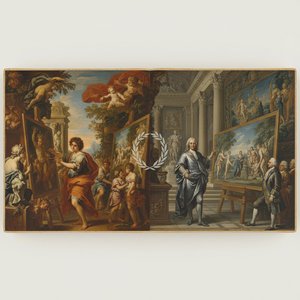
Simon Vouet: A Baroque Master's Journey from Italian Influence to French Classicism
Explore the life & art of Simon Vouet, a pivotal French Baroque painter who introduced Italian styles to France. Discover his masterpieces and lasting influence on 17th-century art.
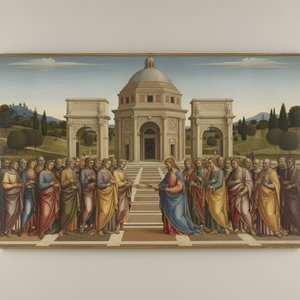
Pietro Perugino: Umbrian Master of Serenity & Precursor to Raphael's High Renaissance
Explore the life & art of Pietro Perugino, a pivotal Renaissance master and Raphael’s influential teacher. Discover his serene compositions, Sistine Chapel frescoes, and lasting legacy with OriginalUniqueArt.