

 Pregledaj u prostoru
 Podeli
 Podeli
 Detalji
 Vodič
Vodič

 Preuzmi sliku
 Slični predmeti
 Rendgenski snimak
 Automatska prezentacija
 Statistika
The workshop with Mimosa
 Acrylic On Canvas
- WallArt
- Nabis Style
 1935
1935- 19th Century
 125.0 x 125.0 cm
 Pročitaj više
Kupite digitalnu sliku visoke rezolucije i poboljšanog kvaliteta, koja je znatno superiornija od onoga što vidite u online prikazu.
Svaka datoteka je pedantno pripremljena od strane naših stručnjaka koristeći napredne alate i profesionalnu ručnu retušu. Osiguravamo da svaka slika ima izuzetnu oštrinu, preciznu reprodukciju boja i fine detalje.
Konačna datoteka se dostavlja putem e-pošte u roku od 72 sata, optimizovana za neposrednu upotrebu u profesionalnim, izdavačkim i štamparskim okruženjima. To je isti kvalitet kojem veruju vrhunski studiji dizajna, izdavači i galerije.
Digitalna slika
Preuzmite datoteku visoke rezolucije za ličnu upotrebu, štampanje i kreativne projekte. ( Pređi na prodaju štampanih primeraka Naručite ručno oslikano reprodukciju)
Uključeno uz svaku porudžbinu digitalne slike
Ekspertska digitalna isporuka, zagarantovana
Kada odaberete OriginalUniqueArt.com, ne dobijate samo sliku – vi primate profesionalno unapređeno digitalno umetničko delo, izrađeno sa najvećom preciznošću i uz garanciju zadovoljstva. Evo svega što automatski dolazi uz vašu porudžbinu:

Brza dostava putem e-pošte
Vaša digitalna slika visoke rezolucije biće vam poslata putem e-pošte u roku od 72 sata od poručivanja – spremna za trenutnu upotrebu.

Digitalna datoteka unapređena veštačkom inteligencijom
Vaše umetničko delo je profesionalno optimizovano primenom naprednih AI alata i ručne obrade, čime se osiguravaju maksimalni detalji, oštrina i preciznost boja.

Besplatna doživotna ponovna isporuka
Slučajno ste obrisali ili izgubili svoju datoteku? Ne brinite – poslaćemo vam je ponovo u bilo kom trenutku, potpuno besplatno.

Bez troškova uvoza – zauvek
Uživajte u svojim umetničkim delima trenutno, bez carine, akciza ili troškova dostave – digitalni download je uvek bez poreza.

Garancija preciznosti boja
Uz pomoć profesionalnih alata i upravljanja bojama, osiguravamo da vaša digitalna slika što vernije odražava originalne boje.

Garancija zadovoljstva u roku od 100 dana
Ako niste zadovoljni svojom digitalnom slikom, izvršićemo reviziju ili ćemo vam vratiti 100% novca u roku od 100 dana – bez ikakvih pitanja.

100% garancija povrata novca
Niste zadovoljni? Dobijte puni povraćaj novca u roku od 100 dana od prijema digitalne datoteke – bez suvišnih pitanja.

Popusti na velike porudžbine
Kupite 3 slike, uštedite 10% - Kupite 5 slika, uštedite 15% - Kupite 10+ slika, uštedite 20%. Odlično za kreativne projekte, galerije i agencije.
A Glimpse into Bonnard's World: "The Workshop with Mimosa"
Pierre Bonnard’s “The Workshop with Mimosa,” painted in 1935, offers a serene and intimate window into the artist’s meticulously observed world. This vibrant canvas, measuring 125 x 125 cm, is more than just a depiction of a Parisian cityscape; it's an exploration of light, color, and the quiet beauty found within domestic life – hallmarks of Bonnard’s distinctive style. The painting immediately draws the eye with its dominant use of yellow, not as a simple hue but as a carefully modulated symphony of tones that evokes warmth and luminosity. A large window dominates the composition, framing a bustling city scene punctuated by the delicate presence of buildings and trees, while a soaring bird adds a touch of dynamism to the otherwise tranquil tableau.
The Nabis Influence and Bonnard’s Vision
Created during a pivotal period in Bonnard's career, “The Workshop with Mimosa” reflects his deep engagement with the Nabis movement. This group of artists, including Édouard Manet and Paul Ranson, championed a subjective approach to color and light, prioritizing emotional expression over strict realism. The influence is evident in Bonnard’s masterful manipulation of color – not to accurately represent reality but to convey mood and atmosphere. The scene's composition, with its emphasis on flattened perspective and simplified forms, aligns perfectly with the Nabis aesthetic. Bonnard was deeply interested in capturing fleeting moments of beauty and tranquility, often depicting scenes from his own life and surroundings. This painting is a testament to his ability to transform everyday observations into works of profound emotional resonance.
Technique and Materiality
Executed with Bonnard’s signature technique, “The Workshop with Mimosa” showcases the artist's meticulous attention to detail and his innovative approach to paint application. He employed a broken color technique – applying small, separate strokes of pure pigment rather than blending them – to create a shimmering effect and heighten the sense of light and atmosphere. The use of thick impasto in certain areas adds textural richness and depth, particularly around the window frame and the bench. The canvas itself is primed with a smooth surface, allowing Bonnard’s vibrant colors to truly sing. The inclusion of a bench with an open book suggests a contemplative space, inviting the viewer to share in the artist's quiet observation.
Symbolism and Emotional Impact
Beyond its aesthetic qualities, “The Workshop with Mimosa” is imbued with subtle symbolism. The city scene represents the dynamism of modern life, while the peaceful interior offers a refuge from it. The bird, often associated with freedom and aspiration, adds a layer of optimism to the composition. The open book on the bench could be interpreted as an invitation to reflection or perhaps a reference to Bonnard’s own artistic pursuits. Ultimately, the painting evokes a sense of serenity, nostalgia, and quiet contemplation – emotions that have captivated viewers for over a century. This reproduction allows you to bring this evocative piece into your home, offering a touch of Bonnard's luminous vision.
Pitanja i odgovori
Iz kog je istorijskog perioda "The workshop with Mimosa"?
"The workshop with Mimosa" pripada periodu 19th Century.
Koja je tehnika i dimenzija originalnog dela „The workshop with Mimosa”, Пијер Боннар?
Tehnika dela „The workshop with Mimosa”, Пијер Боннар je Acrylic On Canvas, a njegove dimenzije su 125 x 125 cm.
Koja veličina štampe za "The workshop with Mimosa" bi najbolje odgovarala mojoj prostoriji?
Za Living Room, preporučena veličina štampe dela „The workshop with Mimosa”, Пијер Боннар je Large.
Biografija umetnika
Pierre Bonnard (1867-1947): A Life Bathed in Light
Pierre Bonnard, geboren 1867 in der Pariser Vorstadt Fontenay-aux-Roses, war kein Mann für ein Leben voller künstlerischer Ausdruckskraft. Sein Vater, ein hochrangiger Beamter im französischen Verteidigungsministerium, sah seinem Sohn eine juristische Karriere vor. Junge Pierre verfolgte diese Ausbildung ernsthaft und erhielt seinen Abschluss im Jahr 1888, doch sein Herz lag anders – in der faszinierenden Welt von Farbe und Form. Diese Dichotomie, dieser Spannungsbogen zwischen Erwartung und Leidenschaft würde subtil Einfluss auf seine künstlerische Reise haben und ihm eine einzigartige Nähe zu seinem Werk verleihen. Er begann zunächst mit Karikaturen und entwickelte damit eine Beobachtungsgabe, die später zu exquisit wiedergegebenen häuslichen Szenen aufblühte. Allerdings fand Bonnard in der Académie Julian seinen Weg und begegnete dort Gleichgesinnten, die sich von akademischen Konventionen abwanderten und den Avantgarde Geist einfuhren, der durch Paris zog. Diese Begegnung führte ihn zu den Nabis – einer Gruppe von Künstlern, darunter Maurice Denis, Paul Sérusier und Édouard Vuillard –, die Kunst mit Spiritualität und Symbolismus erfüllten und über reine Darstellung hinaus eine Erforschung innerer Erfahrung suchten.Die Nabi Jahre und die Pflege der Intimität
Die Zusammenarbeit mit den Nabis stellte Bonnards künstlerische Entwicklung entscheidend sicher. Die Gruppens Betonung von flachen Formen, kräftigen Farbpaletten und einer Ablehnung perspektivistischer Tradition resonierte tief in seinen künstlerischen Sensibilitäten. Inspiriert von japanischen Drucken – ihren eleganten Linien und harmonischen Kompositionen – und der Symbolismus Bewegung’s Erforschung subjektiver Emotionen entwickelte Bonnard seinen unverwechselbaren Stil weiter. Er interessierte sich nicht für große Erzählungen oder historische Allegorien; stattdessen wandte er sich innerlich zu und konzentrierte sich auf die ruhigen Momente des Alltagsliebes: Eine Frau beim Baden, eine Familie zum Abendessen versammelt, ein sonnenbeschienenes Gartenstück. Diese Szenen waren nicht nur Darstellungen von Ereignissen, sondern Destillationen von Gefühl – Erinnerungen und Atmosphäre gefiltert durch das Prisma persönlicher Erfahrung. Dieser Fokus auf häusliche Intimität erhielt ihm den Titel „Intimist“ – ein Begriff, der perfekt die emotionale Resonanz seines Werkes einfängt. Seine Gemälde erzählen nicht *was* dargestellt wird, sondern *wie* es sich anfühlt, präsent zu sein in diesen Momenten. Er arbeitete von Erinnerung aus und zeichnete umfassend auf und übersetzte diese Eindrücke dann mit außergewöhnlicher Sensibilität für Licht und Farbe auf die Leinwand.Farbe als Emotion: Ein Meister Farbist
Bonnards Meisterhafte Verwendung von Farbe ist zweifellos sein prägendstes Merkmal. Er verwendete Farbe nicht einfach; er *fühlte* sie, ließ sie den Ton und die Atmosphäre seiner Gemälde bestimmen. Seine Palette war lebendig und doch nuanciert und setzte oft unerwartete Kombinationen ein, die einen Eindruck von schimmernder Luminosität erzeugten. Er würde seine fertigen Leinwände wiederholt besuchen und korrigierte Farben über mehrere Werke hinweg, um perfekte Harmonie zu erreichen – ein Beweis für seine obsessive Hingabe zum chromatischen Gleichgewicht. Das ging nicht um eine realistische Darstellung; es ging darum, die subjektive Erfahrung von Farbe einzufangen – ihre Fähigkeit, Emotionen und Erinnerungen hervorzurufen. Er wandte sich von direkter Beobachtung ab und bevorzugte stattdessen das Malen aus der Erinnerung heraus, was ihm ermöglichte, seine Szenen mit einer traumhaften Qualität zu erfüllen. Seine Landschaftsbilder waren nicht nur Darstellungen von Orten, sondern emotionale Antworten darauf – gefiltert durch das Prisma persönlicher Erfahrung.Späteres Leben und Erblegende Bedeutung
Mit zunehmendem Alter verschob sich Bonnards künstlerischer Fokus noch stärker auf die Erforschung von Farbe und Licht. Er verbrachte immer mehr Zeit im südlichen Frankreich und ließ sich von der mediterranen Landschaft und ihrer intensiven Luminosität faszinieren. Seine Beziehung zu Marthe de Meligny, seiner Frau und lebenslangen Muse, blieb zentral für sein Leben und Werk. Sie erschien häufig in seinen Gemälden und wurde oft beim Baden oder bei alltäglichen Aktivitäten dargestellt – ihre Präsenz strahlte eine ruhige Anmut und Intimität aus. Im Jahr 1912 erwarb er „La Roulotte“ in Vernonnet, nahe Giverny, und gründete eine enge Freundschaft mit Claude Monet. Diese Nähe zum Meister des Impressionismus förderte Bonnards weitere Erforschung von Licht und Farbe weiter – obwohl er stets seinen eigenen unverwechselbaren künstlerischen Blick bewahrte. Er malte bis kurz vor seinem Tod im Jahr 1947 fort und hinterließ ein Werkkörper, das weiterhin fasziniert und inspiriert.Bekannte Werke & Sammlungen
- Frau in Schachbrettmuster (1890): Ein frühes Beispiel seines Nabi-inspirierten Stils, der flache Formen und kräftige Farbkompositionen zeigt.
- Das Esszimmer (1913): Eine quintessenzielle Intimist Szene, die Wärme und Intimität des häuslichen Lebens einfängt.
- Schüssel mit Früchten (ca. 1933): Demonstriert seine Meisterschaft der Stilllebenmalerei mit lebendigen Farben und einem Eindruck von lichtdurchfluteter Tiefe.
- Die Mandelbaumblüte (1947): Eines seiner letzten Gemälde, das kurz vor seinem Tod fertiggestellt wurde und seine kontinuierliche Erforschung von Farbe und Licht zeigte.
- Musée Marmottan Monet, Paris
- Kunstmuseum Chicago
- Museum of Modern Art, New York City
- Tate Modern, London
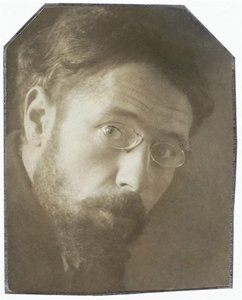
Пијер Боннар
1867 - 1947 , Франција
Osnovne informacije
- Artistic Movement Or Style: Postimpresionizam, Intimizam
- Artists Or Movements Influenced By This Artist: ['Les Nabis']
- Artists Who Influenced This Artist:
- Paul Gauguin
- Hokusai
- Date Of Birth: 1867-10-03
- Date Of Death: 1947-01-23
- Full Name: Pierre Bonnard
- Nationality: Francuski
- Notable Artworks:
- Žena u kockastom haljotu
- Oraonica u cvjetu naranče
- Place Of Birth: Fontenay-aux-Roses, France