
 Pregledaj u prostoru
 Pošalji
 Podeli
 Detalji o delu
 Vodič
Vodič

 Preuzmi
 Slični predmeti
 Rendgenski snimak
 Automatska prezentacija
 Pitanja i odgovori
 Statistika
The Arch of Triumph


 Pročitaj više
Giclee štampa / Umetnički otisak
Giclée štampa ili print na platnu muzejskog kvaliteta uz brzu izradu i raznovrsne opcije završne obrade. ( Kupite ručno oslikano delo Pređi na digitalnu sliku)




P118B дин10

P118H дин10

P118W дин10

P438Z дин10

P508JH дин12

P508YH дин12

P805H дин10

P805Z дин10

P919BZ дин10

P919G дин10

P919XJ дин10

P959ZH дин10

P968JZ дин12

W106C дин8

W218G дин10

W218JH дин8

W218Y дин10

W307PJ дин10

W316G дин10

W316PJ дин8

W316Y дин10

W398PJ дин8

W4111J дин10

W500HY дин15

W500JH дин15

W692G дин12

W849H дин8

W940BG дин15

W953PJ дин8




Izaberite jednu od naših unapred definisanih veličina koje odgovaraju originalnim proporcijama umetničkog dela.

Unesite željenu širinu i visinu kako bi se štampa uklopila u vaš ram ili zid. Štampu je moguće samo iseći, ali nikada povećati iznad dimenzija originalne slike, stoga format sa drugačijim proporcijama uzrokuje gubitak dela slike. Pre početka štampe, poslaćemo vam digitalni prikaz radi potvrde. Slika prikazana na ovoj stranici ne predstavlja stvarni isrez — to pokazuje samo digitalni prikaz.
Dostava širom sveta () za 2 nedelje umesto uobičajenih 4/5 nedelja. (3 новембар)

Besplatna ekspresna dostava širom sveta

Visokokvalitetno laneno platno

Potpuno osiguranje transporta

Garancija povraćaja carine i uvoznih dažbina

Garancija vernosti boja

Politika povraćaja u roku od 100 dana (samo u slučaju nedostataka)

Garancija povrata 100% novca

Popust na više proizvoda
 Opcija sa staklom dostupna je samo za dimenzije manje od 110 cm

The Arch of Triumph
Giclee štampa / Umetnički otisak
Dimenzije reprodukcije
-


Ukupna cena
дин 8487
A Moment of Equestrian Grace: Exploring Pierre Bonnard’s “The Arch of Triumph”
Pierre Bonnard's "The Arch of Triumph," a captivating monochrome study of riders traversing a dusty road, offers a poignant glimpse into the artist’s signature style and his profound engagement with light, color, and human experience. Executed in a manner that echoes the Nabis movement – a group Bonnard deeply admired – this work transcends a simple depiction of horsemen; it's an exploration of fleeting moments, atmosphere, and the quiet beauty found within everyday scenes. The painting’s stark palette, dominated by shades of gray and white, amplifies the sense of depth and texture, inviting the viewer to contemplate the play of light on the riders’ clothing, the worn earth beneath their horses’ hooves, and the distant shimmer of a boat on the horizon.
Style and Technique: The Nabis Influence
- Monochromatic Palette: Bonnard's masterful use of monochrome is central to the painting’s impact. He eschews vibrant color, instead focusing on subtle gradations of tone to create a powerful sense of atmosphere and volume. This technique was heavily influenced by the Nabis group, who sought to evoke emotion through tonal harmonies rather than realistic representation.
- Loose Brushwork: The artist employs a loose, expressive brushstroke – a hallmark of Bonnard’s style – that adds a dynamic quality to the scene. These visible marks contribute to the painting's sense of movement and immediacy, capturing not just a snapshot but an impression of the moment.
- Emphasis on Atmosphere: Rather than meticulously detailing individual figures or objects, Bonnard prioritizes the overall atmosphere of the scene. The hazy background, the indistinct forms of the riders, and the muted colors all contribute to a dreamlike quality that is characteristic of his work.
Historical Context and the Nabis Movement
Created during Bonnard’s most productive period (1890-1930), “The Arch of Triumph” reflects the broader artistic currents of the late 19th century. The painting aligns with the Nabis movement, a group of French Symbolist painters who sought to create works that were emotionally charged and evocative rather than purely descriptive. Influenced by Japanese prints and the work of artists like Édouard Manet, the Nabis experimented with flattened perspectives, simplified forms, and expressive color harmonies. Bonnard’s association with this group profoundly shaped his artistic vision, encouraging him to prioritize subjective experience over objective reality.
Symbolism and Emotional Impact
The image of riders on horseback carries a rich symbolic weight. Horses have long been associated with freedom, power, and nobility – themes that resonate throughout Bonnard’s oeuvre. The “arch” in the title may allude to a gateway or transition, suggesting a journey both literal and metaphorical. The distant boat adds another layer of symbolism, perhaps representing escape, longing, or the passage of time. Ultimately, "The Arch of Triumph" evokes a sense of tranquility, nostalgia, and the simple pleasures of life – qualities that are deeply rooted in Bonnard’s personal experiences and artistic sensibilities. The painting's emotional impact lies not in grand narratives but in its ability to capture a quiet moment of human connection amidst the vastness of nature.
A Reproduction for Your Collection
OriginalUniqueArt offers meticulously crafted hand-painted reproductions of Pierre Bonnard’s “The Arch of Triumph,” ensuring that you possess an authentic representation of this iconic artwork. Each reproduction is created by skilled artisans using archival materials, guaranteeing its longevity and preserving the nuances of Bonnard's original technique. This piece would be a stunning addition to any art collection or interior design scheme, bringing a touch of Impressionistic elegance and timeless beauty to your space.
Pitanja i odgovori
Šta "The Arch of Triumph" deli sa ostatkom stvaralaštva umetnika Пијер Боннар?
U okviru celokupnog stvaralaštva umetnika Пијер Боннар, delo "The Arch of Triumph" pripada stilu Post-Impressionistic Intimism, uz prisustvo tema kao što su coloristic impressionism, domestic tranquility mood, symbolic parisian life, artist’s intimate vision, exploring light's essence.
Kako se boje dela „The Arch of Triumph”, autor Пијер Боннар odnose na njegovu emocionalnu izražajnost?
U delu "The Arch of Triumph", boje Neutrals prate Reflective osećaj.
Gde mogu da kupim print dela „The Arch of Triumph”, autor Пијер Боннар?
Da biste naručili print dela „The Arch of Triumph”, autor Пијер Боннар, jednostavno ga poručite na njegovoj stranici Umetnički print: umetnička štampa na pamučnom platnu ili arhivskom kanvas papiru.
Biografija umetnika
Pierre Bonnard (1867-1947): A Life Bathed in Light
Pierre Bonnard, geboren 1867 in der Pariser Vorstadt Fontenay-aux-Roses, war kein Mann für ein Leben voller künstlerischer Ausdruckskraft. Sein Vater, ein hochrangiger Beamter im französischen Verteidigungsministerium, sah seinem Sohn eine juristische Karriere vor. Junge Pierre verfolgte diese Ausbildung ernsthaft und erhielt seinen Abschluss im Jahr 1888, doch sein Herz lag anders – in der faszinierenden Welt von Farbe und Form. Diese Dichotomie, dieser Spannungsbogen zwischen Erwartung und Leidenschaft würde subtil Einfluss auf seine künstlerische Reise haben und ihm eine einzigartige Nähe zu seinem Werk verleihen. Er begann zunächst mit Karikaturen und entwickelte damit eine Beobachtungsgabe, die später zu exquisit wiedergegebenen häuslichen Szenen aufblühte. Allerdings fand Bonnard in der Académie Julian seinen Weg und begegnete dort Gleichgesinnten, die sich von akademischen Konventionen abwanderten und den Avantgarde Geist einfuhren, der durch Paris zog. Diese Begegnung führte ihn zu den Nabis – einer Gruppe von Künstlern, darunter Maurice Denis, Paul Sérusier und Édouard Vuillard –, die Kunst mit Spiritualität und Symbolismus erfüllten und über reine Darstellung hinaus eine Erforschung innerer Erfahrung suchten.Die Nabi Jahre und die Pflege der Intimität
Die Zusammenarbeit mit den Nabis stellte Bonnards künstlerische Entwicklung entscheidend sicher. Die Gruppens Betonung von flachen Formen, kräftigen Farbpaletten und einer Ablehnung perspektivistischer Tradition resonierte tief in seinen künstlerischen Sensibilitäten. Inspiriert von japanischen Drucken – ihren eleganten Linien und harmonischen Kompositionen – und der Symbolismus Bewegung’s Erforschung subjektiver Emotionen entwickelte Bonnard seinen unverwechselbaren Stil weiter. Er interessierte sich nicht für große Erzählungen oder historische Allegorien; stattdessen wandte er sich innerlich zu und konzentrierte sich auf die ruhigen Momente des Alltagsliebes: Eine Frau beim Baden, eine Familie zum Abendessen versammelt, ein sonnenbeschienenes Gartenstück. Diese Szenen waren nicht nur Darstellungen von Ereignissen, sondern Destillationen von Gefühl – Erinnerungen und Atmosphäre gefiltert durch das Prisma persönlicher Erfahrung. Dieser Fokus auf häusliche Intimität erhielt ihm den Titel „Intimist“ – ein Begriff, der perfekt die emotionale Resonanz seines Werkes einfängt. Seine Gemälde erzählen nicht *was* dargestellt wird, sondern *wie* es sich anfühlt, präsent zu sein in diesen Momenten. Er arbeitete von Erinnerung aus und zeichnete umfassend auf und übersetzte diese Eindrücke dann mit außergewöhnlicher Sensibilität für Licht und Farbe auf die Leinwand.Farbe als Emotion: Ein Meister Farbist
Bonnards Meisterhafte Verwendung von Farbe ist zweifellos sein prägendstes Merkmal. Er verwendete Farbe nicht einfach; er *fühlte* sie, ließ sie den Ton und die Atmosphäre seiner Gemälde bestimmen. Seine Palette war lebendig und doch nuanciert und setzte oft unerwartete Kombinationen ein, die einen Eindruck von schimmernder Luminosität erzeugten. Er würde seine fertigen Leinwände wiederholt besuchen und korrigierte Farben über mehrere Werke hinweg, um perfekte Harmonie zu erreichen – ein Beweis für seine obsessive Hingabe zum chromatischen Gleichgewicht. Das ging nicht um eine realistische Darstellung; es ging darum, die subjektive Erfahrung von Farbe einzufangen – ihre Fähigkeit, Emotionen und Erinnerungen hervorzurufen. Er wandte sich von direkter Beobachtung ab und bevorzugte stattdessen das Malen aus der Erinnerung heraus, was ihm ermöglichte, seine Szenen mit einer traumhaften Qualität zu erfüllen. Seine Landschaftsbilder waren nicht nur Darstellungen von Orten, sondern emotionale Antworten darauf – gefiltert durch das Prisma persönlicher Erfahrung.Späteres Leben und Erblegende Bedeutung
Mit zunehmendem Alter verschob sich Bonnards künstlerischer Fokus noch stärker auf die Erforschung von Farbe und Licht. Er verbrachte immer mehr Zeit im südlichen Frankreich und ließ sich von der mediterranen Landschaft und ihrer intensiven Luminosität faszinieren. Seine Beziehung zu Marthe de Meligny, seiner Frau und lebenslangen Muse, blieb zentral für sein Leben und Werk. Sie erschien häufig in seinen Gemälden und wurde oft beim Baden oder bei alltäglichen Aktivitäten dargestellt – ihre Präsenz strahlte eine ruhige Anmut und Intimität aus. Im Jahr 1912 erwarb er „La Roulotte“ in Vernonnet, nahe Giverny, und gründete eine enge Freundschaft mit Claude Monet. Diese Nähe zum Meister des Impressionismus förderte Bonnards weitere Erforschung von Licht und Farbe weiter – obwohl er stets seinen eigenen unverwechselbaren künstlerischen Blick bewahrte. Er malte bis kurz vor seinem Tod im Jahr 1947 fort und hinterließ ein Werkkörper, das weiterhin fasziniert und inspiriert.Bekannte Werke & Sammlungen
- Frau in Schachbrettmuster (1890): Ein frühes Beispiel seines Nabi-inspirierten Stils, der flache Formen und kräftige Farbkompositionen zeigt.
- Das Esszimmer (1913): Eine quintessenzielle Intimist Szene, die Wärme und Intimität des häuslichen Lebens einfängt.
- Schüssel mit Früchten (ca. 1933): Demonstriert seine Meisterschaft der Stilllebenmalerei mit lebendigen Farben und einem Eindruck von lichtdurchfluteter Tiefe.
- Die Mandelbaumblüte (1947): Eines seiner letzten Gemälde, das kurz vor seinem Tod fertiggestellt wurde und seine kontinuierliche Erforschung von Farbe und Licht zeigte.
- Musée Marmottan Monet, Paris
- Kunstmuseum Chicago
- Museum of Modern Art, New York City
- Tate Modern, London
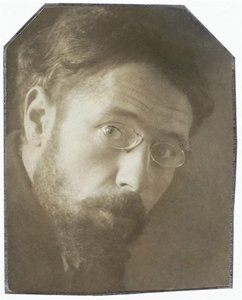
Пијер Боннар
1867 - 1947 , Франција
Osnovne informacije
- Artistic Movement Or Style: Postimpresionizam, Intimizam
- Artists Or Movements Influenced By This Artist: ['Les Nabis']
- Artists Who Influenced This Artist:
- Paul Gauguin
- Hokusai
- Date Of Birth: 1867-10-03
- Date Of Death: 1947-01-23
- Full Name: Pierre Bonnard
- Nationality: Francuski
- Notable Artworks:
- Žena u kockastom haljotu
- Oraonica u cvjetu naranče
- Place Of Birth: Fontenay-aux-Roses, France
Povezani članci

Postimpresionizma: 10 Remek Dela Koje Su Izmenila Umjetnost i Dekor
Otkrijte 10 remek dela postimpresionizma koja su revolucionisala umetnost! Van Gog, Monet, Sezan... Istorija, tehnika i emocije u svakoj slici. Inspiracija za vaš dom i vrhunske reprodukcije na OriginalUniqueArt.com. Explore the full collection online!

Dark Masterpieces: 10 Iconic Paintings Dominated by Black Tones |
Explore 10 iconic paintings dominated by black tones, from Rembrandt’s chiaroscuro to Goya's dark expressions. Discover the stories behind these masterpieces & find museum-quality art reproductions for your home at .

Iza svetlosti i boje: Impresionizam protiv postimpresionizma za diskriminatornog kolekcionara
Istražite suptilne razlike između Impresionizma i Postimpresionizma sa OriginalUniqueArt-om. Saveti za kolekcionare, investicije u umetnost i vrhunske reprodukcije slika. Pronađite savršeno delo za vašu kolekciju!

Pierre-Auguste Renoir: 25 Remek-Dela Impresionizma za Vaš Dom | OriginalUniqueArt
Uronite u svet Pierre-Auguste Renoara! Otkrijte 25 remek-dela impresionizma, priče iza slika i tehničke detalje. Reprodukcije vrhunskog kvaliteta za vaš dom dostupne na OriginalUniqueArt.com. Istražite celu kolekciju online!

White on Canvas: 10 Masterpieces & Timeless Elegance for Your Home Decor
Explore 10 iconic white paintings by Monet, Whistler & Rothko! Discover the stories behind these serene masterpieces and their impact on art history. Find museum-quality reproductions for your home decor at .


