Post-Impressionism · 1931
In Summer (Пјер Бонар, 1931)
Пјер Бонар (1867–1947) je napravio In Summer. Datirano je iz 1931. Pripada pokretu Post-Impressionism. Izrađeno je u Painting. Čuva se u muzeju Pushkin State Museum u mestu Moskva, Ruska Federacija.
- 1931
- Painting
- Pushkin State Museum, Moskva

 Pregledaj u prostoru

 Ručno oslikano uljanim bojama
 Pošalji
 Podeli
 Informativni list za štampu


 Preuzmi
 Slični predmeti
 Rendgenski snimak
 Automatska prezentacija
 Pitanja i odgovori

 Statistika
In Summer, ukratko
- Naslov
- In Summer
- Umetnik
- Пјер Бонар (1867–1947)
- Mesto rođenja umetnika
- Фонтне о Роз, Француска
- Datum
- 1931
- Tehnika
- Painting
- Gde se može videti
- Pushkin State Museum, Moskva, Ruska Federacija
- Pokret
- Post-Impressionism
- Period
- Modern
- Tema
- people, trees, bushes, buildings, red roofs, blue sky
Šta prikazuje In Summer?
A Symphony of Light and Life
In the sun-drenched masterpiece "In Summer," painted in 1931, Pierre Bonnard invites us into a world where the boundaries between nature and human existence dissolve into a vibrant tapestry of color. This exquisite work serves as a quintessential example of the artist's late period, where his mastery of light reached its most profound heights. The scene captures a lively village street, not merely as a geographical location, but as a sensory experience. As the viewer’s eye wanders through the composition, they are greeted by the lush, almost tactile greenery of the foreground. Bonnard employs loose, energetic brushstrokes to render leaves in brilliant shades of emerald, citron, and gold, creating a sense of three-dimensional depth that makes the foliage feel as though it might sway with a passing summer breeze.
The painting functions as a window into a tranquil yet bustling French afternoon. Beyond the verdant frame of trees and bushes, the middle ground reveals the rhythmic pulse of village life. Figures move through the street, their forms rendered with a delicate touch that allows them to blend harmoniously with the architecture. The warm, terracotta hues of the rooftops provide a grounding contrast to the ethereal blue of the distant hills and the clear sky. This careful balance between the structured elements of the village and the wild, organic beauty of the flora creates a dynamic tension, drawing the observer deeper into the heart of this idyllic summer day.
The Intimist Touch and Technical Brilliance
As a prominent figure associated with the Nabis movement and a master of the "Intimist" style, Bonnard’s technique in "In Summer" transcends simple representation. He does not merely paint a landscape; he paints the feeling of warmth on skin and the scent of sun-warmed earth. His use of color is nothing short of revolutionary, utilizing high-contrast palettes to manipulate perception and light. The way the sunlight filters through the canopy, creating dappled patterns of shadow and brilliance, demonstrates a sophisticated understanding of optical effects that predates much of modern color theory. Each stroke is deliberate yet fluid, contributing to an overall atmosphere of movement and vitality.
For the discerning collector or interior designer, this piece offers more than just aesthetic beauty; it provides an emotional sanctuary. The painting’s ability to evoke nostalgia and a sense of peace makes it a transformative addition to any curated space. Whether placed in a sunlit gallery or a sophisticated living area, "In Summer" acts as a focal point that radiates warmth and vitality. It is a celebration of the fleeting moments of beauty that define our lives, captured forever in a permanent state of summer radiance. Owning a high-quality reproduction of this work allows one to bring the timeless, luminous spirit of Bonnard’s France into the modern home, offering a daily encounter with the sublime.
U kom muzeju se nalazi In Summer?
Pushkin State Museum
Moskva, Ruska Federacija
Poreklo i istorija muzeja Pushkin State Museum počeo je svoje postojanje 1912. godine. Osnovao ga je profesor Ivan Cvitajev kao sastavni deo Moskovskog univerziteta.


Slike visoke rezolucije za In Summer

Пјер Бонар, In Summer (1931), Pushkin State Museum. Javno dobro.
Odgovori na pitanja o In Summer
Gde mogu videti originalno delo „In Summer”, autor Пјер Бонар?
Originalno delo „In Summer”, autor Пјер Бонар čuva se u muzeju Pushkin State Museum, Moskva, Ruska Federacija. Reprodukcija omogućava da se ovo umetničko delo izloži u vašem domu.
U kojoj godini je nastalo delo „In Summer”, autor Пјер Бонар?
Delo „In Summer”, autor Пјер Бонар nastalo je 1931.
Kojom tehnikom je urađeno „In Summer”, autor Пјер Бонар?
Пјер Бонар je koristio/la tehniku Painting za delo "In Summer". Ova tehnika definiše materijalnu prirodu originalnog dela.
Koje su teme prikazane u delu „In Summer”, autor Пјер Бонар?
Motivi dela "In Summer" su people, trees, bushes, buildings, red roofs, blue sky, green leaves, village street.
Da li je "In Summer" slobodan od autorskih prava?
„In Summer”, autor Пјер Бонар pripada u javnom vlasništvu – autorska prava su istekla. Ovaj status određuje način na koji se slika dela može reprodukovati.
Ko je umetnik koji stoji iza dela "In Summer"?
Delo "In Summer" je kreirao/la Пјер Бонар. Informacije na ovoj stranici opisuju originalno delo umetnika Пјер Бонар.
Koji umetnički pravac obuhvata „In Summer”, autor Пјер Бонар?
Umetnički pravac koji se povezuje sa delom „In Summer”, autor Пјер Бонар je Post-Impressionism. Ova klasifikacija smešta rad među srodne umetnike i umetnička dela.
U kom periodu karijere Пјер Бонар pripada delo "In Summer"?
U okviru karijere umetnika Пјер Бонар, delo "In Summer" pripada periodu Late Period, što omogućava poređenje sa drugim radovima ovog autora.
Koliko je godina imao/la Пјер Бонар kada je stvorio/la "In Summer"?
Пјер Бонар je imao/la 64 godina kada je kreirao/la "In Summer" u 1931. Godina je izračunata na osnovu godine rođenja umetnika, 1867.
O umetniku, Пјер Бонар
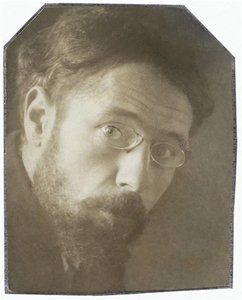
1867–1947, Француска
Пјер Бонар
Pierre Bonnard (1867-1947): A Life Bathed in Light Pierre Bonnard, geboren 1867 in der Pariser Vorstadt Fontenay-aux-Roses, war kein Mann für ein Leben voller künstlerischer Ausdruckskraft. Sein Vater, ein hochrangiger Beamter im französischen Verteidigungsministerium, sah seinem Sohn eine juristische Karriere vor. Junge Pierre verfolgte diese Ausbildung ernsthaft und erhielt seinen Abschluss im Jahr 1888, doch sein Herz lag anders – in der faszinierenden Welt von Farbe und Form. Diese Dichotomie, dieser Spannungsbogen zwischen Erwartung und Leidenschaft würde subtil Einfluss auf seine künstlerische Reise haben und ihm eine einzigartige Nähe zu seinem Werk verleihen.
Takođe i Пјер Бонар
 Nudež1920
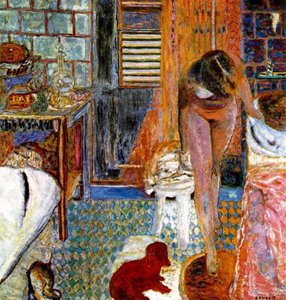 La toilette, ca Private1932
 The almond tree in blossom
 Le placard rouge (The Red Cupboard),1939

Eseji o delu In Summer
 Renoir’s Impressionist Masterpieces: A Definitive Guide to Light, Color, and the Art of JoyExplore the luminous world of Pierre-Auguste Renoir. Discover the history, technique, and emotional depth behind his Impressionist masterpi…
 The Art of Home: Capturing Intimacy and Light in Impressionist Domestic ScenesDiscover the enchanting world of Impressionist domestic scenes. Explore how masters like Bonnard and Vuillard captured light and intimacy, …
 Top 10 Remek-dela Impresionizma koji su Značili Revoluciju u Umetnosti | OriginalUniqueArtUronite u svet impresionizma! Otkrijte 10 remek-dela Moneta, Renoara, Degasa i Van Goga. Istorija umetnosti, tehnike slikanja i inspiracija…