

 Pregledaj u prostoru
 Podeli
 Podeli
 Detalji
 Vodič
Vodič

 Preuzmi sliku
 Slični predmeti
 Rendgenski snimak
 Automatska prezentacija
 Statistika
The Little School Boy
 Oil On Canvas
- WallArt
- Impressionism
 1879
1879 61.0 x 46.0 cm
 Pročitaj više
Giclee štampa / Umetnički otisak
Giclée štampa ili print na platnu muzejskog kvaliteta uz brzu izradu i raznovrsne opcije završne obrade. ( Naručite ručno oslikano reprodukciju Pređi na prodaju digitalnih slika)




P118B дин10

P118H дин10

P118W дин10

P438Z дин10

P508JH дин12

P508YH дин12

P805H дин10

P805Z дин10

P919BZ дин10

P919G дин10

P919XJ дин10

P959ZH дин10

P968JZ дин12

W106C дин8

W218G дин10

W218JH дин8

W218Y дин10

W307PJ дин10

W316G дин10

W316PJ дин8

W316Y дин10

W398PJ дин8

W4111J дин10

W500HY дин15

W500JH дин15

W692G дин12

W849H дин8

W940BG дин15

W953PJ дин8




Izaberite jednu od naših unapred definisanih veličina koje odgovaraju originalnim proporcijama umetničkog dela.

Unesite širinu i visinu koja vam je potrebna, kako bi se uklopili u vaš ram ili na vaš zid. Štampa se može samo iseći, nikada ne može biti veća od originalne slike, stoga format sa drugačijim proporcijama gubi deo slike. Poslaćemo vam digitalni prikaz radi potvrde pre nego što započnemo štampu. Slika prikazana na ovoj stranici ne pokazuje stvarni rez — to pokazuje samo digitalni prikaz.
Dostava širom sveta () za 2 nedelje umesto uobičajenih 4/5 nedelja. (24 октобар)

Besplatna ekspresna dostava širom sveta

Visokokvalitetno laneno platno

Sveobuhvatno osiguranje transporta

Garancija povraćaja carine i uvoznih dažbina

Garancija vernosti boja i autentičnosti pri reprodukciji

Politika povraćaja u roku od 100 dana (samo u slučaju nedostataka)

Garancija povrata 100% novca

Popust pri većoj količini
 Opcija sa staklom dostupna je samo za dimenzije manje od 110 cm

The Little School Boy
Giclee štampa / Umetnički otisak
Veličina reprodukcije
-


Ukupna cena
дин 8248
A Glimpse of Parisian Life: Pierre-Auguste Renoir’s “The Little School Boy”
Pierre-Auguste Renoir's "The Little School Boy," painted in 1879, isn’t merely a portrait; it’s a fleeting moment captured with the vibrant immediacy characteristic of Impressionism. This intimate scene, measuring just 61 x 46 cm, transports us to a sun-drenched sidewalk in Paris, offering a tender glimpse into everyday life during the late 19th century. The painting immediately draws the eye to its young subject – a boy dressed in a crisp suit and tie, clutching a book with an air of quiet concentration. Renoir masterfully uses light and color not just to depict reality but to evoke a feeling, a sense of warmth and youthful curiosity. It’s a piece that whispers of childhood innocence and the burgeoning potential held within those formative years.
The composition is deceptively simple yet profoundly effective. The boy stands slightly off-center against a blurred backdrop of buildings, suggesting movement and capturing the transient nature of a summer afternoon. Renoir's brushstrokes are loose and broken, creating an atmospheric effect that’s both dynamic and dreamlike. Notice how he blends colors seamlessly – the warm yellows and oranges of the sunlight dance across the boy’s clothing and face, while subtle blues and greens hint at the distant cityscape. This technique is a hallmark of Impressionism, prioritizing the *impression* of light and color over precise detail.
Impressionistic Techniques: A Dance of Light and Color
Renoir was a devoted practitioner of Impressionist techniques, and “The Little School Boy” exemplifies this perfectly. He employed short, broken brushstrokes – visible if you look closely – to build up layers of color rather than applying paint in smooth, blended washes. This creates a shimmering effect, as if the light itself is dancing across the canvas. The painting’s soft focus and slightly blurred edges contribute to its dreamy quality, inviting the viewer to step into the scene and experience it firsthand. It's not about photographic accuracy; it’s about capturing the *feeling* of a moment in time.
Furthermore, Renoir’s use of color is remarkably subtle yet incredibly evocative. He doesn’t rely on stark contrasts but instead employs delicate gradations and harmonies to create depth and atmosphere. The boy's attire – a dark suit with white collar and cuffs – provides a grounding element against the brighter background, while the overall palette feels warm and inviting. The artist skillfully uses light to sculpt the boy’s features, highlighting his youthful face and conveying a sense of quiet contemplation.
Influences and Context: Cézanne's Legacy
Renoir’s artistic journey was shaped by several influential figures, notably Paul Cézanne. While often considered a precursor to Cubism, Cézanne’s innovative approach to color and form – particularly his use of planes of color and simplified shapes – profoundly impacted Renoir’s work. You can see echoes of Cézanne's influence in “The Little School Boy” through the way Renoir breaks down the boy’s clothing into distinct, overlapping planes of color. This technique adds a sense of volume and dimensionality to the painting.
It’s important to consider this painting within its historical context. Paris in 1879 was a city undergoing rapid transformation – industrialization, urbanization, and social change were reshaping daily life. Renoir's work reflects this dynamic environment, capturing the beauty and charm of everyday moments while subtly hinting at the complexities of modern society. The subject matter itself—a young boy attending school—was a common theme in 19th-century art, often used to explore themes of childhood innocence, education, and social class.
A Timeless Masterpiece: Relevance Today
“The Little School Boy” remains a captivating work of art that continues to resonate with viewers today. Its intimate portrayal of childhood, combined with Renoir’s masterful use of light, color, and technique, creates an enduring sense of beauty and nostalgia. It's a reminder of the simple joys of life – a sunny afternoon, a book, and the quiet contemplation of youth. OriginalUniqueArt offers meticulously crafted hand-painted reproductions that faithfully capture the essence of this iconic masterpiece, allowing you to bring its timeless charm into your home or office.
For those interested in exploring more of Renoir’s work, we recommend “Portrait of the Painter Emile-Henri Laport” and “House and Trees with Foothills.” To delve deeper into the principles of light in painting, visit Light in Painting. And to understand Paul Cézanne’s influence on Impressionism, explore his work at Paul Cézanne.
Pitanja i odgovori
Da li je "The Little School Boy" dobra ideja za poklon?
Kao poklon, za Birthday se predlaže „The Little School Boy”, Pjer Ogist Renoar. Odličan izbor može biti i za druge prilike.
Da li je "The Little School Boy" dostupan kao umetnička štampa?
Da biste naručili print dela „The Little School Boy”, Pjer Ogist Renoar, jednostavno ga poručite na njegovoj stranici Umetski print: umetnička štampa na pamučnom platnu ili arhivskom kanvas papiru.
Zašto se „The Little School Boy”, Pjer Ogist Renoar preporučuje kao poklon?
Sa svojim Reflective emocionalnim tonom, delo „The Little School Boy”, Pjer Ogist Renoar se preporučuje kao poklon za Birthday.
Biografija umetnika
Pierre-Auguste Renoir: Svet obasjan svetlom i radosti
Rođen 1841. godine u Limogeu, malom gradu na jugu Francuske, Pierre-Auguste Renoir je krenuo put slavu iz neobičnih početaka – kao mladić koji je radio sa porcelanom. Ta skromna pozadina nije ga sprečila da postane jedan od najznačajnijih slikara impresionizma, čovek koji je proslavio jednostavne radosti života i ženske lepote svojim živopisnim kompozicijama. Preseljenje porodice u Pariz, potraga za boljim životom, otvorila su mladom Renoiru vrata sveta umetnosti. Ubrzo se našao u srcu grada koji pulsira kreativnošću, gde je upijao atmosferu i inspiraciju koja će ga definisati kao umetnika. Iako je prvobitno morao da zaradi za život oslikavajući porculan, njegova strast prema slikarstvu bila je neukaljiva. Posete Louvru postale su ritual, a studiranje majstora prošlosti – temelj njegovog budućeg stila. Učešće u radionicama Charlesa Gleyrea i susreti sa budućim impresionistima kao što su Monet, Sisley i Bazille bili su ključni za formiranje njegove umetničke vizije i pokretanja revolucionarnog talasa u slikarstvu.Od realizma do blistavih impresija: Evolucija stila
Renoir je svoju umetničku putanju započeo pod uticajem realista, divio se iskrenosti i direktnosti Gustavea Courbeta i Édouarda Maneta. Međutim, upravo su radovi Rubensa i Watteaua, sa njihovim sjajnim paletama i senzualnim formama, ostavili najdublji trag na njegovu umetnost. Te rane uticaje sjedinio je u sopstveni jedinstveni stil, karakterističan po živopisnim bojama, razbijenim potezima kista i fokusiranju na hvatanje prolaznih efekata svetlosti. Učešće na prvoj impresionističkoj izložbi 1874. godine predstavljalo je prekretnicu – hrabar korak u odbacivanju akademskih konvencija i prihvatanje novog umetničkog izraza, koji je nastojao da uhvati ne samo ono što oko vidi, već i kako se osećamo dok doživljavamo određeni trenutak. Slike poput Ples na Moolnu de la Galete (1876) savršeno ilustruju ovaj pristup, uranjajući gledaoca u živopisnu atmosferu pariškog noćnog života sa svojim razbijenim sunčanim zracima i veselim likovima.Hvatanje prolaznih trenutaka: Ključna dela i teme
Renoir je posvetio svoj rad slavlju jednostavnih životnih zadovoljstava – intimnim susretima, obasjanih suncem pejzažima i zagonetnoj lepoti ljudskog tela. Ručak na čamcu (1880-81) predstavlja možda jednu od njegovih najpoznatijih slika, prikazujući veselu družinu koja uživa u opuštenom popodnevnom izletu na Seni. Slike je majstorski uhvaćena igra svetlosti i pokreta, a figure su obasjane toplim sunčanim zracima, a odrazi se prelamaju na vodi. Posle kupanja (1885-87) demonstrira Renoiru izuzetan talenat u portretisanju ženskog nagog tela, naglašavajući nežne tonove kože i graciozne poze. Njegove slike nisu samo reprezentacije stvarnosti; one su prožete toplinom, intimnošću i radošću koja duboko rezonuje sa posmatračima. On nije bio zainteresovan za grandiozne istorijske priče ili dramatične alegorije; umesto toga se fokusirao na lepota koja je prisutna u svakodnevnom životu, uzvišujući obične trenutke u dela umetnosti. Ples na Bougivalu, još jedno slavno delo, pokazuje njegovu sposobnost da uhvati prolazne utiske i atmosferske efekte, stvarajući osećaj pokreta i spontanosti.Promena prema formi i strukturi: Godine zrelosti i nasleđe
U 1890-im godinama Renoirjev stil doživeo je značajnu transformaciju. Iako nikada u potpunosti nije napustio svoje impresionističke korene, počeo je da teži ka skulpturalnijem i klasičnijem pristupu, pod uticajem putovanja u Italiju i obnovljenog interesovanja za formu i strukturu. Ta promena bila je delimično uslovljena fizičkim ograničenjima – artritis mu je postepeno smanjivao mobilnost, što ga je nateralo da prilagodi svoju tehniku. Uprkos tim izazovima, Renoir je nastavio da slika sa neumornom predanošću, stvarajući dela karakteristična za punije figure i topliju paletu boja. Njegove kasnija dela često odražavaju kontemplativnije raspoloženje, ali zadržavaju istu osnovnu proslavu lepote koja je definisala njegov raniji rad. Pored svojih umetničkih postignuća, Renoirovo nasleđe se proteže i na njegovu porodicu; njegov sin, Žan Renoir, postao je poznati filmski reditelj, nastavljajući kreativni duh kroz generacije. Pierre-Auguste Renoir preminuo je 1919. godine, ostavivši iza sebe trajno delo koje i dalje inspiriše i obraduje publiku širom sveta. Ostaje jedna od najomiljenijih figura u istoriji umetnosti, slavljen zbog svoje sposobnosti da uhvati radost života i lepotu ljudskog iskustva sa nezadržljivom osetljivošću i gracioznošću.Trajno uticaj
- Renoir’s influence on subsequent generations of artists is undeniable. His emphasis on light, color, and capturing fleeting moments paved the way for many modern artistic movements.
- His celebration of beauty and sensuality continues to resonate with audiences today, making his work universally appealing.
- He played a pivotal role in establishing Impressionism as a major force in art history, challenging traditional conventions and opening up new possibilities for artistic expression.
- The enduring popularity of his paintings – reproduced on countless posters, calendars, and other merchandise – testifies to the timeless quality of his work.
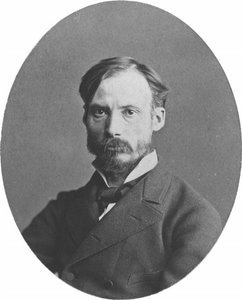
Pjer Ogist Renoar
1841 - 1919 , Francuska
Brzi pregled
- Datum Rođenja: 25. februar 1841.
- Datum Smrti: 3. decembar 1919.
- Mesto Rođenja: Limoges, Francuska
- Nacionalnost: Francuski
- Pokreti/Umetnici Pod Uticajem: ['Impresionizam']
- Puno Ime: Pierre-Auguste Renoir
- Umetnički Pokret: Impresionizam
- Uticajni Umetnici:
- Rubens
- Watteau
- Courbet
- Manet
- Značajna Dela:
- Ples u Mölanu la Galet
- Ručak veslača
- Posle kupanja
- Ples u Bugivalu
Srodni članci
Top 10 Impresionista: Remek Dela Koja Su Definisala Pokret
Otkrijte 10 remek dela koja su definisala impresionizam! Uronite u svet Moneta, Renoara i drugih majstora. Analiza tehnika, priča iza slika i inspiracija za vaš dom. Eksplorišite kolekciju na OriginalUniqueArt.com!

Impressionism's Masterpieces: 10 Paintings That Defined a Movement | OriginalUniqueArt
Journey through Impressionism's heart with 10 iconic paintings by Monet, Renoir & Degas. Explore light, color & the stories behind these masterpieces. Find museum-quality art reproductions and elevate your home decor on OriginalUniqueArt.com.
Pierre-Auguste Renoir: 25 Remek-Dela Impresionizma za Vaš Dom | OriginalUniqueArt
Uronite u svet Pierre-Auguste Renoara! Otkrijte 25 remek-dela impresionizma, priče iza slika i tehničke detalje. Reprodukcije vrhunskog kvaliteta za vaš dom dostupne na OriginalUniqueArt.com. Istražite celu kolekciju online!

The Luminous World of Pierre-Auguste Renoir: An Exploration of Impressionism's Sensuous Embrace
Explore the captivating world of Pierre-Auguste Renoir! Discover his life, iconic Impressionist masterpieces & enduring legacy with our expert guide. High-quality reproductions available.
Top 10 Remek-dela Impresionizma koji su Značili Revoluciju u Umetnosti | OriginalUniqueArt
Uronite u svet impresionizma! Otkrijte 10 remek-dela Moneta, Renoara, Degasa i Van Goga. Istorija umetnosti, tehnike slikanja i inspiracija za dekoraciju enterijera. Kvalitetne reprodukcije na OriginalUniqueArt.com.


